Tata Titiana
In an era increasingly defined by rapid technological advancement and shifting societal priorities, a notable transformation is occurring in how younger generations perceive and allocate their resources. While previous generations often prioritized tangible assets like property and vehicles as hallmarks of success and future security, today’s millennials and Gen Z are increasingly embracing a different paradigm: the "lifestyle of travel" and the profound value of experiential investment. This shift signifies a deeper cultural reevaluation, where accumulating memories and personal growth through exploration is often deemed more valuable than the accumulation of material wealth.
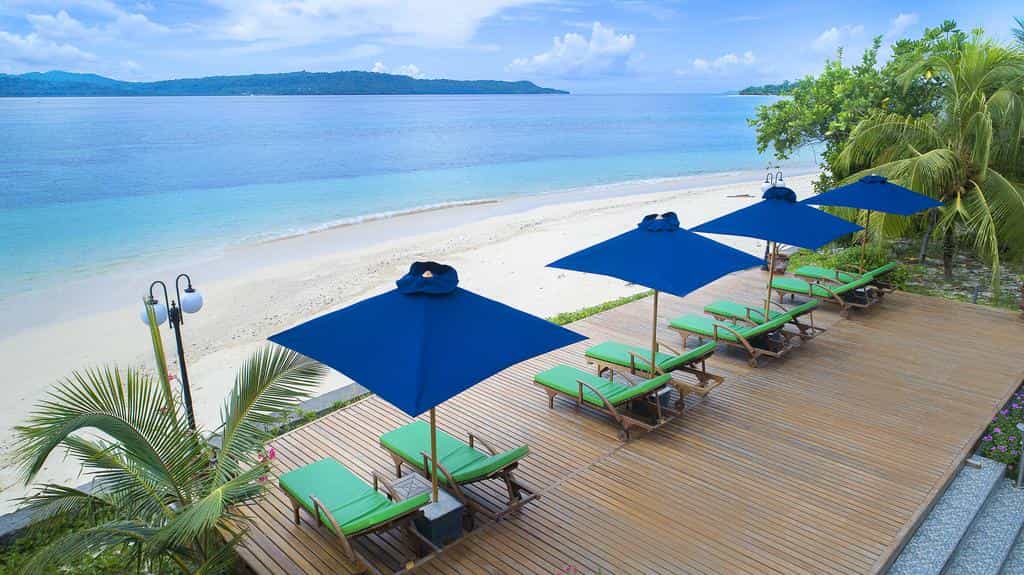
The allure of travel for these demographics is multifaceted. Beyond the inherent excitement and the promise of novel experiences, the digital age has amplified access to information and inspiration. Stunning natural landscapes, vibrant urban centers, and unique cultural encounters are now readily discoverable through social media, travel blogs, and online platforms. This ubiquitous presence of aspirational travel content fuels a desire to explore, pushing individuals to seek out challenges and embrace the unfamiliar. The perceived beauty and adventure inherent in diverse global destinations, coupled with the ease of planning and sharing experiences facilitated by technology, create a potent cocktail of motivation for young adults to venture beyond their immediate surroundings.
This generational divergence in financial and life philosophy is striking. Historically, saving for a down payment on a house or a new car was a primary financial objective for many young adults. This was often framed as a prudent approach to building a stable future. However, contemporary research and anecdotal evidence suggest a significant recalibration of these goals. A 2023 study by the Global Travel Association indicated that 75% of millennials surveyed cited travel as a top priority for their discretionary spending, often prioritizing trips over significant purchases like electronics or even investing in traditional retirement funds in their early careers. This indicates a conscious decision to invest in experiences that offer immediate personal enrichment and long-term memory formation, viewing these as crucial components of a fulfilling life. The rationale often presented is that while material possessions can depreciate or become obsolete, the memories and personal growth derived from travel are enduring assets that contribute to a richer understanding of oneself and the world.
The implications of this trend are far-reaching, influencing not only individual financial planning but also the broader tourism industry and even societal attitudes towards risk and personal development. By actively seeking out new environments and engaging with different cultures, younger generations are often pushing themselves outside their comfort zones, fostering a more open-minded and adaptable worldview. This inclination to explore the unknown, to confront potential fears, and to embrace the unexpected is seen as a catalyst for profound self-discovery.
Navigating the Journey: Cultivating a Lifestyle of Travel
Embracing travel as a lifestyle requires a proactive mindset and a willingness to step beyond theoretical aspirations. The journey from contemplation to consistent exploration involves several key psychological and practical adjustments. Experts in behavioral economics and sociology suggest that the perceived barriers to travel, often rooted in financial concerns or a fear of the unknown, can be overcome with strategic planning and a shift in perspective.
1. Fortifying Resolve and Cultivating Courage

The initial step towards making travel a lifestyle is not necessarily about accumulating vast sums of money, but rather about cultivating a strong internal commitment and a readiness to embrace uncertainty. The adage of "don’t wait for the perfect moment" is particularly relevant here. Instead of deferring travel dreams until financial goals are met, individuals are encouraged to find ways to travel within their current means. This might involve prioritizing shorter, more frequent trips, exploring destinations closer to home, or opting for budget-friendly accommodations and transportation. The psychological barrier of "not enough money" can be a significant impediment, but reframing travel as an achievable goal, rather than an extravagant indulgence, is crucial. This involves a conscious decision to prioritize experiences and to develop the resilience to navigate the practicalities of travel with the resources available. A report by the American Psychological Association in 2022 highlighted that individuals who actively pursue goals that align with their values, such as travel, often report higher levels of life satisfaction and reduced stress, suggesting a positive feedback loop between action and well-being.
2. Embracing Spontaneity and Adapting to Circumstance
While meticulous planning can be beneficial, an overly rigid itinerary can stifle the very essence of experiential travel. The reality of exploring new places often involves unexpected detours, serendipitous encounters, and unforeseen challenges. Therefore, a key element of a successful travel lifestyle is the ability to adapt and improvise. Instead of pre-determining every minute of a trip, it is more effective to establish a general direction and purpose, allowing for flexibility. This might involve identifying a few must-see attractions or experiences but leaving ample room for spontaneous exploration. The true richness of travel often lies in the unplanned moments – a chance conversation with a local, stumbling upon a hidden gem, or navigating a minor hiccup that leads to a unique learning experience. This adaptability not only makes travel more enjoyable but also builds crucial life skills. A study published in the Journal of Personality and Social Psychology found a strong correlation between openness to experience, a personality trait closely linked to a desire for novelty and exploration, and a greater capacity for adaptation in various life situations.
3. Developing Adaptability and Cultural Fluency
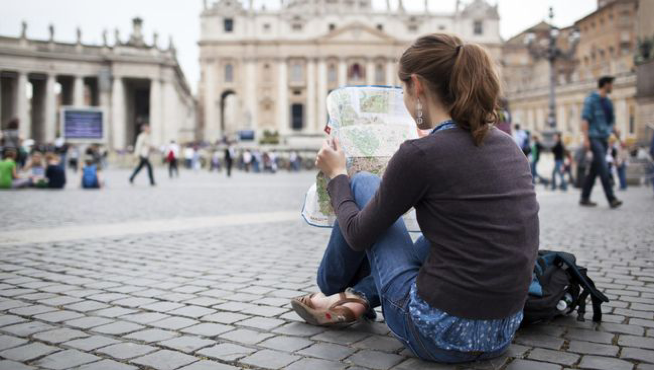
At its core, a lifestyle of travel is an exercise in continuous learning and personal growth. This necessitates a high degree of adaptability, the ability to readily adjust to new environments, social norms, and cultural nuances. When interacting with diverse communities, navigating different languages, and encountering unfamiliar customs, a willingness to learn and to be open-minded is paramount. This extends beyond mere tolerance; it involves a genuine effort to understand and appreciate different perspectives. For instance, learning a few basic phrases in the local language can significantly enhance interactions and foster goodwill. Similarly, understanding local etiquette can prevent misunderstandings and lead to more authentic experiences. The ability to adapt is not just a practical necessity for smooth travel; it is a fundamental skill that translates into greater success in an increasingly globalized world. The World Economic Forum’s "Future of Jobs Report" consistently highlights adaptability, critical thinking, and problem-solving as essential skills for the 21st-century workforce, skills that are inherently honed through extensive travel.
The pursuit of a travel lifestyle offers a profound opportunity for self-discovery. By stepping outside familiar routines and immersing oneself in new surroundings, individuals gain a fresh perspective on their own lives, values, and capabilities. The challenges overcome, the connections made, and the insights gained contribute to a more nuanced and enriched understanding of self. This journey of exploration is not merely about seeing new places; it is about becoming a more well-rounded, resilient, and culturally aware individual.
In conclusion, the evolving perception of travel as a fundamental lifestyle choice reflects a broader generational shift towards valuing experiences over material possessions. By embracing a proactive approach, fostering courage, practicing adaptability, and remaining open to the unexpected, individuals can effectively integrate travel into their lives, enriching their personal journeys and fostering a deeper connection with the world around them. The tips outlined provide a framework for embarking on this fulfilling path, encouraging a travel experience that is not only enjoyable but also deeply meaningful and transformative.