Nila Kartika Wati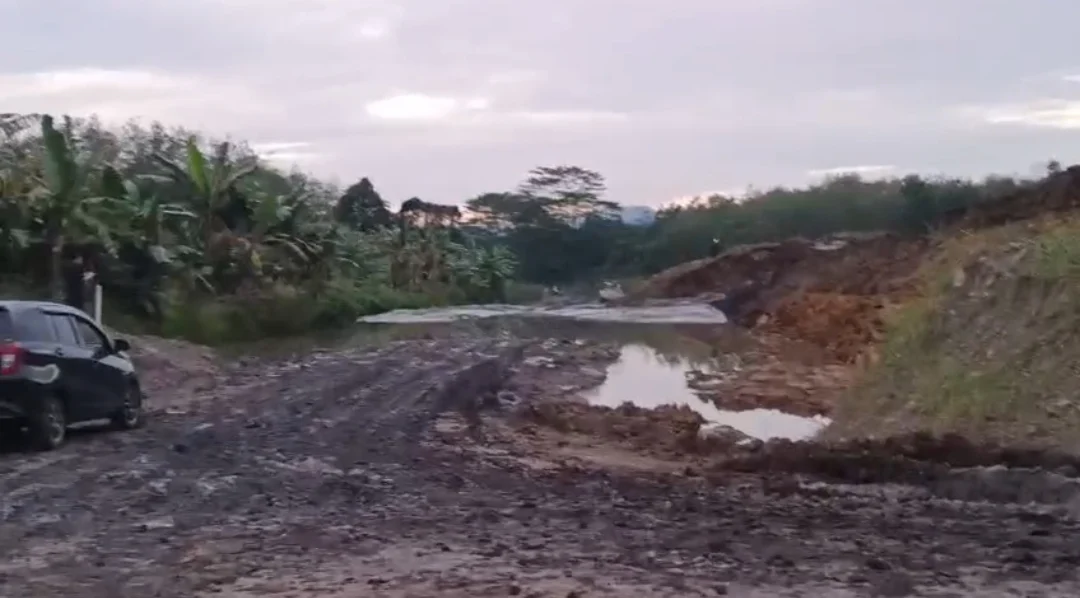
Residents of Rantau Bakula Village in the Sungai Pinang District of Banjar Regency, South Kalimantan, were once again thrust into a state of alarm in the early hours of Tuesday, June 2, 2026, when a settling pond belonging to the underground coal mining firm PT Merge Mining Industri (MMI) collapsed. The breach, which sent a deluge of thick, concentrated mud across the landscape, has reignited long-standing fears regarding the environmental integrity of the region and the safety of local water sources, specifically the Lancar River. This incident marks a troubling pattern of infrastructure failure for the company, raising urgent questions about regulatory oversight and the adequacy of risk management protocols in the province’s extractive sector.
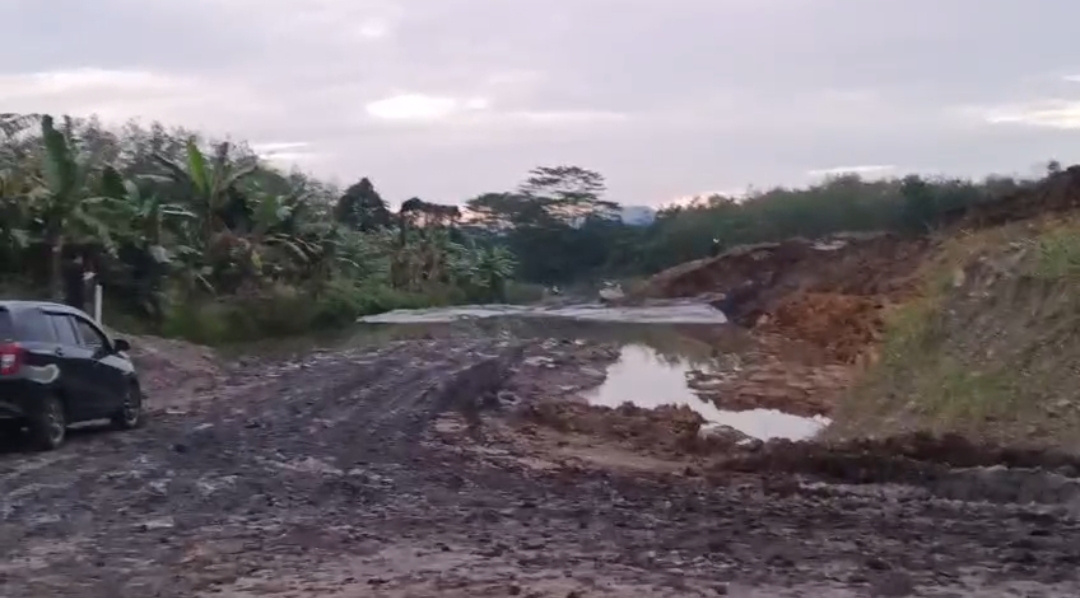
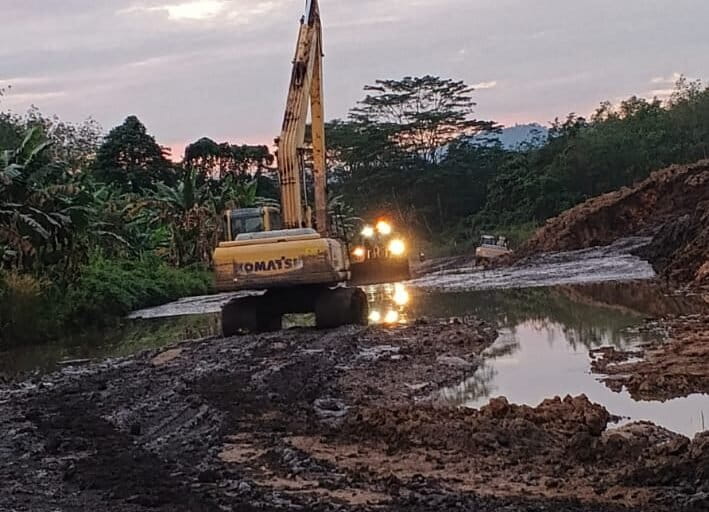
The collapse occurred around midnight, manifesting as a massive 30-meter-wide rupture in the embankment wall of the liquid waste sediment pond. According to local witnesses, the force of the escaping slurry was significant enough to overwhelm the surrounding terrain. Suyatno, a 39-year-old resident of Rantau Bakula, described a scene of environmental devastation on Tuesday morning. He reported that the thick mud did not merely seep out but surged downward, completely burying a vital hauling road located directly below the facility. By daybreak, the road was impassable, submerged under a layer of industrial sludge exceeding one meter in depth.
For the people of Rantau Bakula, the breach is more than a logistical inconvenience; it is a direct threat to their survival. The Lancar River, which flows near the mining concession, serves as the primary source of water for domestic activities, including bathing and washing. The specter of coal-contaminated waste entering the river system poses severe health risks and threatens to disrupt the local ecosystem. The community’s anxiety is compounded by the fact that this is not an isolated event, but rather the latest in a series of failures that suggest a systemic disregard for environmental safety standards.
A History of Infrastructure Failures and Negligence
The June 2nd incident is part of a documented timeline of structural failures at PT MMI’s facilities. Raden Rafiq, the Executive Director of the South Kalimantan branch of the Indonesian Forum for the Environment (Walhi), emphasized that the collapse should not be dismissed as a minor technical glitch. He pointed out that similar breaches occurred during the initial construction of the settling pond in 2024 and again earlier in 2026 at the exact same location. The recurrence of these failures at the same site indicates that previous "repairs" were likely superficial or that the underlying engineering is fundamentally flawed for the geological conditions of the area.
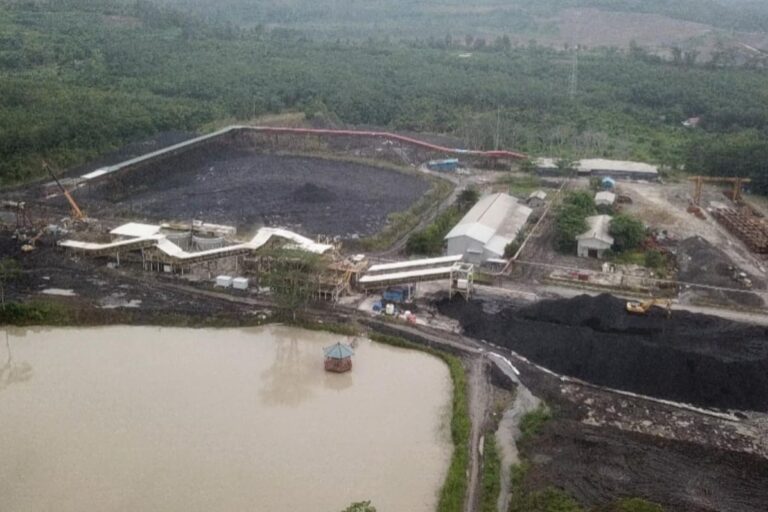
Walhi’s critique centers on the apparent weakness of the company’s environmental management systems. Under Indonesian law, specifically Government Regulation No. 22 of 2021 regarding the Implementation of Environmental Protection and Management, mining companies are required to maintain strict standards for waste containment. The repeated failure of the same embankment suggests a violation of these standards and a failure to implement the risk mitigation strategies outlined in the company’s Environmental Impact Analysis (AMDAL).
Rafiq has called for a comprehensive evaluation of PT MMI’s entire operational framework. This includes a top-to-bottom audit of their environmental documents, waste management protocols, and the structural integrity of all onsite facilities. The environmental watchdog is urging the Ministry of Environment and Forestry (KLHK), the Ministry of Energy and Mineral Resources (ESDM), and the local Environmental Agency (DLH) to move beyond routine inspections and launch an independent, transparent investigation into the company’s practices.
The Concession Controversy: Spatial Analysis and Overlapping Interests
Adding a layer of legal and administrative complexity to the situation is a recent spatial analysis conducted by Walhi. According to their findings, the settling pond that breached on Tuesday may not even be located within PT MMI’s authorized concession area. Instead, mapping data suggests that the facility sits on land belonging to PT Baramarta, a regional state-owned enterprise (BUMD) managed by the Banjar Regency government.
This revelation has sparked a debate over accountability and the transparency of land use in South Kalimantan’s mining sector. If a private entity like PT MMI is operating critical waste infrastructure on land designated for a state-owned company, it raises questions about the legality of the permits issued for that facility. Furthermore, it implicates the local government in the failure. Rafiq questioned whether the regional authorities would take responsibility for the damage caused by a private facility operating on their land. When approached for comment regarding this potential overlap, Saidan Pahmi, the President Director of PT Baramarta, declined to provide a statement, further fueling public suspicion.
The overlap of mining concessions is a recurring issue in Indonesia, often leading to "grey areas" in responsibility when environmental disasters occur. In this case, the ambiguity over who owns the land versus who operates the pond creates a hurdle for law enforcement and complicates the process for residents seeking compensation for damages.
Corporate Response: The "Natural Disaster" Defense
In response to the outcry, Yudha Ramon, the President Director of PT Merge Mining Industri, stated that the company is currently conducting an internal investigation to determine the root cause of the breach. While the investigation is ongoing, Ramon suggested that the primary catalyst was the high intensity of rainfall in the days leading up to the collapse. He hypothesized that the saturated soil structure was unable to withstand the increased hydraulic pressure within the pond.
"Yesterday, there was quite heavy rain," Ramon noted. "If this is indeed a disaster, we will investigate why it happened. We will mitigate the impact and make repairs where necessary." He urged the public and regulators to wait for the final results of the internal probe before drawing conclusions, despite the historical context of the site. When asked about the previous failures in 2024 and early 2026, Ramon attributed them to the "dynamic nature" of mining activities, a phrase that critics argue downplays the severity of environmental negligence.
Ramon also addressed the impact on the community, claiming that as of Tuesday afternoon, he had not received reports of mud entering residential areas. However, he did not deny that the slurry had completely blocked the company’s hauling road. Regarding the allegations of operating outside their concession, Ramon maintained that the facility should be within their authorized boundaries but promised to have his field team re-verify the coordinates.
Broader Socio-Economic and Psychological Impacts
The collapse of the settling pond is the latest chapter in what local activists call the "misery of Rantau Bakula." For years, the village has lived in the shadow of the underground mine, reporting a litany of grievances that have allegedly gone unaddressed by both the company and the government. These include structural damage to homes caused by vibrations from mining activities, the depletion and contamination of clean water sources, and constant noise pollution.
A particularly poignant concern is the impact on vulnerable groups, including children and the elderly. Previous reports from Mongabay Indonesia have highlighted the psychological stress and health issues faced by children living near the mine, who are exposed to coal dust and the constant roar of heavy machinery. The recurring threat of a waste pond breach adds a layer of "ecological anxiety" to a community already struggling with the erosion of their traditional way of life.
The Lancar River, once a symbol of life for the village, has become a source of fear. When a settling pond fails, it releases "acid mine drainage" and heavy metals like manganese, iron, and sulfate into the water table. These pollutants can have long-term effects on human health and can decimate local fish populations, which many residents rely on for protein.
The Need for Stringent Law Enforcement and Policy Reform
The situation in Banjar Regency serves as a microcosm of the tensions inherent in Indonesia’s reliance on coal mining. While the industry provides significant revenue and energy, the "externalities"—the environmental and social costs—are often borne by the poorest communities.
Environmental legal experts argue that the repeated failures at PT MMI warrant the "ultimum remedium" principle in environmental law, where criminal sanctions are applied if administrative sanctions fail to change behavior. Walhi has called for the temporary suspension of PT MMI’s operations until a thorough, independent safety audit is completed and all environmental damages are remediated. They argue that without firm law enforcement, including the possibility of license revocation, companies will continue to treat environmental fines as a mere "cost of doing business" rather than a deterrent.
As the mud is cleared from the hauling roads in Rantau Bakula, the underlying issues remain. The demand for a "just transition" in the mining sector—where the rights of local communities and the integrity of the environment are prioritized over production targets—has never been more urgent. For the residents of Sungai Pinang, the question is not if another breach will happen, but when, and whether the authorities will act before the Lancar River is lost forever to industrial sludge.
The investigation by the Mine Inspectors and the Ministry of Energy and Mineral Resources will be a litmus test for the government’s commitment to its own "Green Economy" rhetoric. If the investigation remains behind closed doors and fails to address the spatial discrepancies and the history of negligence, the trust between the state and the citizens of South Kalimantan will continue to erode, leaving the people of Rantau Bakula to navigate the fallout of a crisis they did not create.