Nila Kartika Wati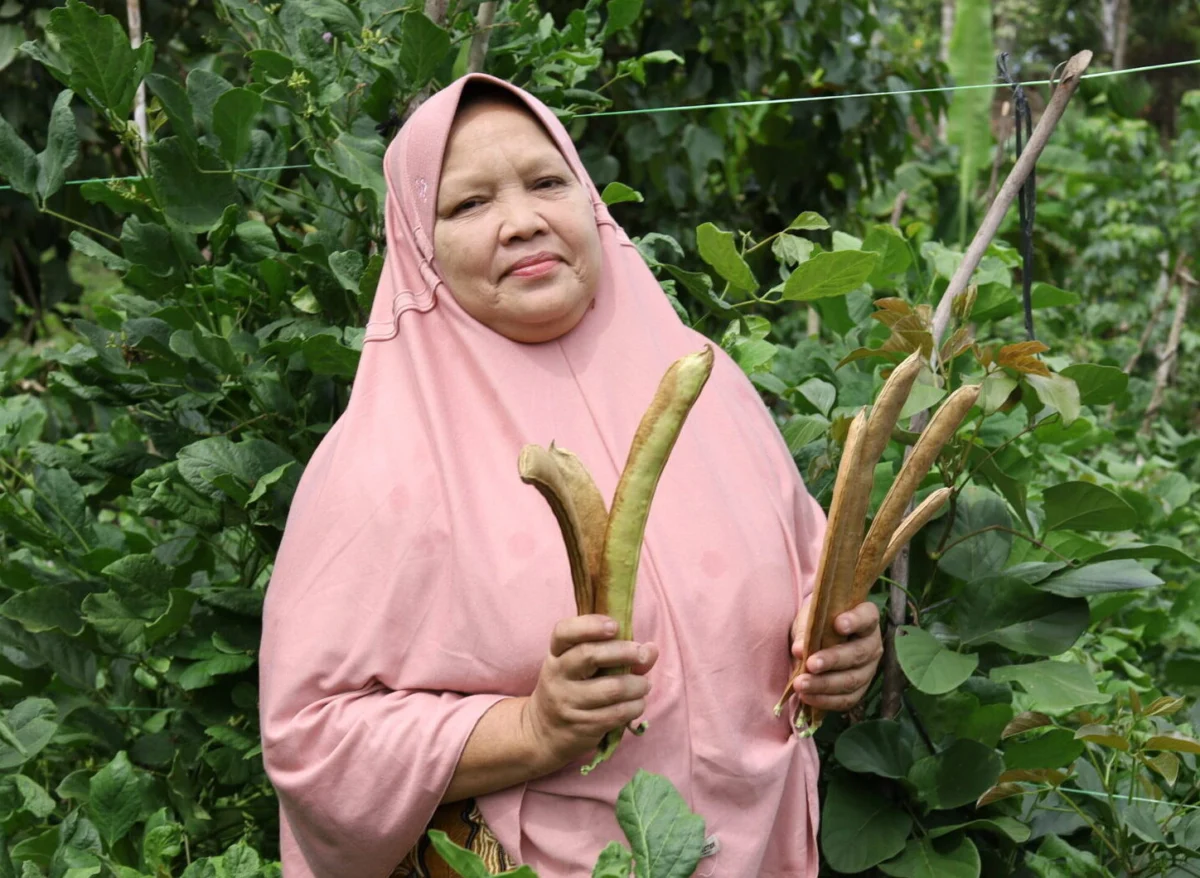
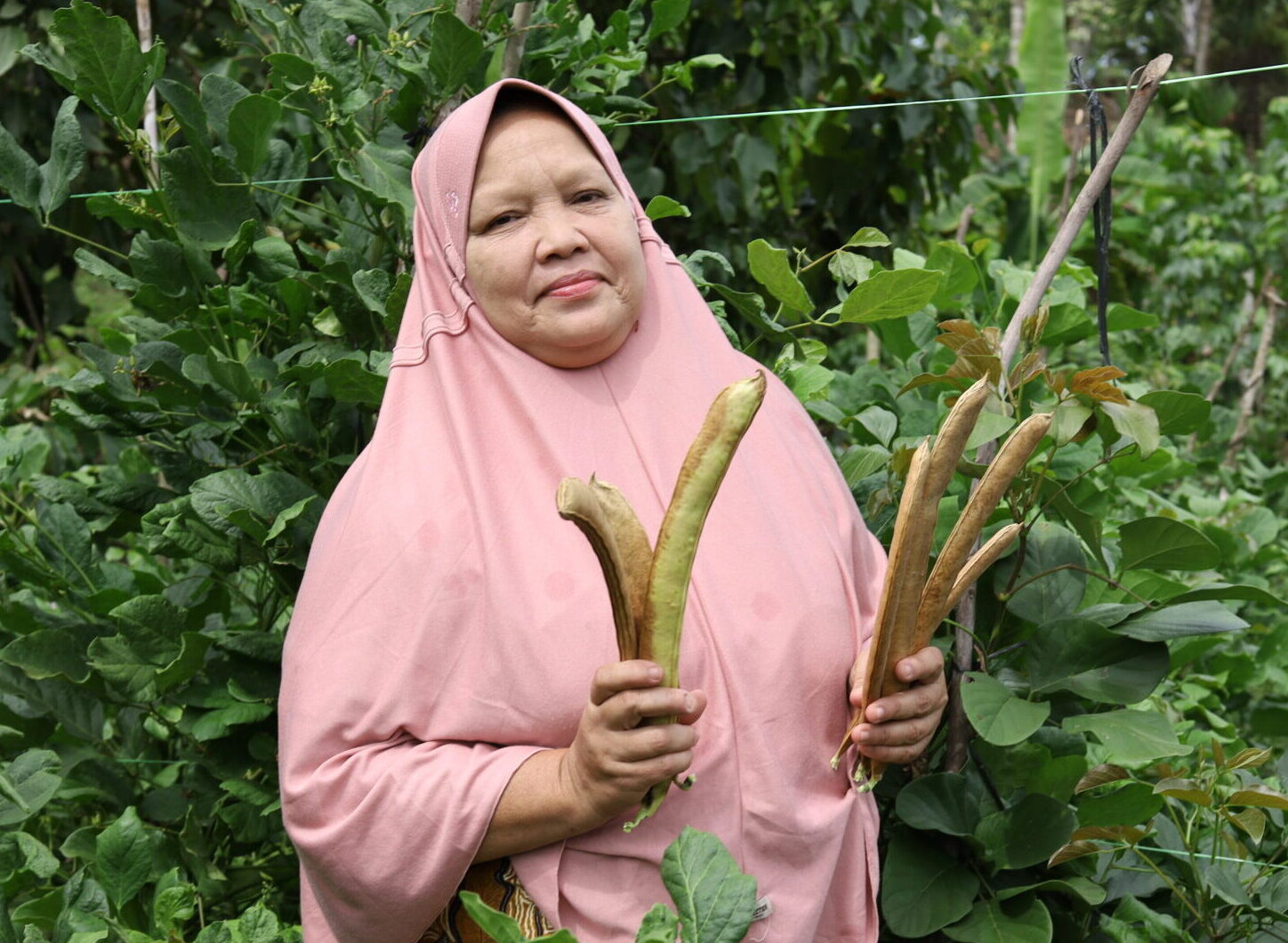
Under the scorching sun of Lamteuba, Aceh Besar, local farmers are redefining the agricultural landscape of Aceh. What was once considered a wild, underutilized plant known locally as kacang parang (Canavalia ensiformis) has transitioned into a strategic commodity. As climate patterns become increasingly erratic and national soybean production struggles to meet domestic demand, farmers in Aceh Besar, Aceh Selatan, and Simeulue are turning to the resilient sword bean—or koro pedang—as a viable, high-yielding, and climate-adaptive alternative.
The shift toward koro pedang is not merely a botanical preference but a calculated response to the persistent vulnerability of Indonesia’s food security. For years, Indonesia has relied heavily on imported soybeans to sustain its massive tempeh and tofu industries. This dependency exposes the nation to global price volatility and supply chain disruptions, a reality that organizations like the Rumoh Pangan Aceh (RPA) foundation are actively working to mitigate.
A Strategic Pivot in Agricultural Practices
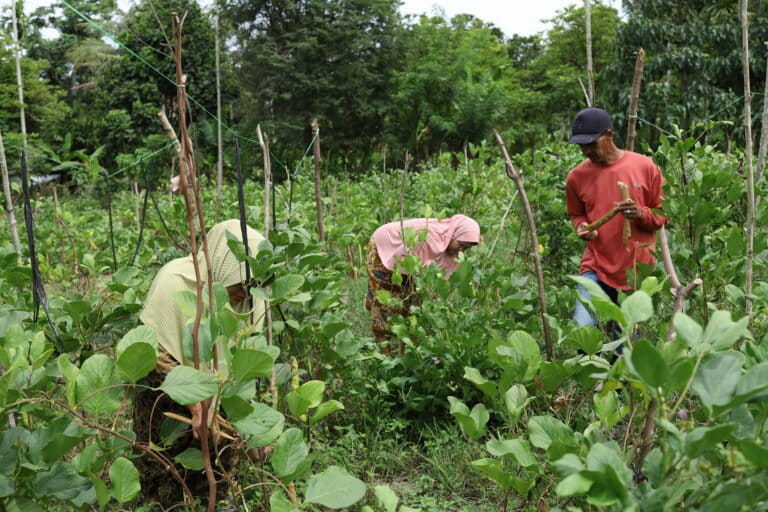
The transformation of koro pedang from a roadside weed to a primary cash crop began in earnest around 2025. Ruhani, a farmer in Lamteuba, serves as a prime example of this transition. In April 2026, she allocated one hectare of her land to intercropping koro pedang alongside turmeric, galangal, pineapples, and chili. Her decision was driven by the failure of traditional crops like soybeans, which proved unable to withstand the increasingly harsh climate and persistent pest issues in the region.
"We plant whatever we can while waiting for the koro harvest," Ruhani explained. The intercropping system provides a buffer for income, but the koro pedang acts as the anchor. Unlike soybeans, which require significant labor, fertilizers, and are prone to crop failure during heatwaves, koro pedang thrives in dry conditions.
The ecological hardiness of the plant is its most cited advantage. Farmers report that the plant requires minimal irrigation and is remarkably resistant to pests. In a region where wild animals such as monkeys and boars often decimate corn or vegetable crops, koro pedang remains largely untouched. Its durability has allowed farmers to move away from expensive, high-maintenance crops toward a more sustainable model that requires little more than land and basic management.
The Macroeconomic Context: The Soybean Dilemma
The urgency of this local initiative is rooted in sobering national data. According to the Indonesian Ministry of Agriculture, the nation’s annual soybean production has stagnated, averaging approximately 227,000 tons against a staggering domestic demand of roughly 2.7 million tons. This leaves Indonesia with a deficit of over 95%, forcing the country to import millions of tons annually. Between January and July 2026 alone, Indonesia imported 5.84 million tons of soybeans, valued at approximately USD 2.5 billion.
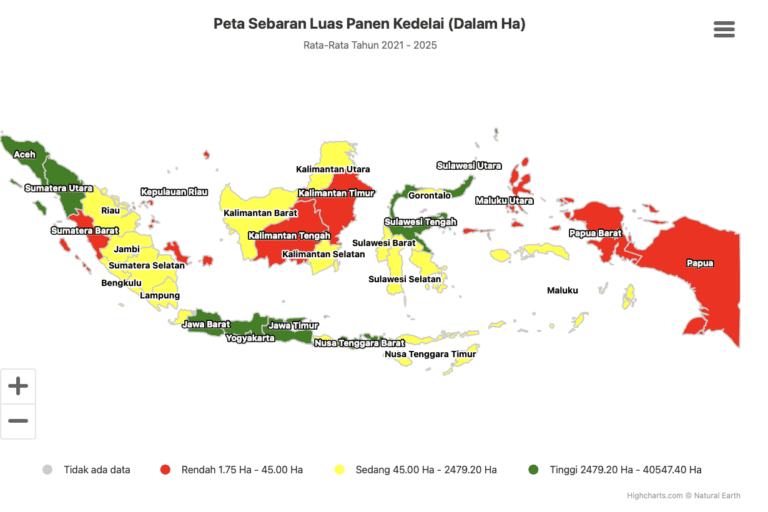
Aceh’s contribution to this national output is minimal, accounting for less than 2% of total production between 2021 and 2025. Data from the Agriculture and Plantation Office of Aceh indicates a volatile trend: production rose to 11,604 tons in 2023, only to collapse to a mere 26 tons by 2025. Azanuddin Kurnia, Acting Head of the Aceh Agriculture and Plantation Office, admits that low profitability compared to rice and corn has disincentivized farmers from committing to soybeans. When government-sponsored initiatives to cultivate 5,000 hectares of soybeans were proposed, farmers only provided enough land for 1,500 to 2,000 hectares, signaling a lack of confidence in the crop’s economic viability.
Chronology of the Koro Pedang Movement
The rise of the koro pedang movement can be traced back to several key developments:
- 2024-2025: Increasing climate instability, including delayed rainfall and prolonged droughts, leads to widespread crop failures for traditional legumes in Aceh.
- December 2025: Rumoh Pangan Aceh (RPA) formalizes its initiative to promote tempeh made from koro pedang, establishing a supply chain and providing training to farmers.
- April 2026: A new wave of farmers, including Ruhani and Cut Badriah, begin large-scale cultivation of koro pedang in Aceh Besar.
- July 2026: The first major harvests of the 2026 season occur, confirming high yields despite the erratic weather patterns.
- August 2026: Rumoh Tempe Nusa, a partner of RPA, begins scaling production, integrating koro into the local supply chain for both commercial sale and the government’s Free Nutritious Meal (MBG) program.
Operational Challenges and Culinary Adaptation
Transitioning from a soybean-dominated market to one utilizing koro pedang is not without challenges. Culinary habits remain a significant hurdle; the texture and flavor profile of tempeh made from 100% koro pedang differ from traditional soybean-based tempeh. Koro-based tempeh tends to be softer and richer in fats.
To address this, RPA has adopted a gradual approach, currently producing a blend of 70% soybean and 30% koro pedang. This blend has proven more palatable to the general public, facilitating market entry. Meanwhile, 100% koro tempeh is produced for specific consumer segments, with researchers continuously refining the processing techniques to improve the organoleptic qualities.
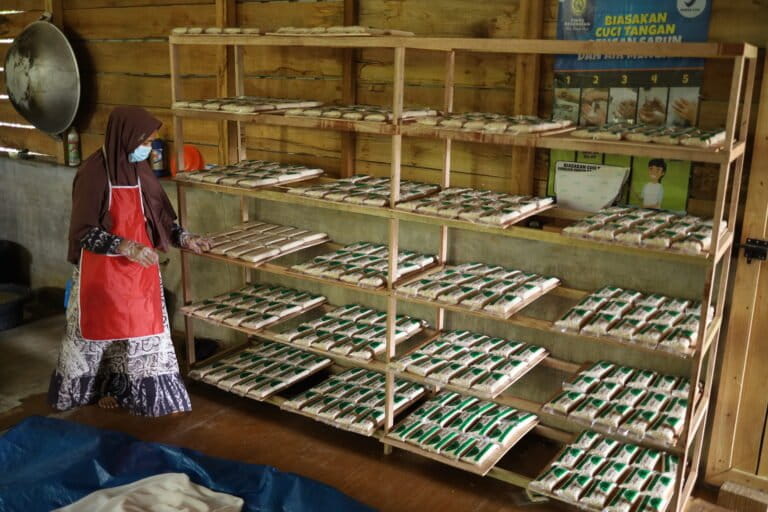
The production process itself is more intensive. While soybeans require a shorter soaking and boiling cycle, koro pedang needs to be soaked for a full 24 hours, boiled, and then soaked again, with a fermentation period spanning 48 hours. Despite these technical requirements, the economic benefits are clear. A farmer can harvest three to seven times the volume of koro compared to soybeans on the same plot of land, with significantly lower input costs.
Economic Empowerment and Future Prospects
The project has had a tangible impact on local employment. The Rumoh Tempe Nusa facility in Alue Naga has become a hub for local women, including those previously reliant on seasonal jobs like shellfish gathering. By creating a structured shift system—divided into sorting, boiling, fermenting, and packaging—the initiative provides stable, flexible income for women in the community.
Rivan Rinaldi, Executive Director of RPA, emphasizes that the initiative is about more than just a new product; it is about building regional food sovereignty. "It is ironic that a staple of our national diet relies entirely on imports," Rinaldi notes. By creating a closed-loop system where local farmers supply local processors, RPA is attempting to insulate the community from the fluctuations of global commodity prices.
However, scaling the initiative remains a critical challenge. Current demand for the koro-based products—approximately 100-150 kg of raw beans per day—far exceeds the supply provided by the current cohort of 150 farmers. Rivan estimates that to reach full capacity and reduce the reliance on soybean imports significantly, the number of participating farmers and the total land area under cultivation must increase substantially.
Policy Implications and Official Outlook
The government’s stance remains one of cautious observation. While the provincial Agriculture and Plantation Office acknowledges the potential of koro pedang, formal budgetary support has yet to be allocated. The primary hurdle for the government is the lack of standardized data on koro pedang as a national commodity, which complicates the allocation of subsidies or technical assistance.
Nevertheless, the success of individual farmers in Aceh Besar provides a compelling case study for policymakers. As the impacts of climate change continue to challenge conventional agricultural methods, crops like koro pedang offer a rare combination of ecological resilience and economic profit. For the farmers of Lamteuba, the experiment has already proven successful. They are no longer waiting for the return of traditional, high-risk crops; they are building a future based on a hardy, native legume that promises to provide both food and financial security for years to come.
As the industry matures, the focus will likely shift toward improving post-harvest processing and marketing to ensure that koro pedang can compete on a larger, more commercial scale. If these efforts succeed, Aceh could serve as a model for other regions in Indonesia looking to break their dependence on imported soybeans and secure their place in a more sustainable agricultural future.