Nila Kartika Wati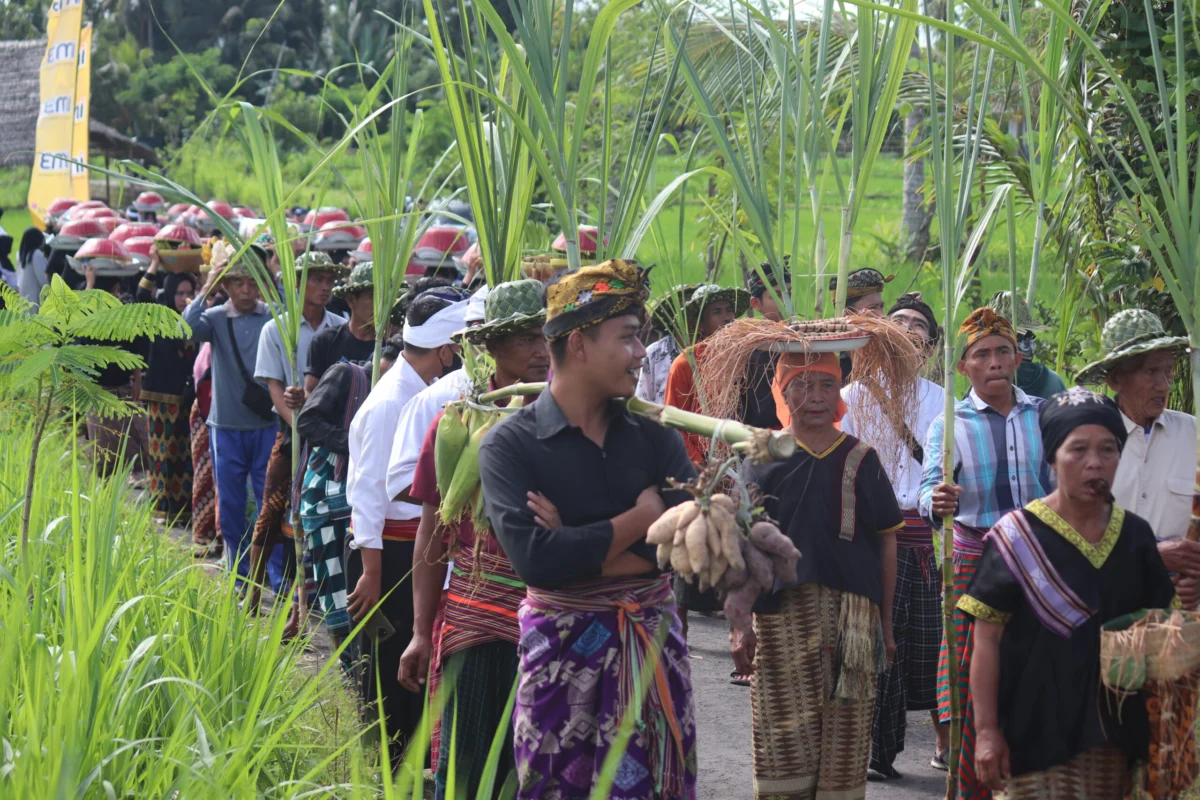
In the rolling foothills of the Masbagik district in East Lombok, Indonesia, the rhythm of life is dictated not by the calendar, but by the subtle shifts in the soil and the flow of water. As the dry season wanes and the anticipation of the monsoon grows, the residents of Desa Kesik gather for a ritual that transcends mere tradition. Nunas Nede, an annual spiritual and ecological procession, serves as a cornerstone of the village’s identity, acting as both a plea for agricultural fertility and a disciplined commitment to the preservation of seven vital water sources.
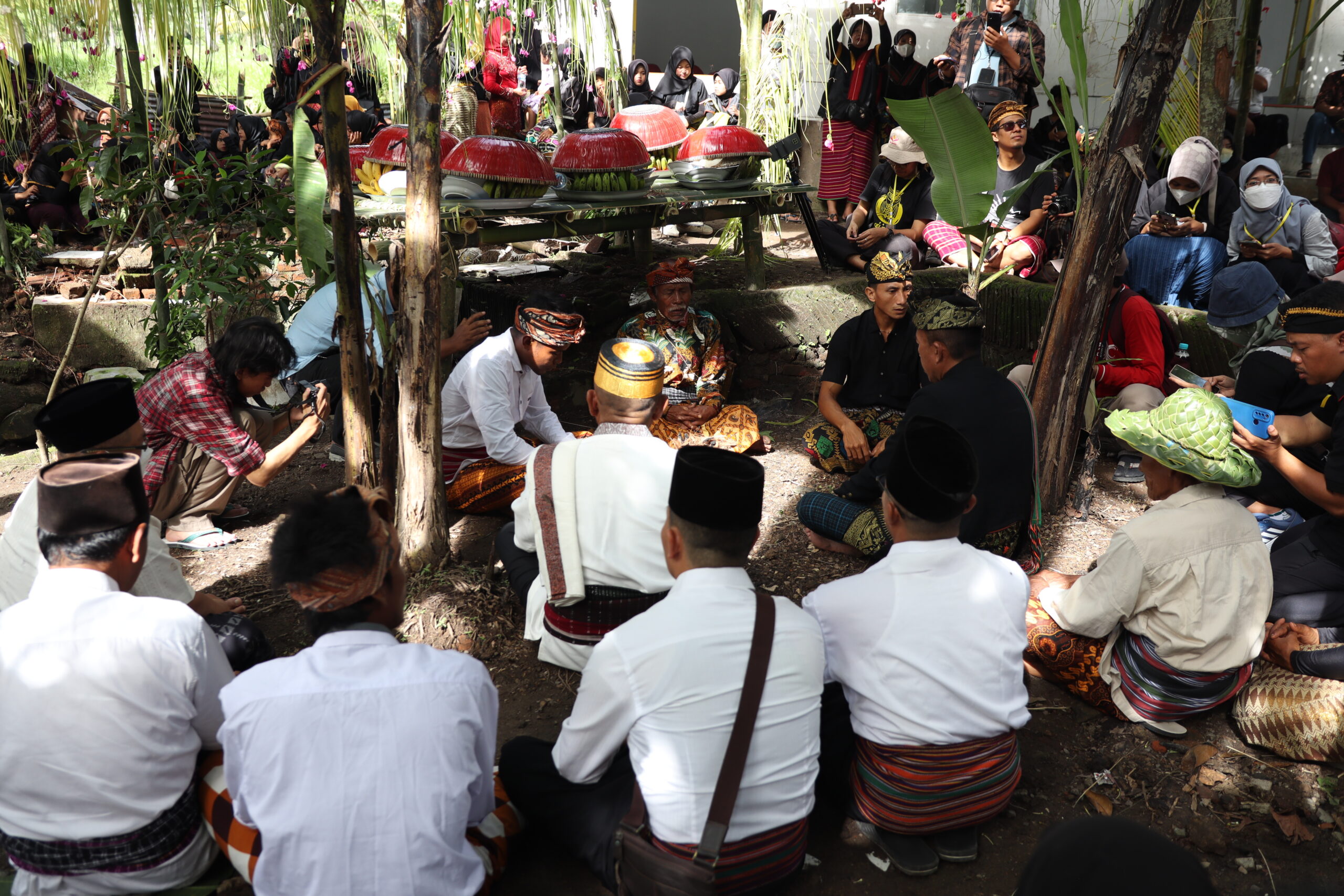
The ritual is a complex, multi-day endeavor that begins long before the actual pilgrimage to the springs. Nine days prior to the main event, the village transforms into a hub of communal activity. At the center of this movement is the home of 73-year-old Amaq Marni, a respected traditional elder. Here, farmers deliver portions of their harvest—predominantly rice and glutinous rice—which are meticulously processed by the village women. Under temporary shelters, the air is filled with the rhythmic sound of husking and the collaborative labor of preparing traditional offerings. Meanwhile, the men coordinate the logistics of the event, ensuring that the necessary ceremonial tools and offerings are prepared for the journey ahead.
The Chronology of the Sacred Procession
The Nunas Nede is structured around a precise sequence of events that reinforces the social and ecological cohesion of the village. Two days after the initial preparations, the villagers embark on a trek toward the springs located in the foothills. This is not a casual excursion; it is a solemn procession. Participants carry dulang—traditional wooden trays—laden with the fruits of their labor, including padi, glutinous rice, local fruits, and free-range chickens. Central to the procession are the kendi, small clay vessels that will be filled with water from the seven ancestral springs, which are then carried back to the village as symbols of collective life and divine blessing.
The ritual follows a deliberate timeline:
- Preparation Phase (Day 1-9): Collection of agricultural produce, communal food preparation, and logistical planning.
- The Pilgrimage (Day 11): The trek to the seven identified water sources, characterized by prayers and community bonding.
- The Sanctification (Day 11-12): The gathering of water, the ritual of nyawik (marking the spring areas with traditional symbols), and the planting of trees around the water sources.
- The Climax (Day 12): A final assembly featuring communal prayers, the merging of water from the seven sources, and a shared meal that erases social stratification.
Ecological Stewardship as Cultural Survival
Beyond its spiritual dimensions, Nunas Nede is a sophisticated system of environmental management. In an era where climate change has rendered weather patterns increasingly erratic, the residents of Desa Kesik have turned to their ancestral knowledge to mitigate agricultural risk. Research from the University of Mataram suggests that the ritual functions as an effective mechanism for social solidarity, fostering a culture of mutual aid—or gotong royong—that is essential for the sustainability of local irrigation systems.
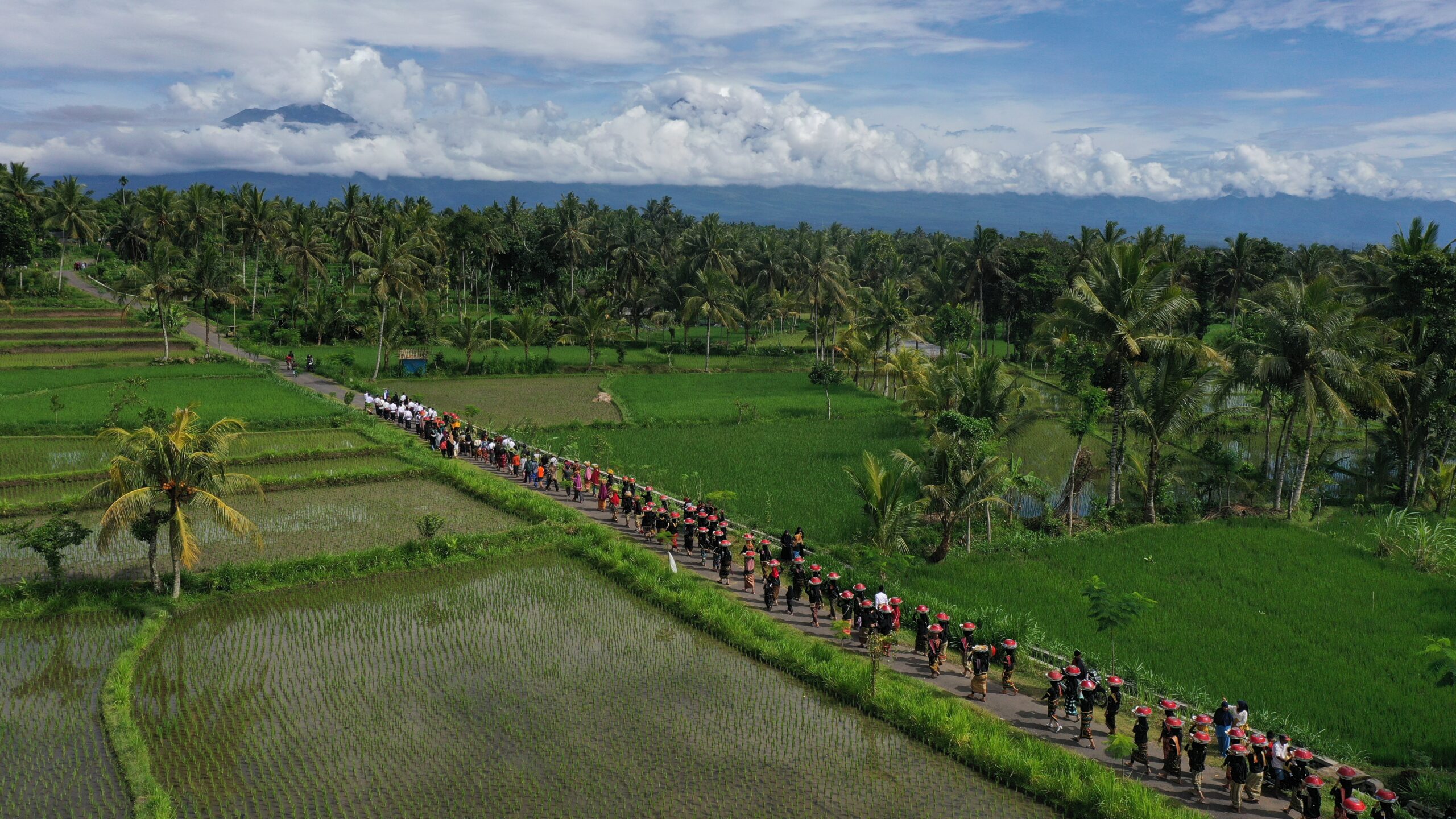
The ecological logic underpinning the ritual is clear: the health of the village’s agriculture is entirely dependent on the integrity of its watersheds. Amaq Marni emphasizes that the water does not belong to any single individual; it is a shared resource that supports all living beings. "If the spring is damaged, the rice fields fail, and life itself vanishes," Marni notes. This perspective reflects a deep-seated indigenous understanding of ecosystem services, where the protection of forest cover around springs prevents erosion and ensures a consistent water table throughout the year.
The Challenge of Climate Change and Modernization
The urgency of this ritual has intensified in recent years. East Lombok, like much of the Indonesian archipelago, is experiencing the brunt of climate change. Farmers report that the onset of the rainy season has become unpredictable, leading to prolonged droughts that crack the soil and cause vital springs to shrink. Amaq Sati, a long-time farmer in the region, highlights the growing anxiety among his peers: "The seasons were once easy to predict. Now, the rains are either too late or arrive with such intensity that they threaten our crops. We are caught in a cycle of uncertainty."
This climate instability has elevated Nunas Nede from a commemorative cultural event to a form of active resistance against environmental degradation. The ritual now includes tangible conservation efforts: participants clear trash, remove debris that blocks water channels, and engage in reforestation efforts around the springs. By formalizing these actions within a religious and cultural framework, the village ensures that conservation is not seen as an optional chore, but as an essential, non-negotiable duty to the community and the ancestors.
Empowering the Next Generation
A critical component of the ritual’s longevity is the deliberate inclusion of the youth. Village Head Muhamad Kadri stresses that without the involvement of the younger generation, the traditional knowledge of water management faces the risk of extinction. "If we do not involve the children, they will grow up believing that water is something that simply comes from a faucet, without ever understanding the labor and the ecology required to sustain it," Kadri explains.
By involving adolescents in the cleaning of the springs and the retelling of oral histories, the village creates a lineage of stewards. The educational value of the ritual extends to the scientific understanding of forest-water interaction. The village has maintained strict customary prohibitions against logging near the seven springs, preserving large, ancient trees that serve as natural water towers. These areas are strictly off-limits for development, a testament to the efficacy of traditional governance in protecting biodiversity.
Economic and Social Implications
The implications of the Nunas Nede go beyond agriculture. The village of Kesik has managed to maintain a high level of social cohesion by ensuring that the ritual remains a communal endeavor without social barriers. During the procession and the final feast, wealth and status are set aside; every resident participates as a fellow guardian of the land. This social leveling is a powerful antidote to the fragmentation that often accompanies the transition to modern economic systems.
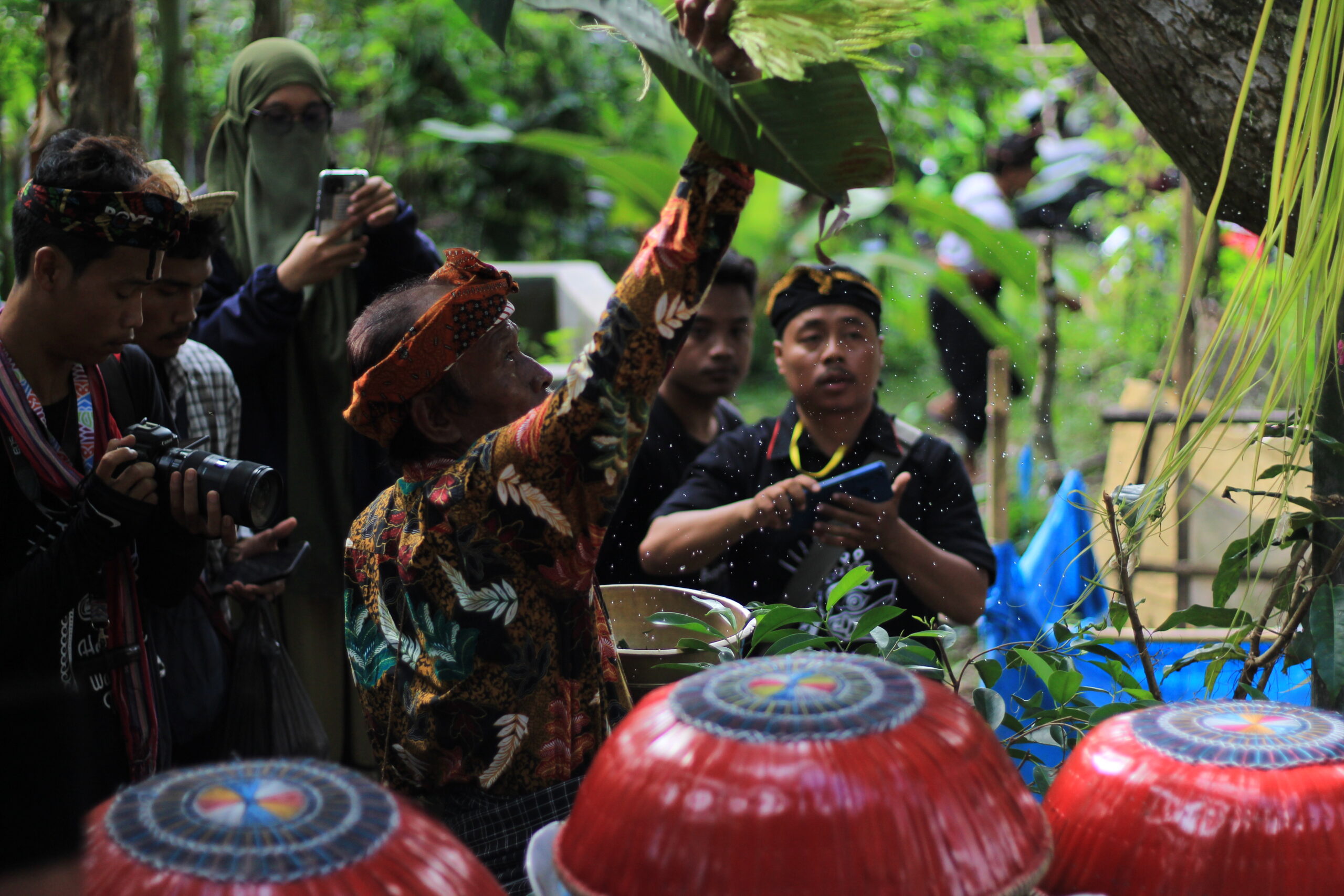
While there is interest from outside observers and tourists, the community remains vigilant in protecting the sanctity of the ritual. The goal is not to perform for an audience, but to sustain the village’s survival mechanism. As development pressures mount and land use changes across Lombok, the commitment shown by the people of Kesik serves as a model for other rural communities. It demonstrates that indigenous traditions, when coupled with a practical understanding of ecological limits, offer a resilient strategy for climate adaptation.
Conclusion: A Legacy of Water
As the ritual concludes with the shared meal and the final prayers, the atmosphere in the village is one of quiet determination. The sound of the springs, now cleared and flowing, serves as the ultimate validation of their efforts. For the people of Desa Kesik, the Nunas Nede is more than an appeal to the divine; it is a living contract between the community and the landscape.
In a broader context, the struggle to preserve these water sources is a microcosm of the global challenge to protect essential natural resources. The wisdom of the Sasak people in East Lombok reminds us that the most effective environmental policies are often those that are deeply embedded in the social fabric and cultural history of the land. As long as the people of Kesik continue their annual pilgrimage to the seven springs, the memory of their responsibility to nature will remain as constant as the water itself. The ritual remains a testament to human resilience and the enduring belief that the future of a village is inextricably linked to the health of the earth that sustains it.