
 Nila Kartika Wati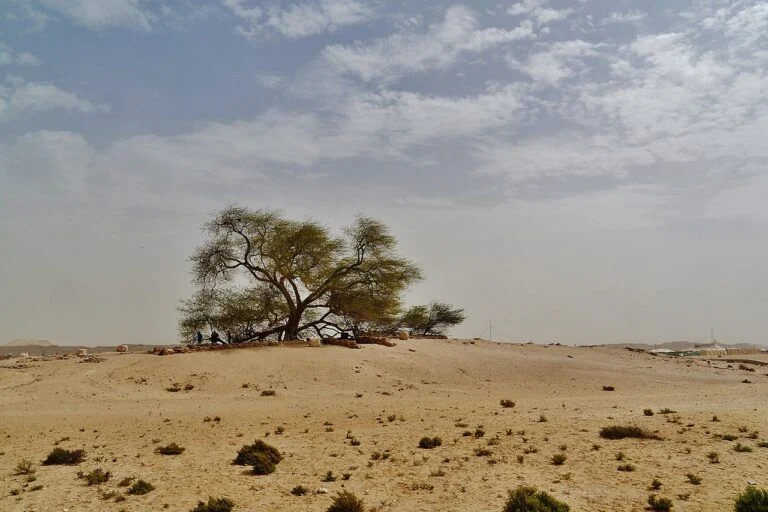
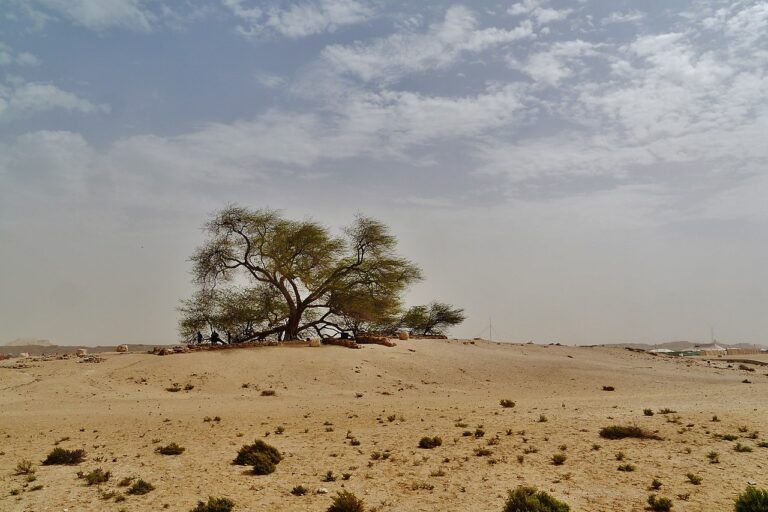
Deep within the desolate expanse of the Arabian Desert in Bahrain, a singular, verdant silhouette defies the relentless hostility of its environment. Standing atop a 25-foot-high sandy hill, miles away from any known freshwater source, river, or oasis, the Tree of Life, or Shajarat al-Hayat, has become an enduring symbol of biological persistence. For over four centuries, this gnarled, sprawling Prosopis tree has thrived in a landscape where average summer temperatures frequently exceed 45 degrees Celsius (113 degrees Fahrenheit) and annual precipitation is negligible. The tree remains a focal point of both scientific intrigue and cultural reverence, representing a biological anomaly that continues to challenge our understanding of desert survival.
The Scientific Mystery of Botanical Survival
The tree is widely categorized within the genus Prosopis, with botanical assessments suggesting it is either Prosopis cineraria or Prosopis juliflora. These species are renowned for their xerophytic adaptations—traits that allow them to flourish in arid zones. However, the specific identity of the Bahraini specimen remains a subject of ongoing debate among botanists. Unlike typical desert flora that might bloom seasonally, this tree maintains a vibrant canopy of green leaves throughout the year, an anomaly that necessitates a constant, reliable water source.
The primary hypothesis regarding its survival involves the extraordinary architecture of the Prosopis root system. Known for their taproots, these trees can extend their root networks deep into the subterranean strata, sometimes reaching depths of over 50 meters (164 feet). Scientists hypothesize that the tree has successfully tapped into a deep-seated, hidden aquifer. While this aquifer is not visible to the casual observer or traditional ground-level surveys, geological studies of the Bahraini desert suggest that the island sits upon a complex system of freshwater lenses and subterranean flows. The tree’s ability to locate and exploit this deep water represents a mastery of environmental engineering by nature itself.
Archaeological Context and Historical Significance
The mystery of the tree deepened significantly in 2010 when archaeologists conducted a series of excavations in the immediate vicinity of the hill. The findings were revelatory: researchers unearthed remnants of ancient settlements dating back to the Dilmun civilization, which flourished in the region thousands of years ago. These excavations revealed evidence of ancient wells and sophisticated water management systems, suggesting that the site was once a hub of human activity with a much higher water table than exists today.
While these findings confirm that the location was historically capable of supporting life, they do not definitively explain the tree’s current longevity. It is unclear whether the tree is feeding from the same remnants of ancient water tables or if it has adapted to reach deeper, more contemporary geological deposits. Nevertheless, the presence of these ruins adds a layer of historical mystique to the site, suggesting that the Tree of Life may be a descendant of a larger grove that existed when the region was more temperate.
Adaptation Mechanisms: A Masterclass in Resilience
Beyond its roots, the tree employs a suite of physiological adaptations to survive the hyper-arid conditions of the Arabian interior. Prosopis leaves are compound structures consisting of numerous tiny leaflets. This morphological trait is critical for reducing water loss; by minimizing the surface area exposed to the sun and wind, the tree effectively limits transpiration—the process by which water is lost from the leaves to the atmosphere.
Furthermore, the tree exhibits a high degree of phenotypic plasticity. During periods of extreme drought, it can regulate its water intake by shedding a portion of its foliage, effectively entering a state of semi-dormancy to preserve moisture. Researchers have also noted the potential for a symbiotic relationship with soil microbes. The tree is believed to engage in a complex exchange with nitrogen-fixing bacteria and mycorrhizal fungi in the root zone. These microorganisms assist in the extraction of vital nutrients from the nutrient-poor, sandy soil, while simultaneously improving the tree’s water-retention capabilities.
Some observers have posited that the condensation of nocturnal dew, which settles on the canopy during the cooler night hours, serves as a supplemental hydration source. In a desert climate, where the diurnal temperature range is vast, the formation of dew is a vital, albeit limited, source of moisture for many desert-dwelling organisms. Whether this plays a significant role in the sustenance of the Tree of Life is still being debated, but it remains a plausible contributor to its overall water budget.
Chronology and Cultural Impact
The Tree of Life has occupied a central place in the cultural geography of Bahrain for generations. Local folklore often attributes the tree’s vitality to supernatural intervention, with many legends claiming the site is the former location of the Garden of Eden. This narrative has bolstered the tree’s status as a protected monument and a site of pilgrimage.
Throughout the 20th and 21st centuries, the tree transitioned from a local secret to a global tourist destination. Estimates indicate that tens of thousands of visitors flock to the site annually to witness this "miracle of the desert." However, this popularity has introduced a new, anthropogenic threat to the tree’s longevity. The rise in human foot traffic, coupled with incidents of graffiti and physical damage to the tree’s bark, prompted the Bahraini government to intervene.
In recent years, the Ministry of Culture and Antiquities has implemented rigorous conservation measures. These include the construction of perimeter fencing to prevent direct physical contact, the establishment of an on-site information center to educate the public on the importance of the tree, and the implementation of restricted access protocols. These measures are designed to mitigate the stressors of tourism while allowing the public to appreciate the site from a respectful distance.
Implications for Environmental Science
The survival of the Tree of Life serves as more than just a botanical curiosity; it acts as a case study in environmental resilience. As global climate patterns shift and desertification threatens arable land worldwide, the survival strategies of the Prosopis genus are being studied for their potential applications in reforestation and sustainable agriculture in arid regions.
If scientists can fully map the root architecture and hydraulic strategies of this tree, the data could prove invaluable for arid-land management. Understanding how a plant can maintain homeostasis in the absence of surface water provides a template for future conservation efforts. The Tree of Life demonstrates that life, even in the most inhospitable conditions, is capable of remarkable ingenuity.
Ongoing Challenges and Future Outlook
Despite the protective measures in place, the future of the Tree of Life remains tied to the stability of the underground water sources it relies upon. Urbanization and industrial development in nearby areas could potentially alter the local hydrology, placing the aquifer at risk. Furthermore, the impacts of climate change, including rising regional temperatures and altered precipitation patterns, remain an unknown variable.
The Bahraini government continues to monitor the health of the tree through periodic botanical surveys and soil testing. These scientific assessments are essential to ensure that any potential decline in the tree’s health is detected early. The objective is to maintain the site not only as a cultural landmark but as a living laboratory for the study of extreme-environment biology.
In conclusion, the Tree of Life stands as a testament to the endurance of the natural world. It is a biological anomaly that links the ancient history of the Dilmun civilization with the modern era of environmental conservation. While the mystery of its water source remains a subject of scientific inquiry, the tree’s presence in the heart of the Bahraini desert serves as a poignant reminder of the capacity for life to persist against overwhelming odds. As long as the delicate balance between its root system and the deep-seated aquifers of the Arabian Desert is maintained, the Tree of Life will continue to command the respect and awe of all who visit the silent, golden sands of its kingdom.









