
 Nila Kartika Wati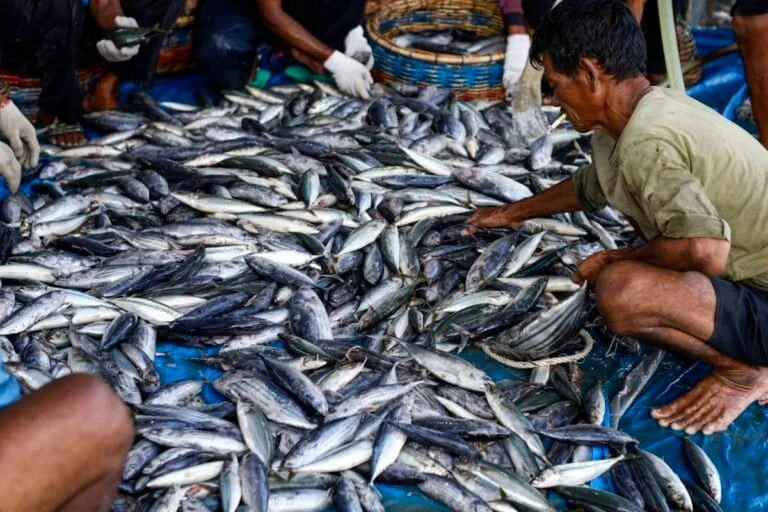
The 2024 report by the Food and Agriculture Organization (FAO) of the United Nations, titled The State of World Fisheries and Aquaculture (SOFIA 2024), underscores a critical turning point for global food security. According to the report, total global fish production—encompassing both capture fisheries and aquaculture—reached a staggering 223.2 million tons in 2022. Of this total, aquaculture accounted for 130.9 million tons, with farmed fish contributing 94.4 million tons. As the world population continues to grow, the FAO projects that aquaculture production, excluding algae and microalgae, will expand by another 10 percent by 2032. This sector is increasingly viewed as the primary pillar of future global food systems, particularly as traditional capture fisheries reach their biological limits and climate change begins to disrupt the delicate balance of marine and freshwater ecosystems.
The transition toward a more robust aquaculture sector is not merely a matter of increasing output; it requires a paradigm shift toward systems that are more productive, inclusive, resilient to climate-induced crises, and environmentally sustainable. For nations like Indonesia, which rely heavily on aquatic resources for both domestic protein consumption and economic stability, the findings of the SOFIA 2024 report serve as an urgent call to action.
The Biological Impact of Rising Temperatures
The core of the challenge lies in the physiological sensitivity of aquatic organisms to environmental fluctuations. Research published in the journal Ecology Letters by a team of British researchers in 2025, titled "Predicting the Effects of Climate Change on the Fertility of Aquatic Animals Using a Meta-Analytic Approach," highlights a grim reality: aquatic organisms are among the most vulnerable to climate change. Unlike terrestrial animals, many fish species exhibit slower rates of acclimatization to temperature shifts and possess lower levels of phenotypic plasticity. Their evolution in relatively stable thermal environments—buffered by the high specific heat capacity of water—has left them poorly equipped to handle the rapid, human-induced warming of global oceans and inland water bodies.
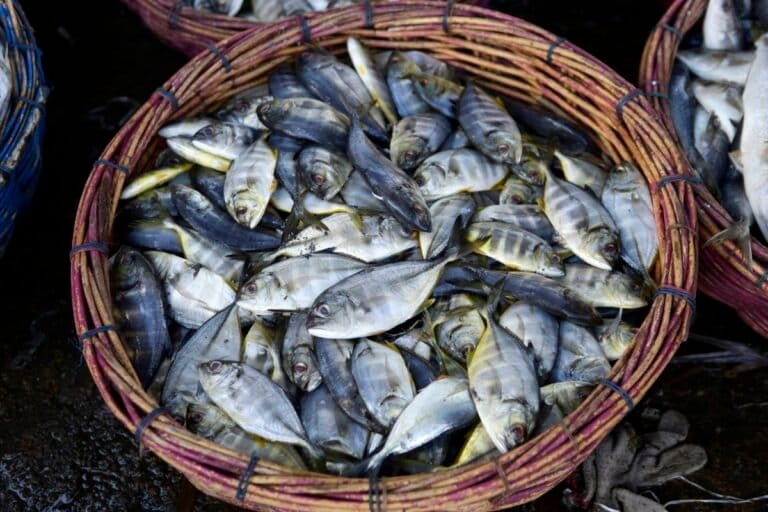
This vulnerability is further explained in a 2024 study published in Philosophical Transactions of the Royal Society B, which details how fish reproduction is highly dependent on precise hormonal regulation. Increased sea surface temperatures and the frequency of marine heatwaves directly interfere with sex determination and spawning processes. In some instances, these environmental stressors have been shown to trigger spontaneous sex changes, leading to imbalanced populations and a collapse in reproductive success.
Historical Context and Real-World Consequences
The theoretical threats posed by climate change are already manifesting in the field. Agus Oman Sudrajat, a Professor of Aquaculture at IPB University, warns that if climate change is not proactively addressed, systemic production failures are inevitable. Reflecting on a significant event in 2017, Sudrajat noted that many hatcheries experienced a widespread failure in gonad maturation among broodstock. Because fish physiology is governed by hormonal responses to environmental cues, the lack of appropriate seasonal signals—caused by unpredictable water temperatures—led to a sharp decline in seed production.
"The effect of the environment is translated into hormonal signals within the fish’s body," Sudrajat explained. When these signals are disrupted by erratic heat, the entire reproductive cycle is stifled. For hatchery operators, this means the difference between a successful harvest cycle and a total loss of investment.
Technological Interventions and Hormonal Control
To mitigate these risks, experts are looking toward advanced biotechnological solutions. One of the most promising avenues is the use of hormonal control technology to ensure that fish can still spawn even when environmental conditions are suboptimal. Techniques such as induced breeding, which utilizes agents like Ovaprim, are becoming standard practice in professional aquaculture.
Ovaprim works by introducing a combination of Salmon Gonadotropin-Releasing Hormone analogue (sGnRHa) and Domperidone. The sGnRHa stimulates the fish’s pituitary gland to release the necessary hormones for spawning, while the Domperidone inhibits dopamine, a neurotransmitter that naturally prevents the release of these reproductive hormones in stressed environments. By manually overriding the biological blockage, farmers can ensure a consistent supply of seeds, thereby maintaining production volume despite external climate pressures.
However, caution is required. I Ketut Sugama, a Research Professor in Aquaculture at the National Research and Innovation Agency (BRIN) of Indonesia, emphasizes that while hormonal interventions are effective, they must be applied with rigorous oversight. "The use of hormones in food fish must be handled carefully to ensure no negative impacts on human health," Sugama noted. He advocates for a hierarchy of solutions, suggesting that genetic selection and advanced breeding programs are more ideal for long-term sustainability than relying solely on external hormonal boosters.
Integrating Modern Systems for Resilience
Moving beyond hormonal intervention, the industry is shifting toward "smart" infrastructure. The Recirculating Aquaculture System (RAS) represents a technological leap forward. By continuously filtering and treating water, RAS minimizes the environmental footprint of fish farms while allowing for the precise control of water temperature, oxygen levels, and ammonia concentration.
Modern RAS facilities incorporate a network of sensors that provide real-time data on water quality. If an anomaly is detected—such as a sudden drop in oxygen or an increase in waste products—the system can alert operators or initiate automated correction protocols. This ability to monitor and react in real-time is crucial in an era where sudden environmental shifts can wipe out an entire stock within hours.
Furthermore, the focus is shifting toward holistic ecosystem management. Instead of relying on antibiotics to combat disease, researchers are promoting the use of probiotics and the cultivation of healthy plankton communities. By fostering a balanced microbial environment, farmers can enhance the immunity of the fish population, making them more resilient to the pathogens that thrive in warmer, stagnant water conditions.
Policy Requirements and the Path Forward
Despite the availability of these technologies, the widespread adoption of resilient aquaculture remains hampered by a lack of cohesive national strategies. Experts argue that technology and science alone cannot solve the crisis; there must be a strong mandate from the government.
For a country like Indonesia, a "grand strategy" is essential to integrate these disparate solutions into a unified national policy. This includes:
- Financial Support: Incentivizing small-to-medium-scale farmers to adopt RAS and other water-saving technologies.
- Genetic Research: Investing in the development of "climate-ready" fish strains that exhibit higher thermal tolerance and faster growth rates.
- Capacity Building: Educating local farmers on the safe and effective use of hormonal spawning agents and probiotic water management.
- Regulatory Frameworks: Implementing strict standards for the use of hormones and antibiotics to ensure that the drive for production does not compromise food safety or consumer trust.
The intersection of climate change and food security is perhaps most volatile in the aquaculture sector. As the FAO report suggests, while the demand for aquatic protein is set to skyrocket, the biological capacity of our waters to provide that protein is under siege. The transition to a climate-resilient aquaculture sector is not merely an option—it is a necessity for global stability. By combining biological research, modern infrastructure, and proactive governance, it is possible to secure the future of our oceans and ensure that they continue to provide for generations to come. The window for this transition is narrowing, but with the right investment in innovation and environmental stewardship, the global community can successfully adapt to the challenges of a warming world.









