Tata Titiana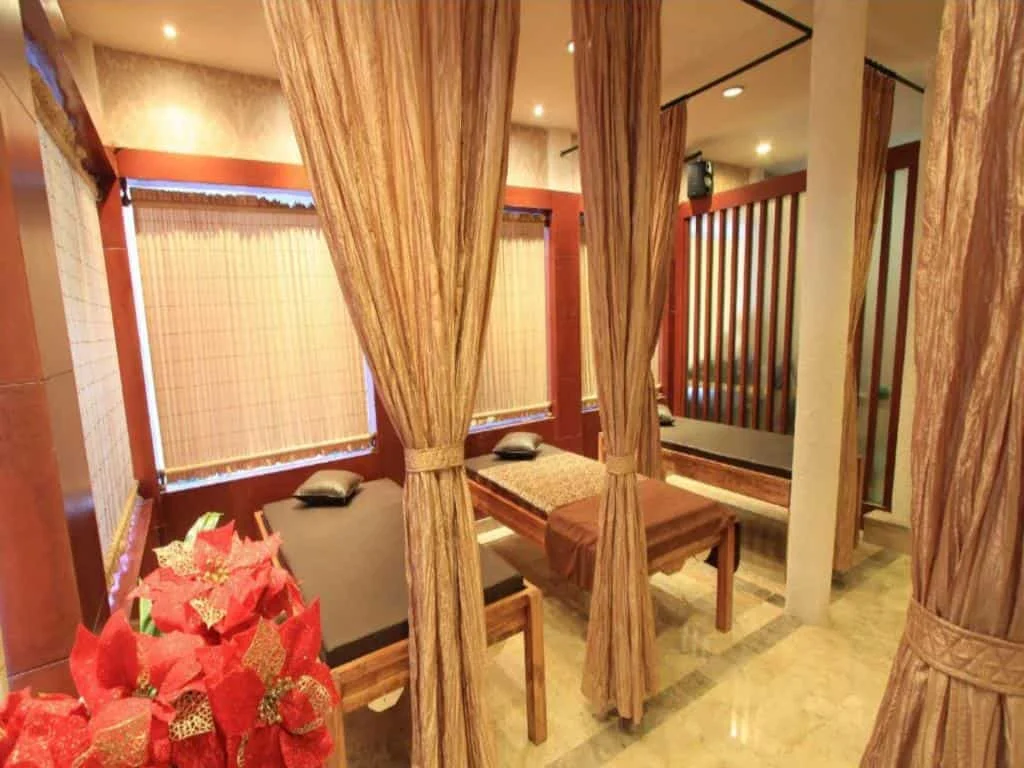
Hotel Salak The Heritage stands as a testament to Bogor’s rich historical tapestry, its architecture echoing the grandeur of the Dutch colonial era. More than just a four-star accommodation, this esteemed establishment, located at Jalan Ir. H. Juanda Nomor 8, Bogor, offers a journey back in time, seamlessly blending its historical significance with modern luxury. Its strategic position, nestled amidst the cool, verdant embrace of Bogor’s mountainous terrain, further enhances its allure, providing guests with breathtaking natural vistas and unparalleled accessibility to the region’s most cherished attractions.
The hotel’s enduring architectural style, characterized by its classic Dutch colonial design, is a direct consequence of its deep roots in the Dutch East Indies’ past. Established in 1856, it was initially known as the Bellevue-Dibbets Hotel, a venture owned by the family of Governor-General Charles Ferdinand Pahud. Its original purpose was to serve as a sophisticated lodging for officials of the Dutch East India Company (VOC) during their visits to Bogor, then a vital administrative and leisure center for the colonial government. This historical lineage imbues Hotel Salak The Heritage with an undeniable aura of authenticity, making it a destination for those seeking to experience a bygone era.
A Storied Past: From Colonial Officers to Presidential Stays
The history of Hotel Salak The Heritage is a fascinating chronicle of changing times and enduring presence. Its inception in 1856 as the Bellevue-Dibbets Hotel marked its initial role as a hub for colonial elite. During this period, Bogor, known as Buitenzorg by the Dutch, served as the summer palace for the Governor-General and was a favored retreat from the heat of Batavia (now Jakarta). The Bellevue-Dibbets Hotel, with its stately architecture and prime location, was the perfect establishment to cater to the needs of high-ranking officials and their entourage.
The hotel’s trajectory shifted dramatically with the Japanese occupation of the Dutch East Indies during World War II. The Japanese forces commandeered the building, repurposing it as a military headquarters. This period marked another significant chapter in its history, transforming it from a symbol of Dutch colonial power to a strategic asset for the occupying Japanese regime. The scars and stories of this era are intrinsically woven into the fabric of the hotel, adding layers of historical depth.
Following Indonesia’s declaration of independence and the subsequent departure of foreign powers, the Bellevue-Dibbets Hotel underwent a transformation. It was nationalized and eventually renamed Hotel Salak. This rebranding signified a new era for the establishment, aligning it with the burgeoning identity of the newly formed Indonesian nation. Despite the changes in ownership and name, the hotel retained its distinctive Dutch colonial architecture, a constant reminder of its historical origins.
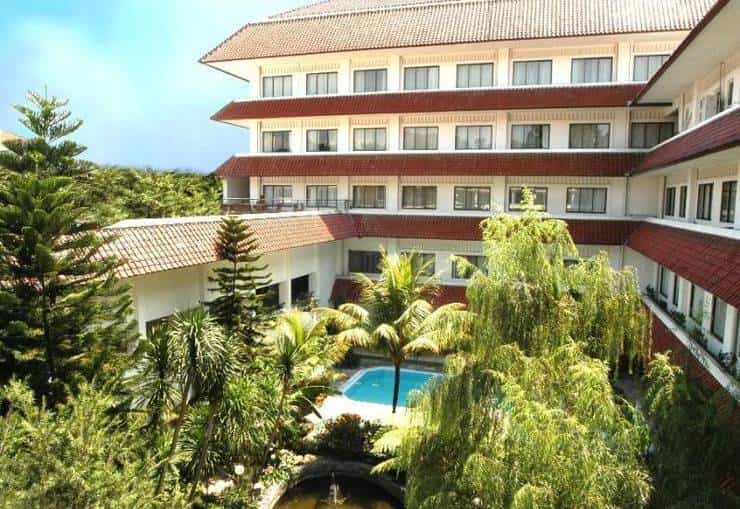
Over the decades, Hotel Salak has continued to evolve, striving to balance its historical character with the demands of contemporary hospitality. It now boasts 140 well-appointed rooms and 16 meeting spaces, catering to a diverse range of guests, from international tourists and business travelers to those seeking a unique cultural experience. The rooms themselves are designed to offer a sense of nostalgic elegance, complemented by modern amenities that ensure a comfortable and convenient stay.
Strategic Location and Proximity to Bogor’s Treasures
Hotel Salak The Heritage’s prime location at Jalan Ir. H. Juanda Nomor 8, Bogor, places it at the nexus of natural beauty and cultural significance. The cool, refreshing mountain air of Bogor provides a serene backdrop, while the hotel’s proximity to iconic landmarks enhances its appeal. Guests are mere steps away from the majestic Taman Nasional Halimun Salak, a haven for biodiversity, just 520 meters from the hotel. The historic Istana Bogor, a presidential palace with a rich past, is also within easy reach at 550 meters.
Further enriching the guest experience, the Museum Zoologi, a repository of Indonesia’s diverse fauna, is located 630 meters away, offering an educational journey into the natural world. Perhaps most famously, the Bogor Botanical Gardens (Kebun Raya Bogor), a world-renowned botanical research center and a breathtaking horticultural display, lies a mere 710 meters from the hotel. This unparalleled access to such significant sites allows guests to immerse themselves in the natural and historical wonders of Bogor, making Hotel Salak The Heritage an ideal base for exploration.
A Wealth of Amenities: Comfort, Leisure, and Connectivity
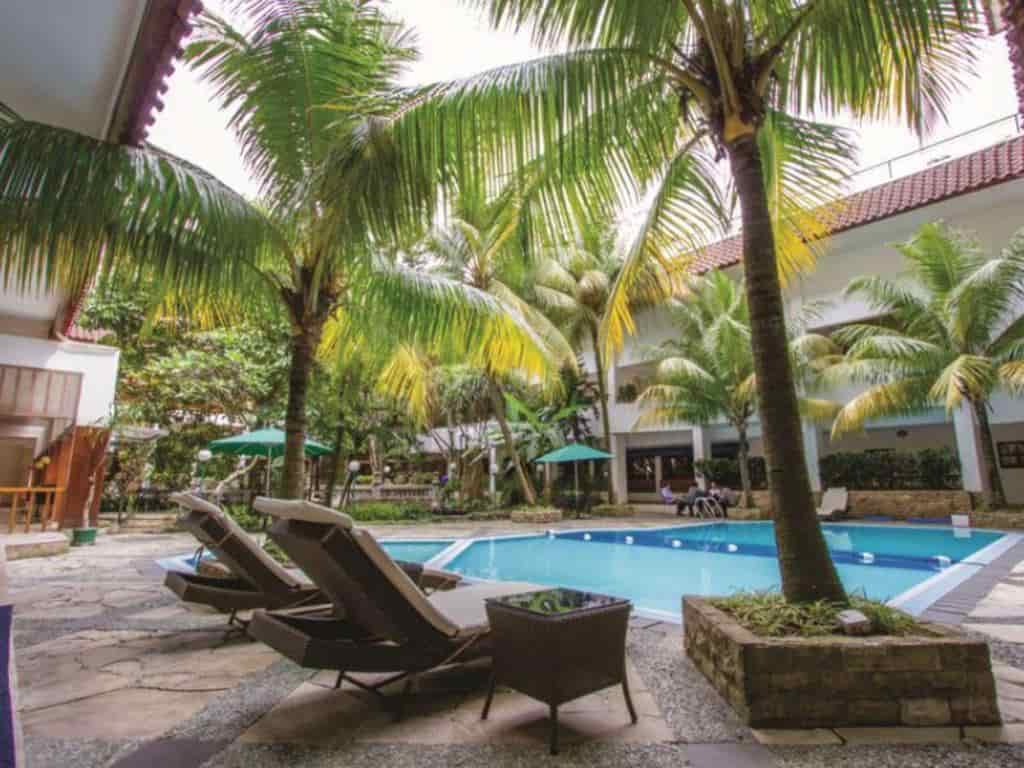
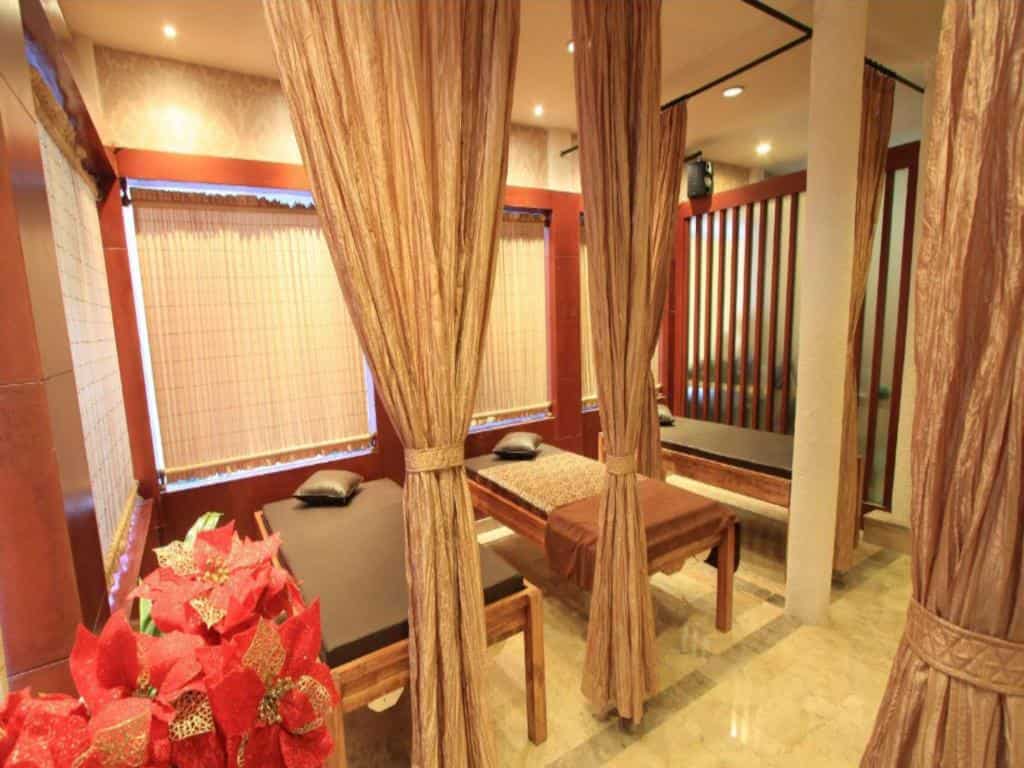
Beyond its historical charm and strategic location, Hotel Salak The Heritage distinguishes itself through its comprehensive array of facilities designed to cater to every guest’s needs. The hotel offers a diverse range of leisure options, ensuring that downtime is as engaging as exploring the surrounding attractions. Guests can maintain their fitness routines at the well-equipped fitness center, indulge in rejuvenating treatments at the spa, or take a refreshing dip in the swimming pool. For those seeking intellectual stimulation or a quiet retreat, a library is available. Entertainment options include karaoke facilities for a lively evening and billiards for a more relaxed form of amusement.
The culinary landscape at Hotel Salak The Heritage is equally impressive, with a variety of dining options to satisfy diverse palates. The hotel features a bar for enjoying expertly crafted drinks, a restaurant offering a range of Indonesian and international cuisines, and a coffee shop perfect for casual meetings or a moment of respite.
Recognizing the needs of travelers arriving from afar, the hotel provides an airport shuttle service, albeit with an additional charge, ensuring a smooth transition from arrival to accommodation. In today’s interconnected world, seamless internet access is paramount, and Hotel Salak The Heritage ensures this with WiFi connectivity throughout the property. The hotel also operates a 24-hour check-in service, offering flexibility and convenience for guests arriving at any time.
A Legacy of Service Excellence: Recognized on the Global Stage
The commitment to exceptional service at Hotel Salak The Heritage has not gone unnoticed. Its dedication to providing a superior guest experience has earned it accolades that extend far beyond the local community. A particularly notable recognition came in 2006 when the hotel received a Certificate of Appreciation from the White House Communications Agency. This prestigious award was bestowed in honor of the hotel’s outstanding service during the state visit of then-U.S. President George W. Bush to Indonesia. Such an acknowledgment underscores the hotel’s capability to host high-profile international dignitaries and maintain world-class service standards.
This commitment to excellence has been a constant thread throughout the hotel’s many name changes and ownership transitions. From its early days as a haven for Dutch officials to its current role as a premier accommodation provider, Hotel Salak The Heritage has consistently prioritized guest satisfaction. This dedication to service, coupled with its unique historical narrative and prime location, solidifies its position as a distinguished landmark in Bogor’s hospitality sector.
Economic and Tourism Implications
The presence of a historical hotel like Hotel Salak The Heritage significantly contributes to Bogor’s tourism appeal and local economy. By preserving and showcasing colonial architecture, it attracts a niche segment of travelers interested in history, culture, and heritage tourism. This type of tourism often leads to longer stays and higher spending, benefiting local businesses, including restaurants, souvenir shops, and transportation providers.
Furthermore, hotels that actively engage with their historical context can become educational hubs, offering guided tours or exhibitions that delve into the building’s past and the broader history of the region. This educational aspect can enrich the visitor experience and foster a deeper appreciation for Indonesia’s complex past. The hotel’s ability to attract international recognition, such as the award from the White House Communications Agency, also enhances Bogor’s profile on the global tourism map, potentially leading to increased visitor numbers from a wider range of countries.
The hotel’s consistent operation and its ability to adapt to modern demands while retaining its historical integrity serve as a model for heritage conservation within the tourism industry. It demonstrates that preserving historical structures can be economically viable and contribute positively to a destination’s appeal, rather than being viewed as an impediment to development.
Future Outlook and Conservation Efforts
The continued success of Hotel Salak The Heritage hinges on a delicate balance between modernization and preservation. As visitor expectations evolve and the demands of the hospitality industry change, the hotel will need to strategically invest in upgrades and renovations. However, any such developments must be undertaken with a deep respect for its historical architecture and character.
Conservation efforts will be crucial to maintaining the authenticity that draws many guests. This might involve collaborating with heritage organizations, employing architectural specialists in restoration, and ensuring that new additions are in harmony with the existing structure. The hotel’s management will likely continue to explore innovative ways to integrate modern technologies and amenities without compromising its historical essence.
Moreover, leveraging its historical narrative through marketing and guest experiences can further solidify its unique selling proposition. Storytelling, perhaps through curated tours, in-room literature, or digital content, can immerse guests in the hotel’s past, creating a more profound connection and memorable stay. By embracing its heritage as a core asset, Hotel Salak The Heritage is well-positioned to remain a significant and cherished destination in Bogor for generations to come, a living testament to the enduring legacy of Dutch colonial architecture and Indonesian hospitality. Its story is not just about bricks and mortar, but about the layers of history, culture, and human experience that have unfolded within its walls.