Tata Titiana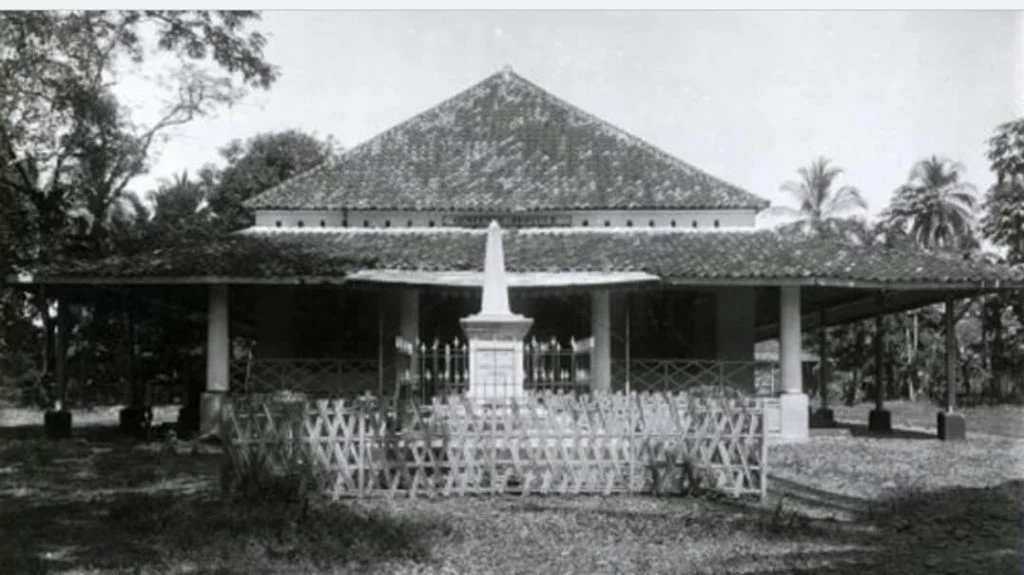
The city of Depok, now a municipality within West Java province, boasts a history far richer and more complex than its current administrative status might suggest. Before its formal establishment as a city on April 27, 1999, Depok was merely a district under the Kabupaten Bogor. What remains largely unknown is that this region once operated as an independent state, complete with its own president as head of both government and state. This article delves into the fascinating and often overlooked history of Depok, tracing its evolution from a private estate to a self-governing entity that predates the modern Indonesian nation.
The Genesis of a Private Domain: Cornelis Chastelein’s Vision
The story of Depok’s unique past begins in the late 17th century with Cornelis Chastelein, a prosperous Dutch merchant. Chastelein acquired a significant tract of land in Depok, spanning 12.44 square kilometers, for a sum of 2.4 million Dutch guilders. Crucially, this land was designated as "partikelir," meaning it was private property and not under the direct administrative control of the Dutch East Indies government. This distinction would prove pivotal in the subsequent development of Depok. By the 18th century, Depok had evolved into an administrative territory with its own "gemeente bestuur," or civil government, with Chastelein himself serving as its first ruler and founder.
At the time of Chastelein’s acquisition, the Depok region was largely undeveloped wilderness. Through the labor of his enslaved people, who hailed from diverse ethnic backgrounds across the archipelago, Chastelein systematically cleared the dense forests to cultivate agricultural land. The extent of this private domain was substantial, encompassing not only the present-day Depok area but also extending to Pasar Minggu in South Jakarta and Gambir in Central Jakarta. The initial inhabitants of this burgeoning territory were the very enslaved individuals who toiled to transform the wilderness into a productive estate.
Establishing Governance: The Rise of Depok’s "Gemeente Bestuur"
Chastelein, a devout Catholic, held a philanthropic vision for his estate and its inhabitants. Prior to his death on June 28, 1714, he drafted a will that was remarkably progressive for its era. He bequeathed his land, houses, livestock, and agricultural tools to his enslaved people, granting them their freedom upon his passing. To ensure an orderly transition and prevent potential conflicts over succession and resources, Chastelein appointed Jarong van Bali to oversee and manage the affairs of the newly freed population.

However, the freed slaves, having experienced the foresight and organization of Chastelein, harbored concerns about potential power struggles after Jarong van Bali’s leadership concluded. To preemptively address this, they collectively agreed to implement a democratic system for selecting their leader. This led to the establishment of a unique governance structure where a president was elected democratically every three years. This system, conceptualized by a Batavia-based lawyer, was officially implemented in 1913, marking a significant milestone in Depok’s journey toward self-governance. The governmental framework, known as "Het Gemeente Bestuur van Het Particuliere Land Depok," was a testament to the community’s desire for order and representation.
The Presidential Era: A Unique Experiment in Self-Rule
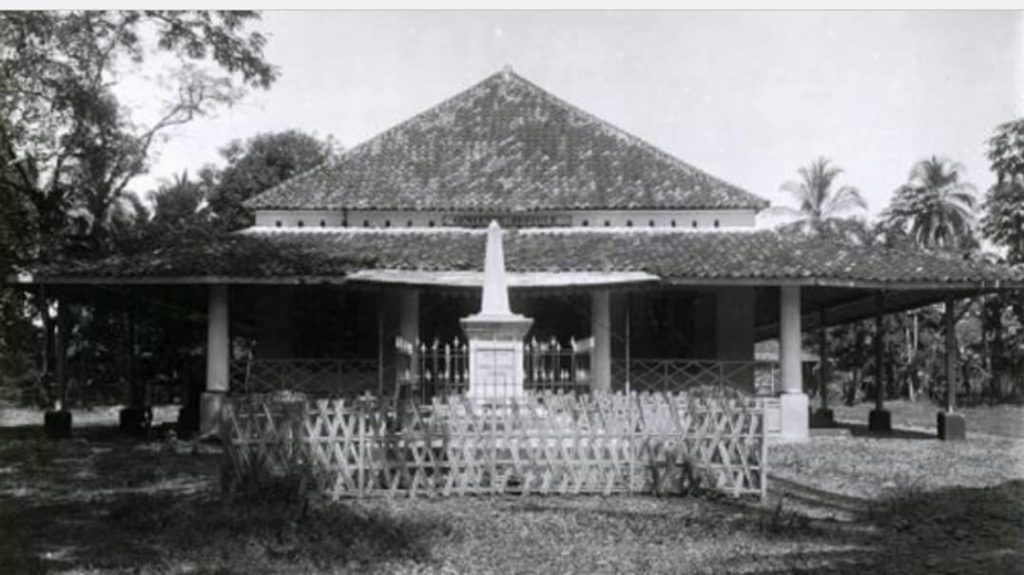
The year 1913 marked the inauguration of Depok’s first president, Gerrit Jonathans. Under this system, the president served as the head of state and government, elected by the populace for a three-year term. The administrative center of this unique republic was located at the Kilometer 0 point, famously marked by the Depok Monument. Adjacent to this central point stood the former government building, which today houses the Harapan Hospital.
Following Gerrit Jonathans, three other individuals held the presidential office, each serving their respective terms: Martinus Laurens (1921), Leonardus Leander (1930), and Johannes Matjis Jonathans (1952). Despite the existence of these presidencies and the governmental structure, detailed historical records documenting the specific achievements or challenges of each president’s tenure are scarce, leaving many aspects of their administrations shrouded in historical ambiguity.
A Timeline of Depok’s Unique Governance:
- Late 17th Century: Cornelis Chastelein purchases the Depok land, establishing it as a private estate ("partikelir").
- 18th Century: Depok develops an administrative structure with a "gemeente bestuur" (civil government) under Chastelein.
- June 28, 1714: Cornelis Chastelein dies, leaving his estate and freedom to his enslaved people. Jarong van Bali is appointed to oversee the community.
- Early 20th Century: Following concerns about leadership succession, the community adopts a democratic system for electing a president.
- 1913: The "Het Gemeente Bestuur van Het Particuliere Land Depok" is officially established, and Gerrit Jonathans becomes the first president.
- 1921: Martinus Laurens assumes the presidency.
- 1930: Leonardus Leander becomes president.
- 1952: Johannes Matjis Jonathans, the last president of Depok, oversees the handover of the private land to the Indonesian government.
- April 27, 1999: Depok is officially established as a municipality (kotamadya) within West Java province.
From Private Land to National Integration: The Act of Handover
The unique status of Depok as a self-governing entity eventually concluded in 1952. Johannes Matjis Jonathans, the last president, formally handed over the "partikelir" land of Depok to the Indonesian government through a deed of transfer. This act marked the end of Depok’s independent existence and its integration into the broader administrative framework of Indonesia.
While Depok as a municipality is a relatively young entity, celebrating only 22 years of its current status, its historical trajectory extends back over three centuries. The period of its existence as a self-governing "state" under its own elected president represents a remarkable chapter in Indonesian history, a time when a community, born from the legacy of a benevolent landowner and the labor of those he freed, managed its own affairs democratically. This independent period, in essence, saw Depok achieve a form of self-determination long before the wider Indonesian archipelago formally declared its independence.
Broader Implications and Historical Significance
The history of Depok offers a compelling case study in early forms of self-governance and community organization within the colonial context of the Dutch East Indies. Chastelein’s legacy, rooted in both economic enterprise and a sense of humanitarian responsibility, fostered an environment where his former bondspeople could establish a structured, democratic society. The establishment of "Het Gemeente Bestuur van Het Particuliere Land Depok" demonstrates an indigenous response to governance challenges, predating many formal democratic institutions that would emerge later in Indonesian history.
The story also highlights the complex and often overlapping layers of authority that existed during the Dutch colonial era. The existence of private lands with their own administrative structures, operating alongside the official Dutch East Indies government, underscores the fragmented nature of colonial rule and the varied trajectories of development within different regions.
The eventual handover of Depok to the Indonesian government in 1952 symbolizes the consolidation of national sovereignty and the integration of formerly distinct territories into a unified nation. While the formal administrative structure of Depok has evolved, its historical legacy as a self-governing entity remains a significant part of its identity. This rich history provides valuable insights into the diverse paths taken by communities in shaping their own destinies, even within the overarching structures of colonial power. It serves as a reminder that the narrative of Indonesian history is not monolithic but is composed of countless local stories, each contributing to the vibrant tapestry of the nation’s past and present.