Nila Kartika Wati
The Manggarai District Prosecutor’s Office (Kejari Manggarai) has officially announced its decision to file an appeal against the acquittal of Yohanes Flori, an indigenous farmer from Ngkiong Dora Village, East Manggarai Regency, East Nusa Tenggara (NTT). The move follows a landmark ruling by the Ruteng District Court (PN Ruteng) on April 10, 2026, which cleared Flori of all charges related to alleged illegal logging and forest destruction. The decision to appeal has ignited a firestorm of legal debate and criticism from human rights advocates, who argue that the prosecution is disregarding the newly enacted Criminal Procedure Code (KUHAP) and perpetuating the systemic criminalization of indigenous communities.
Cakra Perwira, the Head of Intelligence at Kejari Manggarai, confirmed the legal move, asserting that the prosecution is acting within its rights under the Indonesian legal framework. Perwira stated that the appeal is grounded in the current interpretation of the law, specifically arguing that while certain types of acquittals might limit cassation efforts, the prosecution believes an appeal remains a viable legal avenue under their reading of the procedural code. This stance, however, stands in direct opposition to the arguments presented by Flori’s legal defense team and various civil society organizations.
The Verdict and the Rights of the Accused
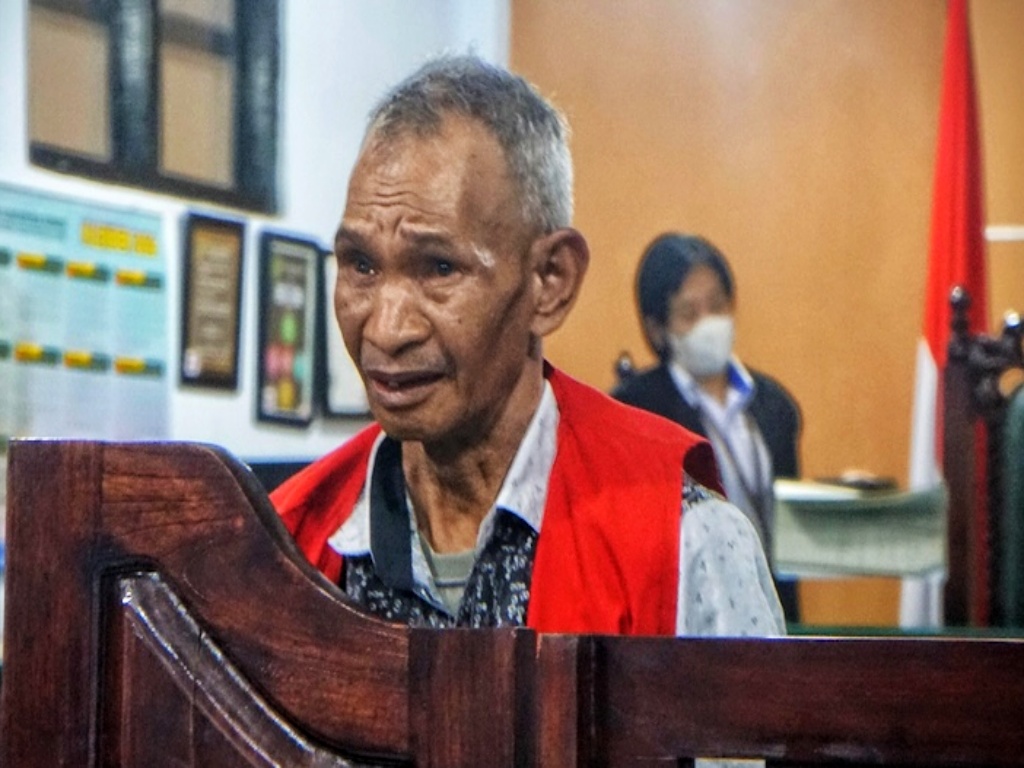
The case against Yohanes Flori began in late 2025, leading to his detention on December 17, 2025. For nearly four months, the farmer remained behind bars as the state attempted to prove that he had committed environmental crimes within a designated state forest area. However, in the final sentencing session held on Friday, April 10, 2026, the panel of judges at PN Ruteng delivered a resounding "not guilty" verdict. The court found that the prosecution had failed to provide "valid and convincing evidence" that Flori had committed the criminal acts as charged.
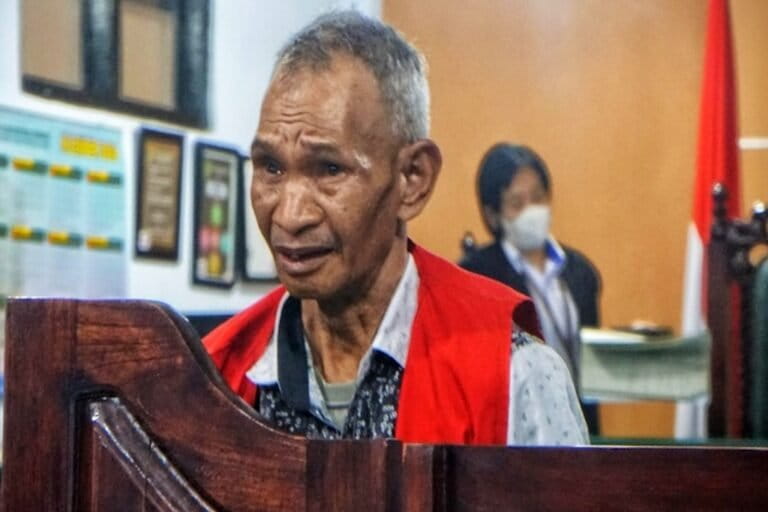
In a move to address the damage caused by the months of detention, the presiding judge ordered the full restoration of Flori’s rights, status, and dignity. The court also ruled that the costs of the trial be borne by the state. The acquittal was initially hailed as a victory for indigenous land rights, as it appeared to acknowledge the historical and ancestral claims of the Gendang Lando-Lawi indigenous community to which Flori belongs. The subsequent decision by the prosecutor to challenge this verdict has therefore been viewed by many as a step backward for judicial consistency.
Chronology of the Legal Conflict
The legal odyssey of Yohanes Flori is emblematic of the broader tensions between state-imposed conservation boundaries and ancestral land management. The following timeline outlines the key stages of the case:
- December 17, 2025: Yohanes Flori is arrested and detained by authorities on charges of encroaching upon state forest land and illegal logging.
- January – March 2026: The trial proceeds under Case Number 5/pid.Sus-LH/2026/PN Ruteng. During the proceedings, the defense argues that the land in question is part of the "Gendang Lando-Lawi" ancestral forest, not state-owned property.
- April 10, 2026: PN Ruteng issues a "Putusan Bebas" (full acquittal). The court orders Flori’s immediate release, citing a lack of evidence regarding the illegality of his actions.
- Late April 2026: Kejari Manggarai receives the full court transcript and formally notifies the court of its intent to appeal to the High Court.
- Present: Legal experts and indigenous rights groups, led by the Alliance of Indigenous Peoples of the Archipelago (AMAN), launch a formal protest against the prosecution’s interpretation of the 2025 KUHAP.
Procedural Anomalies and the New KUHAP
The primary point of contention regarding the appeal lies in the application of Law Number 20 of 2025 concerning the Criminal Procedure Code (KUHAP). Maximilianus Herson Loi, Flori’s lead counsel and the Executive Chairman of AMAN Nusa Bunga, has publicly criticized the prosecution for what he describes as a blatant violation of the new law. According to Loi, the 2025 KUHAP was designed to provide legal certainty and prevent the prolonged victimization of individuals who have been cleared of charges by a court of law.
Loi points specifically to Article 244, paragraphs (4) and (5) of the new code. He explains that the law draws a sharp distinction between a "Putusan Bebas" (acquittal because the crime was not proven) and a "Putusan Lepas" (dismissal because the act was proven but was not a criminal offense). Under the 2025 framework, Loi argues, an acquittal is final and cannot be the subject of an appeal or cassation.
"What kind of legal breakthrough is this where Law Number 20 of 2025 is being violated by the very law enforcement officers who should be upholding it?" Loi questioned. He emphasized that the trial was conducted under the jurisdiction of the new KUHAP, and therefore, the prosecution must remain consistent with that framework. The defense team has since petitioned the Deputy Attorney General for Supervision (Jamwas) and the Prosecution Commission to investigate the conduct of the prosecutors in this case, calling the appeal a "bad precedent" for the Indonesian justice system.
Environmental Advocacy and the Rights-Based Approach
The Wahana Lingkungan Hidup (WALHI) of East Nusa Tenggara has also weighed in, expressing deep regret over the prosecution’s persistence. Horiana Yolanda Haki, a staff member of WALHI NTT’s Advocacy Division, noted that the initial court decision had already considered the facts of the case through the lens of human rights and social justice. She argued that the prosecution’s failure to accept the verdict demonstrates a lack of understanding regarding the complex socio-ecological context of NTT.
Haki highlighted that the state’s conservation claims often ignore the "social function" of forest areas and the historical relationship indigenous peoples have with their land. By labeling indigenous management as "illegal," the state effectively makes these communities "unauthorized" within their own ancestral homes. This, she argues, contradicts the mandate of environmental management, which should integrate ecological needs with social realities.
"In the context of human rights, this situation relates directly to the right to land, the right to adequate housing, and the right to maintain a way of life," Haki stated. She further invoked the international principle of Free, Prior, and Informed Consent (FPIC), asserting that any policy affecting indigenous territories must involve their consent from the outset. In Flori’s case, the state prioritized a repressive, punitive approach over dialogue and structural resolution.
The Shadow of Constitutional Court Decision No. 35
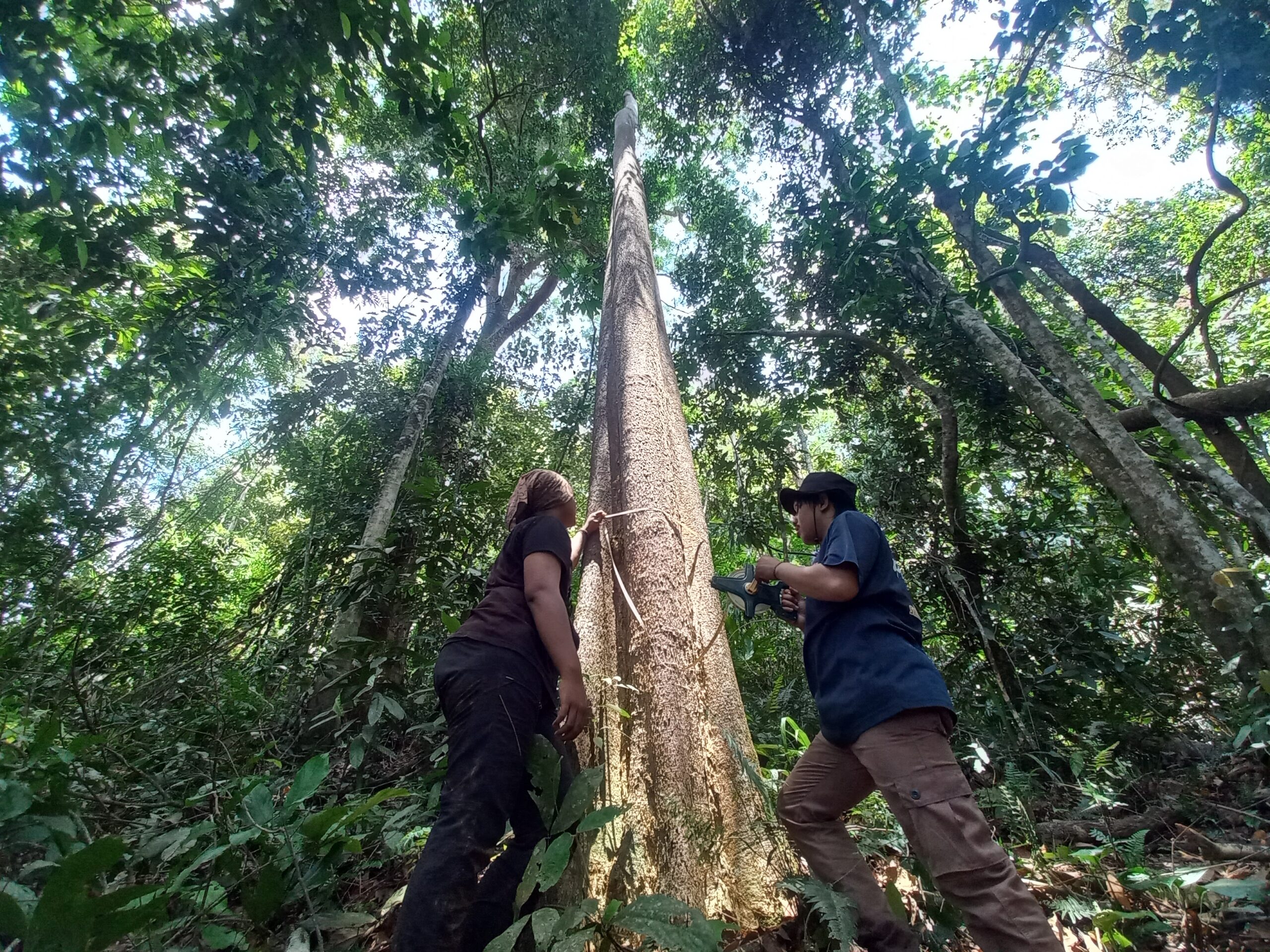
Central to the defense of indigenous farmers in Indonesia is the landmark Constitutional Court Decision Number 35/PUU-X/2012 (MK 35). This ruling fundamentally altered the legal landscape by declaring that "Customary Forests are not State Forests." This decision was meant to shift the state’s role from absolute control to "conditional recognition" of indigenous territories.
However, the implementation of MK 35 has been slow. Many regions, including Manggarai, have yet to complete the participatory identification, verification, and boundary-setting of customary lands. WALHI argues that as long as these boundaries are not "clear and clean," any attempt by the state to enforce criminal law against indigenous farmers is premature and legally flawed. The prosecution of Yohanes Flori is seen as an attempt to enforce state claims over a territory that is still legally contested under the constitutional framework.
Agrarian Reform and Structural Violence
The Consortium for Agrarian Reform (KPA) in NTT views the acquittal of Flori not just as an individual victory, but as a necessary correction to the nation’s forestry management. Honorarius Quintus Ebang, the Coordinator of KPA NTT, warned that continuing the appeal constitutes a form of "legalized criminalization."
The impact of such legal battles extends far beyond the courtroom. Flori’s months of detention resulted in a total loss of livelihood, the neglect of his family, and a lasting social stigma. KPA refers to this as "structural violence"—a form of harm inflicted by state institutions through the imposition of administrative boundaries over lived realities.
"This case shows how state law often stands in diametrical opposition to customary law," Ebang explained. "When state claims are forced without recognizing the history of community tenure, what occurs is not law enforcement, but land grabbing through legal means." He noted that many "state forests" were created administratively in Jakarta without any field verification, suddenly turning ancient villages, farms, and ritual sites into "illegal zones."
Implications for Future Jurisprudence
The outcome of this appeal will likely set a major precedent for how the 2025 KUHAP is applied across Indonesia, particularly in cases involving natural resources and indigenous rights. If the High Court allows the appeal to proceed despite the restrictive language of the new procedural code, it could undermine the legislative intent of the 2025 reform, which sought to limit the state’s power to perpetually pursue individuals once they have been acquitted.
Furthermore, the case highlights the urgent need for the Indonesian government to accelerate the recognition of indigenous territories. Without a formal map of customary forests, farmers like Yohanes Flori will continue to find themselves at the mercy of shifting prosecutorial interpretations. The international community and domestic observers are now watching closely to see if the Indonesian judiciary will uphold the spirit of the new KUHAP or allow a return to the era of unchecked state appeals against acquittals.
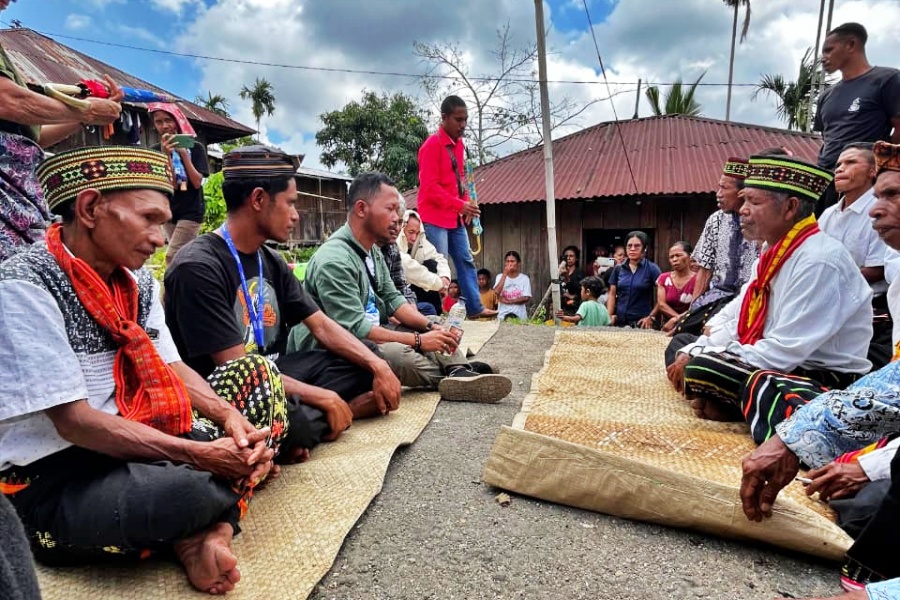
As the legal documents are prepared for the High Court, the Gendang Lando-Lawi community remains in a state of uncertainty. While Flori has returned to his village and was welcomed with traditional ceremonies by the elders, the threat of further legal action hangs over his head, serving as a reminder of the fragile state of indigenous land rights in the modern era.