Lina Irawan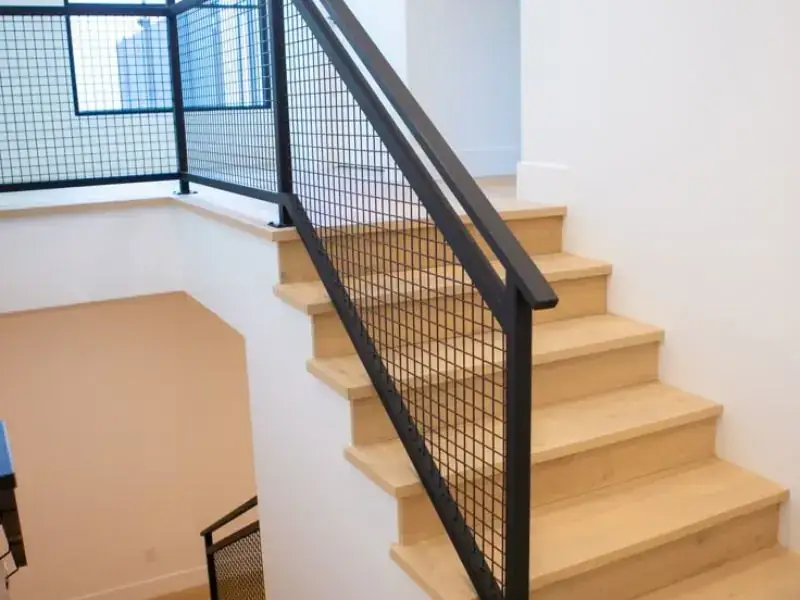
The current market rate for hollow iron staircase railing fabrication, encompassing a complete "receive-and-install" service, ranges from IDR 450,000 to IDR 950,000 per linear meter. This comprehensive price typically includes the cost of raw iron materials, fabrication labor, anti-rust coating application, and on-site installation. This pricing structure reflects the dynamic interplay of material specifications, design complexity, finishing treatments, and installation methods, all crucial factors for homeowners and developers embarking on interior or exterior renovation projects.
The lower end of this spectrum, around IDR 450,000, generally applies to straightforward minimalist designs utilizing standard black hollow iron. As specifications improve, such as opting for galvanized hollow iron which offers superior weather resistance, prices tend to climb past IDR 750,000 per meter. The premium segment, reaching IDR 950,000 or even higher, is typically reserved for advanced finishing techniques like powder coating, intricate custom designs, or specialized material combinations. These figures are derived from standard welding workshop rates, highlighting the importance of transparency from vendors who should meticulously itemize cost allocations based on precise technical specifications. A thorough understanding of these per-meter costs is paramount for consumers to avoid potential pitfalls, such as deceptively low offers (e.g., below IDR 300,000) that often compromise on material thickness and overall safety, potentially leading to dangerous structural instability.
The Foundation: Material Choices and Structural Integrity
Material expenditure constitutes the largest portion of the overall budget for railing fabrication. Hollow iron, with its distinctive rectangular profile, remains a favored choice for modern interior aesthetics due to its versatility and relatively affordable price point. However, the specific type and gauge of iron plating selected can significantly alter the final project cost and, more importantly, the railing’s durability and safety.
Hollow Black Steel vs. Galvanized Hollow Iron: A Durability Trade-off
Hollow black steel, or "black steel," represents the most economical option available in material stores. Its surface is characterized by a dark carbon layer, and it is typically the material used when vendors offer prices below IDR 500,000 per meter. While cost-effective, its primary drawback is its susceptibility to rust. In environments prone to humidity or moisture, such as certain staircase areas or outdoor installations, black steel railings require more diligent maintenance and a robust anti-rust treatment to prevent premature degradation.
For enhanced longevity and resistance to environmental factors, industry experts strongly recommend upgrading to galvanized hollow iron. This silver-colored iron variant features a factory-applied zinc coating that provides an inherent barrier against corrosion. The galvanization process, which typically involves hot-dipping the steel in molten zinc, creates a metallurgical bond that offers superior protection compared to surface-level paint. This upgrade from black hollow steel to galvanized hollow iron usually incurs an additional cost of approximately IDR 100,000 to IDR 150,000 per linear meter, an investment that significantly extends the railing’s lifespan and reduces long-term maintenance needs.
The Critical Role of Plate Thickness in Safety and Durability

The thickness of the iron plate is a critical specification that directly impacts the railing’s structural integrity and safety. Unscrupulous fabricators may exploit consumer unfamiliarity by using thinner plates to reduce costs, as a 0.8 mm thick 40×40 mm iron bar visually resembles a 1.6 mm thick bar. However, their load-bearing capacity and resistance to impact differ dramatically.
For internal vertical bars (jeruji), a minimum plate thickness of 1.2 mm is considered safe. For the main supporting posts (tiang penopang utama) and handrails, which bear significant weight and pressure, a minimum thickness of 1.6 mm is essential to ensure stability and prevent deformation under adult weight. Offers with unusually low prices should raise immediate suspicion, as they might indicate the use of plates thinner than 1.0 mm. Such thin iron is not only structurally weak but also highly prone to burning through or warping during the welding process, leading to compromised joints and an unsafe structure. Upgrading the specification to a robust 1.6 mm thick iron typically increases the overall fabrication cost by about 20%, a justifiable expense for safety and peace of mind.
Optimizing Dimensions: Main Posts and Vertical Bars
The dimensions of the iron bars also play a role in both the aesthetic and cost of the railing. Standard minimalist railing configurations commonly employ 40×40 mm hollow iron for the handrail and main vertical posts. The intermediate vertical bars (jeruji) typically use smaller dimensions, such as 20×40 mm or 20×20 mm, to create a visually lighter structure while maintaining security.
For homeowners desiring a more substantial or prominent look for their main posts, increasing their size to 50×50 mm is an option. Given the increased material volume and weight, this enhancement can add approximately IDR 50,000 to IDR 80,000 per linear meter to the total cost. To ensure adherence to agreed-upon specifications and prevent potential misrepresentation, it is imperative for clients to insist that vendors explicitly detail the thickness and dimensions of all iron components in the order documentation, rather than accepting vague terms like "Standard Hollow Iron."
Beyond the Base: Finishing and Aesthetics
The chosen coating method is pivotal in determining the railing’s resistance to rust-inducing oxidation and its overall aesthetic appeal. These finishing processes vary significantly in terms of material quality, chemical composition, application complexity, and curing time.
Standard Synthetic Paint: The Economical Choice
The most budget-friendly finishing option is standard synthetic paint, typically thinned with a solvent. Fabricators usually apply a base coat of zinc chromate primer, which offers basic anti-corrosion properties, before applying the main color. This type of paint finish is characteristic of railing packages priced between IDR 450,000 and IDR 550,000 per meter. Synthetic paint offers ease of re-application, allowing homeowners to repaint with new colors relatively simply. However, its surface is relatively susceptible to scratches from hard objects, and its drying time can be comparatively slow.

Upgrade to Duco (Polyurethane) Paint: A Smoother, More Durable Finish
For a flawlessly smooth finish devoid of visible texture, Duco paint, which is polyurethane (PU) based, is the preferred choice. This process involves meticulous preparation, where welding joints and surface imperfections are filled with epoxy putty to create an even substrate before the main color is sprayed. Polyurethane coatings are significantly more resistant to scratches and abrasion than synthetic paints and can be customized to achieve either a matte (doff) or glossy finish, offering superior aesthetic versatility.
The application of Duco paint typically adds an extra IDR 150,000 to IDR 200,000 per linear meter to the cost. This premium is largely due to the higher cost of the specialized hardener component in the polyurethane mixture, which is essential for its enhanced durability and quick curing properties.
The Ultimate Protection: Powder Coating
Powder coating represents the pinnacle of railing finishes, offering unparalleled durability and aesthetic quality. Unlike liquid paints, this method involves electrostatically applying a dry powder (a mixture of finely ground polymer resins, pigments, and curing agents) to the metal surface. The coated item is then cured in a high-temperature oven, causing the powder to melt and fuse into a smooth, thick, and highly durable plastic-like layer.
This fused layer adheres exceptionally strongly to the metal, providing superior resistance to impact, chipping, scratching, and fading. It is virtually impossible for the coating to peel off naturally. The process requires specialized industrial equipment, including large curing ovens, which necessitates outsourcing to dedicated facilities. Consequently, powder coating significantly increases the cost, typically ranging from IDR 850,000 to over IDR 1,000,000 per linear meter, making it the most expensive but also the most robust and long-lasting option.
Craftsmanship and Design: The Art of Fabrication
The intricacy of the railing design directly influences labor costs, as welding workshops factor in the time and skill required for cutting, shaping, and joining metal components. More complex designs demand greater precision, specialized tools, and extended fabrication time, leading to higher tariffs.
Minimalist Straight Designs: Efficiency and Economy

Straight vertical or horizontal bar configurations represent the most economical design choice. Their uniform cutting requirements and straightforward 90-degree angular joints minimize fabrication time and complexity. While horizontal bars consume slightly less material and can be cheaper, they pose a safety concern, as their ladder-like structure can be easily climbed by young children. These simple, straight designs typically form the baseline price of IDR 450,000 per meter.
Intricate Designs: Mesh, Laser-Cut, and Wooden Handrails
For homes embracing an industrial aesthetic, the incorporation of expanded metal mesh (jaring) within the railing frame is a popular choice. The process of precisely cutting the mesh and meticulously smoothing its often sharp edges is labor-intensive and time-consuming. This design variant usually commands a price range of IDR 600,000 to IDR 750,000 per linear meter.
Even more specialized are railings featuring laser-cut metal plates, where intricate patterns are precisely cut into solid iron sheets. The cost for these designs is determined by the complexity of the pattern, often reaching well over a million rupiah per linear meter due to the high-tech machinery and specialized programming required.
Adding a touch of warmth and elegance, the top handrail can be replaced with solid wood, such as Kamper, Merbau, or Teak. This option involves collaboration with a wood craftsman to plane, shape, and finish the wood with a clear melamine coating. This mixed-material approach typically incurs an additional cost of approximately IDR 250,000 to IDR 450,000 per linear meter, reflecting the cost of specialized labor and premium timber.
The Final Touch: Professional Installation
The secure installation of the railing structure onto ceramic or concrete flooring is a crucial final step that requires significant effort and precision. Reputable welding workshops typically include the cost of material delivery and wall/floor drilling in their per-meter package price.
Standard Dynabolt Installation
The most common method for floor mounting involves welding a base plate to the bottom of the railing posts. This plate is then drilled into the floor and securely fastened using expansion bolts, commonly known as dynabolts. This installation method is usually included in the standard package. Clients should ensure that the installers use adequately long dynabolts, typically 10 mm to 12 mm in length, to guarantee a strong and reliable anchor.

Enhanced Security: Chemical Anchor Installation
For situations where the concrete floor is brittle, or the ceramic tiles are prone to cracking, traditional dynabolts may risk pulling out or damaging the substrate. In such cases, chemical anchors offer a superior and more permanent solution. This method involves injecting a specialized chemical adhesive (epoxy or polyester resin) into drilled holes before inserting the anchor bolt. The chemical hardens, creating an exceptionally strong, permanent bond between the bolt and the concrete structure, significantly enhancing the railing’s stability and resistance to pull-out forces. Chemical anchors are considered an additional cost, with each anchor point typically costing between IDR 50,000 and IDR 100,000. This is a critical investment for ensuring long-term safety, especially in high-traffic areas or where structural integrity is paramount.
Navigating the Market: Understanding Quotes and Avoiding Pitfalls
The measurement for staircase railings is consistently calculated in linear meters (meter lari), following the ascending slope of the steps or the horizontal length of a balcony, rather than square meters of floor area.
Calculating Your Project Cost
For instance, if your staircase has an ascending section of 4 meters and a balcony area requiring railing of 2 meters, the total required railing length is 6 linear meters. If you agree with a vendor on a price of IDR 700,000 per meter for galvanized material and a Duco paint finish, the total project cost would be 6 meters multiplied by IDR 700,000, amounting to IDR 4,200,000.
Decoding Vendor Quotations: The Importance of Transparency
A valid price quotation from a vendor should never merely state a total lump sum. It must meticulously detail the type of material, specific dimensions of the iron bars (e.g., 40×40 mm, 1.6 mm thickness), and the exact type of paint or coating to be applied. This detailed breakdown serves as a crucial contractual document, safeguarding your interests should the delivered materials or workmanship not align with the initial agreement. Industry experts advise clients to scrutinize these details rigorously.
Expert Insights and Consumer Empowerment

Are main posts included in the per-meter price?
Yes, the comprehensive per-meter price typically covers the cost of main iron posts and the necessary floor bolts. Separate charges only apply if you request posts with intricate custom carvings, oversized dimensions, or premium decorative elements.
What is a secure payment system for workshops?
A standard and secure payment structure involves an initial down payment (DP) of approximately 30% to 40% of the total cost. This initial sum covers the workshop’s material procurement. A second payment milestone is typically reached when the raw, unfinished railing structure is delivered to your premises for fitting. The remaining balance should only be settled upon the complete and satisfactory installation of the railing, ensuring it is sturdy, level, and free from any structural instability. This phased payment approach protects both the client and the vendor.
Can I only pay for labor services?
Absolutely. Many clients opt to purchase their own iron bars and paint supplies from material stores. In such cases, the welding workshop will only charge for the cutting, welding, and installation services. Labor-only rates typically range from IDR 150,000 to IDR 250,000 per linear meter, offering a cost-saving option for those willing to manage material sourcing.
Are curved staircase railings significantly more expensive?
Yes, railings designed to follow a circular or curved staircase can be up to twice as expensive as straight designs. Bending hollow iron without creating unsightly wrinkles or deformations requires specialized machinery (such as rolling machines) and highly skilled technicians. This intricate process is time-consuming, often spanning several days, which directly contributes to the substantial increase in fabrication costs.
In conclusion, investing in a staircase railing is not merely a matter of aesthetic enhancement but also a critical safety consideration. Understanding the nuanced factors influencing the cost, from material choices and thickness to finishing techniques and design complexity, empowers consumers to make informed decisions. By insisting on detailed quotations, prioritizing safety standards, and engaging with reputable fabricators, homeowners can ensure their railing investment delivers lasting beauty, structural integrity, and peace of mind for years to come.