Azin Asro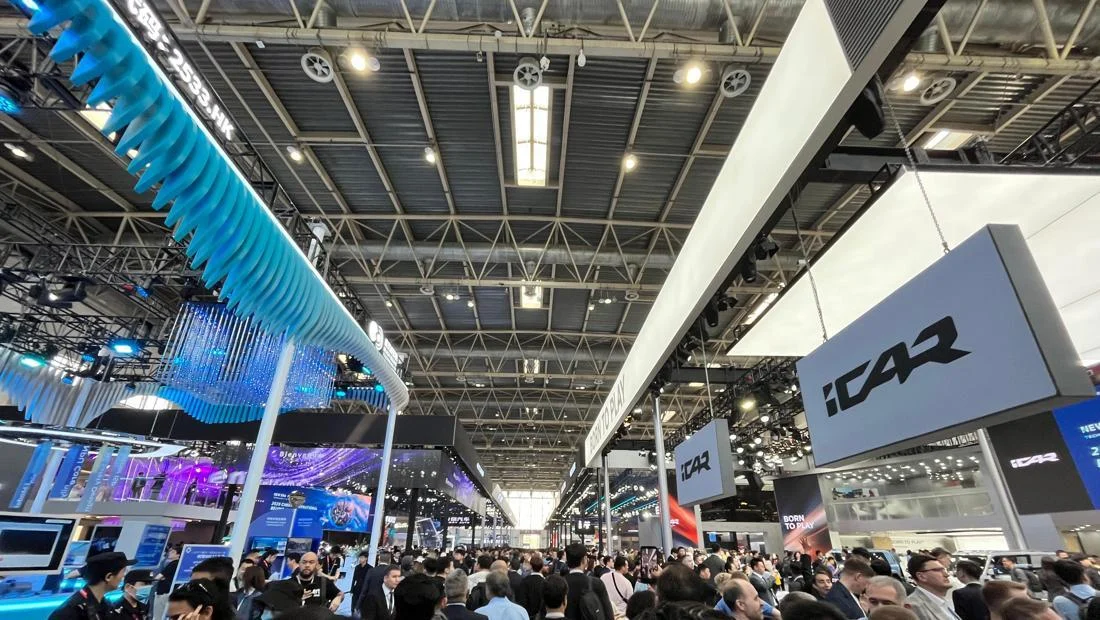
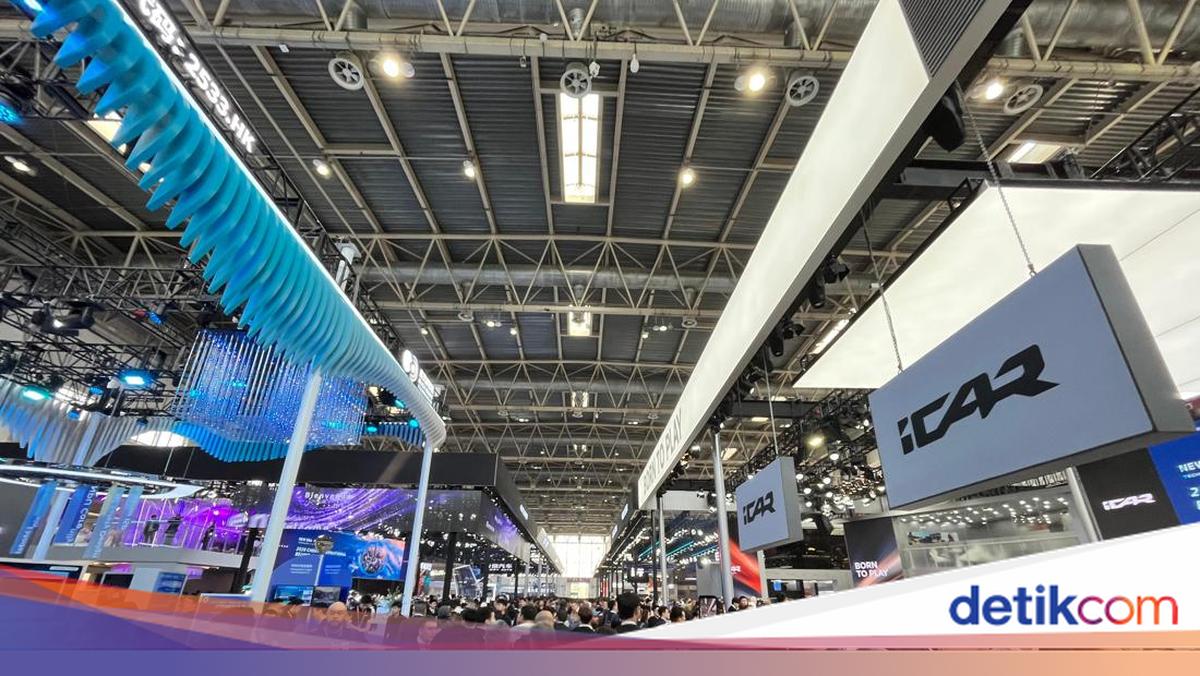
The global automotive landscape witnessed a historic shift as the Beijing International Automotive Exhibition, widely known as the Beijing Auto Show 2026, officially concluded on May 3, 2026. After a rigorous and high-octane 10-day run, the event solidified its position as the preeminent gathering for the industry, shattering previous records with a staggering 1.28 million visitors. This unprecedented footfall confirms the exhibition as the largest of its kind in the world, not only in terms of physical scale but also in its influence on the future of mobility. The 2026 edition has been characterized by industry experts as a "watershed moment," where the transition from traditional internal combustion engines to intelligent, electrified platforms moved from a projected future to an absolute present-day reality.
A Massive Logistical Triumph: Scale and Venue
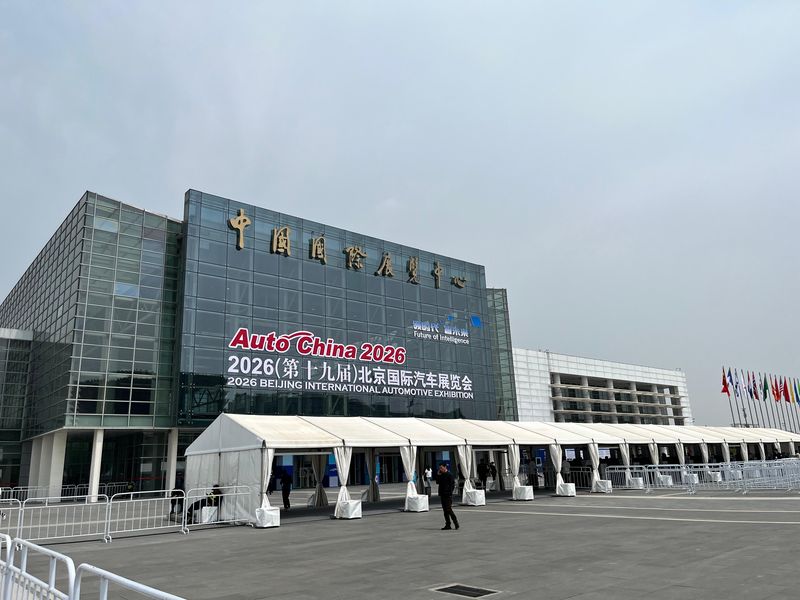
The sheer magnitude of the Beijing Auto Show 2026 required a dual-venue strategy to accommodate the massive influx of exhibitors and attendees. Held simultaneously at the China International Exhibition Centre (Shunyi Hall) and the Capital International Exhibition Centre (Chaoyang Hall), the event spanned a colossal 380,000 square meters. To put this in perspective, the exhibition area utilized 17 massive indoor halls, making it the most expansive automotive stage in history. This logistical feat allowed for the display of 1,451 vehicles, a number that reflects the intense competition and rapid product cycles currently defining the Chinese and global markets.
Of the vehicles on display, the event hosted 181 global debuts, a clear indicator that multinational automakers now prioritize Beijing over traditional venues like Geneva, Detroit, or Frankfurt for their most significant announcements. Furthermore, 71 concept cars were unveiled, providing a window into the design languages and technological capabilities expected to hit the roads by the end of the decade. The presence of these prototypes highlights a shift toward "software-defined vehicles," where aesthetics are increasingly integrated with functional sensor arrays for autonomous driving.
Chronology of the 10-Day Event
The exhibition followed a meticulously planned timeline designed to maximize media exposure and business networking before opening to the general public.
- Media Days (April 24–25): The show kicked off with two intensive days dedicated to the press. A total of 219 press conferences were held in rapid succession. During this period, CEOs of major global corporations and rising domestic tech giants shared the stage, outlining their visions for 2030.
- Trade and Industry Days (April 26–27): These days focused on business-to-business (B2B) interactions. Over 50 industry forums and business matchmaking meetings took place, involving parts suppliers, software developers, and venture capitalists.
- Public Access (April 28 – May 3): The doors opened to the general public, drawing massive crowds from across China and the world. Despite the high volume of visitors, digital ticketing and AI-driven crowd management systems ensured a streamlined experience across both exhibition centers.
Electrification 2.0: Beyond the Thousand-Kilometer Range
While previous years focused on the feasibility of Electric Vehicles (EVs), the 2026 show centered on the "Second Wave of Electrification." The technology on display suggested that the primary barriers to EV adoption—range anxiety and charging times—have been effectively dismantled.
A major highlight of the technical displays was the introduction of next-generation battery architectures. Several manufacturers showcased battery packs with energy densities exceeding 400 Wh/kg. These advancements have enabled production-ready vehicles to claim driving ranges of up to 1,500 kilometers on a single charge under standardized testing conditions. Perhaps more impressive than total range was the breakthrough in charging speeds. New 800V and 1000V high-voltage platforms demonstrated the ability to add 400 kilometers of range in less than 10 minutes.
Furthermore, the show addressed the challenge of "cold weather performance," a traditional weakness for lithium-ion batteries. New thermal management systems and semi-solid-state chemistries were debuted, proving that EVs can now maintain high efficiency and rapid charging capabilities even in extreme temperatures as low as minus 30 degrees Celsius. This specific advancement is expected to accelerate EV adoption in Northern Europe, Canada, and Northern China.
The Intelligence Revolution: L3 Autonomy and AI Integration
The Beijing Auto Show 2026 marked the definitive arrival of Level 3 (L3) autonomous driving as a standard feature rather than a luxury experimental add-on. Many brands showcased "Mapless" navigation systems that rely on advanced computer vision and real-time AI processing rather than pre-loaded high-definition maps.
Key technological trends in this sector included:
- Multimodal AI Integration: Cars are no longer just transportation devices; they have become mobile AI assistants. Using Large Language Models (LLMs), vehicles can now understand complex voice commands, recognize driver fatigue through biometric sensors, and even engage in proactive maintenance scheduling.
- LiDAR Democratization: Previously reserved for flagship models costing over $100,000, LiDAR (Light Detection and Ranging) sensors were seen integrated into mid-range vehicles aimed at the mass market.
- Centralized Computing: The shift from hundreds of small Electronic Control Units (ECUs) to a single "superbrain" platform was evident across almost all major debuts. This allows for over-the-air (OTA) updates that can improve vehicle performance and safety features long after the car has left the dealership.
The High-End Market: The 20 Million Yuan Supercar
In a move that stunned the global luxury segment, BYD’s high-end sub-brand, Yangwang, confirmed the final pricing and specifications for its flagship electric supercar, the Yangwang U9 Xtreme. Priced at 20 million yuan (approximately $2.7 million USD), it stands as the most expensive and technologically advanced model ever produced by the group.
The U9 Xtreme serves as a "halo car," demonstrating that Chinese manufacturers can compete with—and in some cases, surpass—traditional European marques in the ultra-luxury and high-performance categories. With a quad-motor setup delivering over 1,600 horsepower and a revolutionary active suspension system that allows the car to "dance" or drive on three wheels in emergencies, it represents the pinnacle of current automotive engineering.
International Participation and Global Influence
The Beijing Auto Show has evolved into a truly international summit. This year, the event attracted 65,000 overseas visitors, including high-level delegations from European and American automakers who attended to study the "China Speed" of development. The media presence was equally massive, with 32,000 representatives, including 4,125 international journalists from over 40 countries.
Participants came from 21 different countries and regions, representing a diverse mix of traditional OEMs (Original Equipment Manufacturers), tech giants like Xiaomi and Huawei, and specialized Tier-1 suppliers. This cross-pollination of industries—where a smartphone company’s booth is as crowded as a century-old German automaker’s—defines the current era of the "Smart Mobility" ecosystem.
Industry Reactions and Strategic Implications
Industry analysts at the event noted that the 2026 show confirms China’s role not just as the world’s largest market, but as its primary R&D hub. "The innovations we are seeing here in Beijing are no longer localized trends," stated an industry analyst from a leading global consultancy. "The battery tech and AI integration showcased this week will set the standard for what consumers in London, New York, and Tokyo will expect in their vehicles by 2028."
Official statements from various automotive associations highlighted the "cooperative competition" that defined the event. While domestic Chinese brands continue to gain market share through aggressive pricing and rapid iteration, international brands have responded by forming deep-tech partnerships with Chinese firms. The show hosted numerous signing ceremonies for joint ventures focused on software development and battery supply chains, suggesting a more integrated global automotive economy.
Broader Impact and Future Outlook
As the curtains fall on the Beijing Auto Show 2026, the implications for the global economy are profound. The shift toward electrification is now irreversible, backed by massive infrastructure investments and genuine technological breakthroughs. The record-breaking attendance figures suggest that public enthusiasm for automobiles remains at an all-time high, provided those vehicles offer more than just transportation.
The success of the show also underscores the resilience of the global supply chain. Despite geopolitical tensions, the 21-country participation demonstrates that the automotive industry remains a globalized endeavor. For legacy automakers, the message from Beijing is clear: the pace of innovation has accelerated. To survive, companies must transition from being "hardware manufacturers" to "technology providers."
Ultimately, the Beijing Auto Show 2026 will be remembered as the event where the "car of the future" became the "car of today." With 1.28 million people witnessing the birth of new energy paradigms and autonomous systems, the road ahead for the global automotive industry is now firmly illuminated by the innovations debuted in the halls of Beijing. The focus now shifts to the 2027 cycle, where the industry will look to see how these concept cars and prototype batteries translate into the hands of consumers worldwide.