Nila Kartika Wati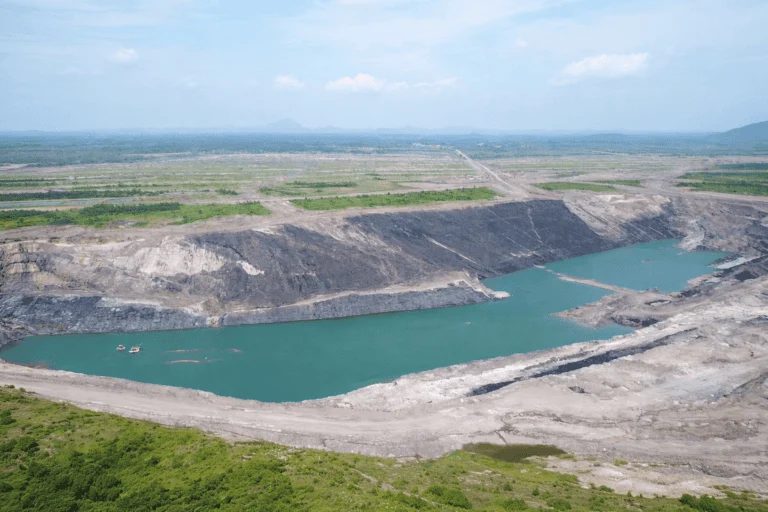
Mulyati, a mother of two residing in South Tangerang, used to manage her household kitchen with a budget of Rp100,000, which would typically cover the ingredients for three full meals. In recent months, however, that same amount has proven insufficient for even a single preparation, as the global energy crisis filters down from international markets to the local grocery stalls. With basic spices and condiments now costing upwards of Rp60,000 before a single piece of protein is even purchased, Mulyati finds herself questioning whether her family’s spending habits have become reckless or if there are larger, more systemic forces at play. Her concerns reflect a growing anxiety among Indonesian families who are increasingly caught between rising domestic prices and the volatile geopolitics of the Middle East, all while the fossil fuel industry continues to report record-breaking profits.
The economic pressure felt by households like Mulyati’s is not an isolated incident but a symptom of Indonesia’s deep-seated vulnerability in energy security. Despite its vast natural resources, the nation remains heavily reliant on the import of fossil fuels, particularly oil and gas. As tensions escalate in the Strait of Hormuz—a critical chokepoint for global oil transportation—the risk of distribution disruptions increases, placing immense pressure on energy import costs, the national currency’s exchange rate, and the overall stability of state finances. When transportation costs surge due to global oil fluctuations, the price of every commodity in the market follows suit, creating a domino effect that hits the most vulnerable populations the hardest.
The Triple Burden: How Households Pay for Fossil Fuels
A comprehensive report titled Out of Pocket, published by the global climate advocacy group 350.org in 2024, sheds light on the multi-layered financial burden that the current fossil fuel-based energy system imposes on the public. According to Sisilia Nurmala Dewi, the Indonesia Country Manager for 350.org, the crisis is far more than a set of abstract statistics; it is a lived reality that disproportionately affects women, fishermen, farmers, and informal workers. The report argues that households are essentially paying for fossil fuels in three distinct "layers."
The first layer is the most visible: direct costs. This includes monthly electricity bills, the price of fuel at the pump, and the inflated cost of consumer goods. Because Indonesia lacks a robust "cushion" or hedging mechanism to protect consumers from global market shocks, every international conflict or embargo translates directly into higher prices at the dining table. Families are left to absorb these costs without any significant buffer, forcing many to cut back on essential nutrition or education expenses.
The second layer involves the use of public funds. The Indonesian government has allocated approximately Rp381 trillion in the 2026 State Budget (APBN) for energy subsidies. While intended to protect the poor, these funds are sourced from taxes that could otherwise be spent on public infrastructure, healthcare, and education. Furthermore, data from the International Monetary Fund (IMF) in 2024 indicates a significant disparity in who benefits from these subsidies. In Indonesia, it is estimated that only 8% of every rupiah spent on fuel or LPG subsidies actually reaches the poorest 20% of households. The remaining 92% is largely consumed by the middle and upper classes who own private vehicles, effectively making the subsidy system a regressive transfer of wealth.
The third and perhaps most devastating layer is the cost of the climate crisis. Decades of fossil fuel combustion have fueled a rise in hydrometeorological disasters, including floods, droughts, and heatwaves. The National Disaster Management Agency (BNPB) recorded 3,116 disasters in 2025 alone, with a significant concentration in Sumatra, where recovery costs are estimated to reach Rp68.67 trillion. These disasters destroy homes, fields, and livelihoods, forcing victims to pay a "climate tax" in the form of reconstruction costs and lost income. Arami Kasih, a disaster survivor from Gayo, Aceh, shared her harrowing experience during a recent discussion in Jakarta, noting that victims must pay triple the price for basic goods while their communities remain in ruins. The government often cites a lack of funds for recovery, leading to the question: if the public pays the price, who reaps the rewards?
Corporate Windfalls Amidst Public Hardship
While ordinary citizens struggle to balance their budgets, the global fossil fuel industry is experiencing a period of unprecedented financial gain. The Out of Pocket report highlights a startling paradox: the same energy price spikes that impoverish households are generating "supernormal" profits for major oil, gas, and coal corporations. Global giants such as BP and TotalEnergies reported billions of dollars in profits in the first quarter of the year, with Chevron and ExxonMobil following a similar trajectory.
Globally, it is estimated that approximately US$12 trillion flows from the public to the fossil fuel industry every year through a combination of direct subsidies and hidden costs, such as health and environmental damages. This figure is nearly 100 times larger than the total global climate finance commitments currently flowing to developing nations. On average, every individual on the planet is effectively paying US$1,400 per year to sustain the fossil fuel industry.
In Indonesia, the situation is mirrored by the domestic extractive sector. Jaya Darmawan, a researcher from the Center of Economic and Law Studies (Celios), points out that many large corporations enjoy "hidden subsidies" through tax expenditures, which are projected to reach Rp143 trillion in 2026. This occurs even as the wealth of the 50 richest individuals in Indonesia is now equivalent to the combined wealth of 55 million of their fellow citizens—wealth largely derived from the extraction of natural resources.
The Case for a Windfall Tax and Fiscal Reform
To address this imbalance, economic experts and civil society groups are calling for the immediate implementation of a "Windfall Tax." This is a temporary tax levied on companies or industries that experience unexpectedly high profits due to external factors rather than improved performance—such as market fluctuations caused by war or global supply chain crises.
Aryo Irhamna, a researcher at the Institute for Development of Economics and Finance (INDEF), argues that a windfall tax is essential for restoring fiscal justice. He notes that Indonesia’s current revenue system for the extractive sector is an outdated relic of the oil and gas era. Today, coal is the primary driver of non-tax state revenue (PNBP), contributing 51.7% in 2024, up from just 9.5% in 2009. However, the existing royalty system, governed by Government Regulation (PP) 18/2025, fails to capture "windfall" profits proportionally. When coal prices increased sixfold, state revenue did not see a corresponding sixfold increase, leaving the surplus in the hands of producers as supernormal profit.
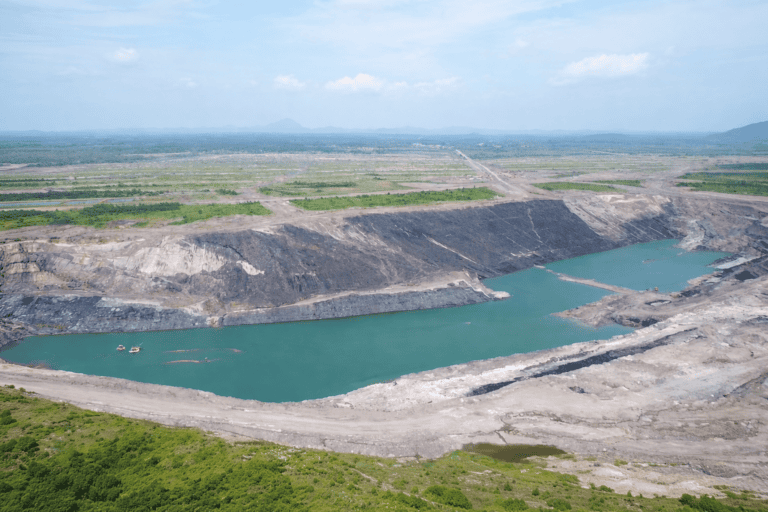
INDEF’s analysis suggests that over the past 12 years, Indonesia has lost approximately Rp592 trillion in potential revenue due to the absence of a windfall capture mechanism. To rectify this, experts propose a two-pronged reform strategy:
- Quick Wins (9–12 Months): Revising PP 18/2025 and PP 19/2025 to make royalty rates more responsive to market conditions. This would also involve creating a Presidential Regulation to allocate revenue from high-price periods into a "stabilization fund" to buffer against future shocks.
- Long-term Structural Reform: The drafting of a Progressive Resource Rent Tax (PRRT) Bill. This would be a permanent, progressive tax on economic rent that remains at zero during low-price periods but activates automatically once profits exceed a defined "normal" threshold.
Strategic Implications and the Energy Transition
The potential revenue from a windfall tax is substantial. Celios estimates that a windfall tax on coal could generate Rp66.03 trillion, while nikel could contribute an additional Rp14.08 trillion. Dwi Wulan Ramadani from Yayasan Cerah emphasizes that these funds should not simply disappear into the general treasury but should be earmarked for two specific purposes: protecting vulnerable households from energy price spikes and accelerating a "just energy transition."
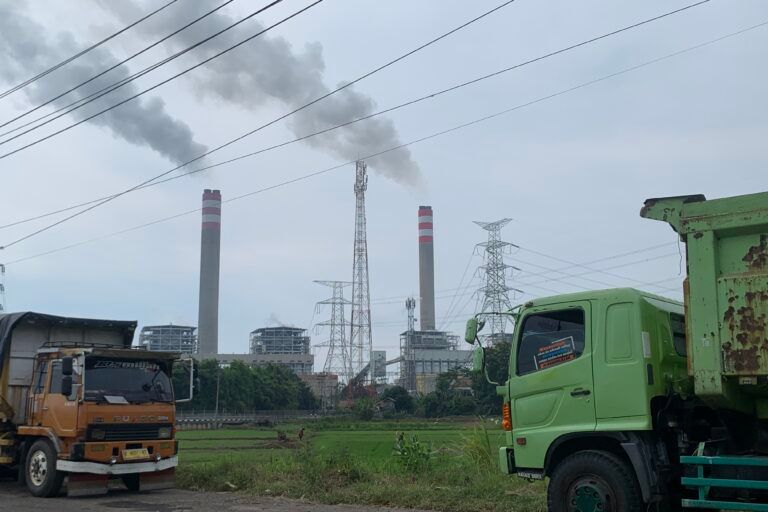
This transition would include funding the early retirement of coal-fired power plants (PLTU), which currently cause significant environmental and health damage to local communities. For instance, the Tanjung Jati B power plant in Jepara has been linked to declining fish catches and coastal abrasion, devastating the livelihoods of local fishermen in Tubanan Village. Revenue from windfall taxes could instead support the development of rooftop solar panels (PLTS), clean energy subsidies for the poor, and expanded access to renewable energy in remote areas.
The Indonesian government has signaled that it is considering these proposals. Finance Minister Purbaya Yudhi Sadewa recently confirmed that plans for export duties and windfall taxes on coal and nickel are currently under discussion between the Ministry of Finance and the Ministry of Energy and Mineral Resources (KESDM). The Minister noted that the resulting revenue would likely be sufficient to cover the increasing costs of energy subsidies in the national budget, thereby reducing the fiscal deficit.
As the #YangMerusakHarusMembayar (Those Who Damage Must Pay) campaign gains momentum, the push for fiscal reform in the energy sector has moved to the forefront of the national policy debate. The central argument remains clear: in times of global crisis, the financial burden should not fall solely on the shoulders of citizens like Mulyati, while the industries responsible for the crisis continue to accumulate unprecedented wealth. The implementation of a windfall tax represents a concrete step toward ensuring that natural resource wealth benefits the many, rather than the few, and provides the necessary capital to build a more resilient and sustainable energy future for Indonesia.