Nila Kartika Wati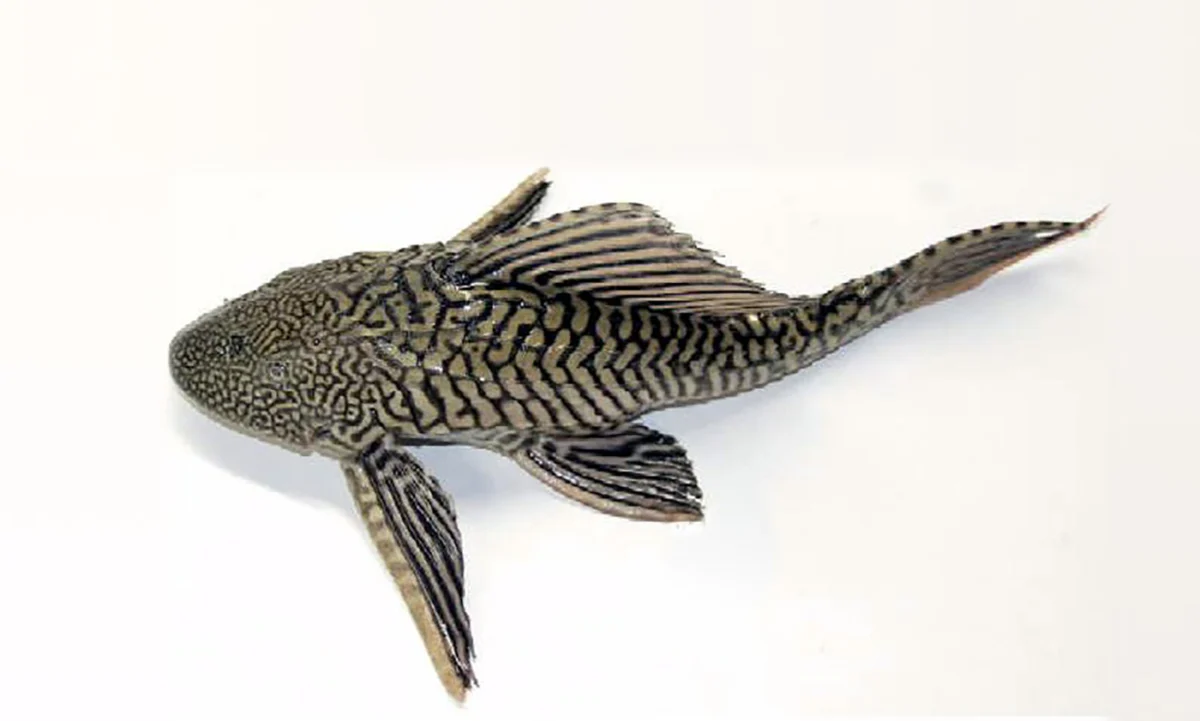
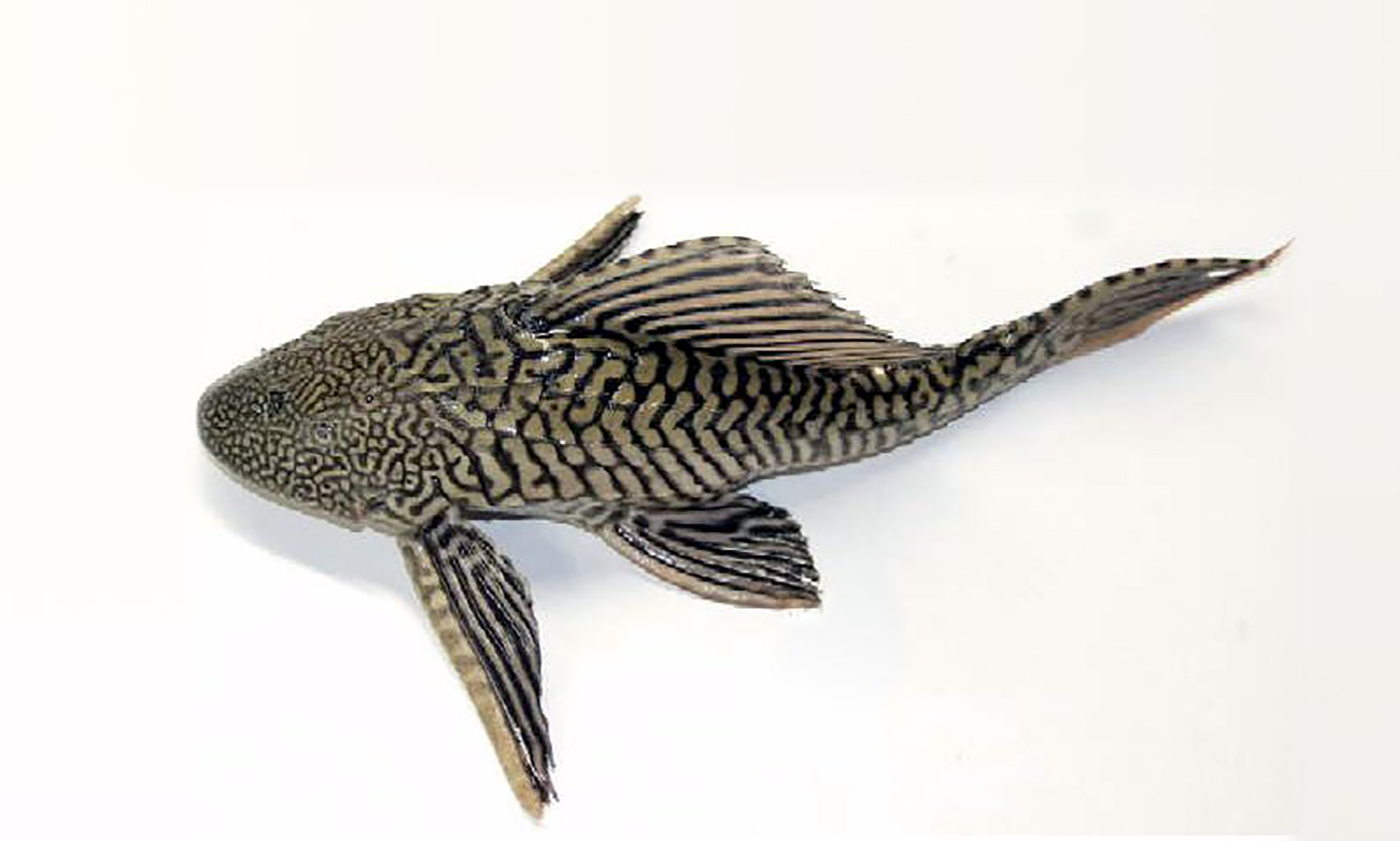
The proliferation of the suckermouth armored catfish, locally known in Indonesia as "ikan sapu-sapu" or broom fish, has reached a critical threshold in the waterways of Jakarta and its surrounding metropolitan areas. In recent months, large-scale efforts to capture and remove these fish from local rivers have intensified as the species has come to dominate the aquatic landscape, effectively displacing native fauna. The overwhelming presence of these fish is not merely a biological anomaly but a stark indicator of the deteriorating health of Indonesia’s urban river systems. While native species struggle to survive in the heavily polluted, low-oxygen waters of the Ciliwung and other urban rivers, the broom fish (Pterygoplichthys spp.) thrives, bolstered by a lack of natural predators and an extraordinary physiological resilience to environmental toxins.
The Genesis of an Invasion: From Amazonian Streams to Jakarta’s Canals
The presence of the broom fish in Indonesia is a relatively recent phenomenon that traces back to the 1970s. Originally native to the Amazon River basin in South America, these fish were introduced to Indonesia through the global ornamental fish trade. During this era, aquarium hobbyists sought out the species for its unique ability to consume algae and detritus from the glass walls of tanks, earning it the nickname "sapu-sapu" (broom) for its "cleaning" behavior.
For decades, the broom fish was a staple of the Indonesian pet industry. However, the very traits that made it a popular aquarium inhabitant—its rapid growth and hardy nature—eventually led to its release into the wild. As the fish outgrew their domestic tanks, many owners, lacking education on the ecological consequences of introducing non-native species, released them into local rivers. Researchers from the National Research and Innovation Agency (BRIN) suggest that in addition to pet abandonment, the species may have entered open waters through unintended consequences of "restocking" programs, where non-native species were mistakenly introduced into lakes and rivers to bolster local fish populations.
By the early 2000s, the population of broom fish exploded across the archipelago. While the species has been recorded across all major islands, recent data indicates that Sulawesi currently hosts the largest population in Indonesia. However, it is in the highly urbanized and polluted rivers of Jakarta where the ecological imbalance is most visible.
Biological Resilience and the Death of Biodiversity
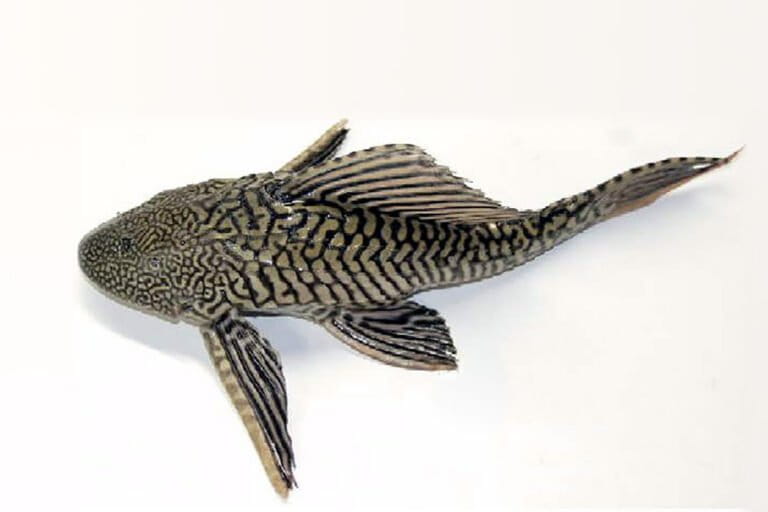
The dominance of the broom fish in Jakarta’s waterways is a direct result of its superior evolutionary adaptations. Unlike native Indonesian fish species, which require relatively clean water and high dissolved oxygen levels to survive, the broom fish is a facultative air-breather. It possesses a modified, highly vascularized stomach that allows it to gulp air from the surface and survive in hypoxic (low-oxygen) environments where other fish would suffocate.
Gema Wahyudewantoro, a researcher at BRIN’s Research Center for Biosystematics and Evolution, notes that studies conducted in Situ Cilodong and Situ Cikaret in Depok revealed startling results. While native fish showed significant gill damage and high mortality rates due to water pollution, the broom fish maintained normal gill function and high activity levels. This resilience allows them to occupy "dead zones" in the river where competition for resources is non-existent.
Furthermore, the broom fish is a prolific breeder. A single female can spawn up to three times a year, with each clutch containing between 3,000 and 5,000 eggs. These fish are also known for their parental care; they dig deep burrows into riverbanks to protect their eggs, a behavior that ensures high survival rates for their offspring but simultaneously causes significant structural damage to the river’s geography.
The Ecological Toll: Erosion, Predation, and Habitat Loss
The environmental impact of the broom fish extends far beyond simple competition for space. Their habit of burrowing into the muddy banks of rivers and lakes to create nesting sites has led to increased sedimentation and the destabilization of riverbanks. In some areas along the Ciliwung River, these burrows have been found extending beneath the foundations of informal riverside settlements, posing a genuine risk of land subsidence and erosion.
Ecologically, the broom fish acts as a subtle but effective predator. While they are primarily detritivores, they are known to consume the eggs of native fish species. By raiding the spawning grounds of local fauna, they prevent the natural recovery of indigenous populations. In the Ciliwung River basin, which historically supported at least 32 species of fish—20 of which were native—the introduction of invasive species like the broom fish has contributed to a sharp decline in biodiversity. Today, the river is dominated by eight alien species and four specifically categorized as invasive, leaving the native fish population in a precarious state.
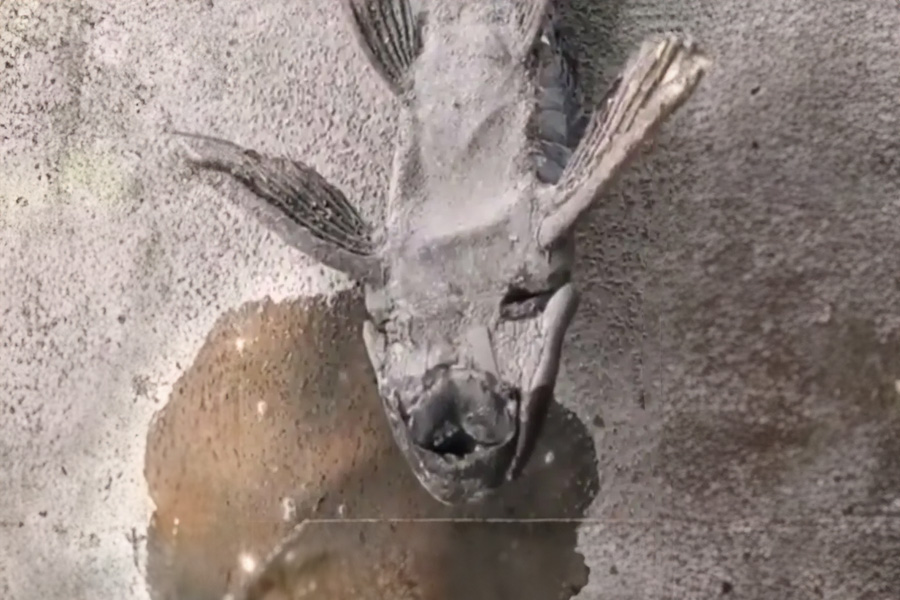
The lack of natural predators in Indonesian urban rivers has removed the final check on the broom fish population. In their native South American habitats, populations are controlled by piranhas, large cichlids, and various reptiles. In Indonesia, the natural predators that could have filled this role—such as monitor lizards, crocodiles, otters, and certain water birds—have largely vanished from urban corridors due to habitat destruction and human encroachment.
Public Health Risks: The Danger of Consumption
As the broom fish population has surged, there have been recurring reports of the fish being harvested for human consumption, often processed into street foods like fish cakes (pempek) or crackers (kerupuk) due to their low cost. However, health experts and researchers have issued stern warnings against this practice.
Rahmi Dina, a researcher from BRIN’s Research Center for Limnology and Water Resources, emphasizes that broom fish caught in polluted urban rivers are biological sponges for toxins. Because they live in the benthic (bottom) zone of the river and consume sediment, they accumulate high levels of heavy metals, including mercury, lead, and cadmium. Analysis of fish taken from the Ciliwung River has also revealed the presence of harmful bacteria such as Salmonella and E. coli, as well as high concentrations of microplastics.
The bioaccumulation of these substances poses a severe long-term health risk to humans, including neurological damage, kidney failure, and increased cancer risks. Consequently, the government has classified the broom fish in these areas as unfit for human consumption, urging the public to view them as a biological hazard rather than a food source.
Regulatory Framework and Management Strategies
The Indonesian government has recognized the threat posed by invasive species through legislative action. Ministry of Marine Affairs and Fisheries (KKP) Regulation No. 19 of 2020 explicitly prohibits the importation, breeding, and distribution of several invasive species, including the broom fish. This regulation aims to curb the further spread of the fish into pristine waterways, particularly in Eastern Indonesia, where regions like Maluku and Papua have yet to report significant infestations.
However, managing the existing population remains a monumental challenge. Experts agree that mass culling through community fishing events is only a short-term "band-aid" solution. For a long-term impact, a multi-pronged approach is required:
- Water Quality Improvement: The most effective way to disadvantage the broom fish is to clean the rivers. Improving oxygen levels and reducing chemical runoff would allow native species to return and compete for resources.
- Habitat Restoration: Replanting riparian zones and restoring the natural flow of rivers would provide the necessary environment for native fish to spawn and thrive.
- Predator Reintroduction: Where feasible, protecting and encouraging the return of natural predators like water monitors (Varanus salvator) and smooth-coated otters could provide a biological control mechanism.
- Public Education: Intensive campaigns are needed to prevent aquarium owners from releasing non-native pets into the wild and to educate the public on the health risks of eating invasive fish.
A Broader Perspective on Invasive Species in Indonesia
The broom fish crisis serves as a cautionary tale for the management of other "alien" species in Indonesia. While some introduced species like tilapia (Oreochromis niloticus) and African catfish (Clarias gariepinus) provide significant economic value through aquaculture, the line between "beneficial alien" and "destructive invasive" is thin and often dictated by environmental health.
The presence of other high-risk families, such as Arapaimidae, Serrasalmidae (piranhas), and Lepisosteidae (alligator gars), in the Indonesian pet trade remains a concern for biosecurity officials. The current struggle with the broom fish highlights the limitations of Indonesia’s early detection and rapid response systems at its borders and points of entry.
Conclusion: The Path Forward for Urban Ecosystems
The "invasion" of the broom fish is a symptom of a much larger ecological ailment. It is the story of an adaptable survivor filling a void created by human neglect and environmental degradation. While the sight of thousands of these armored fish in Jakarta’s canals is unsettling, it provides a unique opportunity for a turning point in urban river management.
Addressing the broom fish problem requires more than just nets and buckets; it requires a fundamental shift in how the city treats its waterways. By focusing on holistic river restoration and strict enforcement of biosecurity laws, Indonesia can move toward a future where its rivers are no longer dominated by a single, hardy invader, but are once again vibrant, biodiverse ecosystems capable of supporting native life and providing safe resources for the communities that live alongside them. The broom fish is a mirror reflecting the state of the environment; cleaning the "broom" from the river ultimately requires cleaning the river itself.