Nila Kartika Wati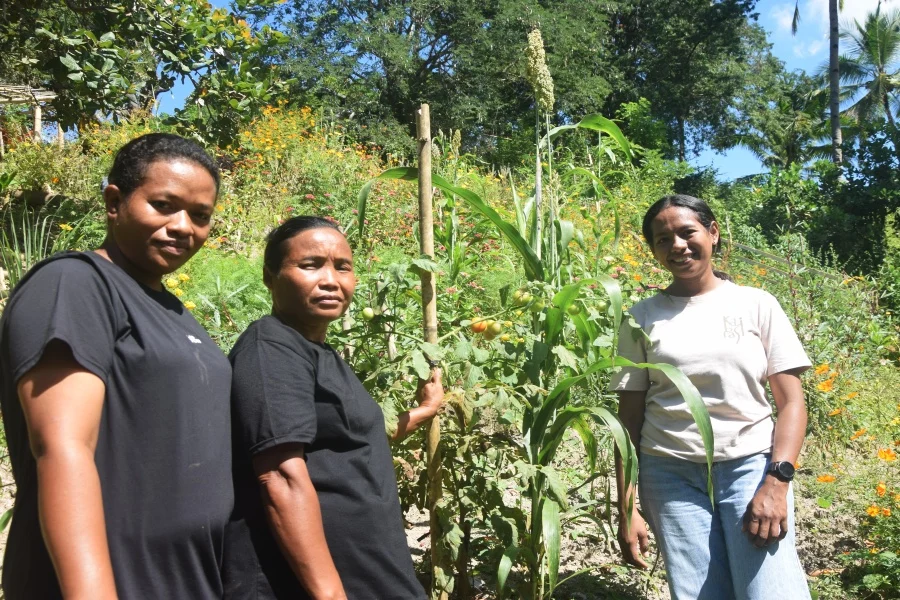
In the rural landscapes of East Nusa Tenggara, specifically within the villages of Watu Galang and Teka Iku, a transformative movement led by women is reshaping the intersection of agriculture, environmental conservation, and economic independence. Bamboo beds now line the edges of ripening rice fields, where a diverse array of horticultural crops flourishes under the care of local women’s collectives. These initiatives, supported by the Environmental Bamboo Foundation (Yayasan Bambu Lingkungan Lestari/YBLL) and Amati Indonesia, represent a strategic shift toward organic food sovereignty in one of Indonesia’s most climate-vulnerable provinces. By integrating traditional knowledge with sustainable modern techniques, these women are not only securing their families’ nutritional needs but are also positioning themselves as the primary guardians of their local ecosystems.
The Rise of the Wela Nara Collective: A Chronology of Success
The journey toward sustainable food security in the village of Watu Galang, located in the Mbeliling District of West Manggarai, began in earnest during the final quarter of 2025. The Wela Nara Women’s Group, a collective of ten dedicated members, embarked on a mission to transform a 200-square-meter plot of land into a high-yield organic sanctuary. Under the guidance of YBLL and Amati Indonesia, the group moved away from chemical-dependent farming, embracing a curriculum focused on soil health and ecological balance.
By May 2026, the results of this transition were undeniable. Monika Udis, the chairperson of the Wela Nara Women’s Group, reported that the collective had successfully completed 12 harvest cycles within a few short months. The garden currently produces a variety of crops, including mustard greens, tomatoes, long beans, carrots, kale, and bok choy. To ensure a steady supply and consistent income, the women meticulously manage their planting schedules so that at least one crop is ready for harvest every single day.
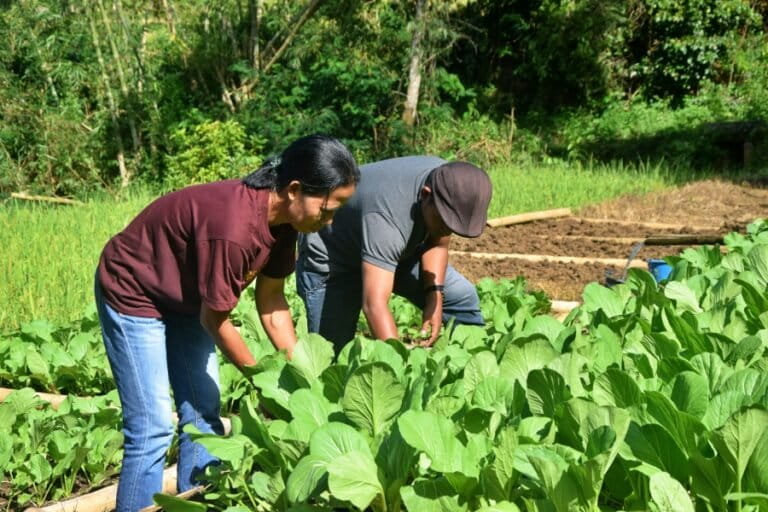
The economic impact has been immediate. The group has already accumulated approximately Rp6,000,000 (roughly USD 380) from surplus sales, after distributing a significant portion of the harvest among the members for household consumption. "The money we earn is being reinvested into the garden to purchase high-quality seeds for the next cycle," Monika explained. This self-sustaining financial model reduces the community’s reliance on external aid and fluctuating market prices for basic produce.
Technical Innovation: Organic Fertilizers and Natural Pest Control
A cornerstone of the success in Watu Galang is the rigorous application of organic farming principles. Vitrudis Eldis Sanakoe, a member of the Wela Nara group, highlighted the group’s commitment to eliminating synthetic inputs. The collective produces its own organic fertilizer by blending burnt rice husks and straw with livestock manure, creating a nutrient-rich compost that improves soil structure and water retention—a critical factor in the dry climate of East Nusa Tenggara (NTT).
Pest management is handled through the production of botanical pesticides. The women utilize locally available ingredients, such as crushed papaya leaves and shallots mixed with water, to deter insects without introducing toxins into the food chain. This method not only preserves the health of the consumers but also protects the local biodiversity, including beneficial insects and soil microorganisms. "We are consistent in using organic methods because they are environmentally friendly, and the products are much healthier for our children to eat," Vitrudis noted.
Overcoming Geographic and Climatic Barriers in Sikka
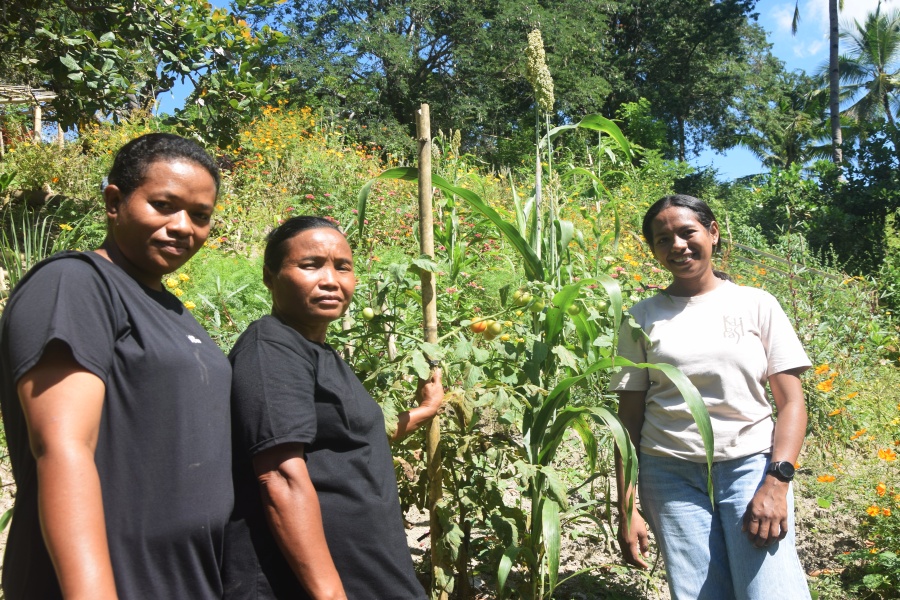
While the Wela Nara group benefits from the reliable Wae Betong spring in the Mbeliling forest, their counterparts in Sikka Regency face much harsher conditions. In Teka Iku Village, Kangae District, the "Kebun Mama Teka Iku" (Mama Teka Iku Garden) collective operates on a 0.5-hectare plot of sandy, sloped land. The terrain, featuring a 30-degree incline, presents significant challenges for traditional irrigation and soil stability.
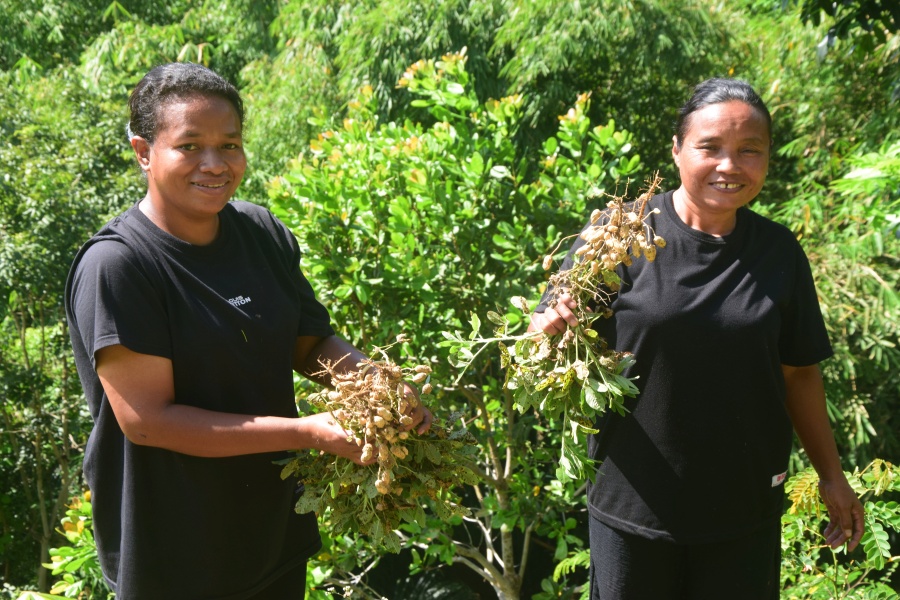
To combat erosion and manage the difficult terrain, the 15 members of the group implemented a bamboo-reinforced terracing system. This structural innovation allows them to cultivate a staggering variety of 18 different crops, ranging from staples like corn, sorghum, and sweet potatoes to cash crops like ginger, papaya, and roselle. Despite starting their planting cycle in mid-December 2025, they were able to conduct a major harvest by March 2026, generating a modest but vital cash reserve of Rp400,000.
The primary hurdle for the Sikka group remains the acute scarcity of water. Unlike Manggarai, where forest springs provide a natural lifeline, Teka Iku residents must often purchase water from commercial tankers at a cost of Rp250,000 per 5,000 liters—a significant expense for rural households. To sustain their garden, the women manually transport water from their homes to the fields, located 300 meters away, using buckets and jerry cans every afternoon.
Social Forestry and the Strategic Role of Bamboo
The efforts in Teka Iku are inextricably linked to Indonesia’s Social Forestry program. On August 3, 2022, the village received a Social Forestry Decree (SK) granting 34 families legal rights to manage 84 hectares of forest land. This legal framework has empowered the community to integrate food production with forest conservation.
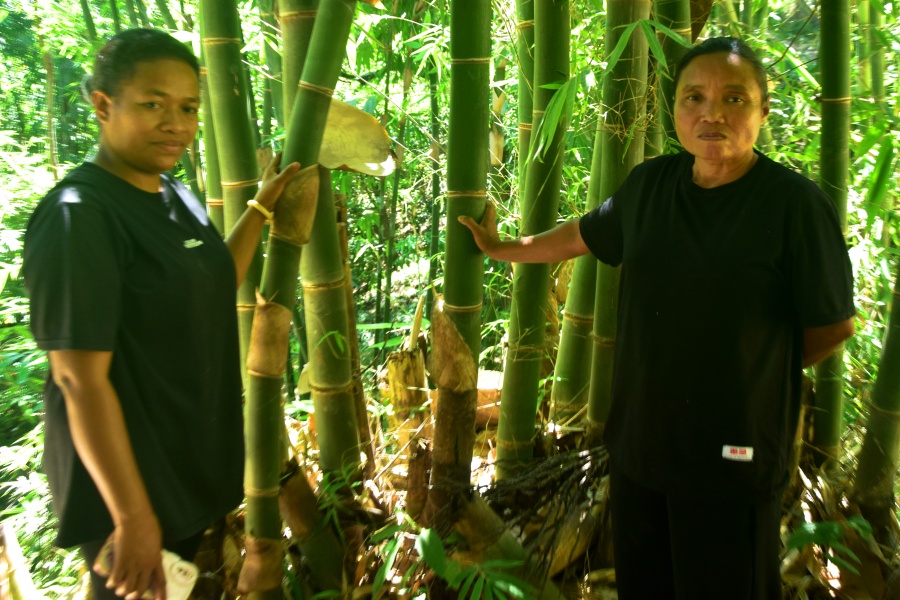
Central to this strategy is the planting of bamboo. In 2021, the Wana Lestari Bambu Forest Farmer Group (KTH), with support from YBLL, planted 1,000 bamboo seedlings near water sources and community gardens. Bamboo is regarded as a "miracle plant" in this context due to its hydrological properties. A single clump of bamboo can store up to 3,900 liters of water during a single rainy season, acting as a natural underground reservoir that can eventually revive dried-up springs.
"We continue to plant bamboo and other trees every rainy season because we do not want to buy clean water forever," said Katarina Dalince, chairperson of the Teka Iku group. Beyond its ecological benefits, bamboo provides a secondary income stream. Mature poles sell for Rp20,000 to Rp25,000 each, while processed bamboo slats (halar) used for traditional wall construction fetch up to Rp50,000 per ten pieces.
Government Response and the Empowerment of Women
The success of these gardens has drawn praise from the highest levels of government. Veronika Tan, the Deputy Minister of Women’s Empowerment and Child Protection (PPPA), emphasized that these gardens serve as a vital platform for female leadership and economic resilience. The collaboration between the Ministry of PPPA, the Ministry of Forestry, YBLL, and Amati Indonesia aims to institutionalize these local successes into a broader national strategy for rural development.
"When women are given access to manage land, the benefits extend beyond the family to the entire environment and future generations," Deputy Minister Tan stated. She noted that the program effectively revives traditional knowledge of local food systems while providing women with the tools to navigate modern economic challenges. Furthermore, the practice of mothers bringing their children to the gardens acts as an informal educational setting, passing down values of environmental stewardship and food sovereignty to the next generation.
Analysis of Implications and Future Outlook
The "Kebun Pangan" (Food Garden) model in NTT offers a blueprint for climate adaptation in arid regions. By focusing on organic horticulture and bamboo conservation, these communities are addressing several United Nations Sustainable Development Goals (SDGs) simultaneously, including Zero Hunger (SDG 2), Gender Equality (SDG 5), and Climate Action (SDG 13).
However, for these initiatives to reach their full potential, several systemic issues must be addressed. As Katarina Dalince pointed out, there is a pressing need for better market access and post-harvest processing technology. While the groups have successfully produced raw goods like candlenut oil, they lack the infrastructure to scale up production and reach wider markets.
The Environmental Bamboo Foundation (YBLL) is already looking toward the future. Monika Tahandaru, Chairperson of YBLL, revealed plans to build a biomass power plant next year that will utilize bamboo waste. This move would transform bamboo from a conservation tool into a source of renewable energy for rural villages, further diversifying the local economy. "Bamboo is not just about timber; it is about carbon sequestration, climate mitigation, and eventually, clean energy," Tahandaru explained.
As the women of Manggarai Barat and Sikka continue to tend their gardens, their work serves as a testament to the power of community-led conservation. In the face of a changing climate and economic uncertainty, the humble bamboo bed and the organic tomato vine have become symbols of a more resilient and self-sufficient East Nusa Tenggara. The transition from subsistence farming to managed, sustainable agroforestry marks a significant milestone in Indonesia’s journey toward a greener and more equitable future.