Nila Kartika Wati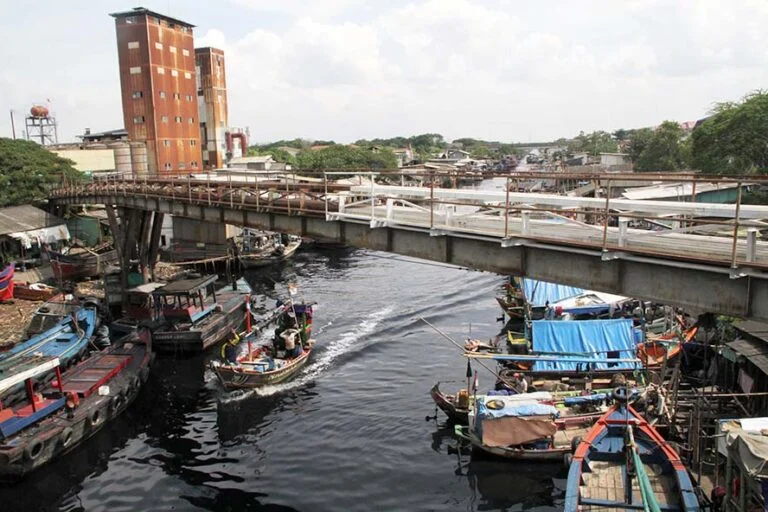
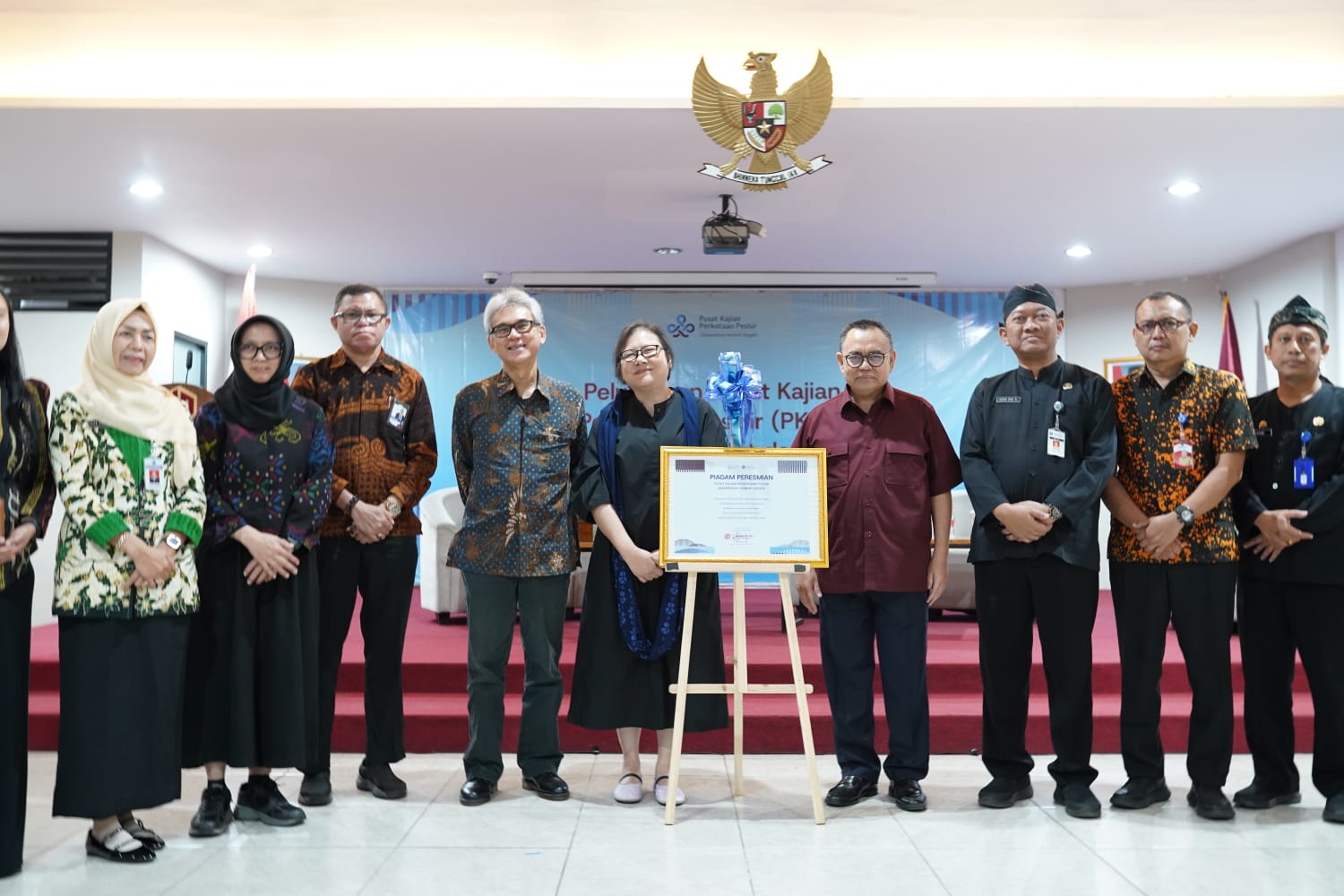
The city of Tegal, situated on the vulnerable northern coast of Central Java, has taken a significant step toward addressing the existential threats posed by the climate crisis with the official launch of the Coastal Urban Research Center (Pusat Kajian Perkotaan Pesisir or PKPP). Established in April through a strategic partnership between Universitas Harkat Negeri (UHN) Tegal and the Rujak Center for Urban Studies, this new institution is designed to serve as a specialized hub for addressing the multifaceted challenges facing Indonesia’s coastal regions. The center arrives at a critical juncture as rising sea levels, land subsidence, and rapid urbanization converge to threaten the livelihoods of millions of residents along the Indonesian archipelago.
The launch ceremony, held in late April at the UHN campus, was attended by a diverse group of stakeholders, including academics, government officials, and urban planning practitioners. Sudirman Said, the Rector of UHN and former Minister of Energy and Mineral Resources under President Joko Widodo, emphasized during his keynote address that the establishment of the PKPP serves two primary strategic purposes: the mitigation of ecological degradation and the revitalization of coastal economies through a lens of local culture and sustainability. Said noted that Tegal, as a prominent "secondary city" in Indonesia, provides a unique and vital laboratory for research that can be replicated in other coastal urban centers both domestically and internationally.
A Strategic Hub for Climate Adaptation and Policy Innovation
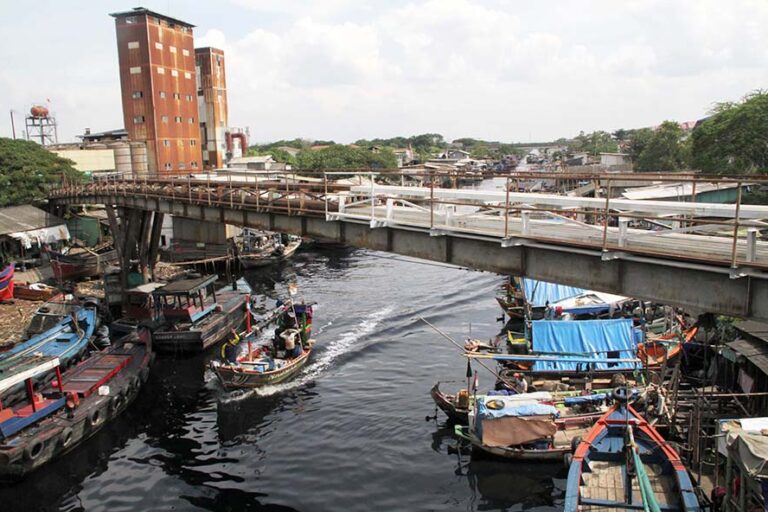
The PKPP is envisioned as more than a traditional academic department; it is intended to function as a collaborative platform where government policy, scientific research, and community practice intersect. By acting as a "knowledge hub," the center aims to produce data-driven, contextual, and measurable solutions that can inform local and national policy. The urgency of this mission is underscored by the intensifying impacts of climate change, which manifest in the form of unpredictable weather patterns, disrupted marine ecosystems, and increasingly frequent tidal flooding, known locally as "rob."
According to Sudirman Said, the complexities of coastal management require a shift away from siloed decision-making toward an integrated approach that considers everything from urban drainage planning to the preservation of informal economic structures. The center’s research output is expected to provide a foundation for policies that are not only scientifically sound but also socially just. This sentiment was echoed by the Regional Secretary of Tegal City, Agus Dwi Sulistyantono, who welcomed the collaboration between UHN and the Rujak Center. Sulistyantono expressed confidence that government interventions would be significantly more effective if they were rooted in rigorous scientific inquiry and active community engagement.
The Magnitude of Coastal Vulnerability in Indonesia
To understand the necessity of the PKPP, one must look at the demographic and geographic realities of the Indonesian coastline. Marco Kusumawijaya, the Director of the PKPP and a renowned urban scholar, provided sobering statistics during the center’s inauguration. He highlighted that more than 8,000 villages across 2,019 sub-districts in Indonesia are located directly on the coast or in immediate proximity to the sea. This equates to approximately 16 million people living on the front lines of marine encroachment.
Broadening the scope, Kusumawijaya noted that at least 132 million Indonesians—roughly 60% of the nation’s total population—live within 50 kilometers of the coastline. "This means that the majority of our citizens belong to the group most vulnerable to the effects of climate change," Kusumawijaya stated. The risks are not limited to the physical loss of land through abrasion; they extend to the total disruption of production systems. As marine ecosystems degrade, the traditional fishing and aquaculture sectors, which form the backbone of many coastal economies, face collapse.
Indonesia’s status as the world’s largest archipelagic nation exacerbates these issues. The dominance of informal economic systems, which are highly sensitive to seasonal shifts and market fluctuations, leaves coastal residents with little to no safety net. When combined with limited access to social protection and financing, the socio-economic impact of a single extreme weather event can be devastating and long-lasting.
The Infrastructure Paradox and the Giant Sea Wall Debate
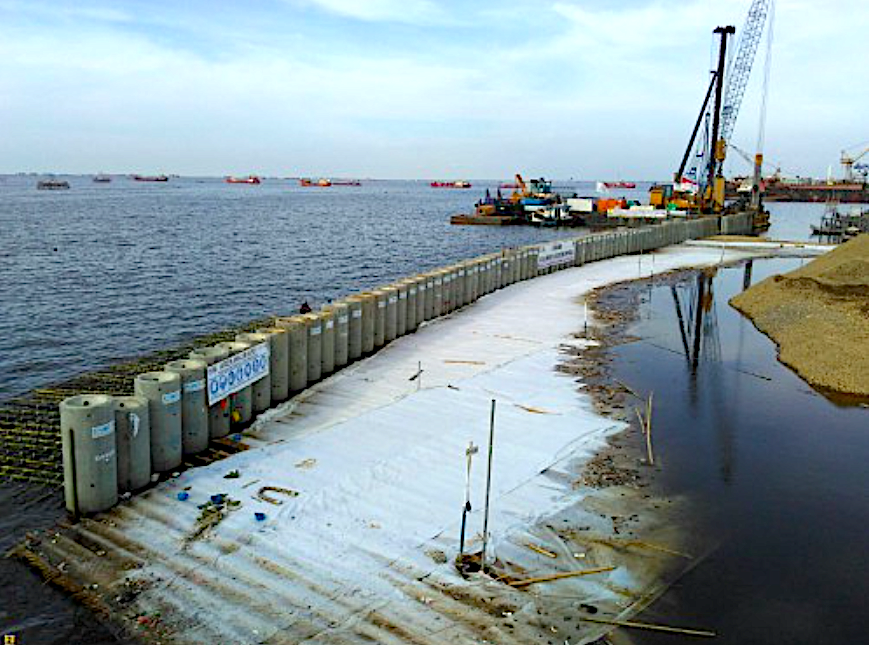
One of the most critical roles of the PKPP will be to provide a critical analysis of large-scale government infrastructure projects. Kusumawijaya pointed out a recurring paradox in coastal development: policies intended to protect the coast often result in further environmental degradation. He specifically cited land reclamation and the massive "Giant Sea Wall" projects as examples of interventions that frequently lack contextual and proportional study.
Currently, the Indonesian government is moving forward with an ambitious plan to construct a 535-kilometer sea wall along the northern coast of Java (Pantura). This project spans several provinces, including Banten (42.5 km), Jakarta (42.8 km), West Java (104 km), Central Java (274.7 km), and East Java (71.6 km). In Central Java alone, the plan involves not only the sea wall but also transition embankments, coastal bridges, and the restoration of 6,517 hectares of mangroves.
While the government views these walls as a necessary defense against the sinking of Java’s coastline, the PKPP warns that such "top-down" engineering solutions can be unwise if they ignore the specific ecological and social conditions of each region. "The coastal crisis is not just a climate crisis; it is a crisis of management," Kusumawijaya remarked. He argued that building massive walls without addressing the root causes of land subsidence—such as excessive groundwater extraction—is a temporary fix that may inadvertently destroy the very ecosystems, like mangroves and wetlands, that provide natural protection.
Integrating Upstream and Downstream Realities
The PKPP advocates for a holistic view of the coastline as a "horizontal thread of life" and a "vertical continuum" from upstream to downstream. In this framework, the coast is not an isolated strip of land but the terminus of a complex geographical system. What happens in the mountains and river basins directly affects the health of the coast.
The center positions itself as a "research-action" institution, focusing on the co-production of knowledge between various stakeholders. This approach aims to ensure that adaptation strategies are effective, participatory, and sustainable. By integrating applied research with the lived experiences of coastal residents, the PKPP hopes to foster a "resilient, just, and sustainable" coastal environment.
A significant barrier to effective climate adaptation in Indonesia remains the uneven level of climate literacy among both citizens and policymakers. This lack of awareness often leads to interventions that are poorly targeted and lack clear implementation designs. Furthermore, the misalignment of budgets at the local and national levels frequently results in projects that are abandoned or fail to meet their objectives. The PKPP intends to bridge this gap by serving as a platform for the exchange of best practices between different coastal cities, encouraging a "horizontal" learning process where Tegal can share its successes and challenges with cities like Semarang, Pekalongan, or even international peers.
The Rapid Rise of Secondary Cities and Spacial Fragility
The importance of focusing on cities like Tegal is further justified by current urbanization trends. Raimundus Nggajo, Secretary of the Deputy for Regional Development Coordination at the Ministry of Infrastructure and Regional Development, noted that urban growth in Indonesia is increasingly concentrated in "secondary cities" with populations between 200,000 and 500,000. These cities are growing at a pace that often exceeds that of metropolitan areas like Jakarta or Surabaya.
However, this rapid expansion often occurs without adequate planning or control. "When urban expansion happens too quickly, land conversion becomes aggressive, degradation increases, and environmental quality plummets," Nggajo explained. In coastal contexts, this growth often pushes into ecologically fragile areas such as deltas, riverbanks, and wetlands.
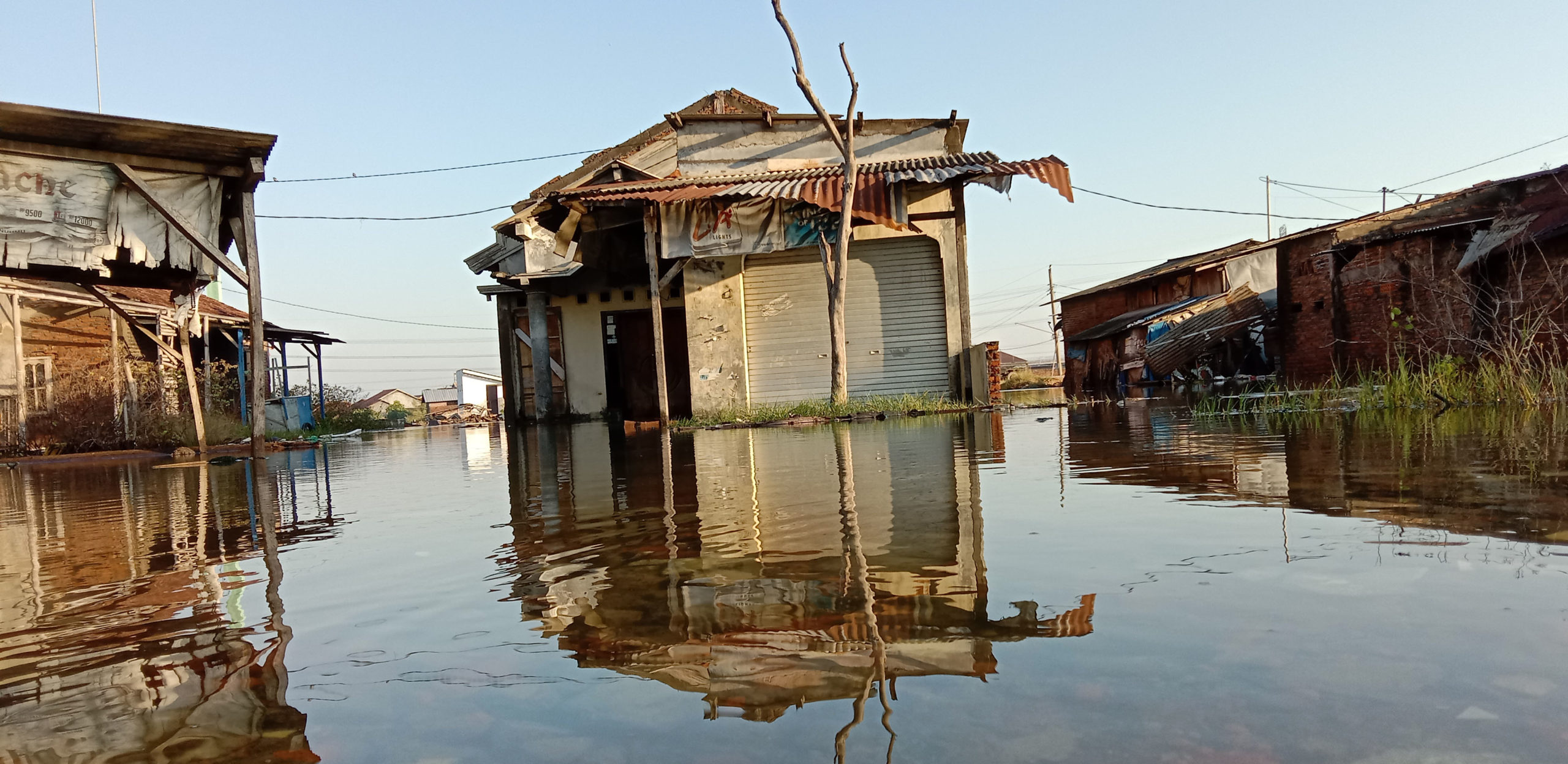
The loss of these natural buffers makes secondary cities even more susceptible to the hazards of climate change. Nggajo emphasized that coastal development must be treated as a "resilience agenda" rather than a mere "growth agenda." He advocated for nature-based solutions (NbS) that are integrated with built infrastructure. He also warned against "policy maladministration," where top-down adaptation measures lead to the displacement of vulnerable communities or the destruction of livelihoods in the name of protection.
Conclusion: A Blueprint for Coastal Resilience
As the PKPP begins its work, the eyes of the nation will be on Tegal. The success of this center could provide a blueprint for how Indonesia—and other archipelagic nations—can navigate the dual challenges of rapid urbanization and a warming planet. By prioritizing climate justice and ensuring that the voices of those most affected are heard, the PKPP seeks to transform the way coastal regions are managed.
The establishment of the Coastal Urban Research Center marks a shift from reactive disaster management to proactive, science-based planning. In the words of the UHN leadership, the goal is to ensure that the "economic and cultural heartbeat" of the coast continues to throb, even in the face of rising tides. Through the integration of academic rigor, government cooperation, and community wisdom, the PKPP stands as a beacon of hope for a more resilient and equitable future for Indonesia’s coastal cities.