Nila Kartika Wati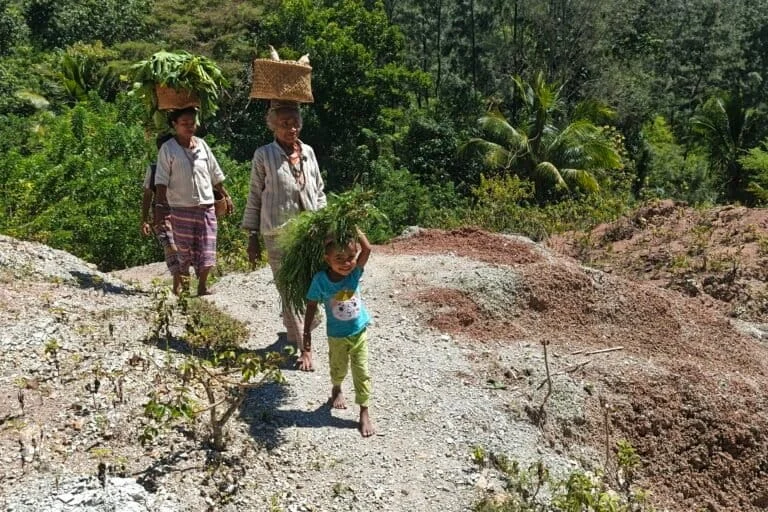
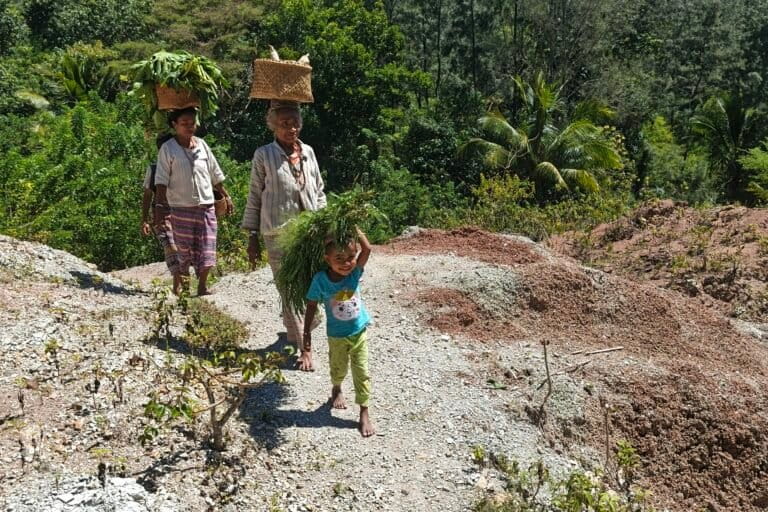
In the rugged, sun-scorched landscapes of the Kie District in South Central Timor, the Boti indigenous community stands as a living testament to human resilience against the intensifying whims of nature. While much of East Nusa Tenggara (NTT) grapples with the devastating effects of prolonged droughts and the erratic shifts of the El Niño phenomenon, the people of Boti Village remain largely unbowed. Their secret lies not in modern technology or government subsidies, but in a centuries-old philosophy of ecological harmony and agricultural diversification that has turned a barren limestone terrain into a self-sustaining sanctuary.
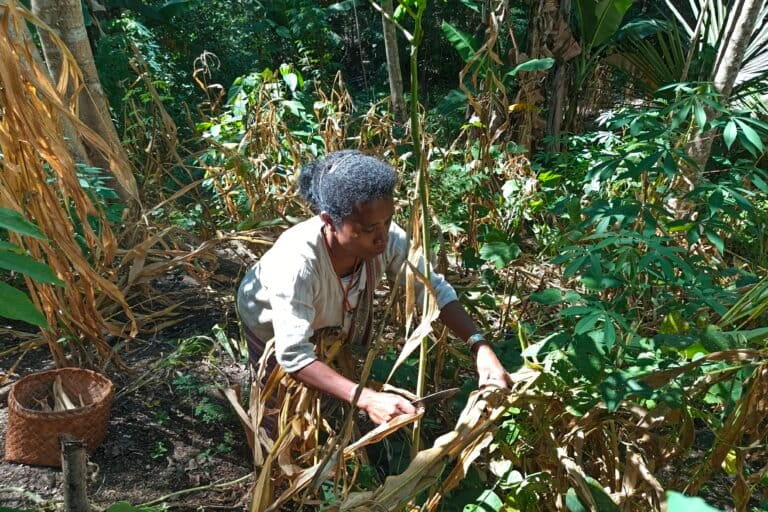
The hands of Seo Neolaka, a local farmer, move with practiced rhythm as she breaks pen meto—the local dry corn—from its stalks. She places the harvest into a sau, a traditional basket meticulously woven from lontar leaves. Surrounding her is not the typical monoculture seen in industrial farming, but a vibrant, chaotic tapestry of life. Intertwined with the corn are sweet potato vines, wild yams, cassava, sorghum, pigeon peas, and various leafy vegetables. This method of intercropping is the Boti’s primary defense against a changing climate. If the corn fails due to a lack of rain, the sorghum might survive; if a pest attacks the tubers, the beans provide the necessary protein. As Seo explains, the community never stakes their survival on a single crop, ensuring that even in the harshest seasons, the traditional granaries, or ume kbubu, are never empty.
The Looming Threat of El Niño in NTT
The resilience of the Boti people comes at a critical time for the province. The East Nusa Tenggara Department of Agriculture and Food Security has issued stark warnings regarding the "Godzilla El Niño," a term used to describe the extreme climatic shifts currently threatening the region. For NTT, a province where the dry season can last upwards of eight months, the implications are dire. The government anticipates a cascading series of crises: acute water shortages, the disruption of traditional planting calendars, a significant drop in rice and corn production, and an increase in crop-destroying pests.
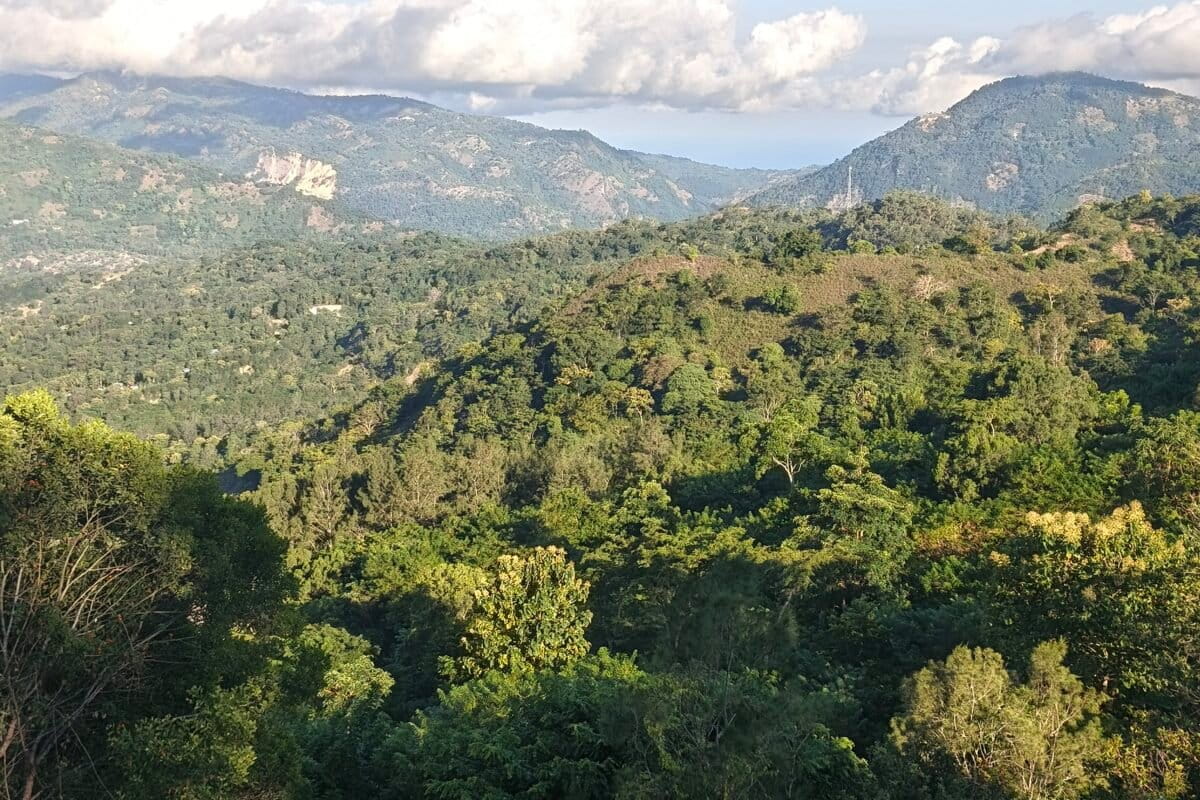
In many parts of Timor, the landscape during the peak of the dry season is hauntingly desolate. The earth cracks under a relentless sun, and dust-laden winds sweep across parched fields. However, Boti Village presents a startling anomaly. Despite the limestone-heavy soil which is naturally poor in nutrients, the village maintains a surprisingly lush canopy. This ecological health is the direct result of the community’s strict adherence to ancestral laws that prioritize forest conservation above all else.
Nama Benu, the Raja (Usif) of the Boti, speaks of this relationship with the land as a matter of survival rather than choice. Sitting in a simple garden hut, he notes that because the community has protected the surrounding nature for generations, they have never experienced a true food crisis. In Boti, the forest is not a resource to be exploited but a sacred entity that provides for those who respect it.
A Community-Based Model of Conservation
The Boti community is divided into two groups: the Boti Luar (Outer Boti), who have partially integrated with modern administrative and religious systems, and the Boti Dalam (Inner Boti), who strictly adhere to the Uis Neno (God of the Sky) and Uis Pah (God of the Earth) traditions. It is within the Inner Boti that the most rigorous environmental protections are found.
In the forests of Boti Dalam, the felling of trees is almost entirely prohibited. Timber for building materials can only be harvested from specific trees and only after a complex ritual is performed to seek permission from the spirits of the land. This community-based conservation mechanism has created a microclimate that retains moisture in the soil far longer than in neighboring areas. The villagers practice tumpang sari (intercropping) even within the forest fringes, planting fruit-bearing trees like candlenut, tamarind, and bananas alongside their staple crops.
Muke Benu, an indigenous woman of the Boti tribe, describes the forest as "Mama" (Mother). This personification is central to their worldview. "If the mother is wounded, we will feel the consequences," she says. This maternal bond dictates their consumption patterns; during times of abundance, the Boti eat only what is necessary, storing the surplus in ume kbubu. During leaner months, they voluntarily reduce their portions and pivot to more drought-resistant food sources, such as wild yams and forest fruits.
Food Sovereignty and the Rejection of External Aid
One of the most striking aspects of the Boti way of life is their fierce independence from the state and the global market. While the Indonesian government frequently distributes rice aid (Raskin/Sembako) to rural areas during droughts, the Raja of Boti has famously declined such assistance for the Inner Boti. They view dependency on government rice as a vulnerability that erodes their traditional knowledge and food sovereignty.
Instead, the Boti rely on their local seed bank. Unlike hybrid seeds provided by agricultural companies, which often require expensive chemical fertilizers and high water consumption, Boti’s local seeds have evolved over centuries to thrive in limestone soil with minimal hydration. Agnes Natalya Boimanu, the Coordinator of Agricultural Extension for the Kie District, confirms that the Boti strategy is one of the most effective models of climate adaptation in the province. By maintaining a diverse portfolio of crops—corn, tubers, beans, and livestock fodder—they have effectively insulated themselves from the price volatility and supply chain disruptions of the modern world.
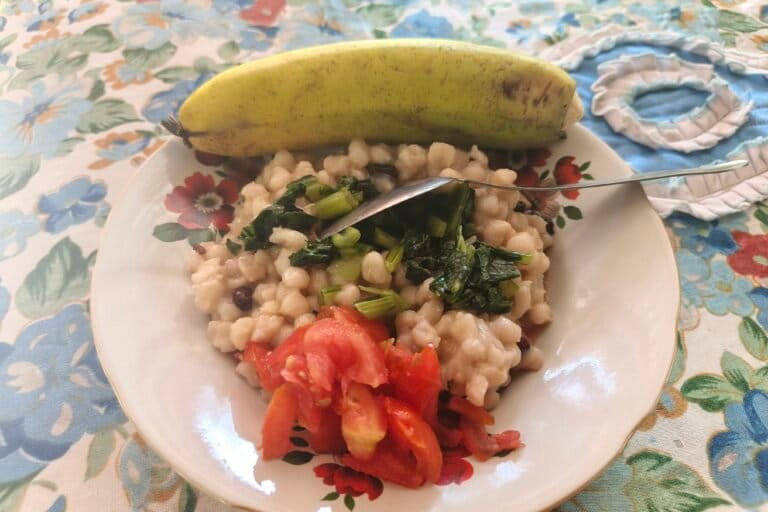
This self-sufficiency extends to their daily diet. A typical meal in Boti might include bose (a thick corn porridge) mixed with arbila beans and coconut milk, served alongside boiled bananas and yellow pumpkin. Molo Benu, a female leader in the community, emphasizes that this diversity ensures nutritional security. By relying on local flora, the Boti avoid the "hidden hunger" often found in communities that have transitioned to a starch-heavy, monoculture-based diet.
The Intersection of Tradition, Water, and Weaving
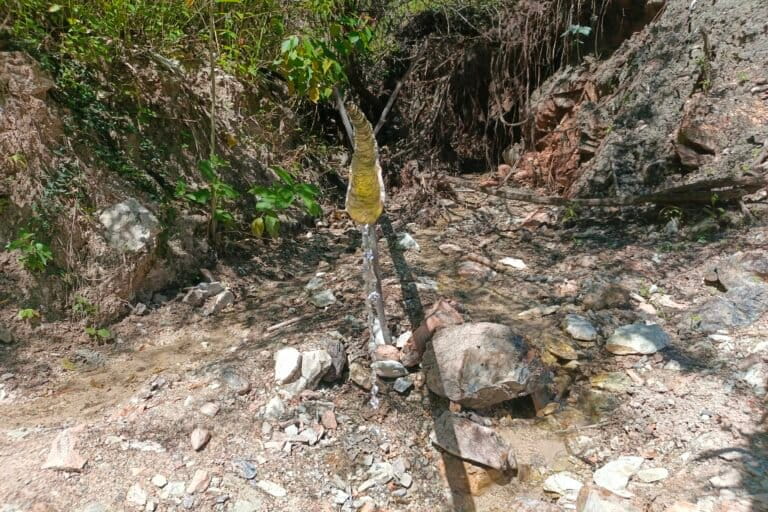
The Boti’s survival is also tied to their preservation of water sources. Approximately 600 meters from the main settlement lies a spring that continues to flow even in the height of the dry season. The community observes Neon Oe (Water Day), a specific day in their traditional calendar dedicated to honoring and cleaning the water source. On this day, villagers are reminded to use water wisely and are strictly forbidden from clearing land or polluting the area near the spring.
Beyond the fields, the women of Boti maintain their cultural identity through the art of weaving. This is not merely a craft but a continuation of their ecological philosophy. They cultivate their own cotton, which is then processed through stages known as sifoh (cleaning), sunat (spinning), and nunut (rolling). The dyes are harvested from the forest: noni roots for reds, turmeric for yellows, and indigo leaves for blues. Heka Banoet of the Tai Matani weaving group notes that without a healthy forest, the art of weaving would die. The availability of natural dyes is a direct indicator of the forest’s health.
Modern Threats to Ancient Wisdom
Despite their success, the Boti’s way of life faces unprecedented external pressures. Siti Maimunah, Director of the Mama Aleta Fund and a researcher at the University of Passau, warns that the push for National Strategic Projects (PSN) in Timor poses a significant risk. Projects such as large-scale "food estates" and Energy Plantation Forests (HTE) often prioritize monoculture and industrial exploitation over indigenous land rights and ecological balance.
Maimunah argues that the Boti model is far more adaptive to climate change than the industrial systems being proposed. "If the forests are cleared for these projects, women will be the first to suffer," she notes. "They are the ones who manage the water and the food for the community." The concern is that the expansion of these projects could disrupt the delicate water catchment areas that the Boti have protected for centuries, potentially drying up the springs that are their lifeblood.
The story of the Boti is a powerful counter-narrative to the idea that modern technology is the only solution to climate change. Their success suggests that the path to resilience lies in the protection of local knowledge and the recognition of indigenous land rights. As the world looks for ways to navigate a future of climate uncertainty, the Boti provide a blueprint for a life lived within the limits of nature—a life where the forest is a mother, the water is a sacred trust, and the granaries are always full, no matter how long the sun shines.
The Boti people do not just survive on their limestone hills; they thrive. They have proven that with a deep understanding of the land and a commitment to communal well-being, even the most hostile environments can become a home. However, as external economic interests loom, the question remains whether the rest of the world will learn from the Boti or allow their invaluable wisdom to be paved over in the name of progress.