Nila Kartika Wati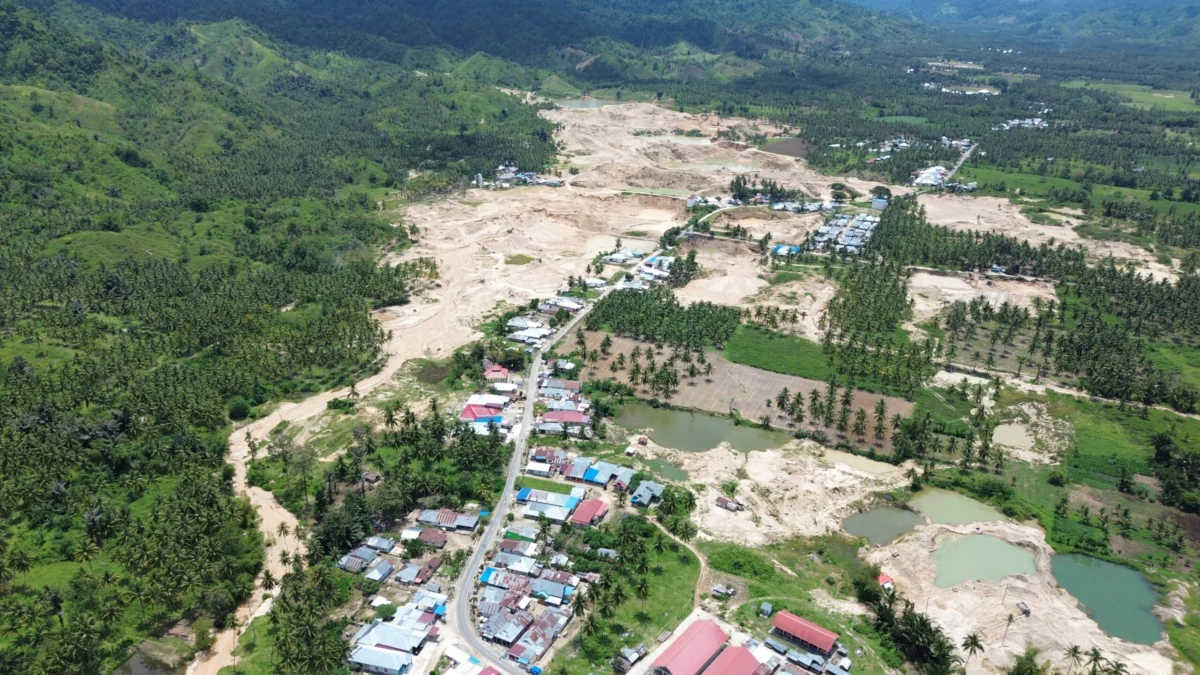
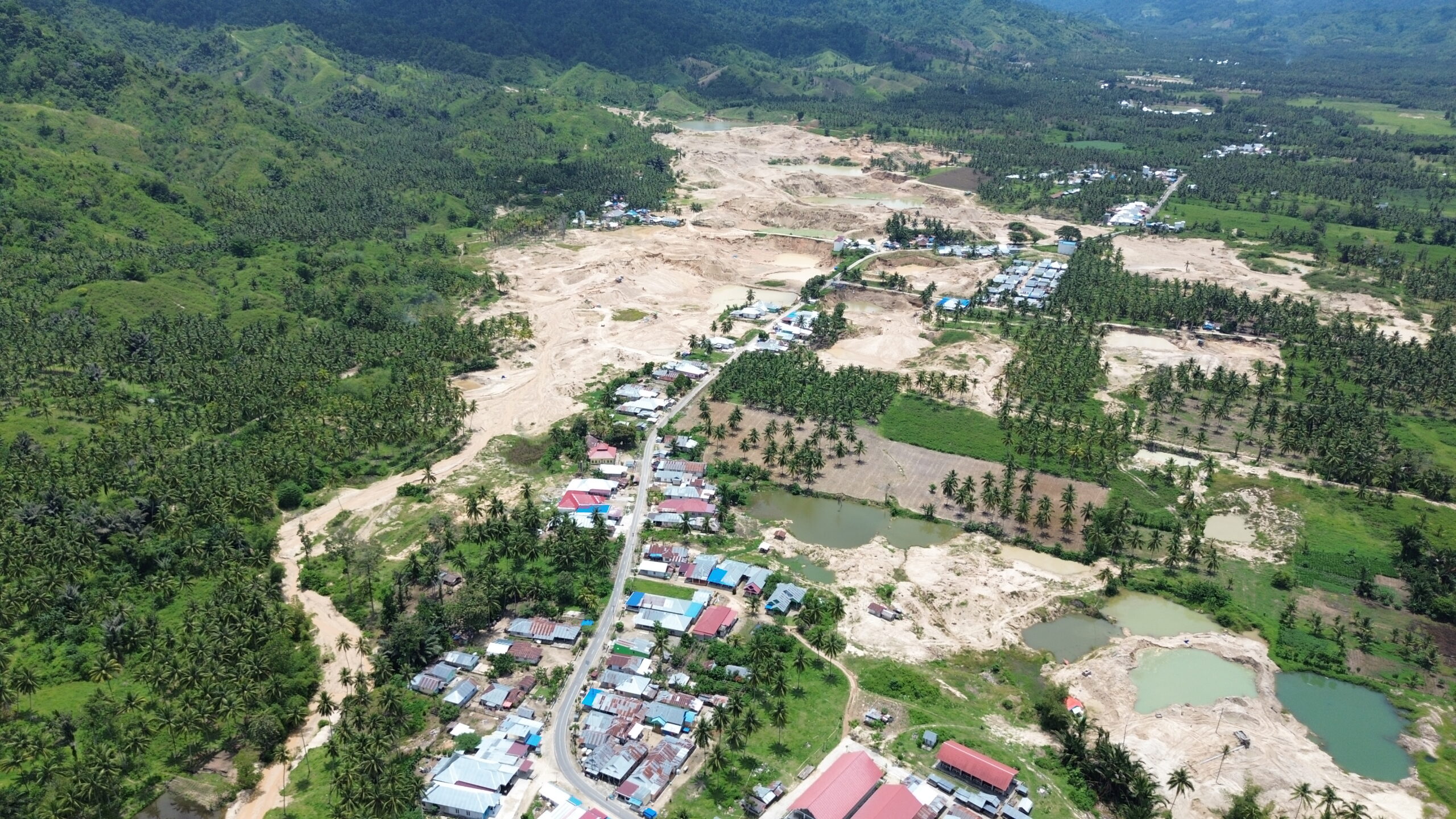
Illegal gold mining activities in Pohuwato, Gorontalo, have transcended beyond the visible destruction of the landscape, triggering a cascading crisis that now manifests within the very bodies of its residents. For years, the unauthorized extraction of gold has been synonymous with the loss of forest cover and the failure of local agricultural harvests; however, the situation has evolved into a more insidious threat. Stagnant water, altered atmospheric conditions, and fractured ecosystems have created a volatile environment where life is no longer stable. In numerous locations across the regency, the boundaries between mining zones and residential areas have effectively vanished, leaving communities to navigate a daily reality of mud, stagnant pools, and toxic dust. Within this context, malaria has transformed from a manageable tropical disease into a harrowing reflection of widespread environmental collapse.
The human toll of this ecological degradation is epitomized by the experience of Iswanto Doda, a resident of East Pohuwato in the Marisa District. Iswanto’s ordeal began unexpectedly one evening when a sudden fever struck with the intensity of a storm. Initial chills were quickly replaced by a searing heat that rendered him incapacitated. Like many in the region, he initially dismissed the symptoms as exhaustion from a long workday. However, as the debilitating headaches and persistent fever refused to subside, he was rushed to the Marisa Community Health Center (Puskesmas). The diagnosis was immediate: malaria.
The medical staff’s first question to Iswanto was telling: "Are you a miner?" Despite being a private sector worker with no direct involvement in the pits, Iswanto had been ensnared by a disease that has become endemic to the mining-affected landscape. His case is far from isolated. In Pohuwato, malaria is no longer a distant statistic found in health reports; it is a neighbor, a family member, and a constant shadow over the thousands of miners who move between the hills and the settlements every day.
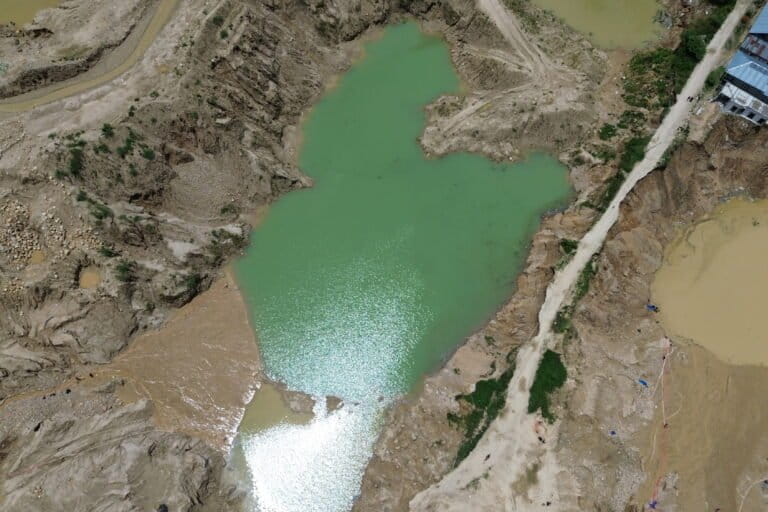
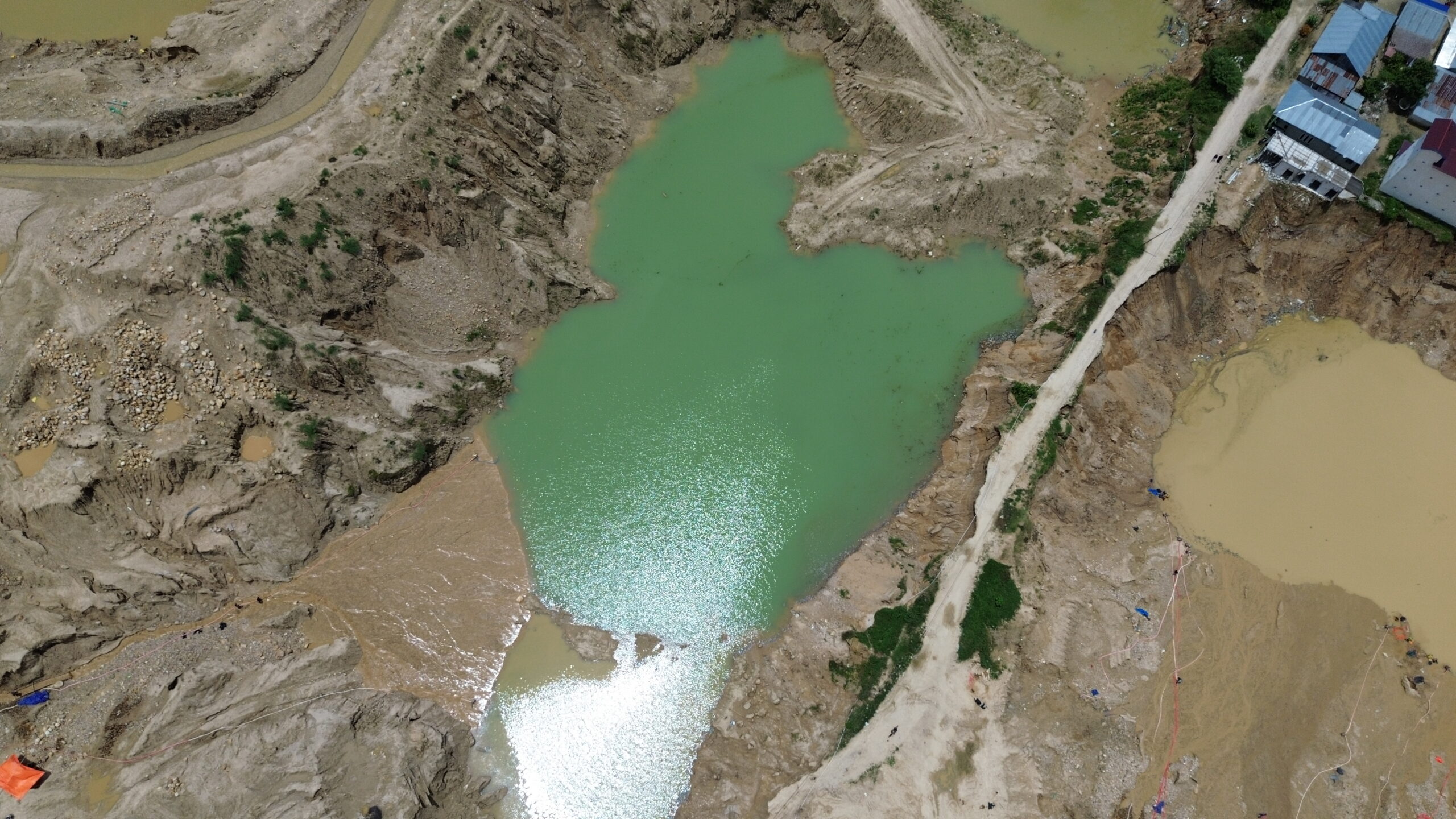
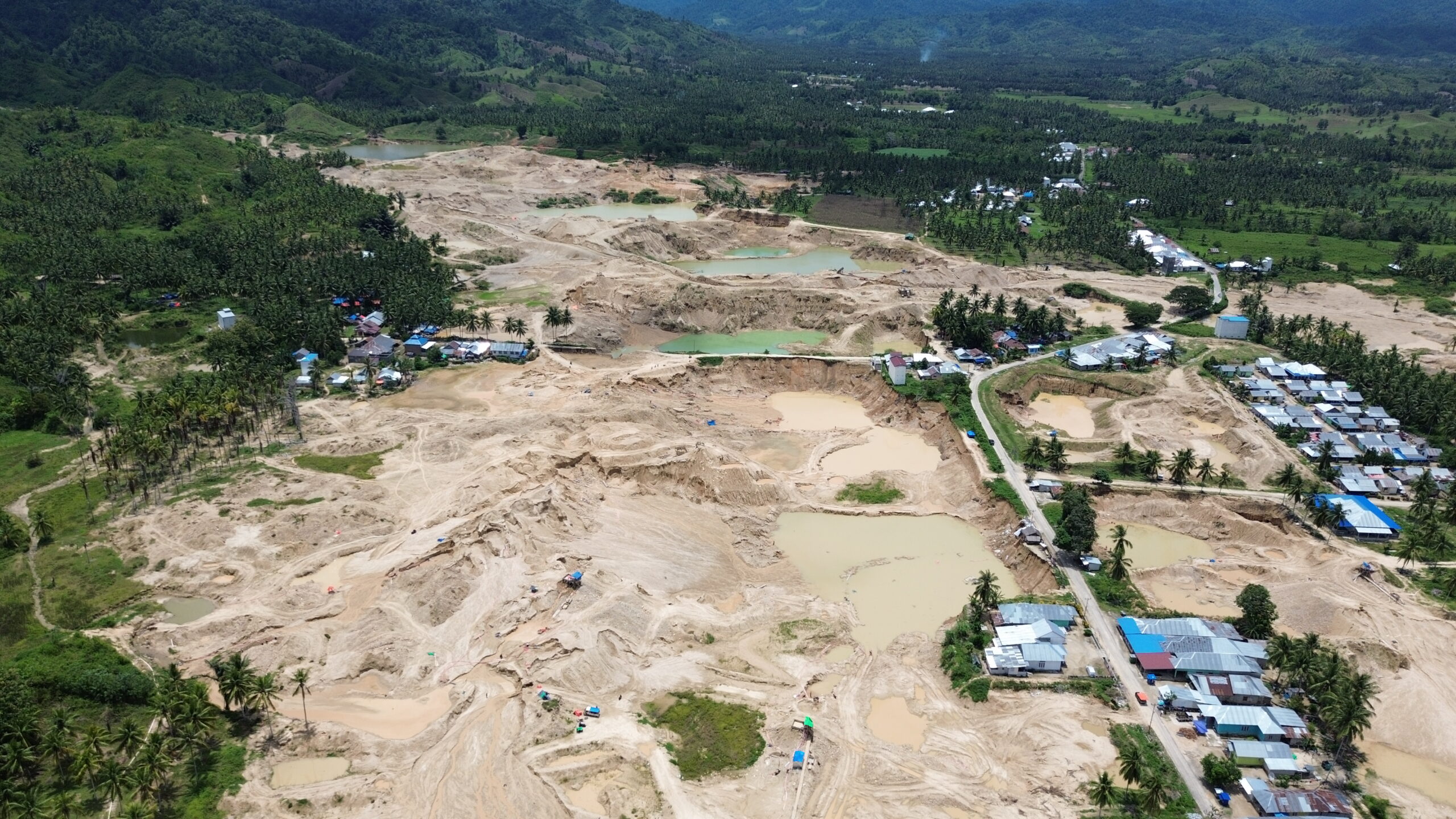
The rapid transformation of Pohuwato’s topography over the last few years has provided the perfect catalyst for this health crisis. In the upstream regions, heavy machinery has relentlessly torn through the earth, replacing protective forest canopies with gaping craters and vast excavations. This massive, unregulated activity has birthed a "lunar landscape" of abandoned pits that quickly fill with rainwater. These stagnant, non-flowing pools serve as ideal breeding grounds for the Anopheles mosquito, the primary vector for malaria. As the mining footprint expands, so does the habitat for the disease-carrying insects, bringing the threat to the doorsteps of those who have never set foot in a mine.
The scale of the outbreak is staggering. Data from the Pohuwato Health Office (Dinkes) as of April 2026 indicates that approximately 1,027 individuals have tested positive for malaria across 13 districts. This surge is part of a multi-year upward trend that began in early 2023. Records show 814 cases in 2023, rising to 824 cases in 2024, which included two confirmed fatalities. By February 2025, an additional 170 new cases had been recorded. The demographic most affected is the productive age group (19–59 years), with men—predominantly those working as mine laborers—constituting 95% of the patients.
Geographic analysis of the 2025 data further cements the link between mining and disease. Approximately 56% of cases originated from the mining hub of Hulawa Village, followed by Puncak Jaya Village at 18%, and Karya Baru Village at 10%. The Hulawa mine, one of the largest illegal operations in the regency, sits in perilous proximity to residential areas, serving as a primary reservoir for transmission. In response to these escalating figures, the local government has declared a status of Extraordinary Occurrence (KLB) for malaria, categorizing the situation as a "non-natural disaster."
The administrative response has involved intervention from the Ministry of Home Affairs (Kemendagri), which issued circulars encouraging collaborative handling of the KLB. This includes the optimization of Unexpected Expenditure (BTT) budgets and the utilization of village funds for prevention and treatment. Lia Saud, the Malaria Program Coordinator at the Pohuwato Health Office, maintains that while the government is providing the best possible treatment for patients, the root cause remains unaddressed. The poor environmental conditions, specifically the thousands of water-filled mine holes, ensure that the cycle of infection continues.
The mobility of the mining population presents a significant hurdle for health officials. Yenni Ahmad, Secretary of the Pohuwato Health Office, noted that while the government distributes malaria medication to miners as part of a Ministry of Health initiative, tracking these individuals is nearly impossible. Miners frequently move between remote sites, and village governments often lack accurate data on which residents are working in the pits. Furthermore, early attempts to establish screening posts at mine entrances were abandoned after only a month due to a lack of sustained funding from the provincial government. Consequently, while medical treatment continues for those who reach clinics, the "upstream" source of the problem remains untouched, and the KLB status, in place since 2023, shows no signs of being revoked.
Beyond the immediate threat of malaria, the unregulated gold mining industry in Pohuwato is saturating the environment with mercury (liquid silver). To extract gold, miners mix mercury with excavated material in "tromols" (grinding drums) for several hours. This process creates an amalgam—a mixture of gold and mercury—which is then heated with a blowtorch to evaporate the mercury, leaving behind raw gold. This primitive method is catastrophic for the environment; the evaporated mercury enters the atmosphere, while the liquid waste is often dumped directly into local waterways.
The environmental degradation caused by these illegal gold mining (PETI) operations is well-documented through nearly a decade of scientific research. A 2024 study by Feri Novriyal and colleagues, published in the International Journal of Humanities, Education and Social Sciences (IJHESS), revealed that mining waste in the Marisa Watershed is causing severe ecosystem decay. The study found that direct waste disposal has led to increased sedimentation and a significant decline in the functionality of downstream agricultural lands. The increase in Total Suspended Solids (TSS) and dissolved mercury concentrations poses a dual threat: it destroys aquatic habitats and compromises the quality of fish caught for local consumption.
Further research by Kevin Philips Barakati, Erizal, and Chusnul A. (2024) in the Journal of Environmental Science at Diponegoro University confirmed that every segment of the watershed surrounding mining activities in the Buntulia District is polluted. The pollution levels range from moderate to severe, with physical and chemical parameters far exceeding national environmental quality standards. The water in these areas is no longer fit for ecological functions or basic human needs, yet it remains the primary source for many local communities.
The chronic nature of this pollution was identified as early as 2015 by Ramli Utina of the State University of Gorontalo. His research detected mercury exposure in the tissues of coastal birds in Pohuwato, serving as a biological indicator that heavy metals had already entered the food chain a decade ago. The cumulative impact of this exposure is a "ticking time bomb" for public health. Long-term mercury poisoning can lead to Minamata disease, characterized by neurological damage, tremors, impaired coordination, and permanent brain damage. For pregnant women, the risk is even higher, as mercury can cross the placental barrier, causing severe developmental defects in fetuses.
Yuyun Ismawati, the founder of the Nexus3 Foundation and a leading expert on toxic waste, argues that the mercury crisis in Pohuwato is a systemic failure. According to Nexus3 data, artisanal and small-scale gold mining (ASGM) sectors contribute approximately 69.7% of Indonesia’s total mercury emissions, with an estimated 307,125 kilograms released annually. Indonesia is home to one of the world’s largest ASGM sectors, with over 1,200 locations spread across 190 regencies.
Ismawati emphasizes that the most dangerous aspect of mercury is its ability to transform into methylmercury in aquatic environments. This form is highly bioaccumulative, moving up the food chain from small organisms to fish, and eventually to humans. "The most dangerous part is the invisible chain," Ismawati explains. "People who have never mined a day in their lives are being exposed through the fish they eat and the water they use."
Despite Indonesia’s ratification of the Minamata Convention in 2017—a global treaty designed to protect human health and the environment from the adverse effects of mercury—enforcement on the ground in regions like Pohuwato remains weak. The economic allure of gold mining, coupled with the lack of alternative formal employment, makes the trade difficult to eradicate. For many, the immediate need for income outweighs the long-term, "invisible" risk of heavy metal poisoning.
The situation in Pohuwato represents a microcosm of a broader national struggle. While the government has set plans for mercury elimination, the illegal trade of the chemical remains rampant, and the oversight of remote mining sites is insufficient. The persistence of the malaria KLB and the mounting evidence of mercury bioaccumulation suggest that Pohuwato is facing a dual-fronted health emergency. Without a comprehensive strategy that addresses environmental restoration, provides alternative livelihoods, and enforces strict chemical controls, the residents of Pohuwato remain trapped in a cycle of disease and toxicity. As Iswanto Doda looks back on his recovery from malaria, his hope is simple yet profound: "I just hope that no one else has to go through this." However, in the current landscape of Pohuwato, that hope remains precariously out of reach.