Nila Kartika Wati
The World Health Organization (WHO) has officially declared a hantavirus outbreak following a series of fatalities linked to the Dutch-flagged cruise ship MV Hondius, an event that has coincided with new scientific data identifying Indonesia as the primary hantavirus hotspot in Southeast Asia. On May 4, 2026, the WHO confirmed that three deaths among passengers were caused by hantavirus, triggering a global health notification and raising significant concerns regarding the prevalence of the virus in maritime travel and regional biodiversity. The development comes at a critical time as the Indonesian Ministry of Health reports a steady climb in domestic cases, emphasizing the urgent need for enhanced biosafety protocols and public awareness across the archipelago.
Chronology of the MV Hondius Outbreak
The timeline of the current outbreak began on April 1, 2026, when the MV Hondius, a vessel known for polar expeditions, docked in Ushuaia, located at the southernmost tip of Argentina. The ship was scheduled for a voyage toward the Antarctic Peninsula and several remote islands in the South Atlantic. The expedition, which initially proceeded without incident, took a tragic turn on April 11, when the first passenger was reported dead on board after a brief but severe illness.
The situation escalated as passengers began their return journeys. On April 26, a second passenger collapsed and died while attempting to board a flight at an international airport in South Africa. By May 2, a third death was reported on the vessel itself. Following these incidents, 11 total cases were identified among the passengers and crew. Laboratory results later confirmed the presence of hantavirus in the deceased, prompting the WHO to categorize the cluster as a formal outbreak.
While the MV Hondius did not transit through Indonesian waters during this specific itinerary, the incident has served as a catalyst for health authorities in Jakarta to reassess domestic risks. The global nature of the cruise industry and the potential for zoonotic diseases to travel via international transport hubs have placed Southeast Asian nations on high alert, particularly those with high rodent populations and significant international trade.

Indonesia Identified as a Regional Hotspot
The alarm raised by the cruise ship incident is amplified by a comprehensive study published on March 12, 2026, in the journal PLOS Neglected Tropical Diseases. The report, titled "Studies on prevalence of Hantavirus in small mammals in Southeast Asia: A systematic review and meta-analysis," reveals that Indonesia currently holds the highest prevalence of hantavirus in small mammals across the region.
According to the study led by Zixiao Guo of Hainan Medical University, the combined prevalence rate of hantavirus among small mammals in Southeast Asia stands at 6.07 percent. However, Indonesia’s figures are significantly higher, reaching a staggering 17.49 percent. Singapore follows as the second-highest hotspot with a prevalence rate of 10.53 percent. Other countries in the region, including Cambodia (5.50 percent), Thailand (4.36 percent), Malaysia (4.32 percent), and Vietnam (4.25 percent), show lower but still notable levels of the virus.
The researchers utilized a meta-analysis approach, synthesizing data from 403 research reports published through early 2025. By filtering these into 28 high-quality studies, they were able to map the distribution of the virus with unprecedented accuracy. The findings suggest that Indonesia’s vast agricultural landscapes and tropical climate provide an ideal environment for the virus to persist and spread within rodent populations.
Clinical Manifestations: HPS vs. HFRS
Hantaviruses are a family of viruses spread mainly by rodents and can cause varied clinical syndromes in humans. The WHO and the Indonesian Ministry of Health distinguish between two primary manifestations of the disease: Hantavirus Pulmonary Syndrome (HPS) and Hemorrhagic Fever with Renal Syndrome (HFRS).
HPS, often referred to as Hantavirus Cardiopulmonary Syndrome (HCPS) in the Americas, is a severe, sometimes fatal, respiratory disease. It is characterized by a rapid progression from flu-like symptoms to acute respiratory failure. The mortality rate for HPS is alarmingly high, often ranging between 50 and 60 percent. This was the variant identified in the recent cruise ship fatalities, which are linked to the Andes virus strain common in South America.

In contrast, the variant most commonly found in Asia and Europe is HFRS. This manifestation primarily attacks the kidneys and carries a lower, though still significant, mortality rate of 5 to 15 percent. The incubation period for HFRS is generally one to two weeks. While Indonesia has not yet reported cases of the lethal HPS variant, the Ministry of Health has confirmed a marked increase in HFRS cases.
Rising Trends in Domestic Hantavirus Cases
Data provided by the Indonesian Ministry of Health indicates a worrying upward trend in hantavirus activity within the country. From 2024 to May 2026, authorities recorded 256 suspected cases, with 23 confirmed HFRS infections. The geographical distribution of these cases is broad, spanning Jakarta, West Java, Yogyakarta (DIY), North Sulawesi, West Sumatra, and East Nusa Tenggara (NTT).
The annual breakdown of confirmed cases highlights the acceleration:
- 2024: 1 confirmed case.
- 2025: 17 confirmed cases.
- 2026 (through May): 5 confirmed cases.
Ministry officials have noted that while the numbers may seem small compared to other endemic diseases, the "hotspot" status of the country’s rodent population suggests a high potential for underreporting and future outbreaks. The increasing interaction between humans and rodents in densely populated urban areas and expanding agricultural zones is cited as the primary driver of this trend.
Ecological and Biological Factors
The high prevalence of hantavirus in Indonesia and Singapore is attributed to a combination of geographical, climatic, and anthropogenic factors. Indonesia’s position at low latitudes results in a warm and humid climate, which is conducive to the year-round breeding of small mammals. Furthermore, the extensive agricultural sector provides ample food sources for rodent populations.
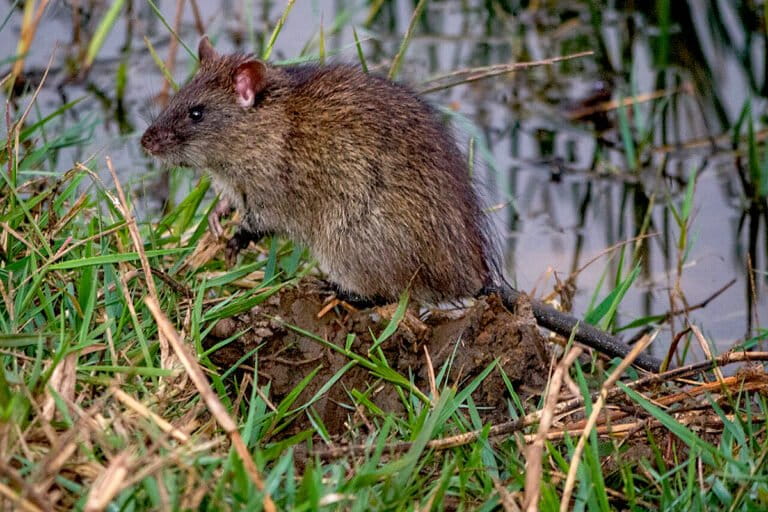
In Singapore, the high prevalence is linked to high population density and the challenges of urban waste management, which create "rat-friendly" environments in one of the world’s busiest trading hubs. The research identified four specific species as the primary vectors for hantavirus in Southeast Asia:
- Rattus norvegicus (Norway rat/Sewer rat)
- Bandicota indica (Greater bandicoot rat)
- Rattus rattus (Roof rat/House rat)
- Suncus murinus (Asian house shrew)
Among these, Rattus norvegicus is the most dominant vector due to its high adaptability and wide distribution in both urban and rural settings. While bats are also known to carry hantaviruses, the study noted that data regarding bat-borne transmission in Southeast Asia remains limited and requires further investigation.
Prevention and Public Health Recommendations
Experts emphasize that hantavirus is not as easily transmissible as airborne viruses like COVID-19. Transmission typically occurs through the "aerosolization" of virus particles found in the urine, feces, or saliva of infected rodents. When humans breathe in dust contaminated with these waste products—often while cleaning storage areas, warehouses, or abandoned buildings—the virus enters the respiratory system.
Professor Hera Nirwati, a specialist from the Department of Microbiology at Gadjah Mada University (UGM), advises the public to exercise extreme caution when cleaning damp or dusty environments. "Do not sweep dry rat droppings, as this can cause virus particles to become airborne. Instead, moisten the area with a disinfectant before cleaning," she explained.
The Ministry of Health has issued several key prevention strategies:

- Environmental Hygiene: Maintaining clean homes and food storage areas to discourage rodent nesting.
- Sealing Entry Points: Closing holes and cracks in buildings to prevent rodents from entering living spaces.
- Protective Gear: Using masks and gloves when handling items in areas known to have rodent activity.
- Professional Intervention: Engaging pest control services in high-risk urban environments like markets and warehouses.
Currently, there is no specific cure or vaccine for hantavirus infection. Medical treatment is primarily supportive, focusing on managing symptoms and maintaining organ function. Early diagnosis is critical; patients who receive intensive care early in the progression of the disease have a significantly higher chance of survival.
Implications for International Travel and Trade
The MV Hondius incident serves as a reminder of the vulnerabilities inherent in the global travel industry. Cruise ships, which often visit remote and ecologically diverse regions, must maintain rigorous pest control standards to prevent the introduction of zoonotic diseases to passengers. The WHO has suggested that international health regulations may need to be updated to include more specific rodent-borne disease surveillance for maritime vessels.
For Indonesia, the status of being a "number one hotspot" carries economic and reputational implications. As a major exporter of agricultural products and a burgeoning hub for international tourism, the management of hantavirus is now a matter of national security. The Ministry of Health is currently strengthening its surveillance systems and laboratory capacities to ensure that any potential shift from HFRS to the more lethal HPS variant is detected immediately.
As urban centers continue to expand and human-animal interfaces become more frequent, the threat of hantavirus remains a persistent challenge. The convergence of international outbreak reports and domestic scientific findings underscores a clear message: public health safety is inextricably linked to environmental management and the proactive monitoring of the wildlife that shares our ecosystems.