Nasution Nanang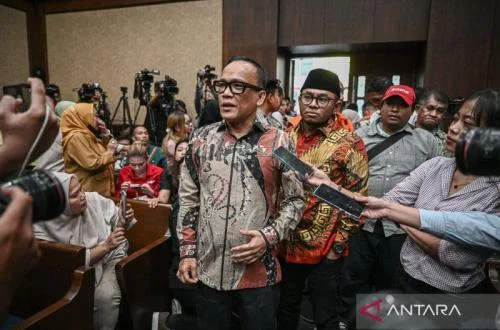
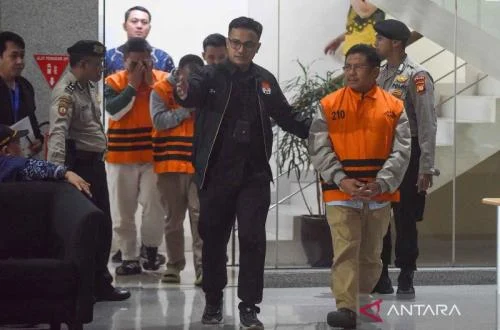
JAKARTA – Immanuel "Noel" Ebenezer Gerungan, who served as Vice Minister of Manpower from 2024 to 2025, is facing a demand for a five-year prison sentence from prosecutors. The former official stands accused of involvement in an alleged extortion scheme related to the issuance of Occupational Safety and Health (K3) certificates, alongside charges of gratification. The demand was formally presented during a court session at the Anti-Corruption Court (Tipikor) in Central Jakarta on Monday. Gerungan, in response to the severity of the legal proceedings, has expressed profound regret over his tenure as Vice Minister, particularly if it ultimately leads to his incarceration. He asserts that during his time in office, he was instrumental in safeguarding hundreds of billions of rupiah in workers’ funds, a claim that now starkly contrasts with the "horrific" and "coercive" nature of the charges leveled against him by the Corruption Eradication Commission (KPK) public prosecutors.
The case has drawn significant public attention, not only due to the high-profile nature of the accused but also the systemic implications for public service integrity and the critical function of workplace safety regulations. The prosecution’s demand highlights a concerted effort by Indonesian authorities to combat corruption across various governmental sectors, especially those vital to public welfare and economic stability. The alleged acts of misconduct are believed to have undermined the very system designed to protect the nation’s workforce, casting a shadow over the processes intended to ensure safe working environments.
The Core Allegations: Extortion and Gratification
According to the prosecution, Immanuel Ebenezer Gerungan is implicated in a scheme that saw him and ten other co-defendants allegedly extort Rp6.52 billion (approximately USD 420,000) from applicants seeking K3 certifications. In addition to the extortion, Gerungan is also accused of receiving substantial gratification. The detailed indictment outlines the specific instances where funds were allegedly solicited from companies and individuals navigating the K3 certification process, which is mandatory for many industries to ensure compliance with national safety standards. This certificate is crucial for businesses to operate legally and demonstrate their commitment to employee well-being, making any disruption or corruption in its issuance a significant impediment to both economic activity and worker protection.
The gratification charges against Gerungan include the receipt of Rp3.36 billion (approximately USD 215,000) in cash and a high-value item: a Ducati Scrambler motorcycle. These illicit gains were purportedly received from various parties, including civil servants within the Ministry of Manpower and private sector entities, indicating a potentially wider network of individuals involved in facilitating or benefiting from the corrupt practices. Such actions, if proven, not only violate anti-corruption laws but also erode public trust in government officials responsible for upholding ethical standards and serving the public interest.
The Defendants and Their Demands
The scope of the alleged corruption extends beyond Gerungan, involving a total of eleven defendants. Among them are individuals identified as Temurila, Miki Mahfud, Fahrurozi, and Hery Sutanto. Each faces varying degrees of involvement in the alleged scheme, and the prosecution has sought prison sentences ranging from three to seven years for these co-defendants. Additionally, financial penalties have been demanded, with each facing a fine of Rp250 million (approximately USD 16,000), convertible to an additional 90 days in prison if unpaid.
Specific demands for restitution, known as "uang pengganti" (substitute money), have also been made. Hery Sutanto, for instance, has been ordered to pay Rp4.73 billion (approximately USD 305,000) in substitute money. Other defendants, including Subhan and Anitasari, face demands for over Rp5 billion (approximately USD 320,000) each. These demands underscore the prosecution’s objective not only to punish the perpetrators but also to recover the illicit gains derived from the corrupt activities, thereby sending a strong message against financial misconduct in public office. The legal framework invoked for these charges includes Article 12 letters e or b, and Article 12 B juncto Article 18 of Law No. 31 of 1999 concerning the Eradication of Criminal Acts of Corruption, as amended by Law No. 20 of 2001. These articles broadly cover acts of extortion, gratification, and abuse of power for personal gain, forming the backbone of Indonesia’s anti-corruption legislation.
Noel’s Defense and the Broader Context of His Claims
In his defense, Immanuel Ebenezer Gerungan expressed deep regret, stating, "I regret taking on the position of Vice Minister if it means I will eventually be detained." This statement, made in court, reflects the personal toll of the legal battle on the former official. He further claimed to have "saved hundreds of billions of rupiah of workers’ funds" during his tenure, implicitly suggesting that his actions were ultimately beneficial despite the current accusations. This claim, however, stands in stark contrast to the prosecution’s narrative of extortion and gratification, raising questions about the nature of these "savings" and whether they were legitimate or a consequence of other undisclosed activities.
The role of a Vice Minister of Manpower in Indonesia is multifaceted, encompassing policy formulation, oversight of labor regulations, and ensuring the welfare and safety of the workforce. K3 certification, in particular, is a critical component of this mandate. It ensures that workplaces adhere to stringent safety standards, preventing accidents, injuries, and occupational diseases. Any corruption within this system not only jeopardizes worker safety but also undermines the credibility of the institutions responsible for enforcing these vital protections. Gerungan’s assertion of safeguarding funds, while currently unsubstantiated by the prosecution, suggests a potential counter-narrative that might be explored further during the defense phase of the trial.
The Significance of K3 Certification and Vulnerabilities to Corruption
Occupational Safety and Health (K3) certification is a cornerstone of worker protection globally, and particularly in Indonesia, an emerging economy with a vast industrial sector. The certification process involves rigorous assessments of workplace conditions, equipment, and operational procedures to ensure compliance with national and international safety standards. Companies are required to obtain these certifications to operate legally, demonstrate social responsibility, and often, to secure contracts or investment. The integrity of this process is paramount for several reasons:
- Worker Safety: Directly impacts the well-being of millions of workers by minimizing risks of accidents, injuries, and long-term health issues.
- Economic Productivity: A safe workforce is a productive workforce. High accident rates lead to absenteeism, medical costs, and reduced output.
- Legal Compliance: Ensures businesses adhere to labor laws and regulations, preventing penalties and legal disputes.
- Reputation and Trust: Companies with robust K3 practices often enjoy better public perception, attracting talent and investors.
Given the critical nature of K3 certification, any opportunity for corruption, such as the alleged extortion scheme, poses a severe threat. It allows substandard companies to bypass safety requirements, putting workers at grave risk, and undermines the competitive landscape by favoring those willing to pay bribes over those who genuinely invest in safety. The alleged involvement of high-ranking officials like a Vice Minister in such a scheme highlights a systemic vulnerability that anti-corruption efforts must address vigorously.
Chronology of Events (Inferred and Based on Case Details)
While the provided article does not offer a detailed timeline, a plausible chronology can be inferred from the nature of the charges and the legal process:
- 2024-2025: Immanuel Ebenezer Gerungan serves as Vice Minister of Manpower. During this period, the alleged acts of extortion related to K3 certification and the receipt of gratification are believed to have occurred. This would involve interactions with companies and individuals seeking K3 certificates and potentially other stakeholders.
- Late 2025 / Early 2026: It is plausible that initial complaints or intelligence reports regarding suspicious activities within the Ministry of Manpower’s K3 certification process reached the Corruption Eradication Commission (KPK).
- Early 2026 – Mid-2026: The KPK would have initiated a preliminary investigation, gathering evidence, monitoring activities, and interviewing potential witnesses. This phase often involves covert operations and forensic analysis of financial transactions.
- Mid-2026: Based on sufficient evidence, the KPK would have elevated the investigation, leading to the formal naming of suspects, including Immanuel Ebenezer Gerungan and the ten co-defendants. Arrests and detentions would likely have followed.
- Late 2026 / Early 2027: After completing its investigation, the KPK would have formally filed charges (indictment) against the defendants with the Anti-Corruption Court.
- Early 2027: The trial commenced at the Anti-Corruption Court in Central Jakarta, with multiple sessions involving witness testimonies, presentation of evidence by both prosecution and defense.
- Monday (Date of Article): The prosecution formally delivered its sentencing demands, including the five-year prison term for Gerungan and various sentences and fines for the other defendants.
- Upcoming Weeks/Months: The defense will present its arguments (plea or "pleidoi") in response to the prosecution’s demands. This will be followed by a verdict from the panel of judges, potentially leading to appeals from either side.
This inferred timeline provides a framework for understanding the progression of a complex corruption case, from initial alleged misconduct to the current stage of legal demands.
The Broader Anti-Corruption Landscape in Indonesia
Indonesia has a long and often challenging history with corruption. The establishment of the Corruption Eradication Commission (KPK) in 2002 marked a significant turning point, empowering an independent body with robust investigative, prosecutorial, and preventive functions. The KPK has since become a symbol of Indonesia’s fight against graft, successfully prosecuting numerous high-profile cases involving ministers, governors, parliamentarians, and business figures.
This case involving a former Vice Minister of Manpower is yet another testament to the KPK’s unwavering commitment to tackling corruption at all levels of government. It reinforces the message that no position is immune from scrutiny and accountability. Such cases, while damaging to public trust in the short term, are crucial for long-term institutional reform and for fostering a culture of integrity. They serve as a deterrent and a mechanism for strengthening governance frameworks. The legal framework, particularly Law No. 31/1999 as amended by Law No. 20/2001, provides the KPK with powerful tools to investigate and prosecute various forms of corruption, including bribery, extortion, embezzlement, and illicit enrichment.
Statements and Potential Reactions from Related Parties
While the article primarily focuses on Noel’s regret and the prosecution’s demands, the implications of such a high-profile case often elicit reactions from various stakeholders:
- KPK (Implied): The prosecution’s demands themselves serve as a strong statement from the KPK, indicating their conviction that sufficient evidence exists to warrant severe penalties. Their actions reflect the commission’s mandate to uphold justice and combat corruption without compromise.
- Ministry of Manpower: While no official statement is provided, it is highly probable that the Ministry of Manpower would issue a statement reaffirming its commitment to transparency, good governance, and cooperation with law enforcement agencies. Such statements often emphasize internal reforms to prevent future occurrences and reassure the public and the workforce.
- Labor Unions/Worker Associations: Labor unions would likely express concern over the allegations, particularly given their direct impact on worker safety and welfare. They might call for greater transparency in K3 certification processes and stronger oversight mechanisms to protect workers from exploitation.
- Industry Associations: Business and industry associations might also react, reiterating their commitment to ethical business practices and calling for clear, uncorrupted regulatory environments to ensure fair competition and reduce compliance burdens.
- Public and Civil Society: The general public and civil society organizations often react to such cases with a mixture of disappointment and hope – disappointment over the persistence of corruption but hope that justice will be served and that the anti-corruption fight continues.
Implications for Public Trust and Governance
The case of Immanuel Ebenezer Gerungan carries significant implications for public trust in government institutions and the broader landscape of governance in Indonesia:
- Erosion of Trust: Allegations of corruption against a high-ranking official, especially one responsible for worker welfare, can severely erode public trust in the integrity of government. Citizens may become cynical about the motivations of public servants and the effectiveness of regulatory bodies.
- Impact on K3 System: The alleged corruption within the K3 certification process undermines the very purpose of these crucial safety standards. It creates an environment where worker safety might be compromised for financial gain, potentially leading to increased workplace accidents and fatalities.
- Deterrence and Accountability: Conversely, a successful prosecution and conviction in such a high-profile case can serve as a powerful deterrent. It sends a clear message that corruption will be investigated and punished, regardless of the perpetrator’s position, thereby strengthening accountability mechanisms.
- Institutional Reform: The case might prompt the Ministry of Manpower and other related agencies to review and strengthen their internal controls, transparency measures, and ethical guidelines to prevent similar incidents in the future. This could include digitizing processes, reducing human intervention, and enhancing whistleblower protection.
- International Perception: Indonesia’s commitment to fighting corruption is closely watched by international investors and organizations. Robust action against graft can improve the country’s standing on global corruption perception indices, potentially attracting more foreign direct investment and fostering economic growth.
Future Proceedings: The Path to Verdict
Following the prosecution’s demands, the legal process will now move into the defense phase. Immanuel Ebenezer Gerungan and his co-defendants, through their legal counsel, will have the opportunity to present their "pleidoi" or plea, refuting the charges and arguing for their acquittal or a lighter sentence. This phase is critical as it allows the defense to challenge the evidence presented by the prosecution, introduce their own evidence, and highlight any mitigating factors.
The panel of judges at the Anti-Corruption Court will then deliberate on all the evidence and arguments presented by both sides. Their verdict will determine the fate of Gerungan and his co-defendants. If convicted, the sentences could align with or differ from the prosecution’s demands, depending on the judges’ assessment of the evidence and the application of legal principles. Both the prosecution and the defense will retain the right to appeal the verdict to higher courts, potentially extending the legal battle for months or even years. The outcome of this case will undoubtedly be closely watched as it continues to unfold, serving as a critical indicator of Indonesia’s ongoing commitment to good governance and the relentless pursuit of justice against corruption.