
 Lina Irawan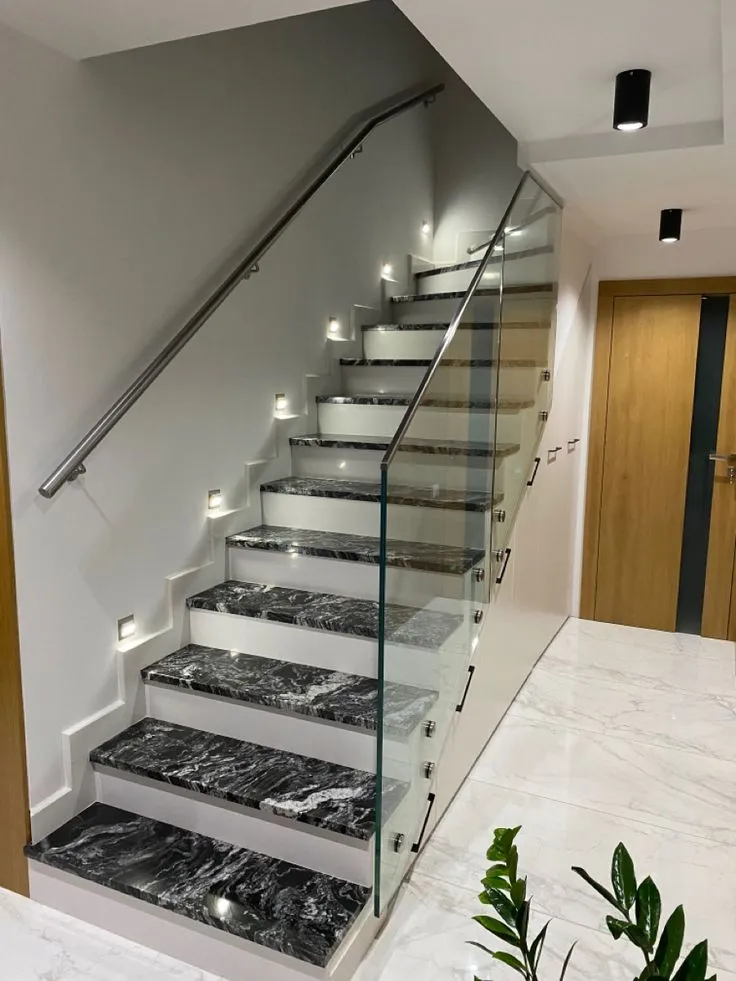
The staircase, often considered merely a functional conduit between floors, is in fact a pivotal element in home architecture, demanding a meticulous balance of safety, durability, and aesthetic appeal. Far from being a simple pathway, it serves as a primary vertical circulation route, an emergency egress, and frequently, a central design feature that defines the character of a multi-story residence. The choice of surfacing material for treads and risers is not merely an aesthetic decision but a fundamental safety imperative, directly impacting the well-being of occupants. Industry statistics reveal that falls, particularly on stairs, account for a significant percentage of home accidents annually, underscoring the critical need for materials that offer superior traction and clear visual delineation. According to the National Safety Council, falls are a leading cause of unintentional injury, with stair-related incidents contributing substantially to emergency room visits.
The Undeniable Importance of Staircase Safety and Ergonomics
The inherent design of a staircase, involving a series of elevated steps, presents a heightened risk of falls compared to flat surfaces. Each ascent or descent concentrates body weight onto a relatively small foot area, making balance acutely dependent on the coefficient of friction between footwear and the step surface. While a glossy, polished tile might be aesthetically pleasing and acceptable in a low-traffic living room, such materials pose an unacceptable hazard on stairs. This risk is amplified for vulnerable populations, including young children whose motor skills are still developing, the elderly who may experience diminished balance and vision, and individuals with mobility impairments, for whom a minor slip can lead to severe injury or even long-term disability. The principles of universal design increasingly advocate for staircases that are safe and accessible for all age groups and physical capabilities.

Beyond tactile friction, visual clarity plays an equally crucial role in stair safety. The human eye relies on clear distinctions to perceive depth and boundaries, a phenomenon known as contrast sensitivity. Uniform patterns or monochromatic schemes across an entire staircase can create a visual illusion, blurring the edge of each step and significantly increasing the risk of missteps or stumbles, especially in varied or low-light conditions. This visual ambiguity can lead to what is known as "stair blindness," where the brain struggles to correctly interpret the spatial relationship between steps. Therefore, effective staircase design must integrate both robust physical safety features and intelligent visual cues to guide occupants securely and intuitively.
Common Pitfalls in Staircase Material Selection and Design
Despite the critical nature of staircase design, several recurring errors are frequently observed in residential construction and renovation projects. These oversights, often driven by aesthetic preferences or cost-saving measures, invariably compromise safety and long-term functionality. A comprehensive review of architectural and interior design projects highlights four primary mistakes that homeowners and builders should actively avoid:
1. Excessively Slippery Surfaces:
A prevalent mistake is the application of highly polished or glazed tiles on stair treads, often in pursuit of a luxurious or expansive aesthetic. Materials such as highly polished marble, granite, or glazed porcelain tiles, while visually appealing, become dangerously slick when exposed to moisture, dust, or even certain types of footwear like socks. The low coefficient of friction offered by such materials creates a perilous environment where a momentary lapse in attention can result in a severe fall. Experts from the National Floor Safety Institute (NFSI) consistently advise against using materials with a low Dynamic Coefficient of Friction (DCOF) in high-risk areas like stairs, recommending a DCOF of 0.42 or higher for wet environments. The financial and logistical burden of rectifying such an error, often involving the complete removal and replacement of the installed material, far outweighs any initial perceived aesthetic gain, leading to significant unforeseen renovation costs.

2. Ambiguous or Absent Step Nosing:
The "step nosing," the projecting edge of a stair tread, serves a dual purpose: it provides a clear visual and tactile boundary for each step and protects the edge of the tread material from wear and tear. A common oversight involves installing standard flat tiles without any specialized nosing profile. This results in sharp, unprotected edges that are prone to chipping and are difficult to discern, particularly in dim lighting or for individuals with impaired vision. Without a defined nosing, the visual continuity of the stairs can be disrupted, leading to spatial disorientation and increased tripping hazards. Modern design principles advocate for integrated nosing solutions that enhance both safety and durability, often specified as a requirement in building codes for public and residential structures.
3. Visually Overwhelming or Conflicting Patterns:
While visual contrast is essential for delineating steps, an overabundance of highly contrasting or busy patterns across the entire staircase can paradoxically create confusion. Designs featuring strong, repetitive patterns, such as a black-and-white checkerboard across every tread and riser, can induce visual fatigue and disorient occupants, especially when moving quickly or if they suffer from certain visual conditions. The human brain struggles to process excessive visual information in motion, making such designs counterproductive to safety. Effective design leverages contrast judiciously, focusing on subtle yet clear demarcation lines, typically at the leading edge of the tread, rather than across the entire surface, to provide sufficient visual cues without creating sensory overload.
4. Sterile and Uninviting Aesthetics:
Materials like natural stone or unadorned ceramic tiles inherently possess a cool, sometimes stark, visual quality. Without thoughtful integration and complementary design elements, a long expanse of such stairs can evoke the impersonal feel of a public building or an emergency stairwell, detaching it from the warmth and comfort of a residential interior. This effect is often exacerbated by monotonous grey palettes and inadequate lighting, creating an uninviting space that fails to harmonize with the surrounding living areas. Interior design principles emphasize creating continuity and warmth, even in functional areas like stairs, through material choices, lighting, and integration with the overall home aesthetic, contributing to a more pleasant and cohesive living environment.
Establishing Standards for Safe and Anti-Slip Staircase Surfaces

The selection of staircase materials must adhere to stringent safety standards. Not all flooring materials are created equal, and understanding their technical specifications is paramount to ensuring occupant safety.
Texture: The Foundation of Friction:
The primary characteristic to seek in stair surfacing is a high-friction texture. Materials with a matte, unpolished, or rustic finish are ideal. These surfaces incorporate micro-pores or subtle topographical variations that create increased resistance against footwear, significantly reducing the likelihood of slips. Rustic textures, with their deliberate irregularities and slight relief, provide an even stronger grip. This intrinsic texture ensures secure footing even in the presence of minor moisture or dust, a common occurrence in residential settings. Modern anti-slip ceramics and porcelain tiles are engineered to offer this enhanced grip without compromising ease of cleaning, a significant advancement over older, rougher surfaces that could trap dirt.
Understanding Anti-Slip Ratings (R-Rating and DCOF):
The slip resistance of flooring materials is scientifically quantified through specific rating systems. The most widely recognized is the R-Rating (Ramp Test, based on German DIN standards), which measures the angle at which a person begins to slip on an inclined, oiled surface. The scale ranges from R9 (minimal slip resistance, suitable for dry indoor areas) to R13 (maximum slip resistance, designed for industrial wet areas).
For residential staircases, a minimum R-Rating of R10 is generally recommended. This level provides sufficient grip for typical indoor conditions and is still relatively easy to maintain. However, for staircases located in semi-outdoor areas, such as those exposed to rain splash or high humidity, an R11 rating or higher is strongly advised to ensure optimal safety. An R12 or R13 rating is typically reserved for commercial kitchens or highly wet industrial environments, often being too aggressive for residential comfort.

Another crucial standard, particularly in North America, is the Dynamic Coefficient of Friction (DCOF), which measures the frictional resistance of a surface when wet. The ANSI A326.3 standard specifies a minimum DCOF of 0.42 for level interior floors subject to water exposure. While not explicitly for stairs, a higher DCOF value indicates better wet slip resistance, a critical factor for stair safety. Architects and designers increasingly consider both R-Rating and DCOF values to ensure comprehensive slip prevention, often consulting tile manufacturers’ technical data sheets for precise specifications.
The Anatomy of a Modern, Safe Staircase
A thoughtfully designed staircase integrates specific components and considerations to maximize both safety and aesthetic appeal.
The Essential Role of Step Nosing:
Step nosing is a non-negotiable feature for any safe staircase. It can be achieved in two principal ways, each with its own advantages:

- Integrated (Bullnose) Tiles: Some manufacturers produce ceramic or porcelain tiles with a factory-molded, rounded edge (bullnose) specifically for stair treads. These often include subtle grooves or textured strips along the leading edge to enhance grip and visual definition. This method creates a seamless and cohesive look, minimizing grout lines at the edge.
- Applied Nosing Profiles: Alternatively, distinct profiles made from durable materials like aluminum, PVC, or rubber can be installed at the junction of the tread and riser. These profiles not only offer a robust protective edge that resists chipping but also create a distinct visual and tactile marker, enhancing step recognition. Many modern aluminum nosing profiles also incorporate anti-slip inserts and subtle channels that help prevent liquids from dripping onto lower steps, improving overall cleanliness and safety. The choice between integrated and applied nosing often depends on the overall design aesthetic and budget.
Strategic Color Transition for Clarity:
Monochromatic staircases can be visually monotonous and, more importantly, hazardous. A sophisticated and safe design strategy involves differentiating the colors of the tread (horizontal walking surface) and the riser (vertical face of the step). A common and highly effective approach is to use darker shades for the treads and lighter, often contrasting, tones for the risers. This creates a striking visual contrast that clearly delineates each step, making it easier for the eye to perceive the boundaries, especially in varying light conditions. The darker treads also have the practical benefit of camouflaging everyday scuff marks and dirt, reducing the frequency of visible cleaning. A popular combination involves rich, dark wood-look tiles for the treads paired with crisp, clean white or off-white tiles for the risers, creating an illusion of floating steps and adding a touch of contemporary elegance.
Precision in Grout Lines and Tile Proportions:
The quality of tile installation, particularly the grout lines (nat in Indonesian), significantly impacts both the aesthetic and the longevity of a tiled staircase. Given that standard residential stair treads typically range from 28 to 32 centimeters in width, using large-format tiles (e.g., 60×60 cm or 120×60 cm) is highly recommended. Larger tiles minimize the number of grout lines, resulting in a more expansive, cleaner, and








