
 Paryono Ramadhan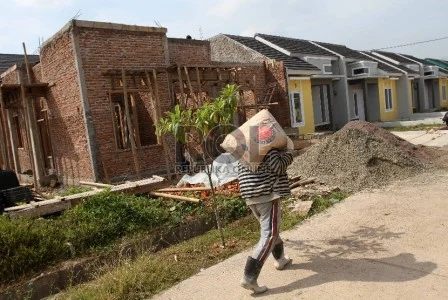
The Greater Jakarta area, particularly its vibrant satellite cities of Bogor, Depok, Tangerang, and Bekasi, collectively known as Bodetabek, continues to demonstrate immense potential in the eyes of property developers. This sustained interest is evidenced by numerous large-scale property projects currently underway across these metropolitan buffer zones, signaling robust growth and a strategic pivot towards integrated urban living. The burgeoning demand for housing, commercial spaces, and retail facilities, driven by a rapidly expanding population and decentralization of economic activities from Jakarta’s core, positions Bodetabek as a pivotal frontier for urban development in Indonesia. This trend, observed through early to mid-2015, underscores the evolving landscape of urban planning and investment patterns within one of Southeast Asia’s largest economies.
Aeropolis: A Vision for Airport-Integrated Living
One of the most ambitious undertakings is PT Intiland Development’s Aeropolis project, strategically located in close proximity to Soekarno-Hatta International Airport (Soetta). This visionary development aims to create a fully integrated ecosystem, seamlessly blending residential, office, retail, and cargo facilities to cater to the diverse needs of the airport community and its surrounding areas. The strategic rationale behind Aeropolis is clear: Soekarno-Hatta Airport is not merely a transportation hub but a significant economic engine, employing thousands and attracting extensive business operations. The project seeks to address the critical need for convenient and comprehensive facilities for airport employees, frequent travelers, logistics companies, and related businesses, who often require accommodation, workspace, and essential services within easy reach of the airport.
Didik Riyanto, the Director of the Aeropolis project, elaborated on the phased rollout of its offerings, highlighting the launch of the latest product: Onyx Residence Apartments. This vertical living concept is designed to comprise three towers, each spanning eight floors. As of the stated period, two of these towers had successfully completed construction, reflecting the developer’s commitment and progress. The third tower’s construction was strategically planned to commence once market absorption of units in the initial two towers reached satisfactory levels, a common practice in large-scale property development to manage supply and demand effectively. This approach allows developers to gauge market sentiment and adapt their rollout strategy, minimizing risks while optimizing sales.
Riyanto emphasized that Onyx Residence is specifically designed to cater to individuals working within or frequently visiting the Soekarno-Hatta Airport area. The intrinsic characteristic of this demographic, he noted, is a pronounced need for residential proximity to their workplaces or operational bases. Internal company analysis conducted by Intiland Development projected a high future demand for housing around Soekarno-Hatta Airport, thereby bolstering the company’s confidence in launching such a significant project. This foresight into demographic needs and lifestyle preferences has been a cornerstone of Aeropolis’s development strategy.
Aeropolis, conceived as a large-scale, long-term endeavor, had already demonstrated significant market success by March 2014. Since its initial launch, the project had successfully sold an impressive 4,000 units, encompassing a diverse range of property types including residential units, office spaces, warehousing facilities, hotel accommodations, and retail outlets. This robust sales performance underscored the strong market appetite for integrated developments and affirmed Aeropolis’s position as a pioneering "airport city" concept in Indonesia. Riyanto expressed firm conviction that the introduction of Onyx Residence would further solidify Aeropolis’s standing as a premier integrated zone around Soekarno-Hatta Airport, enhancing its appeal as a comprehensive live-work-play environment. The project is an embodiment of modern urban planning, aiming to reduce commuting times, improve quality of life, and create a self-sustaining community around a major transit point.
Metland Cyber City: A New Urban Hub in Tangerang
Beyond the airport periphery, other major developers were also making significant strides. The Ascendas Group, a prominent Singapore-based real estate conglomerate, in collaboration with PT Metropolitan Karyadeka Development (MKD), embarked on an ambitious mixed-use project spanning 9.7 hectares within the expansive Metland Cyber City in Tangerang, Banten. This partnership brought together international expertise and local market understanding, promising a development of global standards tailored to local needs.
Manohar Khiatani, CEO and President of the Ascendas Group, articulated the vision for this project, explaining that it would integrate a harmonious blend of office spaces, apartments, retail outlets, and various supporting facilities. This comprehensive approach was designed as a direct response to the escalating business expansion in Jakarta’s peripheral regions, where companies and professionals increasingly seek integrated environments that support their business operations and lifestyle requirements. The concept of mixed-use development, which promotes walkability and provides residents with easy access to amenities, has gained considerable traction globally as a sustainable urban planning model.
Nanda Widya, President Director of PT MKD, expressed enthusiastic support for the collaboration, emphasizing the growing importance of integrating living spaces with workplaces and other essential facilities for the business community. Widya succinctly captured the project’s ethos: "The spirit is for the area to be a place to work, live, and play." This philosophy reflects a modern understanding of urban living, where convenience, community, and quality of life are paramount. The Metland Cyber City project aims to create a vibrant ecosystem where residents can pursue their careers, enjoy their leisure time, and foster a strong sense of community, all within a single, well-planned environment.
The development strategy for Metland Cyber City involved a phased approach, with the first phase slated to commence in 2016. This initial stage would focus on developing 1.3 hectares out of the total 9.7 hectares. Subsequent phases would be progressively launched based on market absorption and demand for the initial offerings, a prudent strategy to ensure sustained growth and mitigate market risks. The comprehensive plan for this area included the construction of apartments, residential housing, and office spaces, complemented by a full suite of supporting facilities designed to enhance the living and working experience.
Widya highlighted the highly strategic location of Metland Cyber City, underscoring its excellent accessibility. The development benefits from easy access to the Jakarta-Merak Toll Road via a new direct exit at Kilometer 11, significantly reducing travel times to and from Jakarta. Furthermore, several major arterial roads traverse the area, enhancing connectivity to other parts of Tangerang and beyond. This superior connectivity is a major draw for both residents and businesses, facilitating commutes and logistical operations. Tangerang itself is increasingly recognized as a prime property destination for professionals commuting from Jakarta, contributing to its high capital gain potential. The steady influx of residents and businesses has historically driven property values upward, making it an attractive investment hub.

Shifting Investment Landscape: Bogor Takes the Lead
While Tangerang has long been a favored destination for property investment, recent market dynamics indicated a notable shift in preferences. A mid-year survey conducted in 2015 by General Manager Mario Gaw revealed that Bogor, West Java, had emerged as the top choice for property investment among respondents, effectively displacing Tangerang from its long-held leading position. This survey, conducted online over a period of 1.5 months in January 2015, provided valuable insights into evolving investor sentiment.
According to the survey findings, Bogor secured the top rank, capturing 37 percent of investor preference. Tangerang and Bekasi followed in subsequent positions, still demonstrating strong appeal but no longer commanding the highest share. Within the DKI Jakarta region, South Jakarta continued to be the most favored area for property acquisition, a testament to its enduring prestige, comprehensive amenities, and strategic location. Gaw clarified that such surveys are routinely conducted twice a year, serving as crucial additional reference points for stakeholders within the property industry, including developers, investors, and policymakers. These periodic assessments help in understanding market trends, identifying emerging opportunities, and anticipating future challenges.
The shift towards Bogor can be attributed to several factors. Known for its cooler climate, lush greenery, and mountainous landscape, Bogor offers a more tranquil and less congested environment compared to the bustling urban sprawl of Jakarta and its immediate neighbors. Its appeal as a residential choice is further enhanced by its growing infrastructure, presence of reputable educational institutions, and emerging tourism sector. For investors, Bogor presents opportunities for potentially higher capital appreciation as it transitions from a traditional weekend getaway destination to a more established residential and commercial hub. The relatively lower land prices compared to Jakarta and even parts of Tangerang also make it an attractive entry point for investors seeking long-term growth.
Financing Trends and Consumer Confidence
Beyond geographical preferences, the survey also shed light on consumer financing trends, offering critical insights into how property acquisitions are being funded. The findings indicated that a substantial 75 percent of respondents continued to rely on traditional bank loans as their primary source of credit for property purchases. This high percentage underscores the enduring trust in established financial institutions and the perceived stability and security offered by conventional mortgage products. Banks typically offer competitive interest rates, structured repayment plans, and a comprehensive regulatory framework, making them a preferred choice for many buyers.
However, the survey also revealed a significant and emerging trend: 53 percent of respondents considered credit programs offered directly by developers as an innovative and viable option for acquiring property, including homes, apartments, shophouses (ruko), and other types of real estate. This growing interest in developer-offered financing schemes highlights a shift in consumer behavior and an increasing openness to alternative funding mechanisms. Developer credit programs often feature more flexible payment terms, lower initial down payments, and sometimes even interest-free installments for a certain period, making property ownership more accessible to a wider segment of the population. These programs can be particularly attractive to first-time homebuyers or those who may not immediately qualify for conventional bank loans.
The dual preference for both bank loans and developer credit programs indicates a sophisticated market where consumers are exploring various avenues to realize their property ownership dreams. It also signals that developers are becoming more agile and responsive to market demands, offering tailored financial solutions to stimulate sales and cater to diverse buyer needs. This trend implies a potential for increased collaboration between developers and financial institutions to create hybrid financing models that combine the strengths of both approaches, further broadening access to property ownership.
Broader Implications and Future Outlook
The continued expansion of property development in Bodetabek carries significant broader implications for regional planning, economic growth, and urban sustainability. The concentration of integrated mixed-use projects like Aeropolis and Metland Cyber City reflects a broader strategy to decentralize urban functions from Jakarta, alleviating congestion in the capital while creating new economic centers in its periphery. This decentralization fosters job creation in these satellite cities, reduces daily commuting burdens for residents, and stimulates local economies through increased commercial activity and infrastructure development.
However, this rapid growth also presents challenges. The increased population density and urban footprint will necessitate substantial investments in supporting infrastructure, including public transportation networks, road improvements, water and sanitation systems, and green spaces. Sustainable urban planning practices will be crucial to mitigate potential negative impacts such as traffic congestion, environmental degradation, and strain on public services. Developers and local governments must work in tandem to ensure that growth is managed responsibly, promoting livability and environmental stewardship.
The evolving preferences of property investors, as evidenced by Bogor’s ascent, suggest a growing demand for properties that offer a blend of urban convenience and natural tranquility. This trend could influence future development strategies, with a greater emphasis on creating green communities and integrating natural landscapes into urban designs. The market’s responsiveness to diverse financing options also indicates a dynamic and adaptable property sector, poised to meet the needs of a wide range of buyers.
In conclusion, the Bodetabek property market, as observed in the mid-2010s, was characterized by robust growth, innovative integrated developments, and a shifting landscape of investor preferences. Projects like Aeropolis and Metland Cyber City exemplify the ambition and strategic vision of developers in capitalizing on the region’s potential. The insights from market surveys underscored the importance of understanding consumer behavior and financing trends, providing valuable guidance for future growth. As Indonesia continues its urbanization trajectory, Bodetabek remains at the forefront of this transformation, shaping the future of metropolitan living in the archipelago. The ongoing evolution of these satellite cities will undoubtedly continue to be a key indicator of the broader economic health and urban development trends in the nation.








