Azin Asro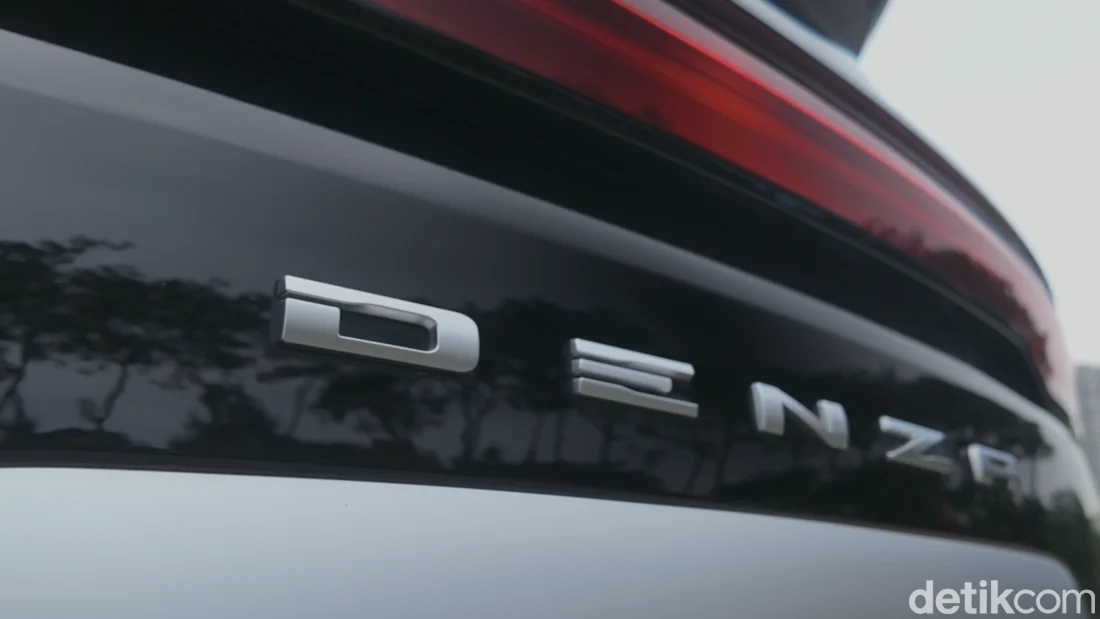
The Chinese electric vehicle giant BYD is currently navigating a complex legal landscape in Indonesia as it seeks to secure the rights to the "Denza" brand name, a premium sub-brand that is central to its global expansion strategy. Despite facing significant setbacks in the Indonesian court system, including a recent rejection by the Supreme Court (Mahkamah Agung), the company remains steadfast in its pursuit of the trademark. The dispute highlights the intricate challenges international corporations face regarding intellectual property rights in Southeast Asia’s largest economy, particularly within the rapidly evolving automotive sector.
Luther T. Panjaitan, the Head of Public and Government Relations for PT BYD Motor Indonesia, addressed the ongoing legal situation during a press briefing in Jakarta on Wednesday, May 20, 2026. He emphasized that the legal process is far from over and that the company is prepared to follow every necessary judicial step to reclaim what it believes is its rightful intellectual property. The core of the dispute centers on the fact that the "Denza" name in Indonesia was previously registered by a local entity, PT Worcas Nusantara Abadi, and has since been transferred to another individual or entity, PT Raden Reza Adi.
The legal journey for BYD in Indonesia has been fraught with challenges. In April 2025, the Central Jakarta District Court (Pengadilan Negeri Jakarta Pusat) delivered a significant blow to the automaker by rejecting its initial lawsuit against PT Worcas Nusantara Abadi regarding the use of the Denza name. The court’s decision, under Case No. 1/Pdt.Sus-HKI/Merek/2025/PN.Niaga.Jkt.Pst, was presided over by Chief Judge Betsji Siske Manoe, alongside member judges Sutarno and Adeng Abdul Kohar. The panel ruled to reject BYD’s claims in their entirety and ordered the company to pay court costs amounting to Rp 1,070,000.
Unwilling to accept the lower court’s decision, BYD Company Limited filed a cassation appeal to the Supreme Court. However, the highest court in the land upheld the previous ruling. In the Supreme Court decision No. 1338 K/PDT.SUS-HKI/2025, the bench rejected BYD’s appeal while simultaneously granting a petition from PT Worcas Nusantara Abadi. The court noted a critical procedural and substantive issue: the ownership of the Denza trademark had already shifted from PT Worcas Nusantara Abadi to PT Raden Reza Adi. Consequently, the court deemed BYD’s lawsuit "error in persona," as it was directed at the previous owner rather than the current registered holder of the trademark.
The Strategic Importance of the Denza Brand
The intensity of BYD’s legal pursuit is understood through the lens of Denza’s global positioning. Denza was originally established as a 50:50 joint venture between BYD and Mercedes-Benz (then Daimler AG) in 2010. Over the years, BYD increased its stake to 90%, taking the lead in product development and technology. The brand is positioned as a high-end luxury EV label, bridging the gap between BYD’s mainstream "Ocean" and "Dynasty" series and its ultra-luxury "Yangwang" brand.
In international markets, Denza is best known for the D9, a luxury MPV that has seen immense success in China, often outselling established rivals like the Toyota Alphard. For the Indonesian market, where large luxury MPVs are a status symbol and a highly profitable segment, the Denza D9 is considered a crucial product for BYD’s local portfolio. Losing the right to use the Denza name would not only complicate marketing efforts but could also dilute the brand’s global prestige as it enters the Indonesian archipelago.
Luther Panjaitan reiterated that while the company respects the Indonesian judicial system, it maintains that the Denza brand inherently belongs to BYD. "We believe that what should be the right of BYD in this case, Denza, must return to Denza," Panjaitan stated. He acknowledged that the current legal situation remains "unclear" or "not yet clean," but he expressed hope that future legal maneuvers or negotiations would eventually resolve the matter in BYD’s favor.
Contingency Planning: The Introduction of Danza
Recognizing the possibility of a prolonged legal stalemate or a permanent loss of the trademark, BYD Indonesia has already begun preparing a "Plan B." The company has successfully secured the registration of a backup brand name: "Danza." This move is a strategic safeguard designed to ensure that the company can proceed with its product launches even if the "Denza" name remains legally blocked.
"While this situation still appears unsettled, we have secured several brands that we can use as a backup, namely the Danza brand," Panjaitan explained. This approach mirrors strategies used by other global firms that have encountered "trademark squatting" or prior registrations in Indonesia. By having "Danza" ready, BYD can maintain its launch timelines for premium models, though the company clearly prefers to utilize its global identity.
The use of a secondary name like Danza would involve a significant rebranding exercise, including changing badges on vehicles, updating marketing materials, and educating the public that Danza is indeed the same luxury line as the global Denza brand. Industry analysts suggest that while this is a viable workaround, it is an expensive and less-than-ideal solution for a company aiming for global brand synergy.
Trademark Law in Indonesia: The First-to-File Principle
The challenges faced by BYD are rooted in Indonesia’s "First-to-File" trademark system, governed by Law No. 20 of 2016 concerning Marks and Geographical Indications. Under this principle, the first party to register a trademark with the Directorate General of Intellectual Property (DJKI) is generally granted the exclusive rights to that name, regardless of whether they were the original creators or if the brand exists internationally.
This system has historically led to numerous disputes where international brands find their names already registered by local individuals or companies. Notable past cases in Indonesia include the legal battles involving IKEA, Pierre Cardin, and Monster Energy. In some instances, international brands have successfully argued that their trademarks are "well-known" (merek terkenal), which provides a higher level of protection even without local registration. However, proving "well-known" status requires meeting stringent criteria, including global reach, extensive advertising, and high sales volume, which can be difficult to demonstrate to the satisfaction of Indonesian courts if the brand has not had a long-standing official presence in the country.
In the case of Denza, the transfer of ownership from PT Worcas to PT Raden Reza Adi during the litigation process added a layer of complexity that ultimately led to the "error in persona" ruling. This serves as a cautionary tale for multinational corporations regarding the importance of early trademark filing and the need for constant monitoring of trademark registries in emerging markets.
Market Implications and BYD’s Commitment to Indonesia
Despite the trademark hurdles, BYD remains one of the most aggressive players in Indonesia’s burgeoning electric vehicle market. The company recently announced a massive investment to build a manufacturing plant in the Subang Smartpolitan industrial area in West Java. This facility is expected to serve as a production hub for both domestic consumption and export to other ASEAN markets.
The legal battle over the Denza name is viewed by many as a minor speed bump in BYD’s broader Indonesian strategy. Indonesia is a cornerstone of BYD’s Southeast Asian expansion, supported by the government’s ambitious goals to become an EV hub and its wealth of nickel reserves, a key component in EV batteries.
"We respect the decisions that have been set by the court," Panjaitan noted, signaling that BYD intends to play by the rules while exhausting all legal avenues. The company’s legal team is reportedly coordinating closely with global headquarters to determine the next steps, which may include filing a Request for Reconsideration (Peninjauan Kembali or PK) to the Supreme Court if new evidence or a clear error in the application of law can be identified.
Analysis of Potential Outcomes
Moving forward, there are three primary paths for BYD. The first is a continued legal offensive, potentially targeting the current trademark holder, PT Raden Reza Adi, to rectify the "error in persona" issue. This would involve a new lawsuit aimed at proving that the original registration was made in bad faith or that Denza qualifies as a well-known international brand that should be protected from local appropriation.
The second path is a commercial settlement. It is not uncommon for large corporations to simply buy out the rights from the local trademark holder. While this can be costly, it is often faster and more certain than years of litigation. Given BYD’s substantial resources and the strategic importance of the Denza brand, a private agreement might be the most pragmatic resolution.
The third path is the full adoption of the "Danza" name. While this would represent a tactical retreat, it would allow BYD to move forward without the shadow of legal uncertainty hanging over its premium vehicle launches. It would, however, set a precedent that might encourage further trademark challenges against the company’s other sub-brands or future models.
Conclusion
The Denza trademark dispute serves as a significant case study in the intersection of international business expansion and local intellectual property laws. For BYD, the stakes are high, involving not just a name, but the identity of its luxury segment in one of the world’s fastest-growing automotive markets. As the legal process continues to unfold through 2026, the industry will be watching closely to see if BYD can successfully reclaim its brand or if "Danza" will become the new face of Chinese luxury EVs in Indonesia.
Regardless of the name on the badge, BYD’s commitment to the Indonesian market remains firm. The company’s focus on infrastructure, manufacturing, and consumer education suggests that it views these legal challenges as manageable hurdles within a much larger, multi-decade growth plan. For now, the "Denza" versus "Danza" saga remains a testament to the complexities of the globalized economy and the enduring importance of protecting intellectual property in every jurisdiction.