Nila Kartika Wati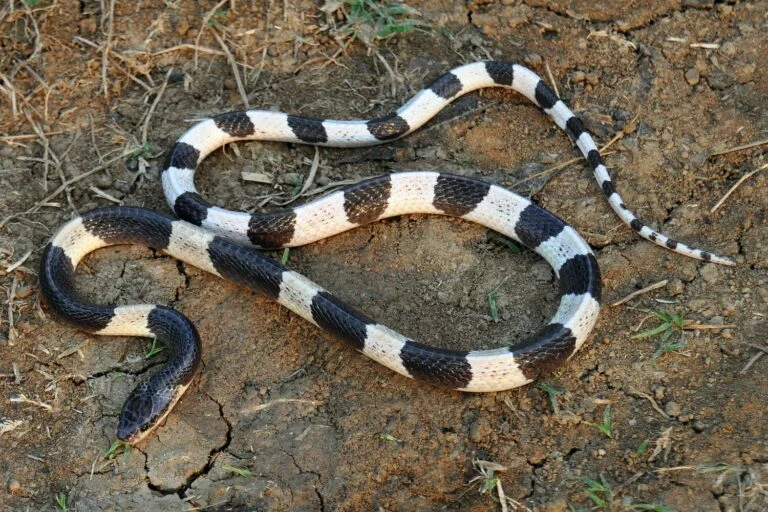
The global climate crisis is no longer a distant threat characterized solely by melting polar ice caps or rising sea levels; it has begun to fundamentally alter the biological map of the planet. Among the most concerning developments is the large-scale migration of venomous snakes into new territories. As global temperatures continue to climb, hundreds of species of venomous reptiles are shifting their ranges to escape inhospitable heat or to follow their prey into more temperate zones. This migration is increasingly bringing some of the world’s most dangerous predators into direct contact with human populations that are ill-prepared for such encounters.
A landmark study led by the World Health Organization (WHO) and researchers from the University of Melbourne has sounded the alarm on this emerging public health crisis. The research, published in the journal PLOS Neglected Tropical Diseases, provides a comprehensive analysis of how the distribution of 508 venomous snake species will change over the coming decades. The findings suggest that while many species will see their total habitat shrink, several of the most medically significant snakes—those responsible for the highest rates of mortality and morbidity—are poised to expand their reach into previously unaffected regions.
The Science of Migration: Mapping the Threat
To understand the scale of the coming shift, researchers utilized a massive dataset comprising public and private records, citizen science platforms, museum archives, and expert observations. They mapped the current distribution of venomous snakes at a high resolution of one square kilometer and then projected these distributions onto climate models for the years 2050 and 2090.
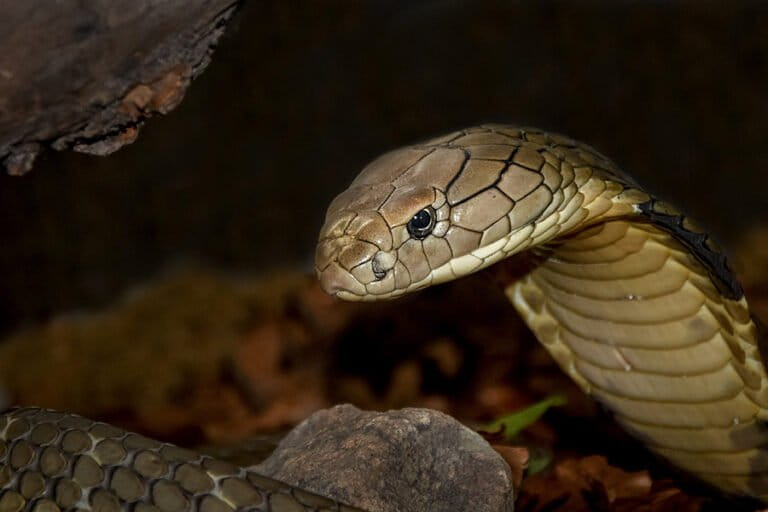
The study highlights a complex "push-and-pull" dynamic. On one hand, extreme heat and the destruction of ecosystems like wetlands and tropical forests are forcing snakes out of their traditional homes. On the other hand, regions that were once too cold for cold-blooded reptiles are becoming increasingly habitable. Because snakes are ectotherms—meaning they rely on external environmental temperatures to regulate their internal body heat—even a slight increase in average annual temperatures can open up vast new territories for colonization.
The researchers emphasize that this is not just a story of snakes moving; it is a story of "human-snake tumpang tindih" or overlap. David Williams, a leading expert from the WHO and the University of Melbourne and a co-author of the study, notes that the intersection between human activity and snake habitats is reaching a critical tipping point. The risk is no longer confined to deep jungles or remote wilderness; it is moving toward the backyards of suburban homes and the edges of expanding megacities.
Regional Breakdowns: Where the Danger is Growing
The geographic shifts identified in the study are diverse and vary significantly by continent. In North America, the cottonmouth moccasin (Agkistrodon piscivorus), a semi-aquatic viper known for its potent hemotoxic venom, is projected to move further north. Habitats as far north as New York could become viable for these snakes by the end of the century. Similarly, copperheads and various rattlesnake species are expected to adjust their ranges, potentially entering areas where healthcare providers have little experience treating envenomation.
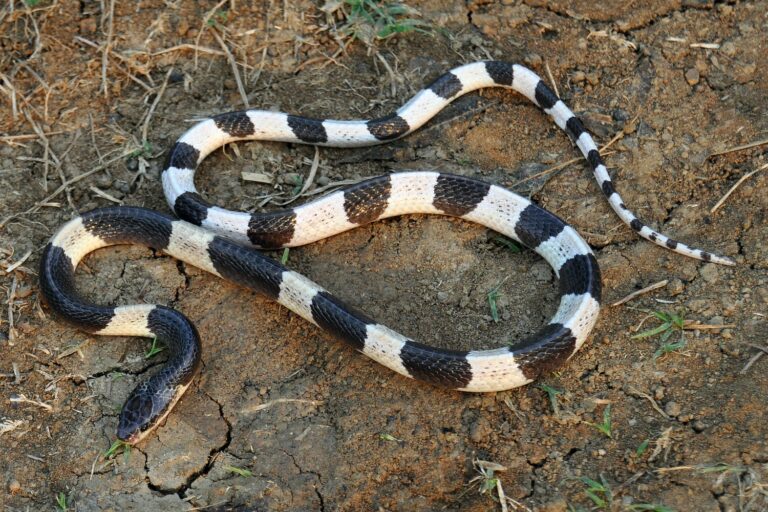
In Asia, the situation is even more dire. The continent already bears a massive burden of snakebite mortality, particularly in South Asia. The study projects that the "Big Four"—the Indian cobra, the common krait, Russell’s viper, and the saw-scaled viper—will shift their distributions from the southern regions of the Indian subcontinent toward the more densely populated northern plains. Furthermore, kraits in Southeast Asia are expected to migrate from the forests of Myanmar and China’s Yunnan province toward the urbanized centers of central and northern China.
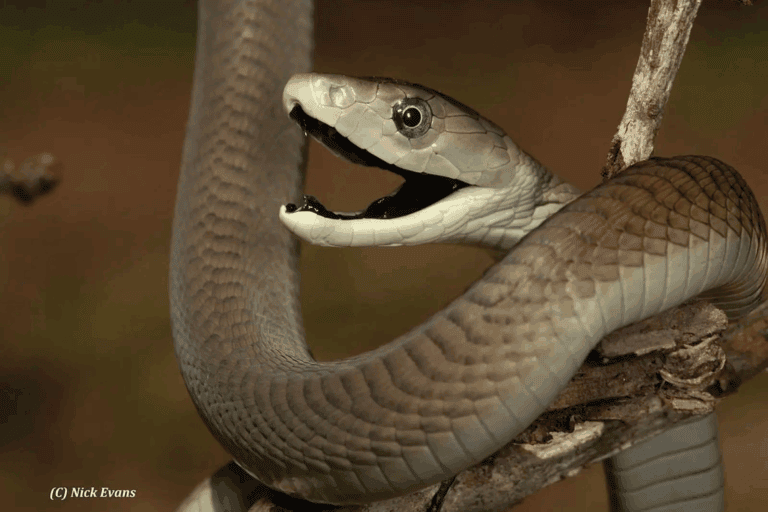
Africa presents another set of challenges. The black mamba (Dendroaspis polylepis), one of the world’s fastest and most venomous snakes, is predicted to lose habitat in parts of Ethiopia and Eritrea due to extreme aridification but will likely expand its presence in Nigeria, Somalia, and South Africa. The West African spitting cobra, capable of blinding its victims from a distance, is also seeing its range shift in response to changing rainfall patterns and agricultural expansion.
The Human Toll: Statistics of a Neglected Crisis
The human cost of snakebites is already staggering, yet it remains one of the most neglected tropical diseases (NTDs). Current estimates suggest that approximately 4 million people are bitten by snakes annually. While many bites are "dry" (no venom injected) or involve non-venomous species, roughly 138,000 people die each year from snakebite envenomation. Another 400,000 individuals suffer from permanent disabilities, including amputations, blindness, and severe scarring.
The majority of these tragedies occur in rural, impoverished communities where agricultural workers labor barefoot in fields. In India alone, snakebites claim an estimated 60,000 lives every year. The migration of venomous species into more populated areas threatens to drive these numbers even higher. When a species enters a new region, the local population often lacks the "snake awareness" necessary to avoid bites, and local clinics may not stock the specific antivenoms required for treatment.
Socio-Economic Disparity and the Antivenom Gap
The study brings into sharp focus the inequality of the snakebite crisis. Wealthy nations like Australia are home to some of the world’s most venomous snakes, yet they record very few deaths. This is due to several factors: the use of protective gear like leather boots, the mechanization of agriculture which keeps workers away from the ground, and a robust healthcare system that ensures antivenom is available within an hour of a bite.
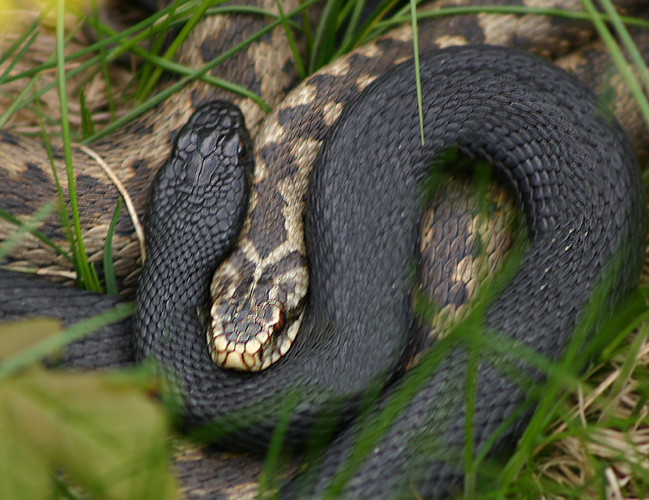
In contrast, in many parts of the Global South, a snakebite is often a death sentence or a precursor to lifelong poverty. Antivenom is expensive to produce, difficult to store (often requiring refrigeration), and highly species-specific. If a snake species moves into a new country, that country’s health ministry must not only recognize the new threat but also secure the funds to purchase and distribute the correct antivenom.
The researchers argue that their mapping data should serve as a roadmap for international health organizations. By predicting where snakes will be in 30 to 70 years, authorities can begin the long process of building cold-chain infrastructure, training medical staff, and educating the public in high-risk zones.
Biological and Ecological Implications
The migration of snakes is not just a threat to humans; it is a sign of ecological upheaval. As apex predators in many micro-ecosystems, snakes play a vital role in controlling rodent populations. When snakes move out of an area, the resulting surge in rats and mice can lead to crop destruction and the spread of other diseases, such as leptospirosis or hantavirus.
Conversely, the arrival of venomous snakes in new ecosystems can threaten local biodiversity. Native prey species that have not evolved alongside these predators may be decimated, leading to a cascade of extinctions. The study notes that while some snakes are "winners" in the climate change scenario by expanding their range, many others are "losers." Species with very specific habitat requirements, such as certain arboreal vipers or desert specialists, face a high risk of extinction as their unique environments disappear.
A Call for Integrated Policy and Preparedness
The researchers conclude that addressing the rising threat of snakebites requires a "One Health" approach—one that recognizes the interconnectedness of human health, animal health, and the environment. This includes:
- Enhanced Surveillance: Improving the reporting of snakebite incidents in remote areas to get a clearer picture of shifting trends.
- Climate-Informed Health Planning: Using predictive models to stockpile antivenom in regions where venomous species are expected to migrate.
- Public Education: Launching community-based programs to teach "snake-safe" behaviors, such as using torches at night and wearing protective footwear.
- Conservation Efforts: Protecting natural corridors that allow snakes to move without entering human settlements, thereby reducing the frequency of conflict.
As the planet continues to warm, the boundaries between the wild and the urban are blurring. The movement of venomous snakes is a stark reminder that the impacts of climate change are multi-faceted and often predatory. Without proactive intervention and global cooperation, the "silent crisis" of snakebites is poised to become a much louder and more widespread emergency, claiming lives in corners of the world that once thought themselves safe from the fangs of the wild.