
 Nila Kartika Wati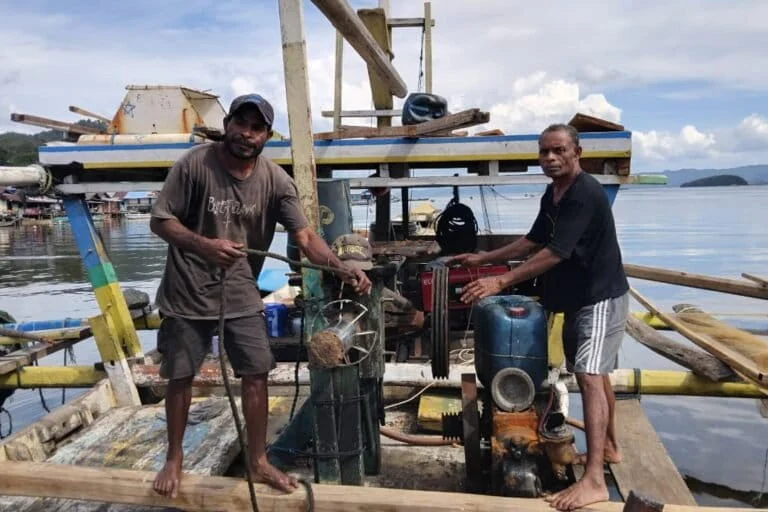
The coastal communities of Northern Papua, particularly those residing along the shores of Jayapura, are currently embroiled in a high-stakes dispute with energy sector contractors over the implementation of seismic surveys for a new oil and gas project. The tension, which reached a boiling point in mid-April 2026, centers on the unilateral destruction of 58 traditional fish-aggregating devices, known locally as rumpon, between December 2025 and March 2026. This act of industrial clearing has sparked widespread indignation among local fishers, who view the move as a direct threat to their food security and economic sovereignty.
The seismic surveys are part of the broader development plan for the Northern Papua Oil and Gas Block, an area identified by the government as having significant potential for hydrocarbon reserves. However, the intersection of national energy interests and the subsistence-based economy of indigenous coastal populations has created a volatile situation, pitting the promises of regional fiscal growth against the immediate survival needs of approximately 4,200 families who depend on these waters.
The Significance of the Rumpon to Coastal Livelihoods
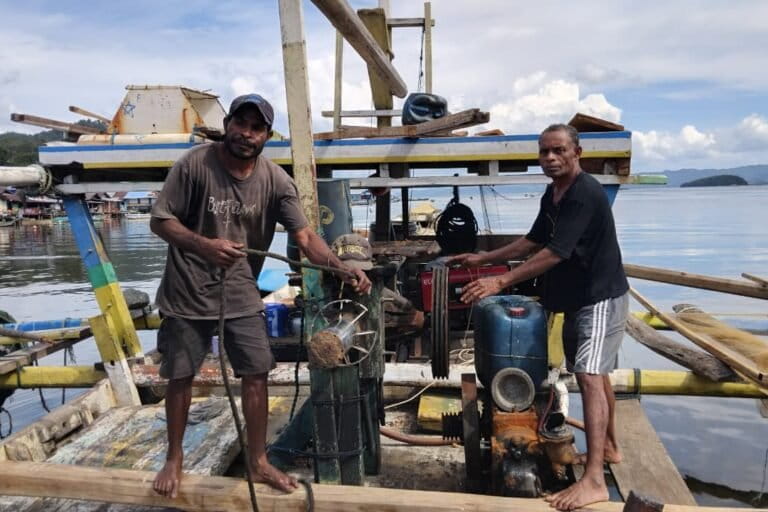
For the artisanal fishers of Jayapura, the rumpon represents far more than a mere fishing tool; it is the backbone of their household economy. These structures—ingeniously crafted from repurposed iron, heavy-duty rope, and coconut fronds—function as artificial reefs. By providing shelter and a habitat for microorganisms, they attract schools of fish, effectively creating a sustainable "dapur" or kitchen for local families.
Kosmos Kendi, a representative of the BW Woi fishermen’s group, articulated the frustration felt by many when he stated that the destruction of these structures is akin to the destruction of their livelihoods. "That rumpon is our kitchen; they are disturbing our kitchen," he noted during a protest at the Papua Marine and Fisheries Office. The loss of these devices has effectively forced many fishers to return to port empty-handed, exacerbating an already difficult situation caused by unfavorable weather patterns that have suppressed catch volumes over the past year.
Chronology of the Dispute
The conflict began to manifest in late 2025 as preliminary seismic survey activities commenced in the coastal districts of Northern and Southern Jayapura. Without formal notification or community consultation, the survey contractors began removing obstacles in their path to ensure clear lines for seismic data collection.
- December 2025 – March 2026: Contractors removed 58 rumpon across key fishing grounds to facilitate seismic survey vessels.
- Early April 2026: Local fishermen realized the systemic nature of the disappearances and organized a collective response.
- April 15, 2026: A formal protest was lodged at the Papua Department of Marine and Fisheries, demanding accountability and a halt to the unauthorized removal of property.
Economic and Environmental Stakes
The Northern Papua oil and gas sector is touted by policymakers as a vital opportunity to boost local fiscal revenue. However, critics argue that the methodology employed ignores the "Blue Economy" already functioning in the region. The coastal area in question is a critical supplier for the Jayapura fish markets, serving as a primary source of protein for the urban population.
Asbani, a coordinator for the local fishermen, highlighted the looming threat of industrialization: "When the project hasn’t even begun full operations, they have already wiped out our fishing grounds. If they fully operate, we will have nothing left to eat." The fears expressed by the fishing community are grounded in concerns over long-term environmental degradation. Specifically, fishermen cite the risk of oil spills, the noise pollution generated by high-intensity seismic air guns, and the permanent alteration of the seabed due to anchor placement and pipeline installation.
Official Responses and Conflicting Perspectives
The local government has found itself caught between the pressure to support national energy initiatives and the duty to protect its constituents. Iman Djuniawal, the Head of the Papua Marine and Fisheries Department, expressed regret regarding the handling of the survey operations. He emphasized that 80% of traditional fishermen in the province rely on these systems, and that industrial development must not come at the expense of existing, proven economic engines. "We need fiscal additions from other resources, but we must ensure it does not negatively impact the income potential that is already functioning," Djuniawal stated.
Conversely, representatives for the contractors, including Tommy Sinaga, a spokesperson for PT Huatong Service Indonesia, maintain that the company has acted within its rights. According to Sinaga, the firm claims to have conducted the necessary outreach and asserts that compensation for the destroyed rumpon has already been processed. Furthermore, the company maintains that the modern technology utilized for the seismic surveys is designed to minimize environmental impact and that the risk of pollution is being managed according to international safety standards.
Academic Analysis: The Human Cost of Energy Expansion
Nathan Baransano, an academic expert in Marine Science at Cendrawasih University, offers a sobering analysis of the situation. According to Baransano, the conflict is not merely about the destruction of equipment but about the inevitable displacement of human activity in the interest of industrial extraction.
"The potential for oil and gas development in these waters will almost certainly lead to the exclusion of local fishermen from their traditional access zones," Baransano explained. He argues that the project suffers from a lack of integrated planning. A truly sustainable approach, he suggests, would require a comprehensive impact assessment that weighs the social, cultural, and environmental costs equally against potential economic gains. Without this, the project risks creating a permanent socio-economic divide, where the benefits of energy wealth flow upward while the costs are borne entirely by the local coastal population.
Implications for Future Development
The standoff in Jayapura serves as a microcosm of the challenges facing Indonesia’s energy transition and resource extraction policies. As the government seeks to maximize domestic energy production, the clash with traditional fishing communities highlights the critical need for "Free, Prior, and Informed Consent" (FPIC).
The case also raises significant legal and ethical questions regarding the rights of small-scale fishers in areas earmarked for mineral or hydrocarbon exploration. If the government fails to reconcile these conflicting land and sea-use priorities, the resulting instability could lead to prolonged litigation, social unrest, and potential reputational damage for the companies involved.
Moving forward, the situation in Northern Papua will likely serve as a litmus test for how the regional government balances the extraction of natural resources with the preservation of indigenous livelihoods. The demand from the fishermen for transparency, fair compensation, and a seat at the decision-making table reflects a growing awareness of their rights in the face of large-scale industrialization. For the people of Jayapura, the sea is not just a resource; it is a legacy, and the current dispute underscores that any development strategy that fails to account for this cultural and economic reality is destined for conflict.
As of late April 2026, the situation remains fluid, with community leaders demanding a formal review of the survey permits and an immediate halt to further destruction of marine infrastructure until a mutually agreeable mediation process is established. The resolution of this conflict will likely dictate the trajectory of future energy projects in the region, setting a precedent for how Papua manages the delicate equilibrium between its natural wealth and the people who have stewarded it for generations.









