
 Nila Kartika Wati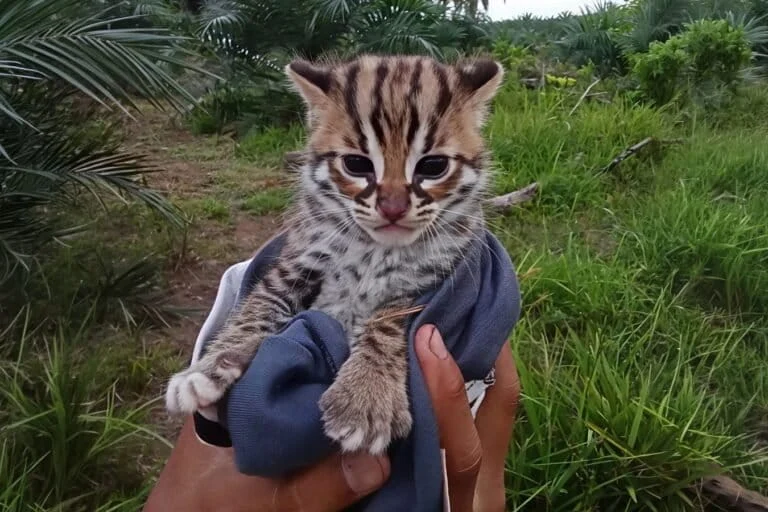
The leopard cat (Prionailurus bengalensis), known locally in Indonesia as the kucing kuwuk, stands as a critical yet increasingly vulnerable predator within the nation’s diverse ecosystems. Often mistaken for a common domestic house cat due to their physical similarities, these wild felids are frequently subjected to habitat encroachment, accidental poisoning, and illegal capture. As urbanization expands and agricultural frontiers push into wild corridors, the boundary between human activity and the leopard cat’s natural habitat has blurred, leading to a silent crisis that threatens both the species’ survival and the ecological balance of rural landscapes.
The Ecological Significance of the Leopard Cat
The leopard cat is a small wild felid widely distributed across Asia. Unlike domestic cats, they are highly specialized predators that play a vital role in maintaining the health of forest edges and agricultural peripheries. Their primary diet consists of small mammals, particularly rodents, making them a natural biological control agent against pests that threaten crop yields. By regulating rodent populations, leopard cats indirectly support agricultural productivity and help mitigate the spread of diseases often carried by vermin.
Despite their functional importance, they remain one of the most overlooked species in the global conservation discourse. As an apex predator at a micro-ecosystem level, their disappearance from a landscape can trigger a trophic cascade, leading to an overpopulation of rodents, which in turn necessitates higher use of chemical pesticides by farmers, further degrading the environment.
The Anatomy of Conflict: Ignorance and Neglect
Erwin Wilianto, an independent conservation practitioner and member of the IUCN-SSC Cat Specialist Group, identifies two primary drivers behind the negative interactions between humans and leopard cats: ignorance and neglect. According to Wilianto, who is also the founder of SINTAS—a foundation dedicated to wildlife conservation—many of the threats faced by these animals are not born of malice but of a profound misunderstanding of the animal’s nature and status.
In many rural Indonesian communities, a leopard cat found near a farm is often perceived as a nuisance or a competitor. When farmers deploy traps meant for agricultural pests, they rarely distinguish between a rat and a wild carnivore. Similarly, the indiscriminate use of rodenticides creates a toxic ripple effect. When a rodent consumes poisoned bait and subsequently dies, its carcass remains a potential meal for scavenging predators. When a leopard cat consumes these poisoned remains, it suffers from secondary poisoning, a slow and often fatal process that depletes the population silently and out of public view.
The Myth of Domestication
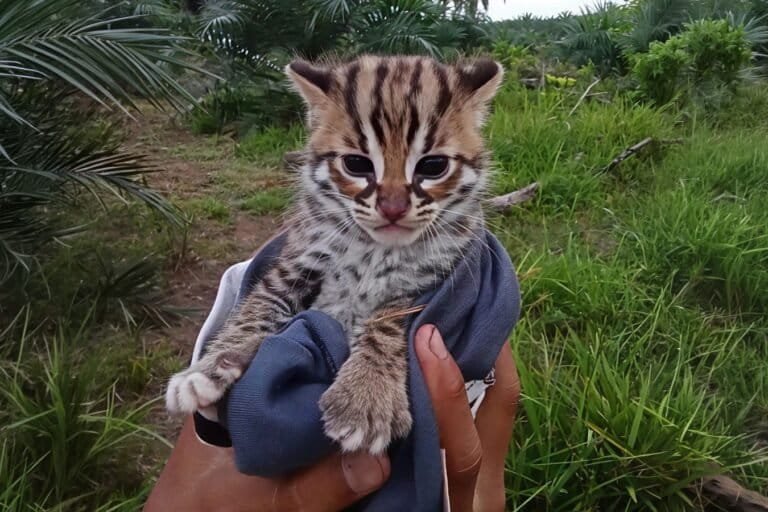
A recurring issue highlighted by conservationists is the misconception that leopard cats are suitable as exotic pets. This belief is often fueled by the visual resemblance between young leopard cats and domestic kittens. Meidi Yanto, Conservation Manager for In-Situ at the Cikananga Wildlife Rescue Center, notes that human-wildlife encounters frequently begin with a well-intentioned but misguided act of "rescue."
"Members of the public often find a lone leopard cat kitten and assume it has been abandoned by its mother," Yanto explains. "They take the animal in, believing they are saving it, when in reality, the mother was likely nearby hunting or scouting for food."
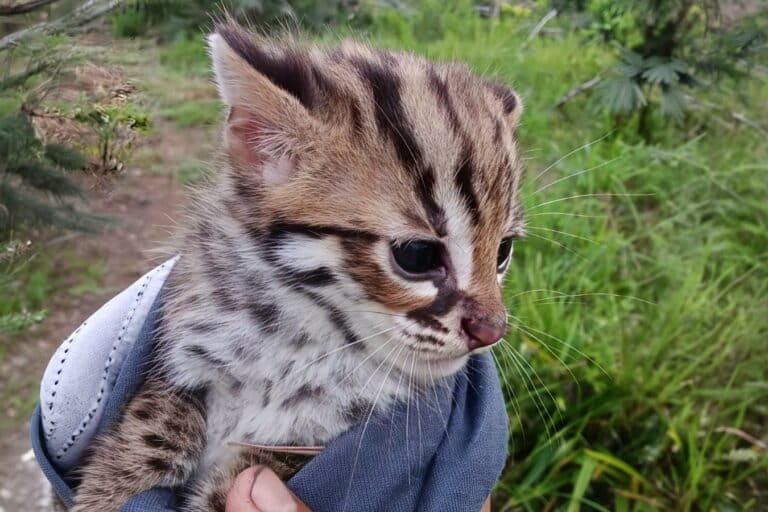
This practice of human intervention often leads to the permanent removal of the animal from its natural habitat, which is detrimental to the survival of the species. Furthermore, because leopard cats are protected under Indonesian law, keeping them as pets is not only ecologically harmful but also a violation of national conservation regulations. The illegal trade of leopard cats, driven by the demand for exotic pets, exacerbates the pressure on wild populations, though documentation of these incidents remains inconsistent due to the difficulty of monitoring clandestine wildlife trafficking.
Historical Context and Legal Framework
The legal status of the leopard cat in Indonesia is clearly defined, yet enforcement remains a challenge. As a protected species, the capture, trade, or keeping of leopard cats is prohibited. However, the lack of systematic data collection on human-wildlife conflicts hinders the development of targeted policy responses.
Since the early 2020s, there has been a growing emphasis among conservation groups to establish a more robust monitoring framework. While large-scale national surveys are expensive and difficult to execute, local NGOs like SINTAS and the Cikananga Conservation Center have been pushing for community-based monitoring programs. These programs aim to educate local populations on how to distinguish between domestic cats and leopard cats, and more importantly, how to report injured wildlife to the Natural Resources Conservation Agency (BKSDA) rather than attempting to keep them.
Bridging the Divide: The Concept of Coexistence
The long-term survival of the leopard cat depends on a paradigm shift toward "coexistence." As Wilianto emphasizes, conservation is not a one-size-fits-all endeavor. The strategies used to engage urban populations must differ significantly from those used with communities living on the forest fringe.

"The effort must be targeted, consistent, and context-aware," Wilianto notes. In rural areas, the messaging focuses on the economic benefits of having a natural predator nearby—the reduction of rodent populations that would otherwise destroy crops. By framing the leopard cat as a "partner" in agriculture rather than an intruder, conservationists hope to reduce the reliance on traps and poisons.
This philosophy of stewardship is not entirely foreign to local traditions. In some regions, such as the Muria area in Kudus, local communities have historically adopted a spiritual approach to conservation, viewing the forest as an "amanah" or trust from the divine. Integrating these local values into modern conservation strategies has shown promise in fostering a culture of protection rather than exploitation.
The Risk of Secondary Poisoning: A Scientific Perspective
The physiological impact of modern agriculture on non-target species is a growing concern for wildlife biologists. The use of anticoagulants and fast-acting neurotoxins for rodent control has been linked to the decline of small carnivores globally. While empirical data in Indonesia specifically regarding the mortality rate of leopard cats due to secondary poisoning is still in its infancy, the ecological indicators are clear.
When a predator occupies a habitat where chemical intervention is high, its survival rate drops. If the leopard cat population declines, the local ecosystem loses its primary check on rodent growth. This forces farmers to increase their reliance on chemicals, creating a negative feedback loop that harms both the environment and human health. Breaking this cycle requires a move toward Integrated Pest Management (IPM), which prioritizes biological control—the very service provided by the leopard cat—over chemical alternatives.
Future Outlook and Policy Recommendations
To ensure the survival of the leopard cat, a multi-faceted approach is required. This includes:
- Enhanced Data Collection: Establishing a national database for reporting sightings and human-wildlife conflicts to allow for evidence-based policymaking.
- Community Engagement: Implementing educational programs that reach the rural populations who live in closest proximity to these cats, focusing on the benefits of coexistence and the illegality of keeping wild animals as pets.
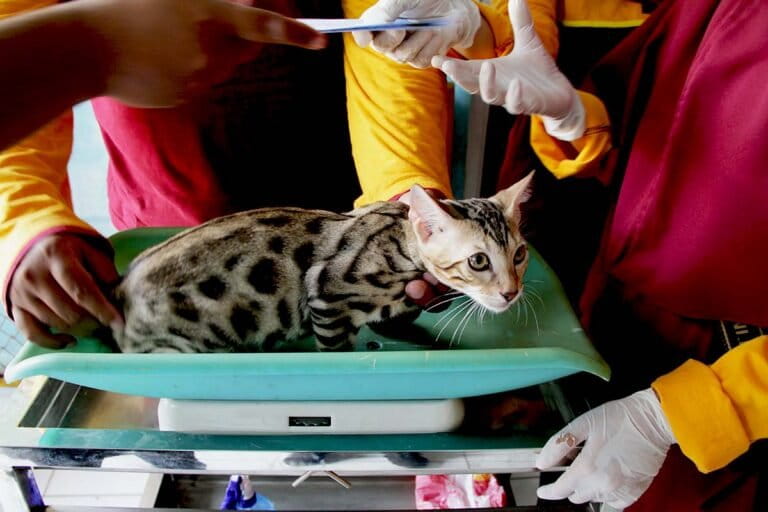
- Law Enforcement: Strengthening the capacity of the BKSDA to respond to wildlife distress calls and clamping down on the illegal trade of protected small felids.
- Agricultural Reform: Incentivizing the use of natural pest control methods and educating farmers on the dangers of indiscriminate poison use.
As the human population continues to grow and agricultural expansion continues, the space for wild animals will inevitably shrink. However, the case of the leopard cat proves that development and conservation do not have to be mutually exclusive. By fostering a deeper understanding of the vital role these animals play in the health of our environment, it is possible to transform a potential conflict into a partnership.
The leopard cat is more than just a forest inhabitant; it is a sentinel of the ecosystem. Its survival is intrinsically linked to the health of the fields and forests that sustain human society. Protecting this small predator is, ultimately, a form of self-preservation for the delicate biological systems upon which we all depend. As the conservation community moves forward, the focus must remain on practical, localized solutions that honor the delicate balance between the wild and the domesticated world. The goal is to move beyond the reactive measures of the past and toward a future where the silent, nocturnal movements of the leopard cat are viewed not as a threat, but as a sign of a thriving, resilient, and balanced natural world.









