Nila Kartika Wati
The global building and construction sector is set to take center stage at the 31st Conference of the Parties (COP31) to the United Nations Framework Convention on Climate Change, scheduled to be held in Turkey in November 2026. This heightened focus follows the "Belem Call to Action" for sustainable and affordable housing, marking a pivotal moment in international climate diplomacy. Recently, the United Nations Environment Programme (UNEP) and the Global Alliance for Building and Construction (GlobalABC) released the Global Status Report for Buildings and Construction 2025-2026, a comprehensive document that urges stakeholders to shift their perspective. The report argues that buildings should no longer be viewed merely as a significant contributor to environmental degradation but as a vital platform for simultaneous solutions regarding climate change, housing affordability, and urban resilience.
As the world grapples with the dual crises of a changing climate and a growing housing deficit, the decisions made today regarding the built environment will have multi-generational consequences. Martin Krause, Director of the Climate Change Division at UNEP, emphasized during the report’s launch that because a vast majority of the floor space required for the future has yet to be constructed, current policy and design choices will dictate global emission levels, public health outcomes, and overall quality of life for decades. Krause noted that the necessary solutions—ranging from advanced energy efficiency to the integration of renewable energy and the use of sustainable materials—are already available and commercially viable; the challenge lies in their rapid and widespread implementation.
The Scale of the Construction Crisis: Data and Chronology
The findings of the report, titled Building Fast, Falling Short as Climate Risks Rise and Cities Grow, underscore the staggering scale of the sector’s impact. Oliver Rapf, Executive Director of the Buildings Performance Institute Europe (BPIE) and a lead contributor to the study, highlighted that the construction and building industries are central to the global economy, representing between 11% and 13% of the world’s average Gross Domestic Product (GDP). However, this economic weight comes with a heavy environmental price. Currently, the sector accounts for approximately 37% of global energy-related carbon dioxide (CO2) emissions and consumes nearly one-third of the world’s total energy. Furthermore, the industry is responsible for nearly 50% of all global material extraction, from sand and gravel to steel and cement.
The physical footprint of the human environment is expanding at an unprecedented rate. According to the report, the global building floor area has reached approximately 273 billion square meters, reflecting a 1.7% increase in a single year. To put this growth into perspective, the world is essentially adding the equivalent of the entire city of Berlin four times over, or twenty times the area of Delhi, every year. Crucially, 77% of this new construction consists of residential housing, which also accounts for about 70% of the sector’s total energy demand.

Despite the 2015 Paris Agreement’s mandate to limit global warming to well below 2 degrees Celsius, the building sector’s trajectory remains alarming. The research team utilized the Global Buildings Climate Tracker to monitor progress and found a significant divergence from the necessary path. While emissions needed to drop by 30% to align with dekarbonization targets, they have instead risen by 6.5% since 2015. Although energy consumption is growing at a slower rate than floor area, the absolute demand continues to climb, threatening to overwhelm the benefits of incremental efficiency gains.
Regional Trends and the Policy Gap
The report reveals a stark geographical divide in energy consumption trends. Europe stands as the only region where energy demand in the building sector has shown a consistent decline. This success is attributed to the European Union’s comprehensive policy packages, which have been implemented over several years and are now yielding tangible results through strict building codes and large-scale renovation programs. In contrast, other regions—particularly Sub-Saharan Africa, the Middle East, Eurasia, and the Asia-Pacific—are experiencing explosive growth in construction, which is driving up global energy consumption and emissions.
While the energy intensity per square meter is decreasing globally, the rate of improvement is insufficient. To prevent a catastrophic rise in global temperatures, the report suggests that the intensity of energy use must be reduced much more aggressively. Furthermore, while the share of renewable energy in the sector has increased by 4.7 percentage points since 2015, this also falls short of the ideal pathway. The integration of renewable energy for heating and cooling, in particular, has yet to become a mainstream practice in most developing economies.
Investment in energy efficiency within the building sector is growing, with global figures hovering between $270 billion and $300 billion annually. However, the report estimates a cumulative investment need of $5.9 trillion by 2030 to meet climate goals. Current funding levels represent only about two-thirds of what is required, despite a three-fold increase in the number of green building certifications globally. Hanane Hafraoui, a Programme Officer at GlobalABC, remarked that while the sector is currently on the wrong path, the situation is far from hopeless. She argued for a "reversal of trends" that involves more strategic use of public funds to create a market demand for low-carbon solutions and the massive retrofitting of existing structures.
The Cooling Crisis: A Case Study of Indonesia
The challenge of decarbonizing buildings is particularly acute in rapidly developing tropical nations like Indonesia. Data from the International Finance Corporation (IFC) indicates that the building sector currently accounts for 30% of Indonesia’s energy consumption, a figure expected to rise to 40% by 2030. Green buildings in the archipelago have demonstrated the potential to reduce utility costs by 30% to 80% compared to standard structures, yet adoption remains limited.

A significant emerging threat to Indonesia’s climate targets is the surge in demand for space cooling. A study by CLASP reveals that currently, only 6% of Indonesian households own an air conditioner (AC). However, as temperatures rise and the middle class expands, this figure is projected to skyrocket to 85% by 2050. The danger lies in the current market preference for low-efficiency AC units. Without stringent efficiency regulations, this massive influx of appliances will lead to a surge in electricity demand and carbon emissions, potentially crippling the national power grid and increasing financial burdens on households.
Field tests conducted in Jakarta, Medan, and Bali have shown that inverter-type AC units—which adjust power usage based on cooling needs—consume significantly less electricity than non-inverter models. In Jakarta specifically, inverter units provided energy savings of approximately 28%. While these units have a higher upfront cost, the long-term savings on electricity bills eventually offset the initial investment. In response, the Indonesian government has begun introducing energy efficiency policies for various household appliances, including fans, televisions, refrigerators, and rice cookers. These measures are estimated to reduce CO2 emissions by 100 megatons and save 136 terawatts of energy by 2030.
Financial Models and Vernacular Architecture
Addressing the funding gap requires a shift away from a total reliance on public grants. Martin Krause suggested that a combination of public and private financing is essential. He advocated for closer collaboration between architects and developers to integrate energy-efficient technologies and passive cooling strategies at the earliest stages of design. "If these elements are incorporated from the beginning rather than added as retrofits, the costs are significantly lower," Krause explained. Furthermore, energy-efficient buildings are increasingly attractive to the private market because they guarantee lower monthly utility bills for residents, creating a self-sustaining investment cycle.
Oliver Rapf pointed to "vernacular architecture"—design principles derived from local culture and adapted to specific climatic conditions—as a highly successful but underutilized strategy. He argued that the primary obstacle is not a lack of technology, but rather a failure to apply existing knowledge during the design phase and a lack of market support for sustainable practices. In Indonesia, this is exemplified by traditional structures like the houses of the Kanekes (Baduy) people or the Naga village, which utilize natural materials and passive ventilation.
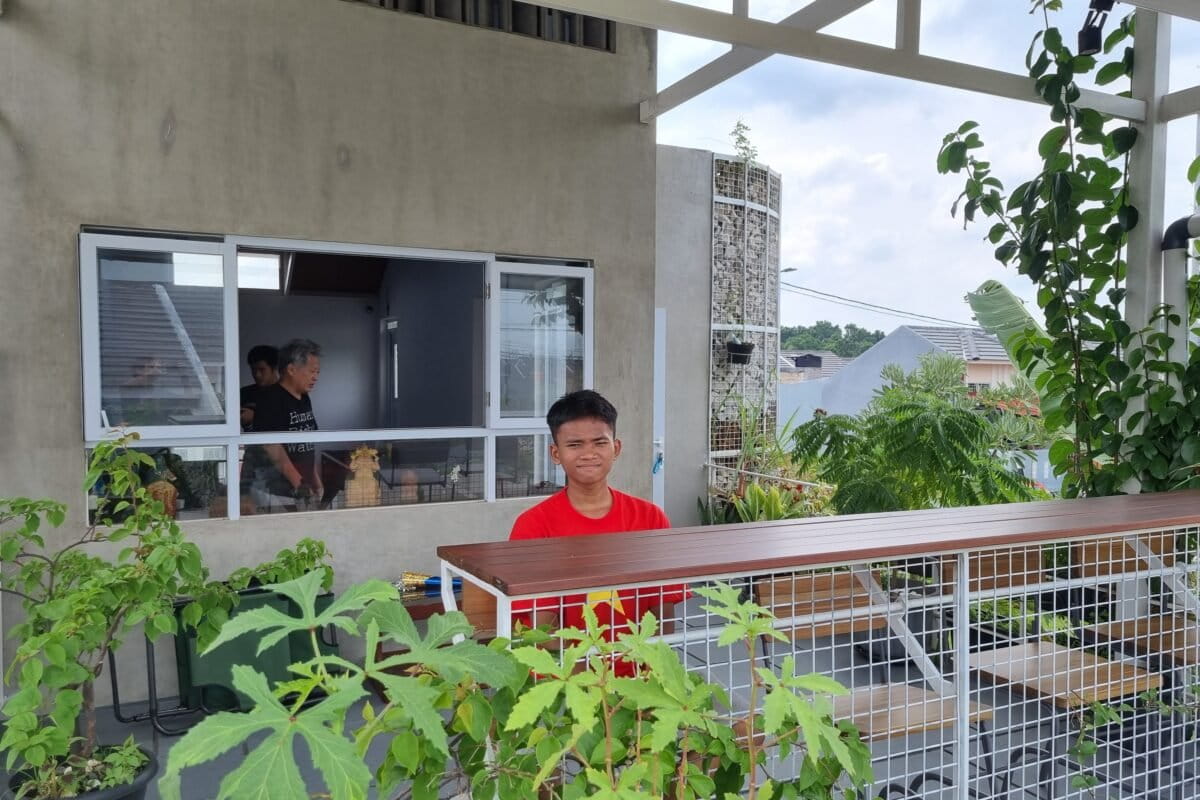
Yu Sing, a prominent Indonesian architect and founder of Anakoma Studio, echoed these sentiments, calling for a comprehensive policy package that encourages emission-minimizing designs for both residential and commercial buildings. He noted that even luxury developments can benefit from passive design, water conservation, and the use of sustainable materials from certified sources. However, he emphasized that building-level efficiency is not enough; it must be supported by urban planning that prioritizes "green corridors" and pollution reduction to lower overall city temperatures.
Implications and the Road to COP31
The transition toward a net-zero building sector carries profound implications for global climate policy and economic stability. If the current trajectory continues, the sector will remain a primary driver of environmental degradation, exacerbating the risks of urban heat islands and energy poverty. Conversely, a successful shift toward sustainable construction could trigger a "green renovation wave," creating millions of jobs and improving the resilience of cities against extreme weather events.
As the international community prepares for COP31 in Turkey, the pressure on governments to implement mandatory building codes and performance standards will likely intensify. The Global Status Report for Buildings and Construction 2025-2026 serves as a stark reminder that the "cleanest energy is the energy we do not use." By focusing on a 25% reduction in energy intensity by 2030 and tripling the share of renewables in the sector within the next six years, the global community has a narrow but viable path to success. The integration of smart systems, energy storage, and electrification will transform buildings from passive consumers into active participants in the global energy transition, shielding the public from the volatility of fossil fuel prices and securing a more sustainable future for the 273 billion square meters of floor space that shelter the human race.