Nila Kartika Wati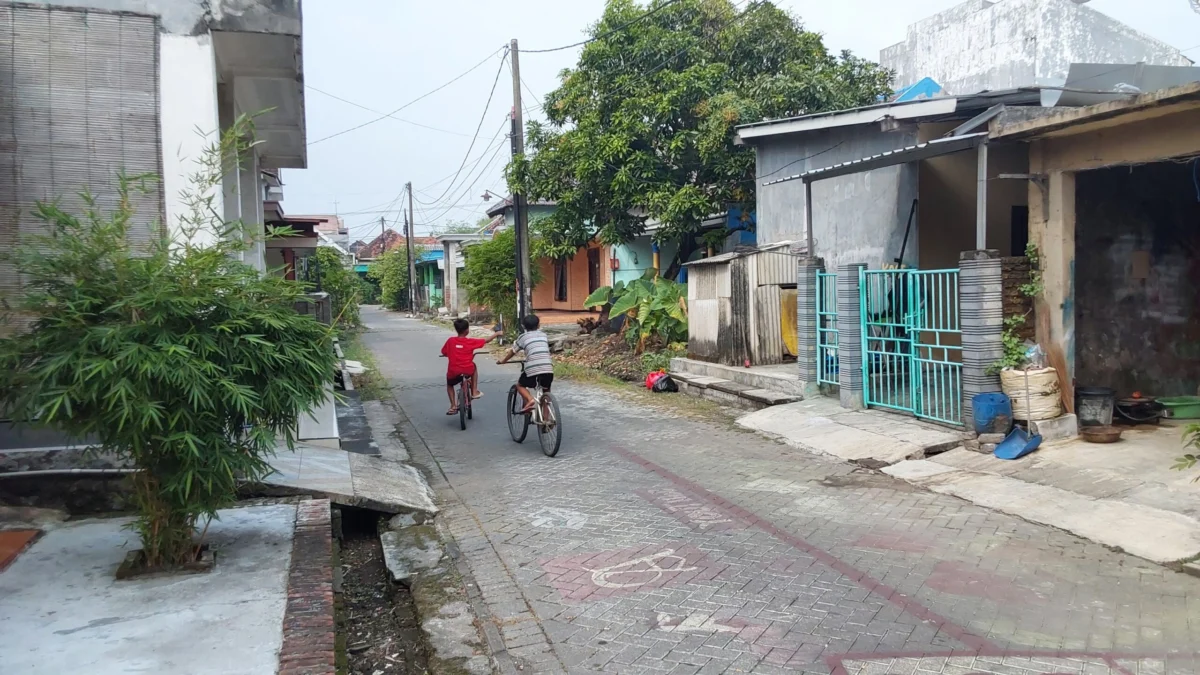
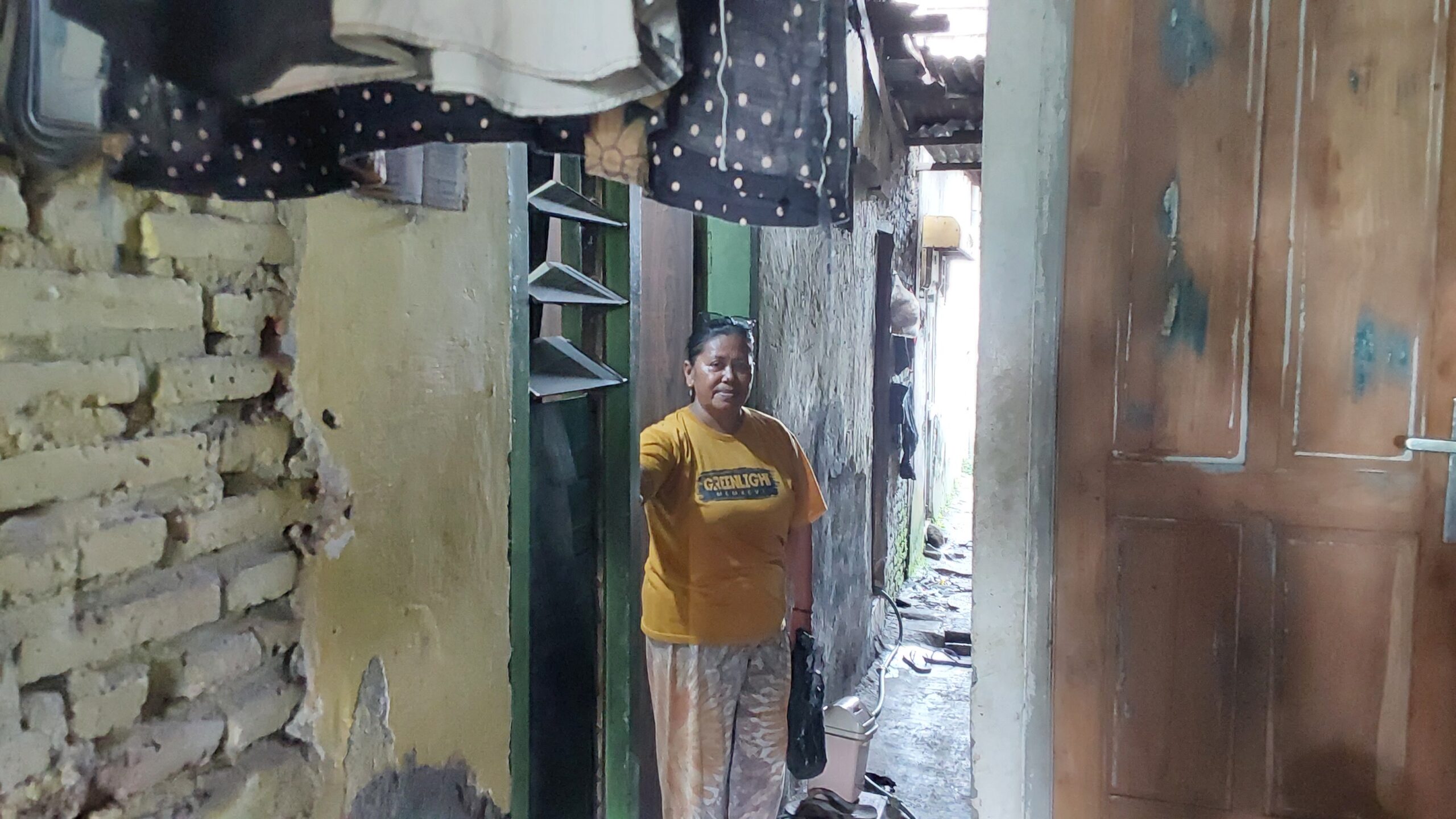
The sweltering heat of East Java does not deter Muna Ariyanti as she meticulously organizes rows of motorcycles within a semi-permanent structure near the towering levees of the Lapindo mudflow. On any given day, approximately 45 vehicles are parked in her care, each generating a modest fee of Rp5,000. For Muna, this is not merely a business; it is a survival strategy in a landscape that has been physically and socially hollowed out by one of the world’s most persistent environmental disasters. Located less than 30 meters from the Porong Railway Station in Sidoarjo, her parking service caters to commuters from Pandaan, Pasuruan, and Ngoro who transit toward Surabaya or Blitar. While the station remains a hub of activity, the surrounding neighborhood—once the vibrant Kelurahan Mindi—has become a ghost of its former self.
Two decades after the initial eruption of hot mud in May 2006, the area around the Lapindo embankment remains a site of profound human and environmental crisis. Muna is one of the few who refused to leave. She lives in a cramped 3×5-meter space behind her parking area with three other family members, including her son, a recent vocational school graduate. Before the mudflow, this area was the economic heartbeat of the region, anchored by the bustling Porong Market. Today, the market has been leveled and replaced by a park, and the community has dwindled from a thriving urban center to a scattered collection of roughly 20 families. For Muna, the decision to stay was not born of defiance, but of economic necessity. The compensation offered for her small plot of land was insufficient to purchase a new home elsewhere, especially when divided among her extended family. Her story reflects a broader, systemic failure to provide sustainable relocation for those caught in the path of industrial catastrophe.
A Chronology of Catastrophe and Displacement
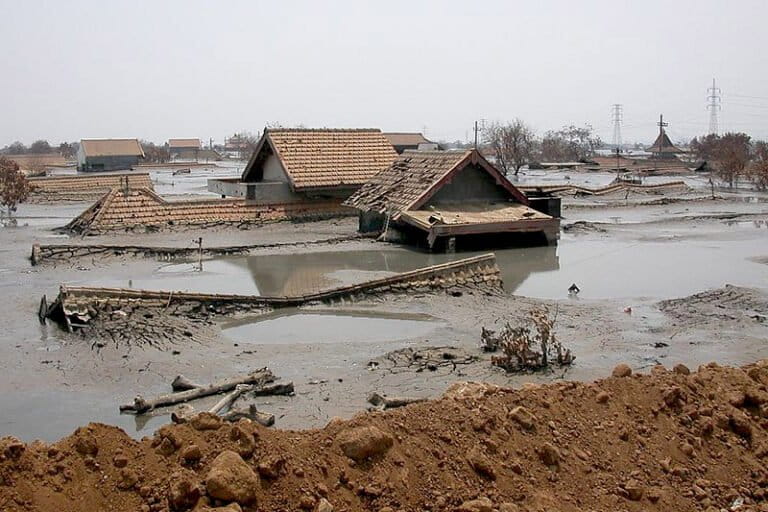
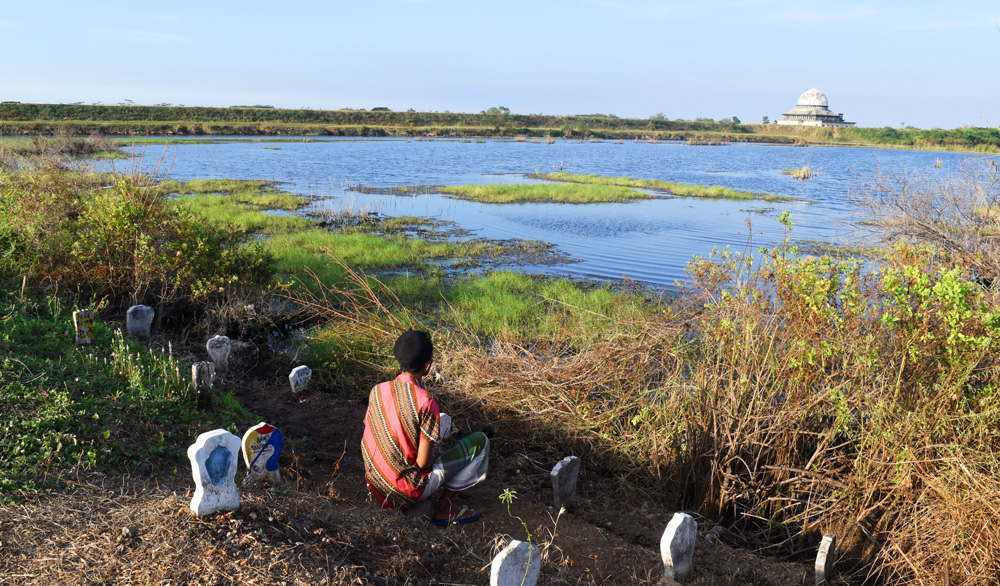
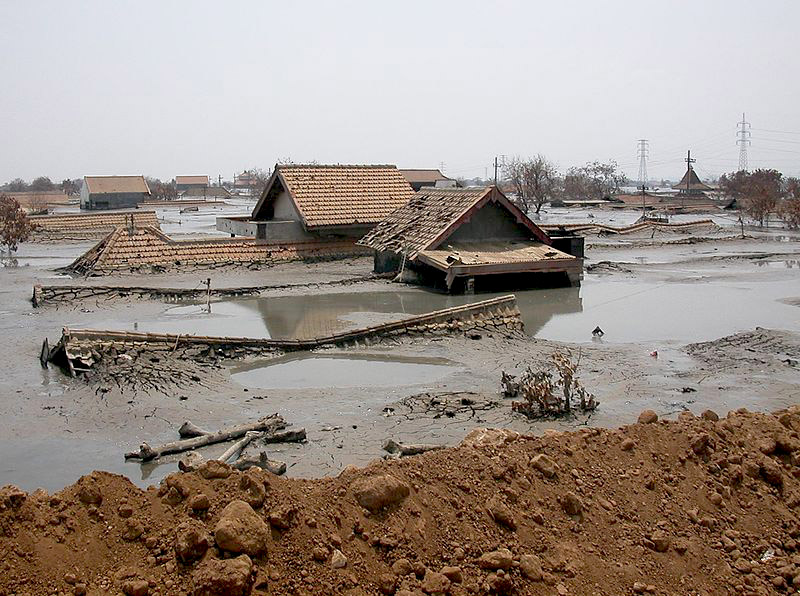
The Lapindo mudflow, also known as the Lusi (Lumpur Sidoarjo) disaster, began on May 29, 2006, following a blowout at the Banjar Panji-1 exploration well operated by Lapindo Brantas. At its peak, the volcano spewed up to 180,000 cubic meters of mud per day, eventually submerging more than 600 hectares of land across several villages. The disaster displaced over 40,000 people, destroyed dozens of factories, and severed vital infrastructure, including the Surabaya-Gempol toll road and major rail links.
In the immediate aftermath, the Indonesian government and the operating company engaged in a protracted legal and political battle over whether the eruption was a natural disaster (caused by a remote earthquake) or a result of drilling negligence. While the courts eventually leaned toward the natural disaster narrative, the social reality for victims was one of fractured lives. Compensation schemes were introduced, but they were often mired in bureaucratic delays and disputes over land valuation.
For residents of villages like Renokenongo, the path to a new life was even more arduous. Siti Mukaidah, another survivor, recalls the four-year period she and her neighbors spent living in the Porong New Market as refugees. They were members of the "Pagar Rekontrak" group, which refused the government’s initial relocation offers, demanding fair full payment before moving. Eventually, Siti and 60 other families moved to the Renojoyo Housing Complex in Kedungsolo, approximately six kilometers from the mudflow. While the physical distance provides a sense of safety from the advancing mud, the move came at the cost of their social and economic foundations.
The Health Toll: A Silent Crisis in the Shadow of the Levee
The environmental impact of the mudflow extends far beyond the visible sludge. For those living in close proximity to the levees, the air and water have become vectors for chronic illness. Muna Ariyanti recalls the early days of the eruption when the thick smoke and pungent sulfurous odors caused constant nausea and headaches. Over time, she says, the residents became "immune" to the smell—a psychological adaptation to a persistent toxin.
However, the physical consequences are undeniable. Muna’s husband, a security guard at the old Porong Market, died in 2008 from colon cancer. Muna herself now suffers from heart disease, a condition that surfaced after years of what she thought were simple stomach ailments. While a direct causal link between the mudflow’s emissions and these specific cases of cancer is difficult to prove without longitudinal clinical studies, the pattern of illness in the community is alarming.
In the Renojoyo relocation site, Siti Mukaidah reports a disturbing trend of terminal illnesses. In just the past two months, six residents have died, many from various forms of cancer, including nasal, thyroid, liver, and breast cancer. "After leaving the refugee camps and moving here, these illnesses started coming to light," Siti noted. The residents’ vulnerability is exacerbated by their economic status; many cannot afford specialized medical care and rely on herbal remedies or basic clinics. Furthermore, the water quality in these areas remains suspect. While Siti uses well water for bathing, the liquid is often turbid, forcing residents to purchase clean water from tank trucks for drinking and cooking—an added financial burden on a community already pushed to the brink.
Economic Erosion and the Loss of Social Cohesion
The tragedy of Lapindo is also a story of lost livelihoods. Before 2006, the Porong region was a center for agriculture and small-scale industry. The mudflow did not just bury houses; it buried jobs. Suri Wahono, a resident of the Renojoyo complex, was once a successful artisan specializing in silver and brass jewelry in Renokenongo. The disaster decimated his business and forced him to start from scratch in a 2×3-meter room in his new home.
The economic transition has been grueling. "I used to have employees; now I do everything myself to keep costs down," Wahono explained. He has had to pivot his craft from expensive silver to more affordable brass to survive a market further weakened by the COVID-19 pandemic and global inflation. His story is mirrored by many others who have turned to precarious "serabutan" (odd-job) work, such as peeling garlic, doing laundry, or working as freelance caregivers.
Beyond the financial loss, the disaster has eroded the "keguyuban"—the traditional Indonesian sense of communal solidarity. In the old villages, social safety nets were informal but robust; neighbors helped each other with loans or food. In the new settlements, where everyone is struggling to survive, that solidarity has thinned. The dream of a comfortable home has been replaced by the reality of a smaller plot of land and a lack of access to the fertile fields they once farmed.
Environmental Data and the Burden of Methane
Scientific research underscores the ongoing environmental threat posed by the Lusi crater. A 2021 study highlighted that the Lapindo mudflow is one of the world’s largest individual sources of geological methane emissions. Methane, a potent greenhouse gas, continues to escape from the vents alongside carbon dioxide and hydrogen sulfide. This constant release of gases not only contributes to global climate concerns but poses immediate respiratory risks to the local population.
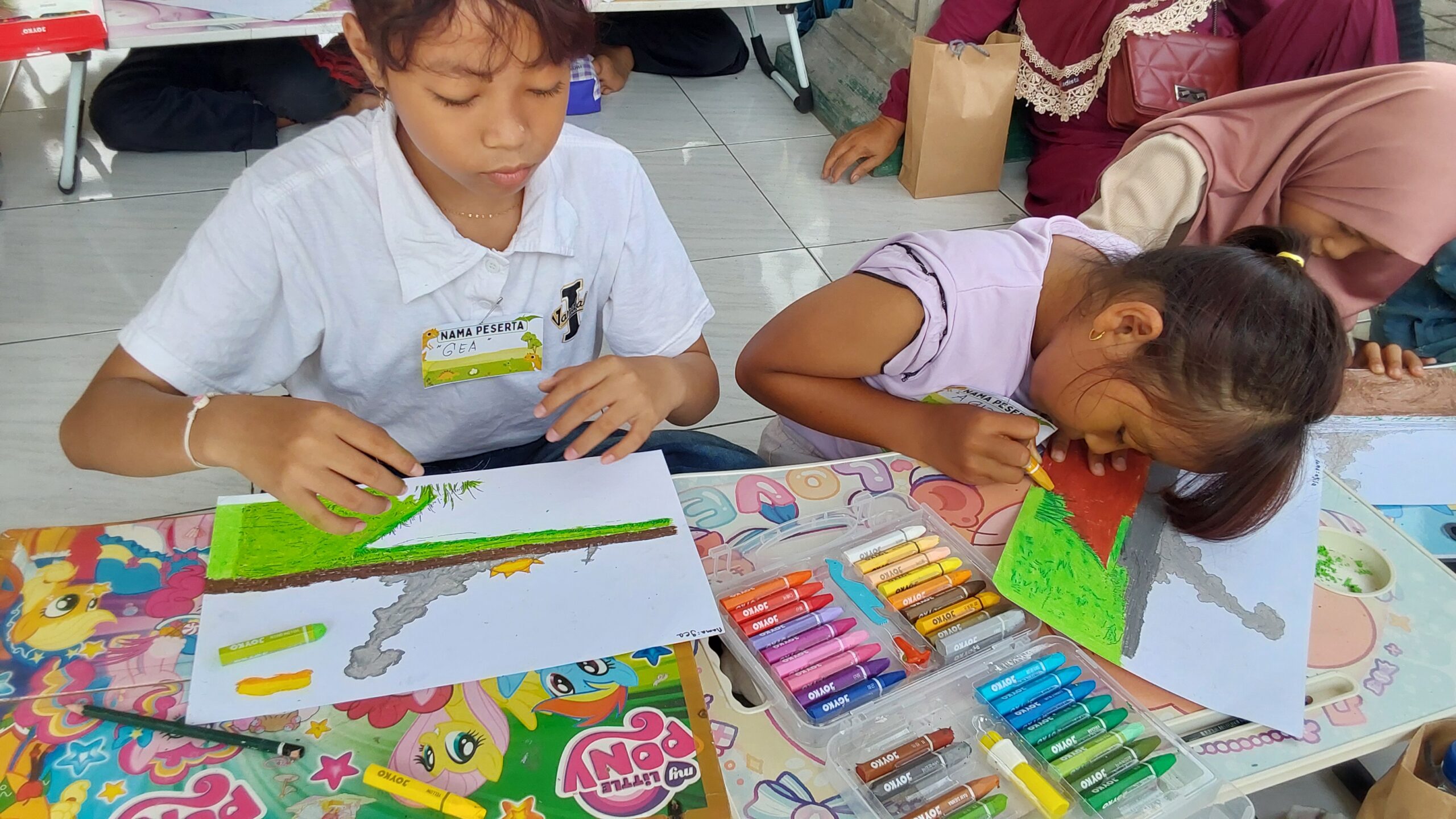
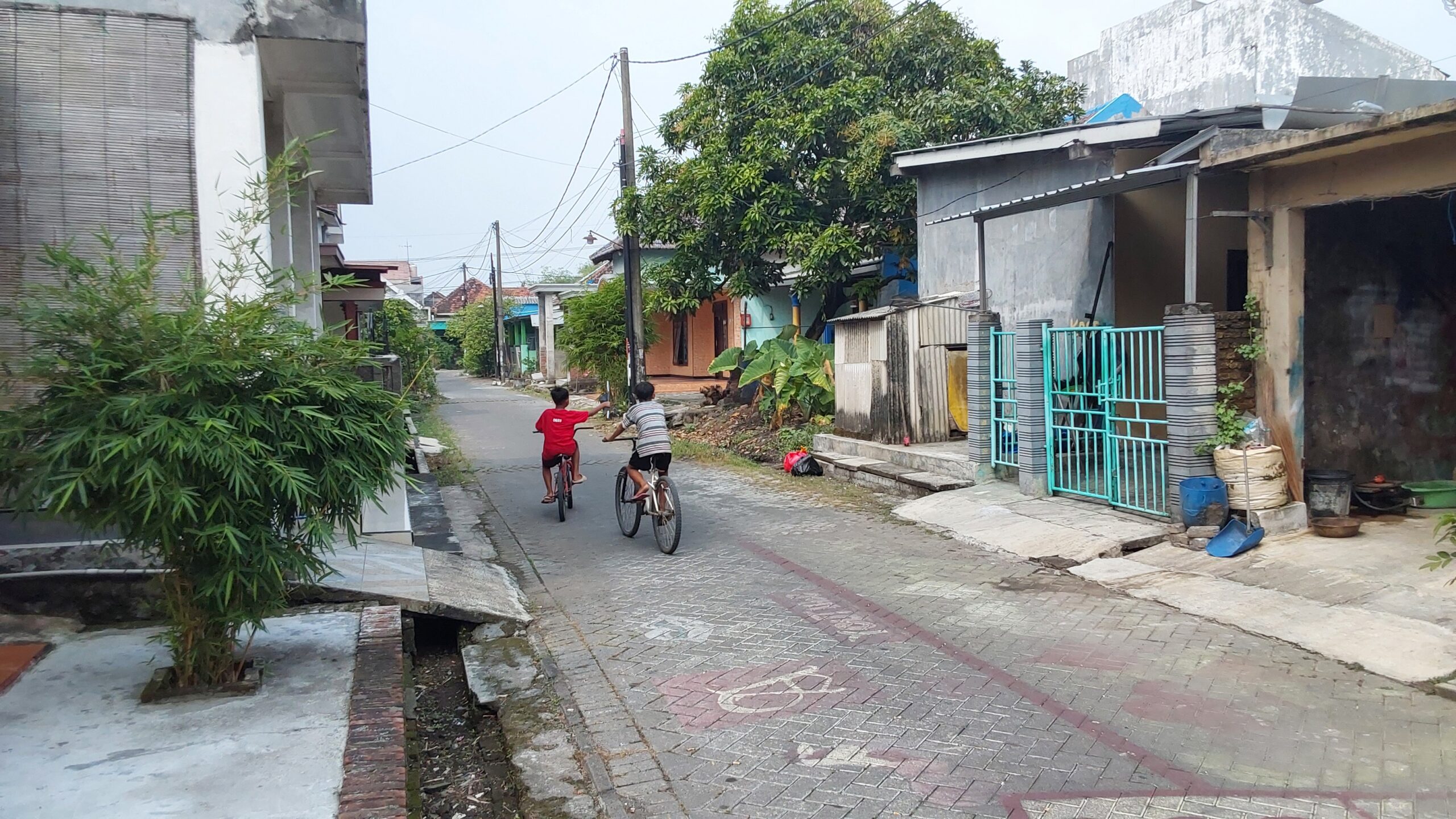
The physical infrastructure designed to contain the mud—the massive earthen levees—requires constant maintenance and dredging. Heavy machinery is a permanent fixture of the landscape, a reminder that the "volcano" is still active. For the children of Porong, like first-graders Alvero and Tisya, the mudflow is the only reality they have ever known. During a recent drawing festival held to mark 20 years of the disaster, their artwork featured excavators and plumes of smoke—symbols of a homeland under siege. Their simple requests for "clean air" and "a home with flowers instead of mud" highlight the generational trauma inflicted by the event.
Policy Analysis: The Failure of State Intervention
The persistence of suffering in Sidoarjo raises critical questions about the role of the state and corporate accountability. Parlaungan Iffah Nasution, a public policy expert from Universitas Airlangga, argues that the government has largely treated the Lapindo victims as a "marginalized minority," leading to a lack of meaningful intervention.
"The government and the company seem to think their responsibility ended with the payment of compensation," Nasution observed. This "compensation-only" approach ignores the long-term needs of the community, such as health monitoring, job retraining, and infrastructure repair. In Mindi, for instance, the roads leading to the railway station are riddled with potholes and damage, yet local authorities frequently shift the blame to other agencies, leaving the residents in a state of neglect.
From a policy perspective, the survivors are not just "citizens" but a "vulnerable group" living in a disaster-prone zone. Experts argue that a dedicated social assistance framework is needed to address the specific health crises, such as the cancer clusters reported in Renojoyo. Furthermore, the legal hurdles that prevent the government from spending state funds on "company-responsible" areas have often left residents in a vacuum where neither the company nor the state takes full charge of their welfare.
Conclusion: A Future Mired in Uncertainty
As the 20th anniversary of the Lapindo mudflow approaches, the situation in Sidoarjo remains a stark reminder of the long-term consequences of industrial accidents. For Muna Ariyanti, surviving near the levee is an act of daily endurance. She maintains hope that her neighborhood will one day return to its former vibrancy, despite the desolate silence that falls over the area each evening.
For the thousands who relocated, the "new life" is a bittersweet reality of safer ground but deeper poverty. The tragedy is not a closed chapter of Indonesian history; it is a living, breathing crisis. Without a shift in policy that prioritizes human rights and environmental restoration over mere financial settlements, the survivors of Porong will continue to bear the burden of a disaster they did nothing to cause. The "mud" may have slowed its flow, but the social and health impacts continue to seep into the lives of those left behind.