Nasution Nanang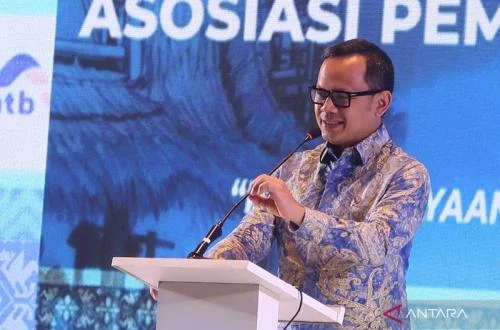
Deputy Minister of Home Affairs (Wamendagri) Bima Arya Sugiarto recently underscored the critical importance of fostering more frequent and structured opportunities for regional heads across Indonesia to exchange ideas, share best practices, and engage in peer learning. Speaking at a meeting of the Association of Provincial Governments Throughout Indonesia (APPSI) held at the Aruna Senggigi in West Lombok, West Nusa Tenggara, on Wednesday, May 8, 2024, the Deputy Minister highlighted that such interactions are indispensable for strengthening leadership and navigating the increasingly complex landscape of regional governance. The call for enhanced collaboration comes amidst mounting pressures on regional leaders, ranging from fiscal adjustments imposed by the central government to the demanding task of fulfilling ambitious campaign promises and operating under intense public scrutiny.
The statement, received in Jakarta on Friday, May 10, 2024, emphasized that regular interaction among governors and other regional leaders is not merely beneficial but essential for cultivating a sense of solidarity and mutual inspiration. Bima Arya stressed that such forums serve as vital platforms for reflection, allowing leaders to collectively address common challenges and derive innovative solutions applicable across different regions. The sentiment reflects a growing recognition within the central government of the need to empower and support local administrations, which are on the front lines of public service delivery and socio-economic development.
Background on Regional Autonomy and Governance Challenges
Indonesia’s journey of decentralization, initiated with Law No. 22/1999 and further solidified by Law No. 23/2014 on Regional Government, has bestowed significant autonomy upon provinces, regencies, and cities. This framework aims to bring governance closer to the people, enhance public participation, and accelerate local development tailored to specific regional needs. However, the implementation of regional autonomy has not been without its complexities. Regional heads, elected through direct popular vote, bear immense responsibility for local development planning, budgeting, service provision across sectors like health, education, and infrastructure, as well as maintaining public order and environmental sustainability.
The APPSI meeting, a regular gathering of Indonesia’s provincial governors, serves as a crucial forum for these leaders to consolidate efforts, articulate collective concerns, and formulate joint strategies. West Lombok, with its blend of natural beauty and ongoing development efforts, provided a fitting backdrop for discussions on regional progress and challenges. Such gatherings are instrumental in shaping policy recommendations that are then channeled to the central government, influencing national development agendas.
The Evolving Landscape of Regional Leadership
Bima Arya’s remarks resonated deeply with the experiences of many regional leaders. The "emotional burden" he referenced is a tangible reality for those tasked with balancing national directives with local aspirations, often under intense financial constraints. The pressures on regional heads can be broadly categorized into several key areas:
-
Fiscal Decentralization and Transfers: Regional governments heavily rely on fiscal transfers from the central government, primarily through the General Allocation Fund (Dana Alokasi Umum – DAU) and Special Allocation Fund (Dana Alokasi Khusus – DAK). Adjustments to these transfers, often driven by national economic conditions or policy shifts, can significantly impact regional budgets, requiring immediate and often difficult reprioritization of programs and projects. For instance, a reduction in DAK for infrastructure might delay critical road repairs or school constructions, directly affecting local communities. Navigating these fiscal complexities requires astute financial management and a deep understanding of central government policies, which can vary year-to-year.
-
Fulfilling Campaign Promises: Elected regional heads enter office with mandates based on campaign promises, which often set high expectations among the electorate. The pressure to deliver on these commitments within a fixed term, sometimes despite unforeseen economic downturns or regulatory hurdles, is immense. Failure to meet these expectations can lead to public dissatisfaction and impact political careers. This necessitates strategic planning, effective resource mobilization, and often, innovative solutions to complex local problems.
-
Intense Public Scrutiny: In an era of pervasive social media and a highly engaged civil society, every policy decision and administrative action by regional governments is subject to immediate and widespread public scrutiny. Transparency demands are higher than ever, and leaders must be prepared to justify their actions, communicate effectively, and respond to public feedback, often in real-time. This environment requires robust communication strategies, open data initiatives, and a willingness to engage directly with citizens, sometimes through digital platforms.
Leveraging Knowledge Sharing for Enhanced Governance
The Deputy Minister’s emphasis on knowledge sharing is rooted in the belief that collective intelligence can significantly mitigate these pressures. By creating more frequent opportunities for interaction, regional leaders can:
- Exchange Best Practices: A governor who has successfully implemented a digital public service platform, for example, can share insights on procurement, training, and public adoption strategies with peers facing similar challenges. Similarly, innovative approaches to waste management, disaster resilience, or poverty alleviation in one province could be adapted and replicated in others, saving time and resources.
- Foster Peer Learning: Beyond formal presentations, informal interactions allow leaders to discuss specific policy dilemmas, leadership challenges, and even personal coping mechanisms for the "emotional burden." This peer support network can be invaluable for navigating complex political landscapes and maintaining morale.
- Strengthen Leadership Capacities: Learning from diverse experiences exposes leaders to new perspectives and problem-solving methodologies, enhancing their strategic thinking, decision-making skills, and adaptive leadership capabilities. This continuous professional development is crucial for leaders in an ever-changing world.
- Promote Solidarity and Collaboration: By understanding each other’s challenges and successes, regional heads can build stronger inter-regional relationships. This can lead to collaborative projects, such as joint tourism initiatives across neighboring provinces, coordinated responses to trans-boundary environmental issues, or shared infrastructure development, ultimately contributing to regional economic integration and national cohesion.
Statements from Related Parties and Broader Implications
The meeting’s distinguished attendees underscored the multi-stakeholder commitment to strengthening regional governance. Governor of the National Resilience Institute (Lemhannas), Ace Hasan Syadzily, whose institution focuses on national resilience and leadership development, likely echoed the importance of robust regional leadership for overall national stability. Lemhannas’s presence signifies the strategic dimension of equipping regional heads with the foresight and resilience needed to address complex security and developmental challenges. Their programs often involve strategic studies and executive training that can benefit from and contribute to inter-regional knowledge exchange.
Similarly, the participation of Filda C. Yusgiantoro, Chairman of the Purnomo Yusgiantoro Center (PYC), and Inka B. Yusgiantoro, Chairman of the PYC Supervisory Board, highlights the role of think tanks and research institutions in informing policy. The PYC, with its focus on energy and natural resources, may bring insights into sustainable development practices, resource management, and regional economic diversification, areas where best practices sharing is highly relevant. Their engagement implies a commitment to evidence-based policymaking and fostering a culture of continuous learning among leaders.
Head of the Human Resources Development Agency (BPSDM) of the Ministry of Home Affairs, Sugeng Hariyono, plays a pivotal role in the professional development of civil servants and regional government officials. His attendance reinforces the Ministry’s dedication to capacity building programs for regional heads and their staff. BPSDM’s mandate aligns perfectly with the Deputy Minister’s call for more learning opportunities, as they are responsible for designing and implementing training programs that can facilitate the very knowledge exchange Bima Arya advocates. Their work is critical in translating policy directives into actionable training modules and leadership development frameworks.
The collective presence of these high-level officials and representatives from APPSI governors demonstrates a shared understanding of the critical role of strong regional governance in achieving Indonesia’s national development goals. These goals include sustainable economic growth, equitable distribution of development benefits, poverty reduction, and improved public services, all of which are directly impacted by the effectiveness of regional administrations.
A Way Forward: Structuring Future Collaborations
To institutionalize Bima Arya’s vision, several concrete steps could be considered. APPSI, in conjunction with the Ministry of Home Affairs and BPSDM, could develop more structured programs for knowledge exchange. This might include:
- Thematic Workshops and Forums: Regular workshops focused on specific policy areas (e.g., climate change adaptation, digital transformation, local economic recovery) where regional leaders and their expert teams can present case studies and discuss challenges.
- Digital Knowledge Platforms: Establishing an online portal or a dedicated digital platform where regional governments can upload best practice documents, policy briefs, and contact information for peer-to-peer consultation. This would ensure accessibility regardless of geographical distance.
- Mentorship Programs: Pairing less experienced regional heads with seasoned governors who have successfully navigated complex challenges, providing direct guidance and support.
- Inter-Regional Study Visits: Facilitating visits for regional leaders to learn firsthand from successful initiatives in other provinces or districts.
- Policy Labs: Collaborative sessions where regional leaders, academics, and central government representatives can co-create solutions to pressing policy issues, fostering a sense of shared ownership.
The commitment to strengthening regional governance through enhanced knowledge sharing is not just about improving administrative efficiency; it is about reinforcing the foundations of Indonesia’s decentralized democracy. By empowering regional heads to learn from each other, face challenges collectively, and innovate continuously, Indonesia can unlock its full potential for inclusive and sustainable development, ensuring that governance truly serves the diverse needs and aspirations of its vast population. The call from the Deputy Minister of Home Affairs is a clear directive towards a more collaborative, resilient, and responsive system of regional governance, setting a precedent for future policy dialogues and cooperative frameworks across the archipelago.