Tata Titiana
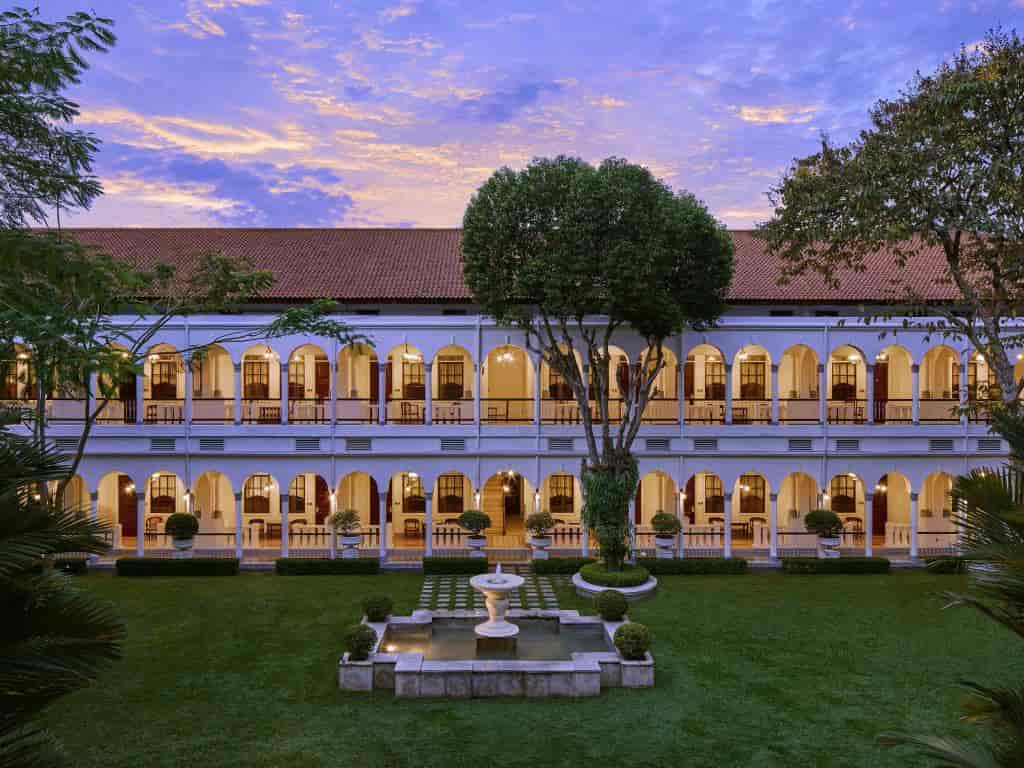
The tapestry of Indonesian tourism is intricately woven with threads of its colonial past, a legacy often overlooked in contemporary travel narratives. While the nation has forged its own distinct identity, the physical remnants of the Dutch East Indies era continue to stand, serving as testament to a bygone era. Many of these historical hotels, constructed during the colonial administration, remain operational today, offering travelers a unique opportunity to step back in time and experience the grandeur and architectural styles of the 19th and early 20th centuries. The opening of the Suez Canal in the mid-19th century dramatically altered global trade routes, leading to increased European maritime traffic in the archipelago, primarily for commercial purposes. By the late 19th century, this burgeoning trade also paved the way for the advent of luxury cruise liners, which began to dock in Indonesian ports, bringing with them a new demographic of discerning travelers: white tourists seeking exotic holiday destinations. To cater to this emerging market, the Dutch East Indies administration and private investors embarked on a significant construction boom, particularly on the island of Java, establishing hotels that would soon become landmarks of historical importance.
These colonial-era hotels were not merely places of accommodation; they were often centers of social and political life, hosting dignitaries, merchants, and the colonial elite. Their construction reflected the architectural trends of the time, blending European styles with local influences, resulting in structures that possess a unique charm and character. While many buildings from the colonial period have been lost to time or redevelopment, a select few have managed to persevere, adapting to modern hospitality standards while retaining their historical essence. This article delves into some of the most notable colonial-era hotels in Indonesia that continue to welcome guests, offering a glimpse into the nation’s rich and complex history through the lens of its enduring hospitality.
The Dawn of Modern Hospitality: Colonial Foundations of Indonesian Tourism
The very genesis of organized tourism in Indonesia is intrinsically linked to the development of these pioneering hotels. As European presence grew, so did the need for comfortable and sophisticated lodgings. The Dutch colonial government, recognizing the economic potential of tourism and the strategic importance of facilitating trade and travel, actively supported the establishment of hotels. These establishments were designed to impress, often featuring grand ballrooms, expansive gardens, and opulent suites, catering to a clientele accustomed to European standards of luxury. The architects and builders of the era were tasked with creating spaces that were not only functional but also symbolic of Dutch power and prestige in the region. The strategic placement of these hotels, often in prime locations within burgeoning cities or near important ports, further underscores their significance in the colonial infrastructure.
The initial wave of hotel construction was concentrated on Java, the administrative and economic heart of the Dutch East Indies. Cities like Batavia (now Jakarta), Surabaya, and Bandung became hubs for these grand establishments. Later, as tourism expanded beyond Java, similar developments occurred in other key locations such as Yogyakarta and Bali. The names of these hotels often reflected their colonial origins, with many bearing names that evoked Dutch royalty, historical figures, or geographical locations within the Netherlands. Over the decades, many of these hotels have undergone renovations and rebranding, but their historical significance and architectural integrity often remain palpable.
Hotel Indonesia Kempinski: A Monument of Post-Independence Ambition
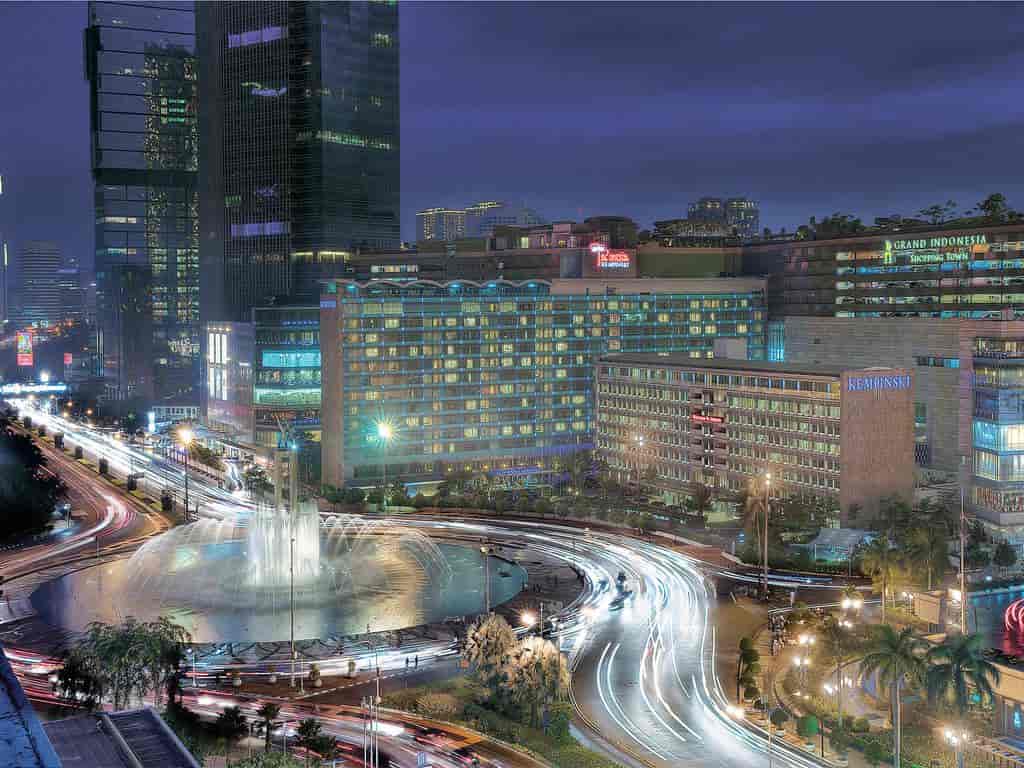
Hotel Indonesia Kempinski, located in the heart of Jakarta, stands as a powerful symbol of Indonesia’s aspirations for modernity and international recognition. While the original article states it was built from Japanese war spoils and inaugurated in 1962 for the Asian Games IV, its deeper historical roots are intertwined with the nation’s post-independence development and the vision of its first president, Sukarno. The hotel’s construction was a deliberate effort to showcase a newly independent Indonesia on the global stage, aiming to provide world-class accommodation for international athletes and dignitaries attending the Games. This monumental undertaking was a departure from purely colonial-era constructions, representing a new era of Indonesian architectural and hospitality ambition.
Timeline of Significance:
- Pre-Inauguration (Late 1950s – 1962): The concept and construction of Hotel Indonesia were initiated as a national project to signify Indonesia’s emergence as a modern nation. The architectural design, a blend of modernist and traditional Indonesian elements, was a conscious choice to project a unique national identity.
- 1962: The hotel officially opened its doors, coinciding with the IV Asian Games. It was the first five-star hotel in Indonesia and, at the time, one of the tallest buildings in Jakarta, immediately becoming a landmark.
- 1964: Hotel Indonesia played a significant role during the diplomatic summit of the Non-Aligned Movement (NAM), further cementing its status as a key venue for international events.
- 2004-2009: Following a period of extensive renovation and partnership with the Kempinski Hotels group, the hotel was re-launched as Hotel Indonesia Kempinski Jakarta, blending its historical legacy with contemporary luxury.
- 2020: The hotel once again hosted royalty, accommodating King Willem-Alexander and Queen Máxima of the Netherlands during their state visit, a poignant moment given its colonial origins. Their stay in the hotel’s top suites, reportedly equipped with bulletproof glass, underscored the hotel’s continued prestige and security capabilities.
The hotel’s architecture, originally designed by American architects Welch, Kazuyoshi, and R.L. D’Olive, with local input, aimed to be both grand and distinctly Indonesian. The expansive lobby and the distinctive exterior have become iconic. The hotel’s role in hosting significant international events has consistently placed it at the forefront of Indonesia’s diplomatic and cultural engagement. Its continued operation and rebranding by a prestigious international hotel group demonstrate the enduring appeal and strategic importance of this historical edifice.
Hotel Majapahit Surabaya: A Crucible of Indonesian Independence
Hotel Majapahit Surabaya is more than just a historical hotel; it is a silent witness to pivotal moments in Indonesia’s struggle for independence. Originally built in 1910 by the Sarkies Brothers, Armenian entrepreneurs who were pioneers in the hospitality industry across Asia, it was initially named Hotel Oranje, a clear nod to the Dutch royal house. During the Japanese occupation, its name was changed to Hotel Yamato, reflecting the shift in power. However, it is its role in the tumultuous period following Japan’s surrender that has cemented its legendary status.
The Iconic Flag Incident:
On September 19, 1945, just weeks after Indonesia declared its independence, a group of Dutch civilians, accompanied by Allied forces, attempted to raise the Dutch flag above the hotel. This act was seen as a direct provocation by the burgeoning Indonesian nationalist movement, which had already declared independence. In a spontaneous and fervent response, crowds of Indonesian youths stormed the hotel. In a dramatic act of defiance and a powerful symbolic gesture of their rejection of colonial rule, they tore off the blue stripe of the Dutch flag, leaving only the red and white of the Indonesian flag to fly. This event, known as the "Battle of the Blue Flag" or the "Red and White Flag Raising," became a defining moment in the Surabaya people’s fight for freedom and is commemorated annually.
Evolution of the Hotel:
- 1910: Construction completed, opening as Hotel Oranje.
- 1942: Renamed Hotel Yamato during the Japanese occupation.
- 1945: Site of the "Battle of the Blue Flag," a crucial event in the Indonesian National Revolution.
- Post-Independence: After the war and during the transfer of power, the hotel was eventually named Hotel Majapahit, referencing the mighty Majapahit Empire, a pre-colonial Indonesian kingdom, thereby reclaiming a narrative of Indonesian greatness.
- Modern Era: The hotel has undergone numerous renovations and restorations to preserve its historical architecture while upgrading facilities to meet modern hospitality standards. It is now managed by various hotel groups, with the current iteration often associated with the Golden Tulip legacy.
Hotel Majapahit continues to be a significant cultural landmark in Surabaya, attracting history enthusiasts and travelers seeking to connect with Indonesia’s past. The hotel actively preserves artifacts and stories related to the flag incident, offering guided tours and maintaining a museum-like ambiance in certain areas. Its enduring presence serves as a constant reminder of the sacrifices made and the courage displayed in the fight for independence.
Royal Ambarrukmo Yogyakarta: A Royal Legacy in the Cultural Heart
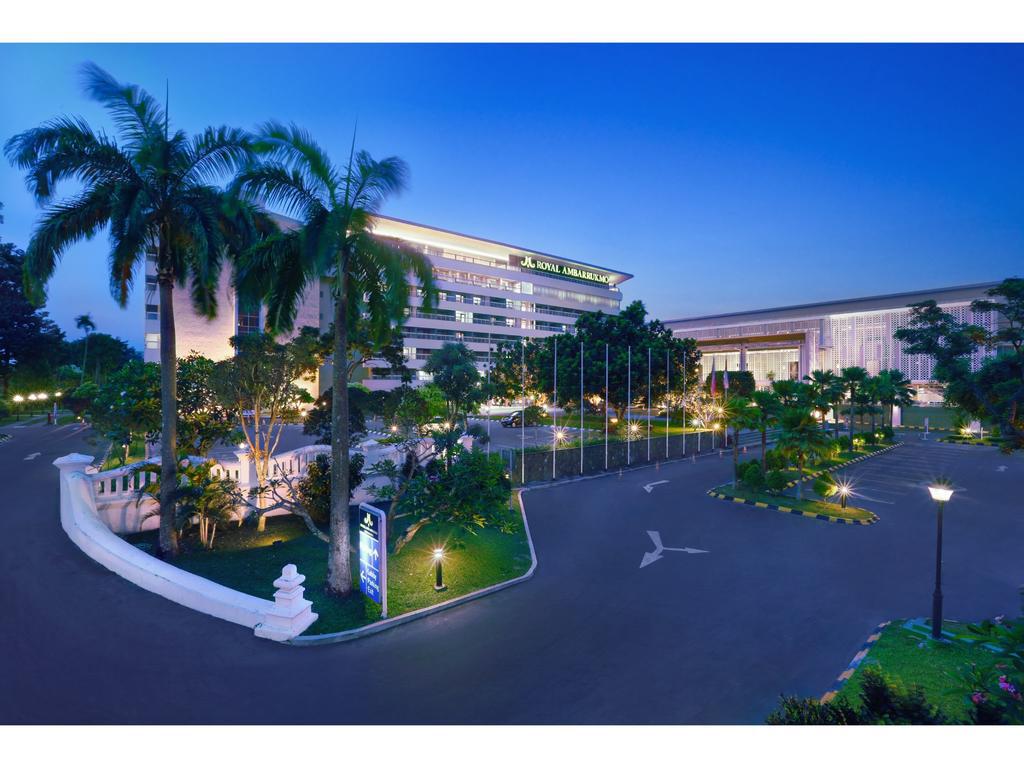
Nestled in the cultural heartland of Yogyakarta, the Royal Ambarrukmo is a hotel that embodies the fusion of royal heritage and modern hospitality. Its origins are deeply rooted in the royal court of Yogyakarta, having been commissioned by Sultan Hamengku Buwono V. However, its rise to national prominence is closely linked to President Sukarno’s vision of promoting Indonesian tourism on an international scale.
Presidential Endorsement and Internationalization:
In 1966, President Sukarno identified four hotels across Indonesia as pioneers of international-class hospitality. Royal Ambarrukmo was among this select group, signaling its strategic importance in the nation’s tourism development agenda. This endorsement by the first president aimed to position Indonesia as a desirable destination for global travelers and to showcase the country’s capacity to host international visitors with luxury and sophistication.
Architectural and Historical Significance:
The hotel’s architecture reflects a blend of traditional Javanese aesthetics and mid-century modern design. Its design is often attributed to the influence of Sultan Hamengku Buwono V, who envisioned a grand establishment that would reflect the prestige of the Yogyakarta Sultanate. Over the years, it has been meticulously maintained and upgraded, ensuring that its historical charm is preserved while offering contemporary amenities.
- Construction and Royal Patronage: Built under the patronage of Sultan Hamengku Buwono V, the hotel was intended to be a symbol of royal hospitality and a gateway to the cultural richness of Yogyakarta.
- 1966: Designated by President Sukarno as one of Indonesia’s first international-standard hotels, marking its entry into the national tourism landscape.
- Modern Operations: Today, Royal Ambarrukmo operates as a five-star hotel, offering luxurious facilities such as extensive gardens, a swimming pool, and various dining options. It continues to be a preferred choice for travelers seeking an authentic Yogyakarta experience infused with history and elegance.
The hotel’s location adjacent to the historic Ambarrukmo Palace complex further enhances its royal connection and historical significance. It serves as a living testament to the enduring legacy of the Sultanate and its contribution to Indonesia’s cultural and tourism heritage.
Hotel Savoy Homann Bandung: Art Deco Grandeur and Hollywood Glamour
Hotel Savoy Homann in Bandung stands as a magnificent example of Art Deco architecture and a beacon of Bandung’s colonial-era sophistication. Opened in 1939, its design was masterfully crafted by Dutch architect Albert Aalbers, who envisioned a structure that evoked the imagery of ocean waves, a departure from the more conventional architectural styles of the time. The hotel was commissioned by the Homann family, who were renowned for their culinary offerings, particularly their "rijsttafel," a Dutch colonial feast.
Architectural Vision and Artistic Flourish:
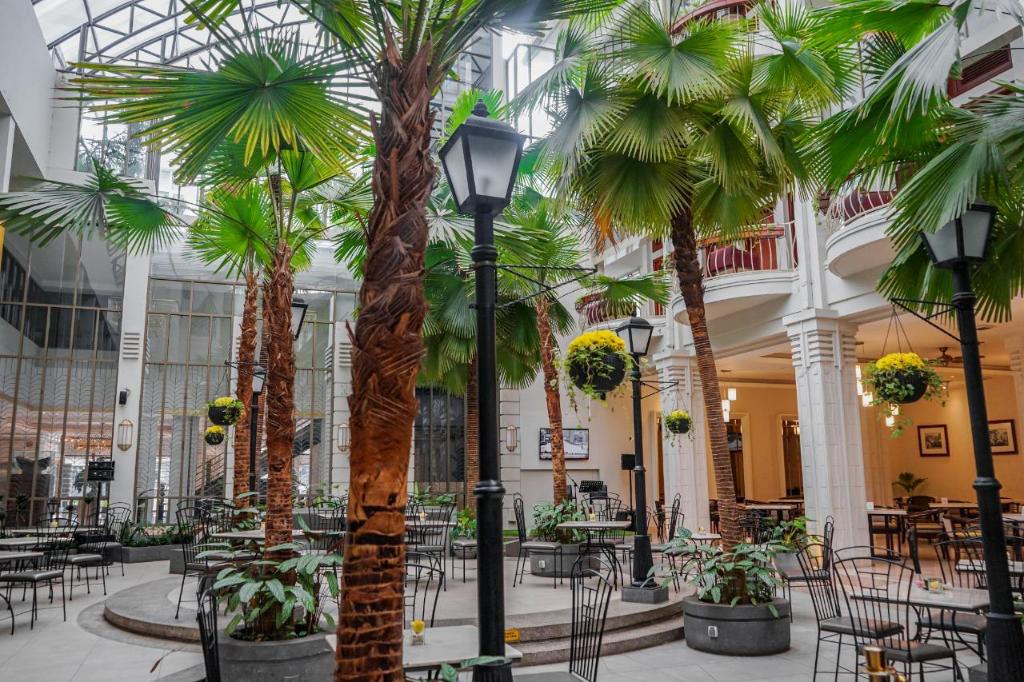
Albert Aalbers’ design for Hotel Savoy Homann was groundbreaking for its era. The sweeping curves and dynamic lines of its facade were inspired by the Art Deco movement, which emphasized modernity, luxury, and a sense of forward-looking optimism. The "ocean wave" motif is subtly integrated into the building’s form, giving it a unique and memorable character. The interior design also reflected this artistic sensibility, with elegant furnishings and decorative elements that exuded opulence.
A Hub for the Elite and Celebrities:
During its heyday, Hotel Savoy Homann was a premier destination for the colonial elite, diplomats, and prominent figures. Its reputation for impeccable service and luxurious amenities attracted international travelers. Notably, the legendary silent film star Charlie Chaplin is recorded to have stayed at the hotel, adding a touch of Hollywood glamour to its already illustrious history.
- 1939: The hotel opens its doors, designed by Albert Aalbers with its distinctive Art Deco "ocean wave" style.
- 1940: Renamed Savoy Homann, emphasizing its prominence.
- Colonial and Post-Colonial Eras: The hotel continued to be a prestigious address, serving dignitaries and travelers alike.
- Modern Day: Savoy Homann has undergone restorations to preserve its architectural heritage while updating its facilities. It remains a beloved landmark in Bandung, offering guests a chance to experience a piece of the city’s glamorous past.
The hotel’s location on Jalan Asia-Afrika, a historically significant street in Bandung, further enhances its connection to key moments in Indonesian history, including the 1955 Asian-African Conference. Savoy Homann continues to be a cherished destination for those who appreciate historical architecture, classic elegance, and a touch of old-world charm.
Inna Bali Heritage Hotel: Pioneering Luxury in the Island Paradise
In the tropical paradise of Bali, the Inna Bali Heritage Hotel holds the distinction of being the island’s first luxury accommodation, established in an era when Bali was beginning to capture the imagination of international travelers. Opened on August 22, 1927, it catered to the growing number of visitors arriving on steamships, particularly those operated by the Koninklijke Paket-vaart Maatschappij (KPM), the Royal Packet Navigation Company.
Catalyst for Balinese Tourism:
The establishment of Inna Bali marked a significant step in the development of tourism on the island. Prior to its opening, accommodation options were more limited, catering primarily to local needs or basic lodging for intrepid explorers. The arrival of Inna Bali provided a sophisticated option that aligned with the expectations of Western tourists, signaling Bali’s potential as a world-class destination.
Architectural Style and Location:
The hotel’s architecture reflects the tropical ambiance of Bali, likely incorporating local materials and design elements alongside colonial influences. Its location in Denpasar, the island’s capital, placed it at a strategic point for accessing the island’s cultural attractions and natural beauty. Although classified as a three-star hotel today, its historical significance as a pioneer in Balinese hospitality remains undisputed.
- 1927: Inna Bali opens its doors, becoming the first luxury hotel in Bali.
- Early 20th Century: Attracted a growing number of European tourists arriving by sea.
- Post-Independence Era: The hotel has undergone various management changes and updates, eventually becoming part of the state-owned Inna Hotel chain.
- Present Day: While modernized, the hotel retains elements of its historical charm, offering guests a connection to Bali’s early days as a tourist destination.
The Inna Bali Heritage Hotel stands as a testament to the early foresight in developing Bali’s tourism potential. It represents the initial chapter in the island’s journey to becoming one of the world’s most sought-after travel destinations, a legacy that continues to thrive today.
The Enduring Legacy and Future Prospects
These five hotels are merely a few examples of the enduring colonial-era establishments that continue to operate in Indonesia. Each carries a unique narrative, reflecting different facets of the nation’s history – from the aspirations of a newly independent nation and the struggles for freedom to the artistic expressions of the colonial era and the early development of international tourism.
The continued operation of these hotels is a complex phenomenon. On one hand, they are valuable historical assets, preserving architectural heritage and offering tangible connections to the past. They attract a segment of travelers interested in history, culture, and unique experiences. On the other hand, they face the constant challenge of balancing historical preservation with the demands of modern hospitality, including technological advancements, sustainability practices, and evolving guest expectations.
The pricing mentioned in the original article serves as a general indicator, but it’s crucial for potential guests to understand that these rates are dynamic. Factors such as the season (high or low), inflation, local tax policies, and demand fluctuations significantly influence final prices. Booking during the low season typically offers more affordable rates. Travelers are advised to always verify the final price before confirming any reservations.
The future of these historical hotels lies in their ability to adapt and innovate while respecting their heritage. Successful preservation efforts often involve thoughtful renovations that enhance guest comfort without compromising historical integrity, engaging storytelling that brings their past to life, and a commitment to sustainable tourism practices. As Indonesia continues to evolve, these grand old dames of hospitality serve as important anchors, reminding us of where the nation has come from, and offering a unique lens through which to appreciate its present and future. Their continued existence is a testament to their resilience and the enduring allure of stepping back in time, even if only for a night.