Tata Titiana
Indonesia’s tourism landscape, a vibrant tapestry woven with natural beauty and rich cultural heritage, owes a significant, though often overlooked, debt to its colonial past. The archipelago’s strategic location, particularly after the opening of the Suez Canal, transformed it into a crucial hub for European trade. By the 19th century, the allure of the East extended beyond commerce, drawing affluent travelers and cruise ship passengers seeking exotic holiday destinations. To cater to this burgeoning influx of international visitors, the Dutch East Indies administration embarked on the construction of a series of grand hotels, many of which stand proudly today, serving as living testaments to a pivotal period in Indonesian history.
These architectural marvels are more than just places to stay; they are repositories of history, silent witnesses to the ebb and flow of empires and the birth of a nation. While their opulent facades and sophisticated amenities might speak of luxury, their foundations are deeply rooted in the colonial era, reflecting both the ambitions of the Dutch rulers and the evolving social and economic dynamics of the archipelago. This article delves into the stories of several of these historic hotels, exploring their origins, their significance, and their continued relevance in contemporary Indonesia.
The Dawn of Indonesian Hospitality: Colonial Endeavors and the Rise of Tourism
The genesis of organized tourism in Indonesia is inextricably linked to the development of its hospitality infrastructure. As European powers expanded their colonial reach and maritime trade routes solidified, the Dutch East Indies emerged as a prime destination. The arrival of passenger ships, carrying discerning travelers eager to explore the exotic landscapes and vibrant cultures of the archipelago, necessitated the creation of suitable accommodations. This demand spurred the construction of hotels, primarily in strategically important and economically viable locations like Java. These establishments were designed to embody the grandeur and sophistication expected by their European clientele, often incorporating architectural styles that blended European aesthetics with local influences.
The establishment of these hotels marked a significant turning point in the archipelago’s engagement with the global tourism market. They were not merely places of lodging but also served as social hubs, venues for important gatherings, and symbols of colonial presence and influence. The continued operation of many of these establishments today underscores their enduring architectural merit and their ability to adapt to modern hospitality standards while retaining their historical charm.
Iconic Stays: A Glimpse into Indonesia’s Historic Hotels
Hotel Indonesia Kempinski: A Landmark of National Pride and International Diplomacy
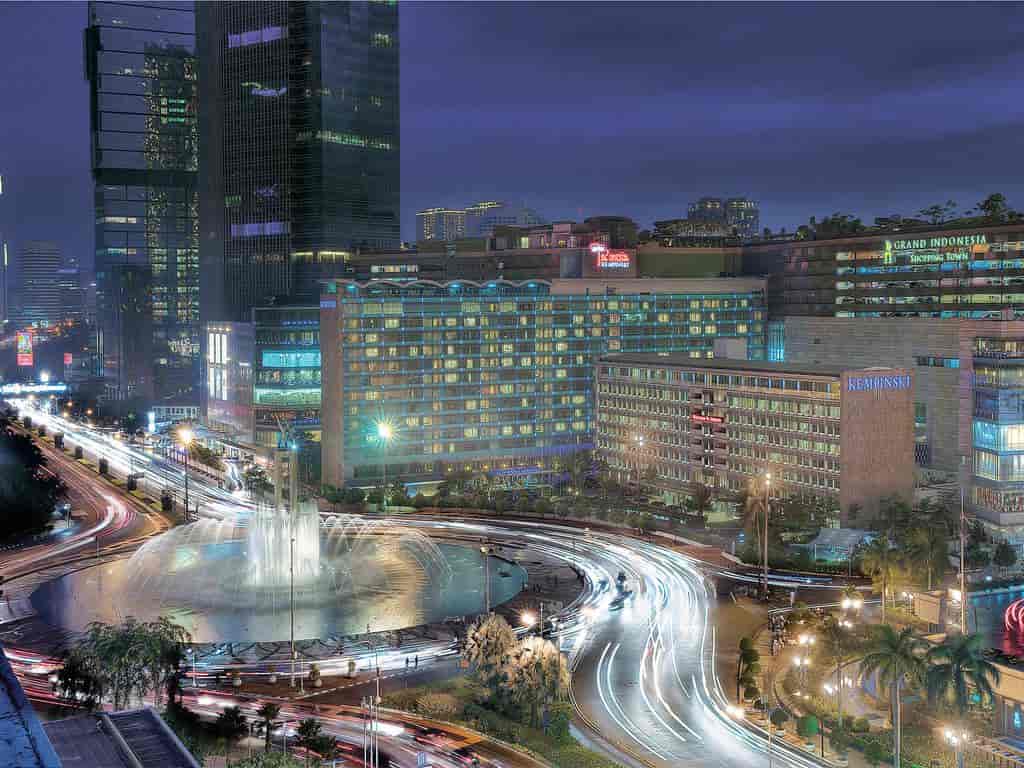
Standing as a proud symbol of Indonesia’s post-independence aspirations, the Hotel Indonesia Kempinski in Jakarta holds a unique place in the nation’s history. Its origins are intrinsically linked to a significant international event: the IV Asian Games in 1962. Inaugurated on August 5, 1962, the hotel was commissioned by President Soekarno to accommodate athletes and dignitaries attending the games, a move that signaled Indonesia’s growing presence on the global stage. The hotel’s construction was notably financed through funds acquired from Japanese war reparations, a complex chapter in post-war international relations.
Upon its completion, the Hotel Indonesia was not only the first five-star luxury accommodation in Indonesia but also the tallest building in Jakarta at the time, a testament to the nation’s ambition and modernizing drive. Its design, a blend of modernist architecture with Indonesian motifs, aimed to present a sophisticated yet distinctly Indonesian image to the world. Over the decades, it has hosted numerous heads of state, international celebrities, and royal figures.
A particularly notable recent event underscores the hotel’s continued international significance. In March 2020, during their state visit to Indonesia, His Majesty King Willem-Alexander and Her Majesty Queen Máxima of the Netherlands chose to stay at the Hotel Indonesia Kempinski. Their accommodation in one of the hotel’s premier suites, reportedly equipped with bulletproof glass, highlighted the enduring diplomatic ties and the hotel’s capacity to provide secure and luxurious lodging for the highest echelons of global leadership. This event served as a poignant reminder of the hotel’s historical connection to the Dutch, albeit in a vastly different context than its colonial precursors.
The hotel’s enduring legacy is further cemented by its recent renovations and rebranding under the Kempinski Hotels banner, ensuring its continued relevance as a premier destination for both business and leisure travelers. Its prime location in the heart of Jakarta’s central business district, coupled with its rich history, makes it a compelling choice for those seeking an immersive experience of the city’s past and present.
Hotel Majapahit Surabaya: A Witness to Surabaya’s Heroic Struggle
The Hotel Majapahit in Surabaya is more than just a historic hotel; it is a living monument to one of the most pivotal moments in Indonesia’s fight for independence. Opened in 1910, the hotel, originally named Hotel Oranje during the Dutch colonial era, was built by the Sarkies Brothers, Armenian entrepreneurs who were instrumental in establishing some of the region’s most iconic hotels. Later, during the Japanese occupation, it was renamed Hotel Yamato.
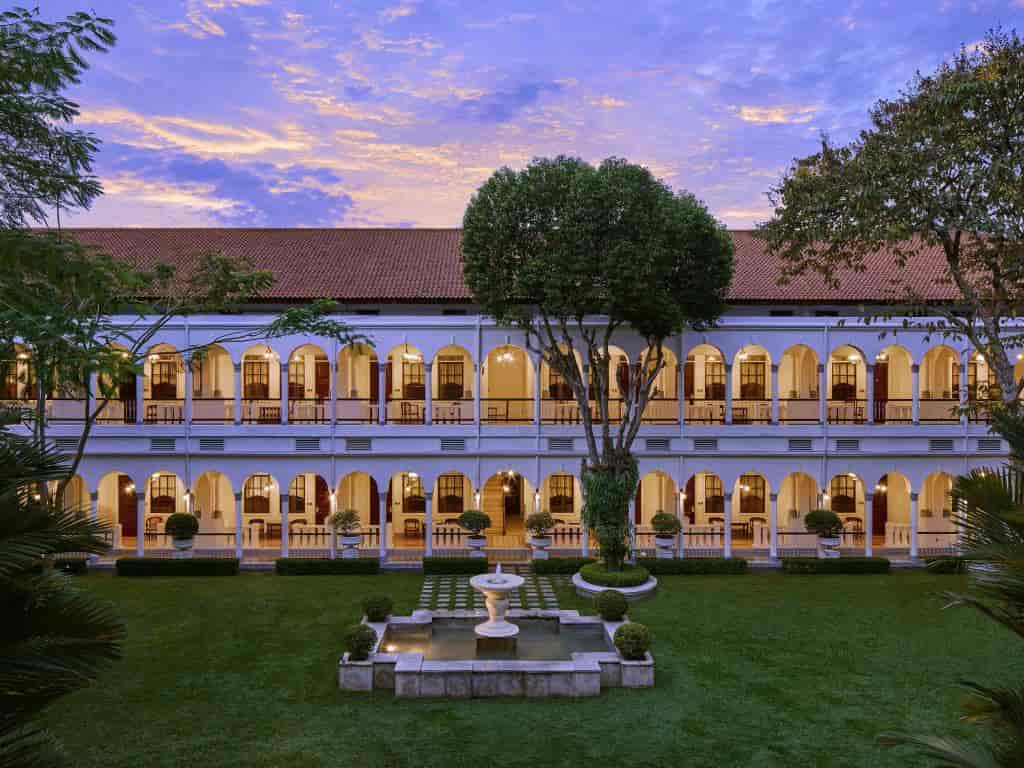
Its most indelible mark on history, however, was etched on September 19, 1945. In the immediate aftermath of Indonesia’s declaration of independence, a group of Dutch sailors, still displaying the Dutch flag from the hotel’s rooftop, provoked a furious response from the Surabaya populace. In a spontaneous act of defiance, Indonesian youths stormed the hotel and, in a moment of profound symbolism, tore off the blue section of the Dutch flag, leaving only the red and white of the Indonesian flag. This dramatic event, immortalized as the "Battle of Surabaya" or the "Red and White Flag Incident," ignited a fierce battle for the city, a crucial turning point in the Indonesian National Revolution.
The Hotel Majapahit has since undergone several transformations and renovations, but its historical significance remains undiminished. Its architectural style, a blend of Dutch colonial and Art Deco influences, transports visitors back in time. The hotel continues to operate as a luxury establishment, offering guests a chance to stay within the very walls that bore witness to such a heroic struggle for national sovereignty. Its location in Surabaya, a city often referred to as the "City of Heroes," further amplifies its importance as a symbol of Indonesian resilience and determination.
Royal Ambarukmo Yogyakarta: A Royal Legacy in the Heart of Java
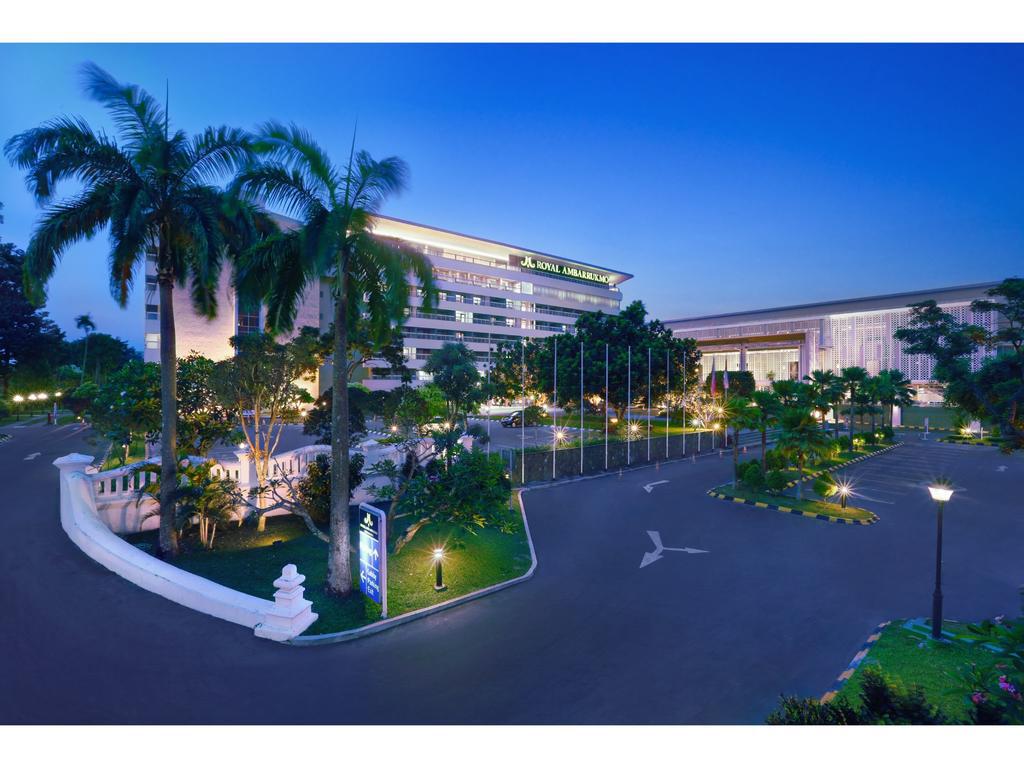
Nestled in Yogyakarta, a city steeped in Javanese culture and royal tradition, the Royal Ambarukmo stands as a testament to the fusion of royal heritage and modern hospitality. This distinguished hotel has a unique origin story, being built under the patronage of Sultan Hamengku Buwono V. Its inauguration in 1966 was a significant event, as it was one of the first four hotels in Indonesia to be officially promoted as international-class accommodations by President Soekarno himself.
The hotel’s design reflects its royal connections, incorporating elements of Javanese architecture and aesthetics, creating an ambiance of elegance and cultural richness. As a five-star establishment, it offers a comprehensive range of luxurious amenities, including golf facilities, recreational rooms, a poolside bar, and various dining options, catering to the discerning tastes of its guests.
Its strategic location in Yogyakarta, the cultural capital of Indonesia, provides easy access to numerous historical and cultural attractions, including the Sultan’s Palace (Kraton Yogyakarta) and the ancient temples of Borobudur and Prambanan. The Royal Ambarukmo thus offers a unique opportunity for visitors to experience both the grandeur of Javanese royalty and the vibrant pulse of contemporary Indonesian tourism. The hotel’s continuous operation and commitment to high standards have solidified its reputation as a premier destination, attracting both international tourists and domestic travelers seeking an authentic Javanese experience.
Hotel Savoy Homann Bandung: An Art Deco Gem with a Star-Studded Past
Located on Jalan Asia-Afrika in Bandung, a city renowned for its colonial architecture and vibrant cultural scene, the Hotel Savoy Homann is a landmark of Art Deco design. Originally owned by the Homann family, the hotel was famed for its culinary offerings, particularly the "rijsttafel" prepared by Mrs. Homann. The hotel’s current architectural design, a striking representation of Art Deco principles with its characteristic wave-like motifs, was conceived by Albert Aalbers and completed in 1939.
The hotel was renamed Savoy Homann in 1940, a move that aimed to further emphasize its prestige and stature. Throughout its history, the Hotel Savoy Homann has been a favored resting place for prominent figures. Notably, the legendary silent film star Charlie Chaplin is recorded as having stayed at the hotel, a testament to its international appeal and sophisticated ambiance during the pre-war era.
Bandung itself has a rich historical context, having hosted the pivotal Asian-African Conference in 1955, an event that played a crucial role in the Non-Aligned Movement. The Savoy Homann, with its historical resonance and architectural beauty, stands as a fitting symbol of Bandung’s past grandeur. Today, it continues to operate, offering guests a chance to immerse themselves in the elegance of a bygone era, surrounded by the architectural splendor that defines this historic hotel. Its enduring charm and prime location in Bandung continue to draw travelers seeking a blend of history, culture, and comfort.
Inna Bali Heritage Hotel: A Pioneer of Balinese Luxury
The Inna Bali Heritage Hotel holds the distinction of being the first luxury accommodation established on the island of Bali. Opened on August 22, 1927, its creation coincided with a significant surge in international tourism to the island, driven by the increasing popularity of steamship travel, particularly by the Koninklijke Paket-vaart Maatschappij (Royal Packet Navigation Company). At a time when Bali was beginning to capture the imagination of the Western world as an exotic paradise, the Inna Bali Heritage Hotel provided a sophisticated base for these early adventurers.
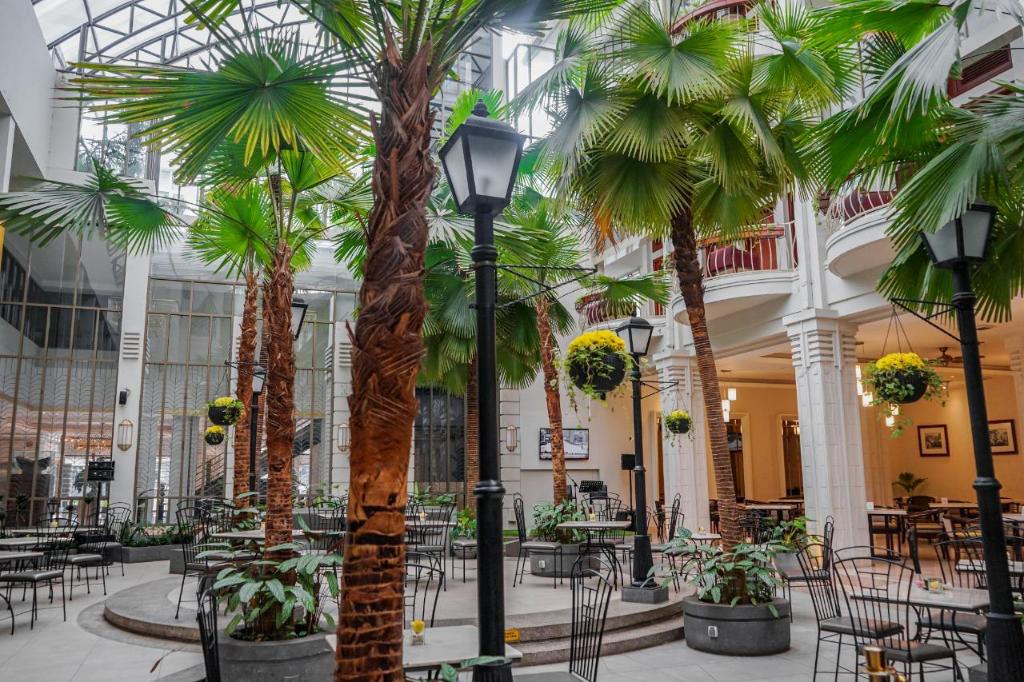
The hotel, classified as a three-star establishment, is situated in Denpasar, the capital of Bali. Its design and facilities were pioneering for their time, aiming to offer a blend of comfort and Balinese charm. It featured amenities such as lush gardens, a restaurant, a swimming pool, and a café, providing guests with a comfortable and enjoyable stay. The hotel’s existence played a crucial role in shaping Bali’s early tourism infrastructure, setting a precedent for the island’s future as a world-renowned destination.
Although Bali has since seen the development of countless luxury resorts and hotels, the Inna Bali Heritage Hotel remains a significant historical landmark. It represents the island’s initial foray into international-class hospitality and serves as a reminder of the era when Bali first began to welcome the world. Its continued operation offers a glimpse into the early days of Balinese tourism, providing a unique historical perspective for contemporary travelers.
The Enduring Legacy and Evolving Landscape
The continued operation of these historic hotels is a testament to their architectural resilience, their historical significance, and their ability to adapt to the changing demands of the modern travel industry. They offer more than just accommodation; they provide an immersive journey into Indonesia’s past, allowing guests to walk in the footsteps of colonial administrators, revolutionary heroes, international dignitaries, and Hollywood stars.
While the prices for staying at these establishments can vary significantly based on seasonality, inflation, and demand, the opportunity to experience a piece of history is often considered priceless. These hotels are not merely relics of a colonial past but active participants in Indonesia’s present-day tourism narrative. They serve as crucial anchors for cultural heritage tourism, attracting travelers who seek a deeper understanding of the archipelago’s complex history and its evolution into the vibrant nation it is today.
As Indonesia continues to develop its tourism sector, the preservation and thoughtful management of these historic hotels are paramount. They are invaluable assets that connect the country’s past to its future, offering a unique and enriching experience for all who step through their doors. The stories held within their walls, from the whispers of colonial intrigue to the echoes of revolutionary fervor, continue to resonate, making them indispensable components of Indonesia’s rich and diverse cultural tapestry. The enduring presence of these colonial-era hotels underscores the complex interplay between history, culture, and commerce, offering a compelling narrative of Indonesia’s journey through time.