Tata Titiana
Indonesia’s tourism landscape is inextricably linked to the historical contributions of the Dutch colonial era. The opening of the Suez Canal in the mid-19th century ushered in an era of increased maritime trade, with European vessels frequently docking in the archipelago. By the late 19th century, this trend evolved to include luxury cruise ships carrying affluent Western tourists eager to explore exotic locales. To cater to this burgeoning demand, the Dutch East Indies administration embarked on constructing a series of hotels across Java, many of which stand today as significant historical landmarks, a testament to the nation’s evolving hospitality sector and its colonial past.
While the modern face of Indonesian tourism often emphasizes its natural beauty and vibrant culture, the foundations of its early hospitality industry were laid during colonial rule. These grand establishments, built to accommodate European travelers and administrators, have largely weathered the tides of time and political change, continuing to operate and offer guests a glimpse into a bygone era. This article delves into some of Indonesia’s most notable historical hotels, exploring their origins, significance, and continued relevance in the contemporary tourism landscape.
A Legacy of Luxury: The Dawn of Indonesian Hospitality
The genesis of organized tourism in Indonesia, as recognized by many historians, is closely tied to the development of these early hotels. Constructed primarily on the island of Java, these establishments were more than just places of accommodation; they were symbols of colonial presence, architectural marvels of their time, and crucial hubs for social and economic activity. The strategic locations, often overlooking bustling harbors or nestled within developing urban centers, underscore their importance in facilitating the colonial administration’s objectives and catering to the leisure pursuits of the European elite.
The continued operation of these hotels today is a remarkable feat, offering a unique opportunity for both domestic and international travelers to experience a tangible connection to Indonesia’s layered history. They serve not only as places to stay but as living museums, each with its own narrative woven into the fabric of the nation’s past.
Iconic Institutions: A Closer Look at Indonesia’s Historic Hotels
1. Hotel Indonesia Kempinski Jakarta: A Beacon of Modernity and Royal Stays
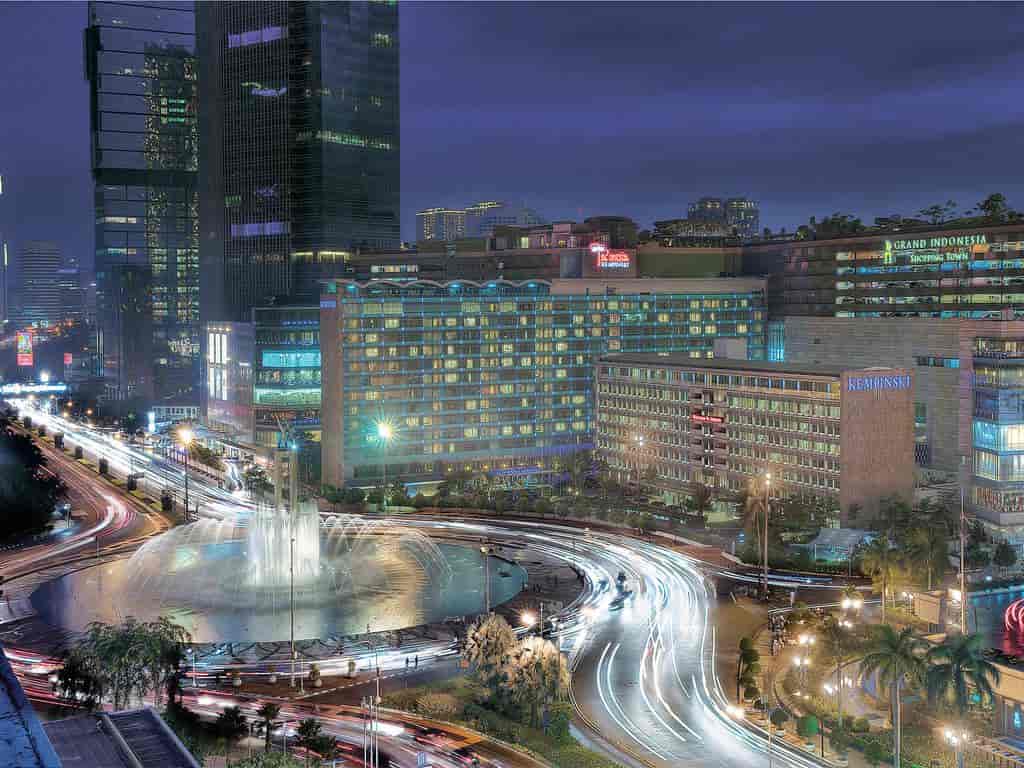
Once the pinnacle of luxury and the tallest building in Jakarta, the Hotel Indonesia Kempinski stands as a monumental symbol of Indonesia’s post-independence aspirations and its rich colonial legacy. Its inception was rooted in the fervor of the 1962 Asian Games, an event that propelled Indonesia onto the international sporting stage. The hotel was constructed with significant investment, a testament to the government’s vision of showcasing the nation’s capabilities and hosting international dignitaries with grandeur. It was reportedly built using assets acquired following the departure of Japanese forces after World War II, adding another layer to its complex historical narrative.
The Hotel Indonesia Kempinski has consistently played a pivotal role in hosting prominent global figures. A notable recent event was the 2020 visit of the Dutch King and Queen, who were accommodated in the hotel’s most exclusive suites, complete with bulletproof glass, underscoring its continued status as a preferred accommodation for royalty and heads of state. This choice reflects not only the hotel’s enduring prestige but also a subtle acknowledgment of the historical ties between Indonesia and the Netherlands, albeit in a contemporary and diplomatic context. The hotel’s ability to seamlessly blend its historical grandeur with modern five-star amenities makes it a compelling destination for travelers seeking both comfort and a connection to Indonesia’s past.
Historical Context and Timeline:
- Pre-1962: Planning and acquisition of land for a landmark hotel to coincide with the Asian Games.
- 1962: Official inauguration of Hotel Indonesia, coinciding with the opening of the IV Asian Games. It was envisioned as a symbol of national pride and modernity.
- Post-1962: The hotel becomes a premier destination for VIPs, diplomats, and international visitors, solidifying its reputation as Indonesia’s first five-star hotel.
- 2004: Following extensive renovations and management changes, the hotel is rebranded as Hotel Indonesia Kempinski Jakarta, marking a new chapter while preserving its historical essence.
- 2020: Hosting of the Dutch King and Queen, highlighting its continued significance in diplomatic and royal visits.
Supporting Data: As Indonesia’s first five-star hotel, its construction represented a significant infrastructural undertaking for the nation at the time, aimed at projecting an image of progress and sophistication. Its continued operation and rebranding under an international luxury chain like Kempinski demonstrate its enduring appeal and economic viability.
2. Majapahit Hotel Surabaya: A Witness to Resilience and Revolution
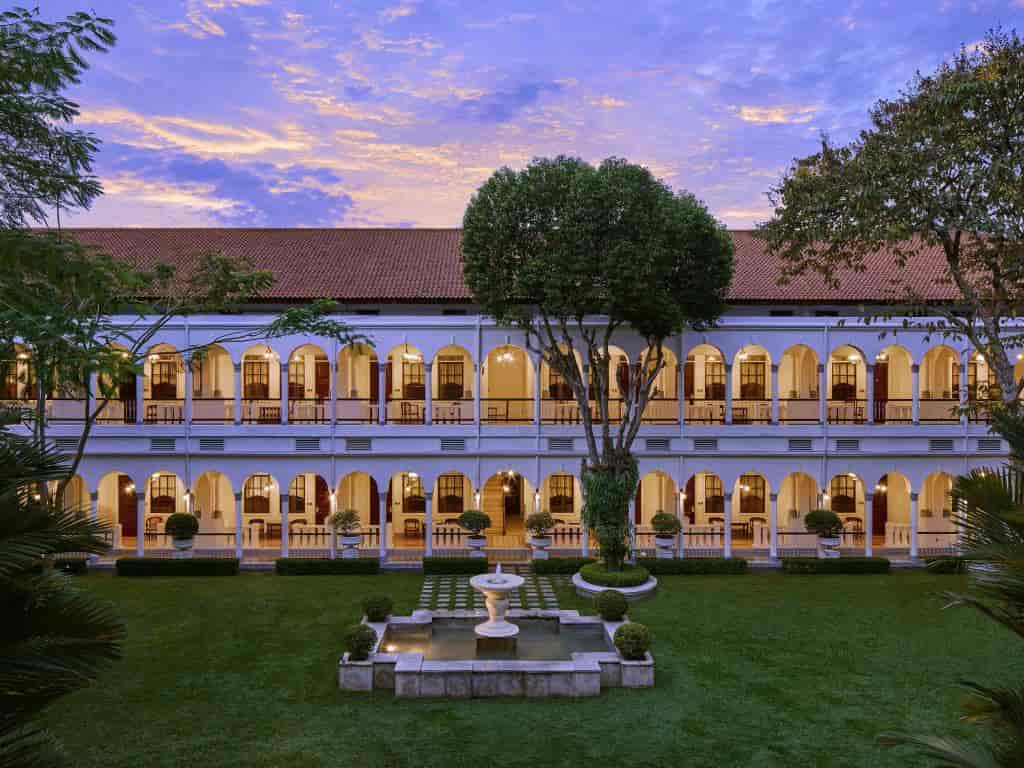
The Majapahit Hotel in Surabaya is more than just an architectural gem; it is a hallowed ground etched into the annals of Indonesian history, particularly its struggle for independence. Opened in 1910 by the Armenian Sarkies Brothers, it was originally known as the Hotel Oranje, a name that clearly signaled its Dutch colonial affiliation. During the Japanese occupation, its name was changed to Hotel Yamato, reflecting the shifting geopolitical landscape. However, its most defining historical moment occurred in September 1945, shortly after Indonesia’s declaration of independence.
In a defiant act of patriotism, Indonesian youths tore off the blue stripe from the Dutch flag flying above the hotel, leaving only the red and white of the Indonesian flag. This symbolic act, known as the "Battle of Surabaya" or the "Red-White Flag Tearing Incident," ignited widespread support for the revolution and became a pivotal moment in the nation’s fight against returning colonial forces. The hotel’s grandeur, coupled with its role as the stage for this pivotal event, has cemented its status as a national heritage site. Its architecture, a blend of Dutch colonial and Art Deco styles, further enhances its historical allure.
Historical Context and Timeline:
- 1910: Inauguration as Hotel Oranje, a prominent establishment catering to European travelers and residents.
- World War II (Japanese Occupation): Renamed Hotel Yamato, reflecting the period’s political control.
- September 19, 1945: The iconic "Red-White Flag Tearing Incident" occurs, a powerful symbol of Indonesian defiance and the start of the fierce Battle of Surabaya.
- Post-Independence: The hotel continues its operations, eventually being renamed Hotel Majapahit, a nod to the glorious ancient Indonesian empire, signifying a reclamation of national identity.
- Ongoing: Recognized as a heritage hotel, it attracts visitors interested in its historical significance and architectural beauty.
Analysis of Implications: The Majapahit Hotel’s story is a powerful narrative of resistance and the reclamation of sovereignty. The flag-tearing incident, while seemingly a small act, had profound psychological and symbolic implications, galvanizing nationalistic sentiment and demonstrating the determination of Indonesians to assert their independence. The hotel’s continued existence serves as a constant reminder of this pivotal moment.
3. Royal Ambarukmo Yogyakarta: A Royal Legacy and Presidential Vision
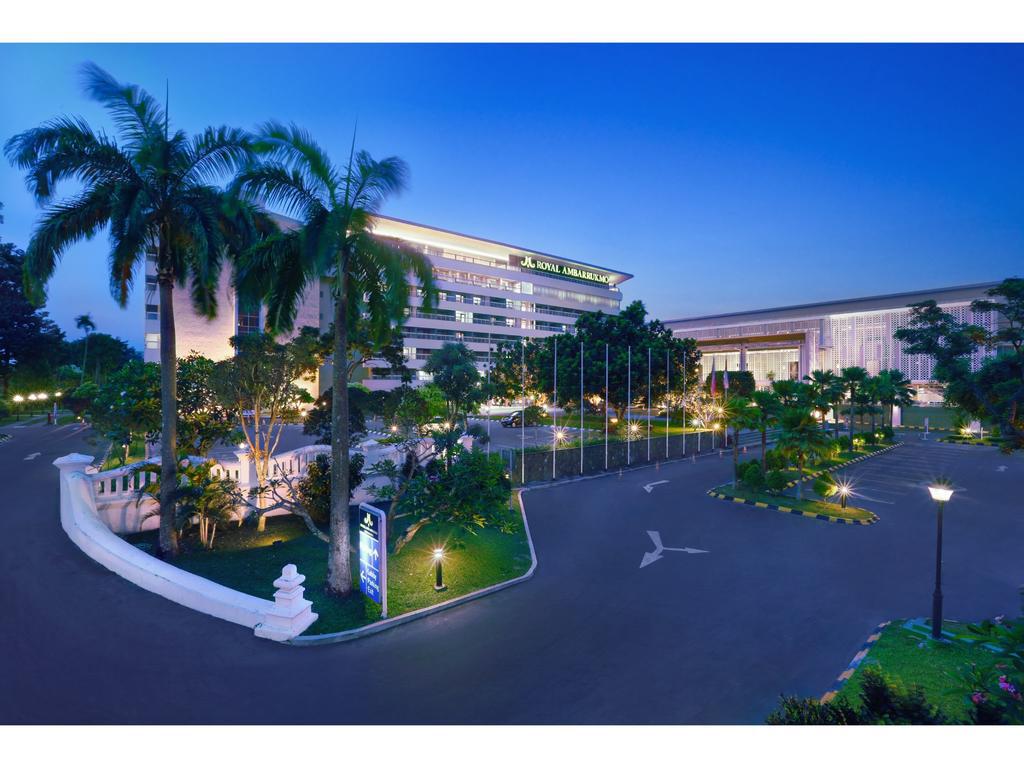
Nestled in the cultural heartland of Yogyakarta, the Royal Ambarukmo stands as a unique blend of royal heritage and early Indonesian national pride. Originally a royal guesthouse built by Sultan Hamengku Buwono V, its transformation into a modern hotel was spearheaded by President Soekarno in 1966. As one of the first four hotels in Indonesia to be officially promoted by the president as "international hotels," it signaled Indonesia’s readiness to engage with the global tourism market and showcase its hospitality standards.
The hotel’s architecture beautifully integrates traditional Javanese elements with modern design, reflecting its dual identity. Its establishment was part of a broader national strategy to develop tourism infrastructure and attract foreign investment. The Royal Ambarukmo’s luxurious amenities, including its extensive grounds, golf facilities, and poolside bars, were designed to meet the expectations of international travelers, cementing its reputation as a premier five-star destination. Its continued operation upholds its legacy as a place where royalty and international visitors have historically converged.
Historical Context and Timeline:
- 1960s (Pre-1966): The existing structure, a former royal guesthouse, is identified for development into an international-standard hotel.
- 1966: President Soekarno promotes the Royal Ambarukmo as one of Indonesia’s first international hotels, aiming to boost tourism and national image.
- Post-1966: The hotel undergoes development and refurbishment to meet five-star standards, becoming a key player in Yogyakarta’s hospitality sector.
- Ongoing: Continues to operate as a luxury hotel, preserving its historical connection to the Sultanate and its role in Indonesia’s early tourism development.
Supporting Data: The decision by President Soekarno to actively promote this hotel underscores the strategic importance of tourism in Indonesia’s economic development plans during that era. The integration of royal heritage with modern hospitality continues to be a unique selling proposition for the hotel.
4. Savoy Homann Bidakara Bandung: Art Deco Elegance and Global Footprints
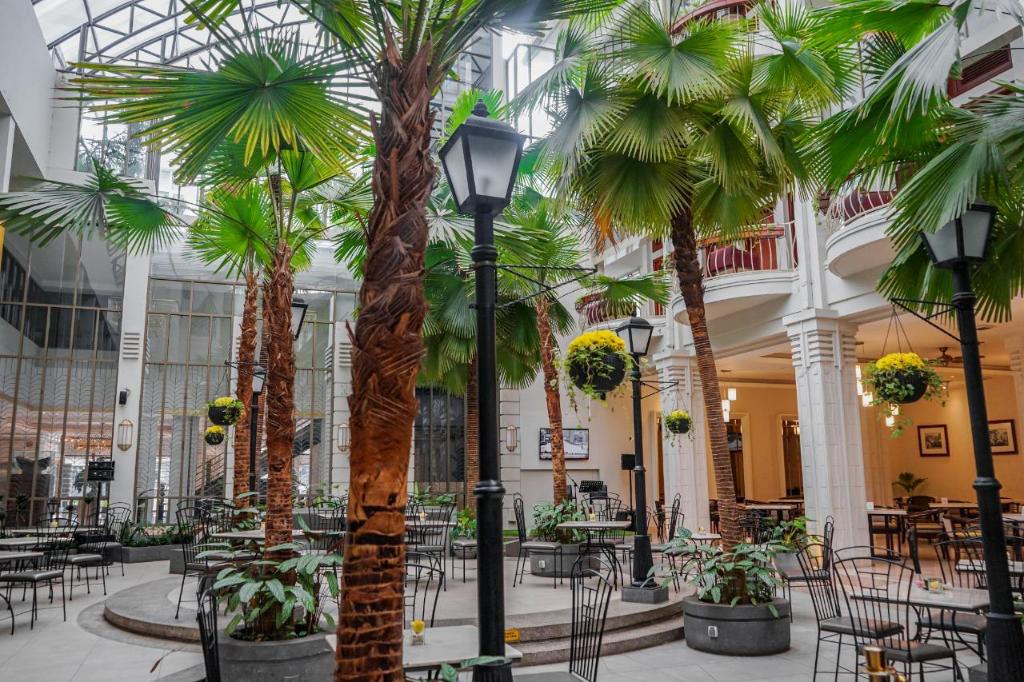
Located on the historic Jalan Asia-Afrika in Bandung, the Savoy Homann Bidakara is an embodiment of Art Deco grandeur and a witness to significant international gatherings. Originally established by the Homann family, it gained renown for its exceptional culinary offerings, particularly Ibu Homann’s famous rijsttafel. The hotel’s distinctive initial design, conceived in 1939 by architect Albert Aalbers, was inspired by the art deco movement and the flowing lines of ocean waves, a bold statement of modernity for its time. In 1940, its name was officially changed to Savoy Homann, a clear assertion of its prominence.
The Savoy Homann has hosted illustrious guests, including the legendary filmmaker and actor Charlie Chaplin, a testament to its international appeal during the pre-war and post-war periods. Its strategic location also made it a significant venue during critical historical events. It played a role in hosting delegates during the 1955 Asian-African Conference, a landmark event that brought together newly independent nations and became a pivotal moment in the Non-Aligned Movement. The hotel’s enduring architectural style and its association with such significant historical figures and events make it a cherished heritage property.
Historical Context and Timeline:
- Early 20th Century: The Homann family establishes the establishment, gaining a reputation for fine dining.
- 1939: Architect Albert Aalbers designs the iconic Art Deco structure, reflecting the era’s architectural trends.
- 1940: The hotel is officially named Savoy Homann, solidifying its identity.
- 1955: Serves as a venue for delegates attending the historic Asian-African Conference, a key moment in post-colonial diplomacy.
- Ongoing: Continues to operate, preserving its architectural heritage and historical connections.
Analysis of Implications: The Savoy Homann’s role in the Asian-African Conference highlights its significance beyond just a luxury hotel. It was a venue where critical discussions about decolonization, self-determination, and international cooperation took place, shaping the geopolitical landscape of the 20th century. The hotel’s continued operation allows visitors to step into the very spaces where these historical dialogues unfolded.
5. Inna Bali Heritage Hotel: Bali’s Pioneering Luxury and Colonial Charm
The Inna Bali Heritage Hotel holds the distinction of being Bali’s first luxury accommodation, opening its doors on August 22, 1927. Its establishment coincided with a growing wave of Western tourism to the island, facilitated by the steamship company Koninklijke Paket-vaart Maatschappij (KPM). At a time when Bali was beginning to capture the imagination of global travelers for its unique culture and natural beauty, the Inna Bali provided a sophisticated base for these early explorers.
As a three-star establishment, it offered a level of comfort and service that was groundbreaking for the island at the time. Located in the Denpasar area, it provided guests with access to the island’s burgeoning cultural attractions. The hotel’s amenities, including its gardens, restaurant, and swimming pool, were designed to cater to the discerning tastes of its international clientele. The Inna Bali Heritage Hotel represents a crucial chapter in Bali’s tourism development, marking the island’s entry into the global hospitality scene under colonial influence, and its continued operation honors this pioneering legacy.
Historical Context and Timeline:
- 1920s: Growing interest in Bali among European travelers.
- August 22, 1927: Inauguration of the Inna Bali Hotel, becoming the island’s first luxury accommodation.
- Mid-20th Century: Continues to serve as a key hotel in Bali, adapting to post-independence changes.
- Present Day: Operates as the Inna Bali Heritage Hotel, preserving its historical significance and architectural style.
Broader Impact and Implications: The development of these hotels during the Dutch colonial era laid the groundwork for Indonesia’s modern tourism industry. They not only provided essential infrastructure but also shaped perceptions of Indonesian hospitality for international visitors. Today, these heritage hotels serve multiple roles: they are vital economic contributors, important cultural heritage sites, and unique travel destinations that offer an immersive experience of Indonesia’s rich and complex past. Their continued operation is a testament to their enduring architectural and historical value, providing a tangible link between the nation’s colonial past and its vibrant present. The ongoing preservation and promotion of these establishments are crucial for understanding Indonesia’s journey and for offering a richer, more nuanced travel experience.