Azin Asro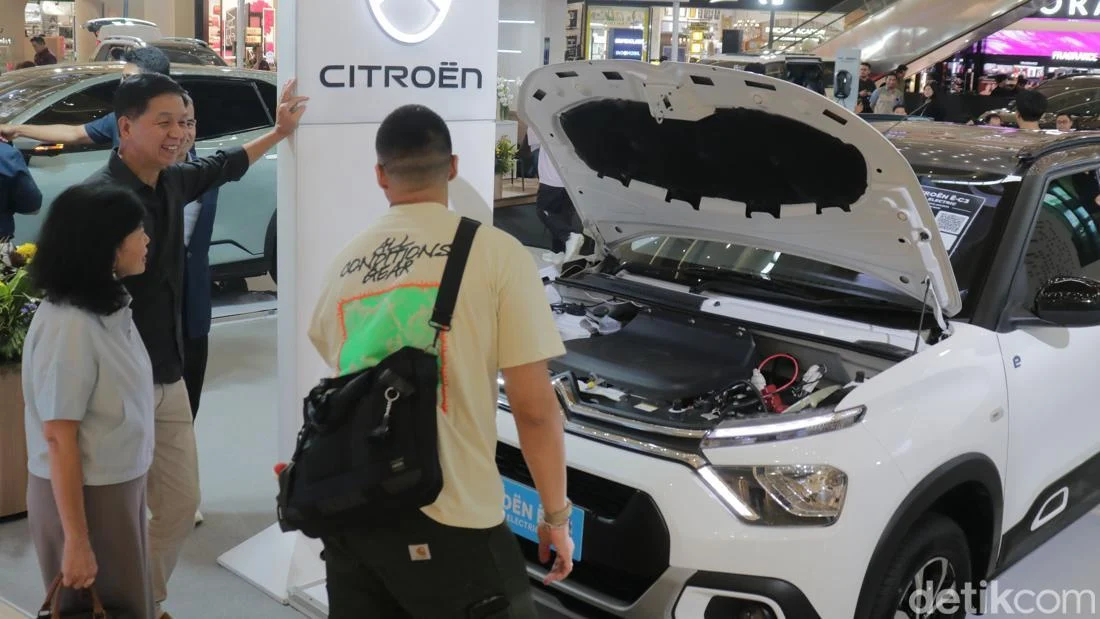
The bustling heart of Jakarta became a focal point for the future of transportation on Friday, May 8, 2026, as the latest electric vehicle (EV) exhibition opened its doors to a capacity crowd at Senayan City. This high-profile event, organized to bridge the gap between cutting-edge automotive technology and the Indonesian consumer, arrived at a critical juncture for the nation’s energy transition. As the government prepares to roll out a massive new wave of subsidies in June 2026, the atmosphere at the exhibition was charged with anticipation, featuring an array of battery-electric vehicles (BEVs), plug-in hybrids, and the infrastructure solutions required to support them. From the moment the doors opened at 10:00 WIB, the atrium of one of Central Jakarta’s most prestigious shopping malls was transformed into a showcase of silent, emission-free power, drawing thousands of visitors eager to witness the rapid evolution of the domestic automotive landscape.
The exhibition served as more than just a display of shiny new hardware; it functioned as a comprehensive educational platform and a barometer for public sentiment regarding the shift away from internal combustion engines. Various manufacturers, ranging from established global giants to emerging regional players, utilized the premium space to debut their 2026 and 2027 model-year lineups. The visual centerpiece of the event was a series of sleek, aerodynamically optimized sedans and versatile urban SUVs that highlighted how far battery density and charging speeds have progressed over the last three years. Visitors were seen crowding around display units, peering into engine-less compartments, and testing the tactile quality of sustainable interior materials, signaling a profound shift in consumer priorities toward eco-consciousness and high-tech integration.

A Chronology of Growing Enthusiasm
The day’s events began with an early morning media preview, where industry experts and government representatives highlighted the strategic importance of holding such exhibitions in high-traffic urban centers. By mid-afternoon, the demographic of the crowd shifted from industry insiders to curious shoppers and serious prospective buyers. As the workday ended, the "Friday Night Rush" saw a significant spike in attendance, with professionals from the surrounding Sudirman Central Business District (SCBD) stopping by to evaluate the feasibility of switching to electric mobility for their daily commutes.
Throughout the afternoon, the exhibition floor remained a hive of activity. Sales representatives and product specialists were kept busy addressing a barrage of technical questions. Unlike previous years, where inquiries were largely limited to "How far can it go on a single charge?", the 2026 consumer appeared much more sophisticated. Discussions frequently revolved around the specifics of kilowatt-hour (kWh) efficiency, the longevity of Lithium Iron Phosphate (LFP) versus Nickel Manganese Cobalt (NMC) batteries, and the compatibility of various home charging wall-box installations. This evolution in consumer knowledge suggests that the Indonesian public is moving past the "early adopter" phase and into a more mature understanding of the EV ecosystem.
Technological Breakthroughs and Consumer Experience
One of the primary draws of the Senayan City exhibition was the live demonstration of ultra-fast charging technology. Several manufacturers showcased units capable of gaining 200 kilometers of range in under ten minutes, a feature aimed directly at alleviating the "range anxiety" that has historically hindered EV adoption in Indonesia. Beyond charging, the vehicles on display featured advanced driver-assistance systems (ADAS) that have become standard in the 2026 market, including Level 3 autonomous parking and integrated V2L (Vehicle-to-Load) capabilities, which allow the car to act as a giant mobile power bank for household appliances.
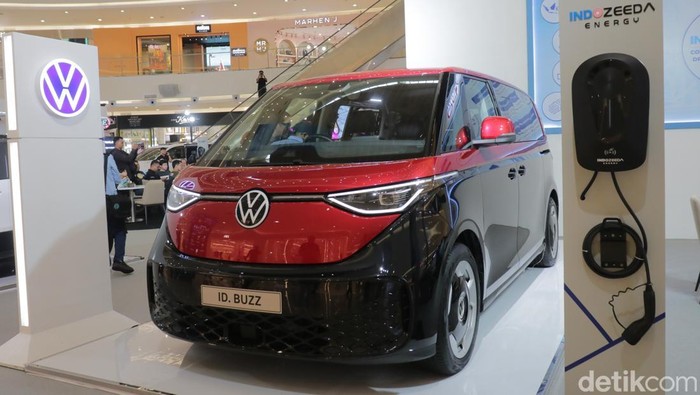
The experiential aspect of the pameran was a significant factor in its success. Unlike traditional showrooms, the Senayan City event allowed for immediate comparison between brands in a relaxed, lifestyle-oriented environment. Test drive units were stationed in the VIP parking area, allowing visitors to experience the instant torque and near-silent operation of the electric motors on the streets of Central Jakarta. This hands-on approach proved effective, with many visitors reporting that the physical experience of driving an EV was the final push they needed to consider a purchase.
The June 2026 Subsidy: A Game-Changer for the Market
A major talking point throughout the exhibition was the impending government policy update scheduled for June 2026. The Indonesian government has officially announced a new, more aggressive subsidy package designed to accelerate the transition to green energy. This program includes a dedicated quota for 200,000 units, split between electric cars and motorcycles, which is expected to significantly lower the barrier to entry for middle-class consumers.
The timing of the Senayan City exhibition was no coincidence. By showcasing the latest models just weeks before the subsidy takes effect, manufacturers are positioning themselves to capture a surge in demand. Industry analysts at the event noted that the June 2026 policy is expected to include not only direct price reductions but also tax incentives for companies that install workplace charging stations and a continuation of the 0% down payment program for EV loans. This holistic approach by the government aims to meet the ambitious target of having over 2 million electric cars on Indonesian roads by 2030.
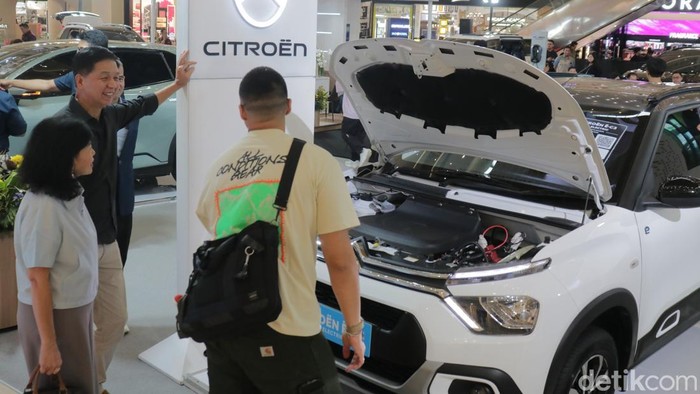
During consultations at various booths, many visitors were seen performing detailed financial simulations. Financial institutions partnered with the event to offer on-the-spot credit assessments, incorporating the projected government subsidies into the monthly installment calculations. For many, the realization that the total cost of ownership (TCO)—when factoring in reduced maintenance and the lower cost of electricity compared to subsidized fuel—was lower than that of a traditional gasoline vehicle served as a powerful incentive.
Strategic Implications for the Indonesian Economy
The pameran at Senayan City also underscored Indonesia’s broader economic ambitions to become a global hub for the EV supply chain. By stimulating domestic demand through events and subsidies, the government is creating a stable market for the batteries and vehicles being produced in new industrial zones across Java and Sulawesi. Indonesia’s vast nickel reserves remain the backbone of this strategy, and the shift toward domestic consumption of finished EVs represents a move up the value chain from raw material exporter to high-tech manufacturer.
Industry experts present at the event emphasized that the high level of public interest seen in Jakarta is a vital signal to international investors. "When we see this level of engagement in a premier retail environment, it confirms that the market is ready," stated one automotive consultant. "The transition is no longer a ‘future’ concept; it is happening now in the showrooms and shopping malls of Jakarta."
Addressing Infrastructure and Urban Integration
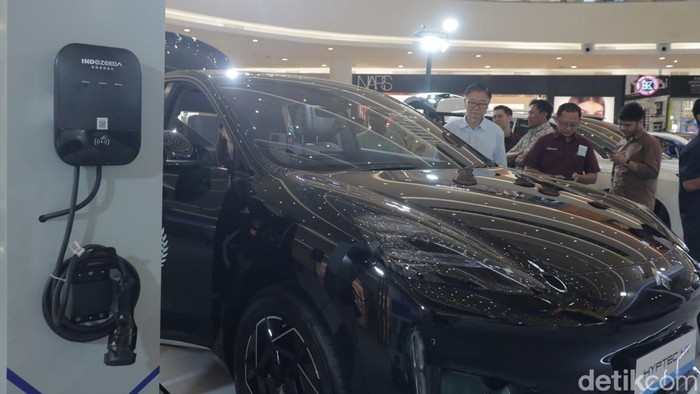
While the vehicles themselves were the stars of the show, significant space was dedicated to the "supporting cast" of the EV world: charging infrastructure. Perusahaan Listrik Negara (PLN) and various private charging network providers showcased their latest mobile apps and map integrations, showing visitors exactly where they can find Public Electric Vehicle Charging Stations (SPKLU) across the Greater Jakarta area and along the Trans-Java toll road.
The exhibition highlighted a growing trend of "destination charging," where malls, office buildings, and apartments are increasingly equipped with charging points. Representatives from these companies explained that by 2026, the goal is to make charging as ubiquitous and invisible as Wi-Fi. For residents of Jakarta’s high-rise apartments, the promise of dedicated charging spots is often the deciding factor in whether they can realistically own an EV, and the exhibition provided a platform for these providers to showcase their latest residential solutions.
Promotional Incentives and Market Competitiveness
To capitalize on the high foot traffic, exhibitors offered a variety of exclusive "event-only" promotions. These included extended battery warranties of up to 10 years, free home-charging installation kits, and various lifestyle perks such as mall vouchers and insurance discounts. The competitive nature of the event was palpable, with brands vying to offer the most comprehensive "peace of mind" packages to first-time EV buyers.
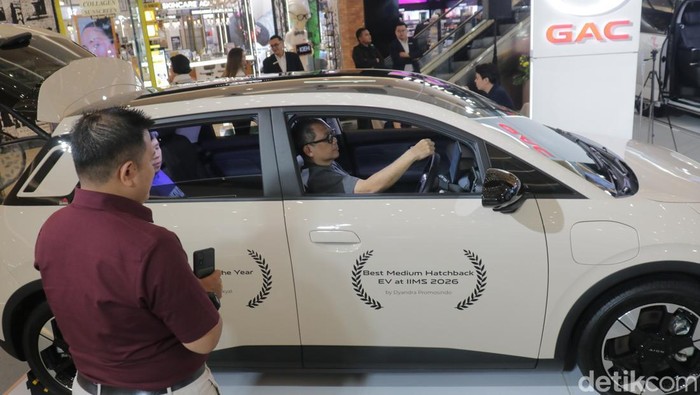
This competition is a boon for the consumer. As more brands enter the Indonesian market, particularly those offering affordable compact EVs, the price war is driving innovation and making sustainable transport accessible to a wider demographic. The Senayan City exhibition showcased everything from luxury electric grand tourers priced in the billions of Rupiah to practical, city-friendly hatchbacks that are expected to be the primary beneficiaries of the June 2026 subsidy.
Conclusion: A Milestone for Indonesia’s Green Journey
As the first day of the exhibition drew to a close, the sheer volume of visitors and the depth of their engagement suggested that the "electric revolution" in Indonesia has reached a point of no return. The event at Senayan City was more than a commercial display; it was a snapshot of a nation in transition. By aligning technological innovation with proactive government policy and high-visibility public education, Indonesia is setting a blueprint for how emerging markets can leapfrog traditional automotive technologies in favor of a cleaner, more efficient future.
The success of the May 8 pameran serves as a precursor to what is expected to be a record-breaking month for the automotive industry in June. With the 200,000-unit subsidy quota on the horizon and a public that is increasingly literate in the benefits of electric mobility, the streets of Jakarta are poised to look—and sound—very different in the coming years. For the visitors leaving Senayan City that Friday night, the future of driving was no longer a distant dream, but a tangible, reachable reality parked right in front of them.