Nila Kartika Wati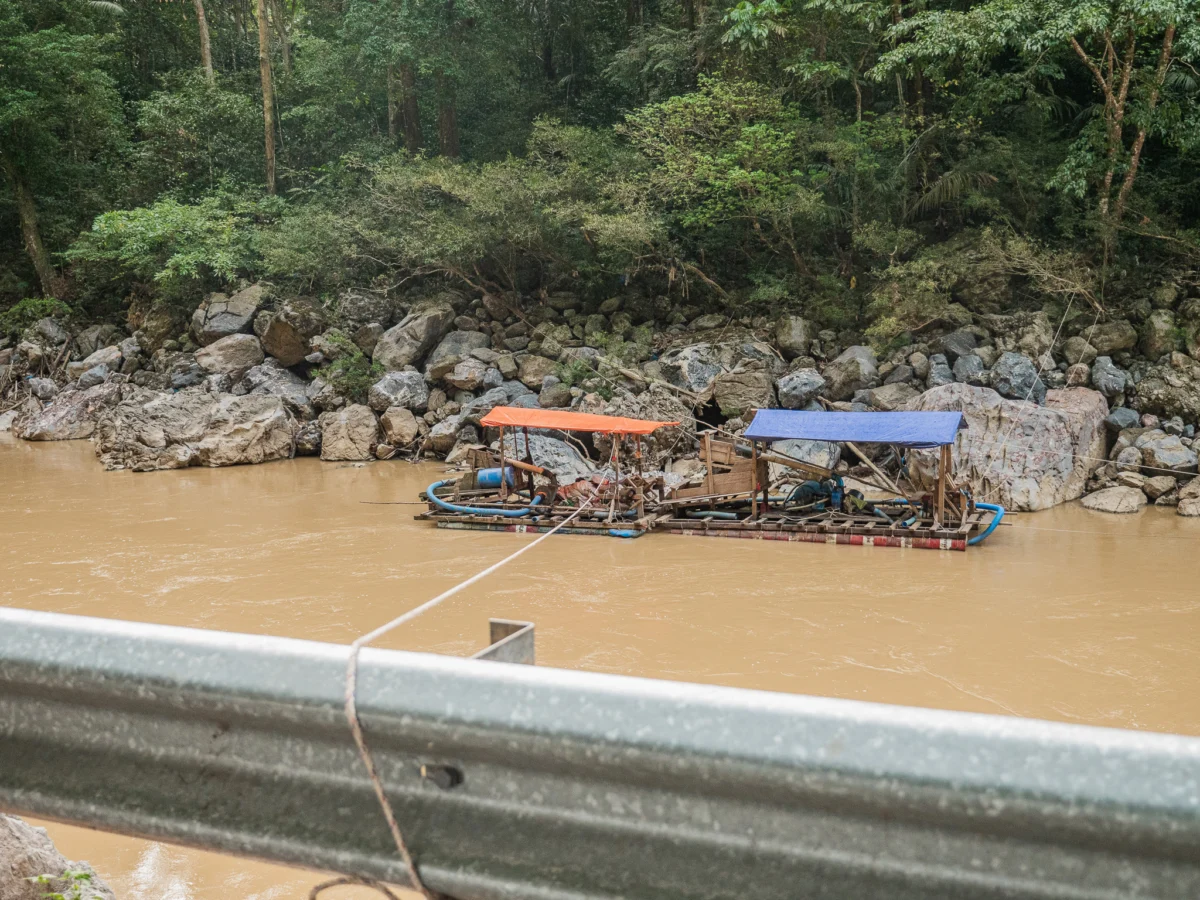
The provincial government of West Sumatra has officially acknowledged that illegal gold mining activities, locally known as Pertambangan Emas Tanpa Izin (PETI), have reached a critical and alarming level across the region. This clandestine industry is no longer a localized issue but a widespread environmental and humanitarian crisis that is systematically dismantling the province’s ecological integrity. According to the latest reports from the West Sumatra Energy and Mineral Resources (ESDM) Department, the scale of these operations has triggered massive deforestation, severe river pollution, and a sharp increase in the frequency of deadly ecological disasters. The government admits that the proliferation of these illegal sites is reshaping the landscape of West Sumatra at an unprecedented pace, leaving behind a trail of destruction that may take decades, if not centuries, to remediate.
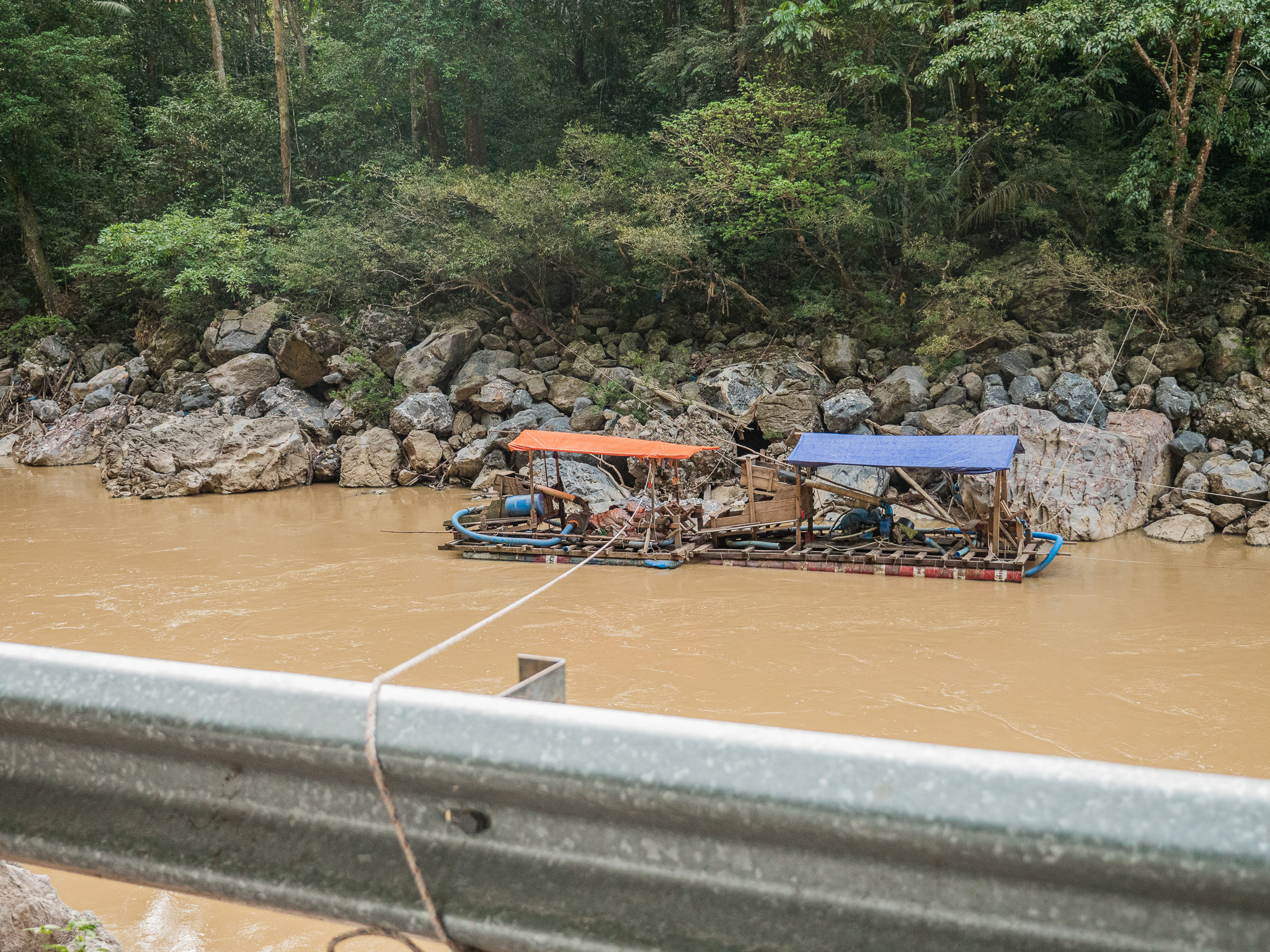
Data compiled by the ESDM Department indicates that there are currently between 200 and 300 active illegal gold mining points scattered across the province. These operations are not merely small-scale traditional panning activities but have evolved into sophisticated, mechanized ventures that utilize heavy machinery and suction pumps to strip the earth of its resources. The impact on the natural topography is profound; vast swaths of primary and secondary forests are being cleared to make way for open-pit mines, while riverbanks are being hollowed out, leading to catastrophic soil instability.
Helmi Heriyanto, the Head of the West Sumatra ESDM Department, expressed his grave concerns during a Focus Group Discussion (FGD) held with the Regional Leadership Coordination Forum (Forkopimda) in Padang on Tuesday, May 19, 2026. He noted that the visible scars of these activities are most prominent along river basins and hilly terrains. The department has identified six primary districts that serve as the epicenters for these illegal activities: South Solok, Solok Regency, Dharmasraya, Sijunjung, Pasaman, and West Pasaman. Furthermore, new mining footprints have recently been detected in the Sawahlunto area, suggesting that the industry is continuously seeking new frontiers as older sites become exhausted or overly scrutinized.
The human cost of this illegal industry is perhaps its most tragic dimension. In just the past two weeks, the province has been rocked by two separate incidents at illegal mining sites in Sijunjung, which resulted in the deaths of at least nine individuals. These fatalities are part of a much larger and grimmer trend. Records from 2020 to 2026 show that dozens of lives have been lost due to landslides, tunnel collapses, and equipment accidents at these unregulated sites. Despite the inherent dangers, the allure of quick wealth continues to draw thousands of laborers into these "death traps," often with the quiet backing of powerful financiers who remain shielded from the risks.
A Chronology of Destruction: The Case of Guguak
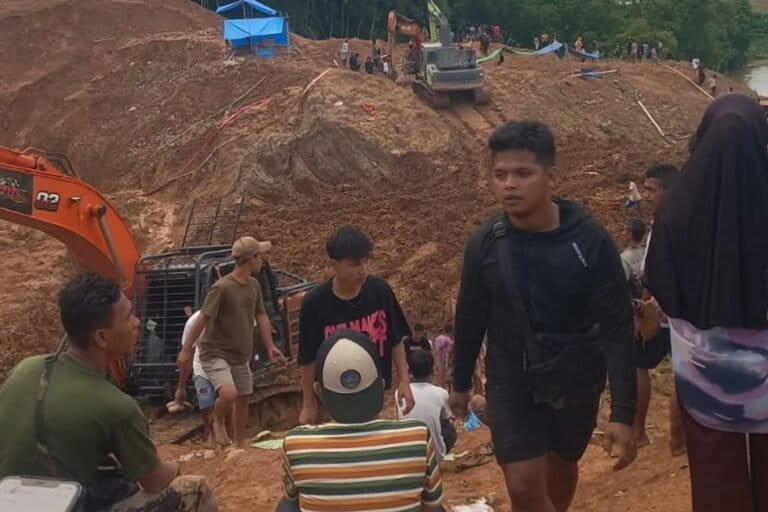
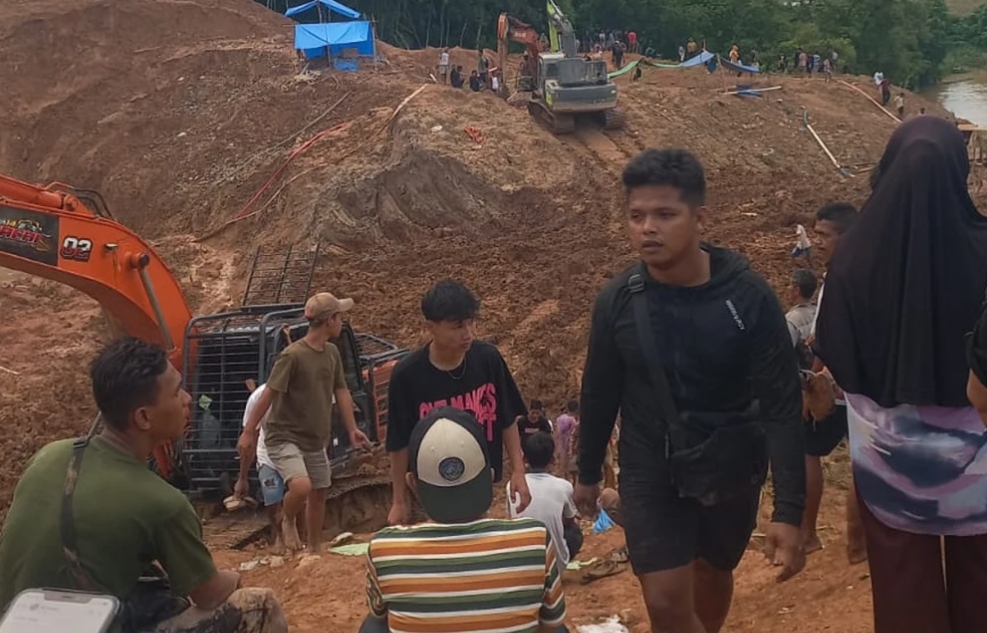
To understand the sheer velocity of the environmental degradation, the Indonesian Forum for the Environment (Walhi) West Sumatra recently released a comprehensive analysis based on high-resolution satellite imagery. The study focused on the Guguak region in Sijunjung, the site of a devastating landslide on Thursday, May 14, 2026, which buried 12 miners, killing nine of them. The satellite data provides a chronological record of how a pristine ecosystem was transformed into a wasteland in less than four years.
In 2021, the Guguak area was characterized by dense natural vegetation. Satellite photos from this period show lush forests, productive plantations, and traditional rice paddies lining the Kuantan River. The river itself appeared healthy, with clear water and minimal sedimentation, indicating that the sempadan (riparian zones) were functioning effectively as ecological buffers. At this stage, illegal mining activities were negligible or non-existent in this specific corridor.
By 2022, the first signs of trouble emerged. The water quality of the river began to decline, taking on a murky hue as sedimentation increased, particularly at river bends. Initial land clearing was detected on the left bank of the river, which experts believe served as the entry point for mining equipment. This marked the beginning of the disruption to the Kuantan Watershed (DAS), a vital water source for thousands of residents downstream.
The year 2023 saw a dramatic escalation. The mining footprint expanded into a large-scale open-pit operation. Satellite images from this period reveal the total disappearance of forest cover in the target area, replaced by deep craters and stagnant pools of water contaminated by mining byproducts. The river’s color shifted to a deep, opaque brown, a sign of heavy siltation caused by the direct dumping of tailings and soil into the waterway. It was during this phase that Walhi identified the presence of at least two heavy excavators and dozens of "dongfeng" (modified diesel suction pumps) operating openly in the area.
By early 2024, the destruction reached a terminal state. The total area of the illegal mining opening in Guguak had expanded to approximately 6.58 hectares. The topsoil, essential for any future reforestation, had been completely stripped away. The morphology of the river was fundamentally altered; the accumulation of mining waste led to the formation of massive sandbars, narrowing the river channel and forcing the water to carve new, unstable paths. This instability, combined with the removal of vegetation on steep slopes, created the perfect conditions for the May 14 landslide.
The Web of "Backers" and Institutional Silence
One of the most significant hurdles in eradicating PETI in West Sumatra is the alleged involvement of influential figures who provide financial and political protection to the operators. Mukhlis, the Deputy Head of the West Sumatra High Prosecutor’s Office, has called for total transparency in identifying the "beking" (backers) behind these operations. He emphasized that law enforcement cannot simply target the laborers on the ground; they must follow the money trail to the financiers and the officials who facilitate these crimes.
"We need to document exactly who the investors are, who is providing protection, and where the workforce is being sourced from," Mukhlis stated. "Once we have this intelligence, we must take decisive action without exception. We cannot allow a few individuals to profit while the state and the community bear the environmental and social costs."
Despite the calls for action from the Governor and the Prosecutor’s Office, the response from the police has been notably restrained. When approached by journalists following a public event in Sijunjung on May 16, 2026, West Sumatra Police Chief Inspector General Gatot Tri Suryanta offered only a brief comment, deferring the matter to the criminal investigation unit. Similarly, other high-ranking police officials, including the Head of Public Relations and the Sijunjung Police Chief, have remained silent or unavailable for comment regarding the progress of investigations into recent mining fatalities.
This perceived lack of urgency from law enforcement has drawn sharp criticism from civil rights and environmental groups. Critics argue that the visibility of these mines—many of which operate within earshot of main roads and can be seen clearly via satellite—makes the lack of arrests for high-level financiers difficult to justify.
Broader Implications and the Threat to Future Generations
The consequences of illegal gold mining in West Sumatra extend far beyond the immediate loss of life and forest cover. Uli Arta Siagian, a National Executive Campaigner for Walhi, warned that the province is facing a long-term ecological debt. Between 2012 and 2026, Walhi estimates that over 10,000 hectares of land have been destroyed by PETI across West Sumatra, with a cumulative death toll of at least 48 people.
The use of mercury in the gold extraction process is a "silent killer" that the government has yet to fully address. In many illegal sites, mercury is used to create gold amalgams, a process that often results in the heavy metal leaching into the soil and water systems. Once in the river, mercury enters the food chain, bioaccumulating in fish and eventually posing a severe neurotoxic threat to human populations who rely on the river for food and irrigation.
Furthermore, the physical degradation of the watersheds has made West Sumatra increasingly vulnerable to "hydro-meteorological" disasters. The siltation of rivers reduces their capacity to carry water during the rainy season, leading to more frequent and more severe flash floods. The loss of forest cover on the highlands means that there is nothing to absorb rainfall, causing rapid runoff that triggers landslides in downstream communities.
Governor Mahyeldi has characterized the PETI crisis as a direct threat to the safety of the citizens and the sustainability of the region’s development. He has urged for a unified front among all government agencies to enforce the law. "Anything that is destructive, illegal, and violates the law must be dealt with firmly. If we do not act now, the list of victims will only continue to grow, and our environment will reach a point of no return," the Governor warned.
The Path Forward: Enforcement and Economic Alternatives
The West Sumatra provincial government is now at a crossroads. While the economic lure of gold is strong, especially in regions with limited employment opportunities, the long-term cost of illegal mining is proving to be unsustainable. Analysts suggest that a multi-pronged approach is necessary to solve the crisis.
First, there must be a rigorous crackdown on the supply chain of illegal mining, including the seizure of heavy machinery and the prosecution of the "big fish" financiers. Second, the government needs to address the socio-economic drivers of PETI by providing viable agricultural or eco-tourism alternatives for local communities. Third, there is an urgent need for a massive restoration project to stabilize the degraded watersheds and prevent further landslides.
The tragedy in Sijunjung and the data provided by Walhi serve as a final wake-up call. The state’s ability to protect its natural heritage and the lives of its citizens is being tested by an industry that thrives on shadows and silence. Without immediate and transparent intervention, the "Golden Province" of West Sumatra risks becoming a land of scars, where the wealth of the earth is extracted at the cost of its future.