Tyo Susilo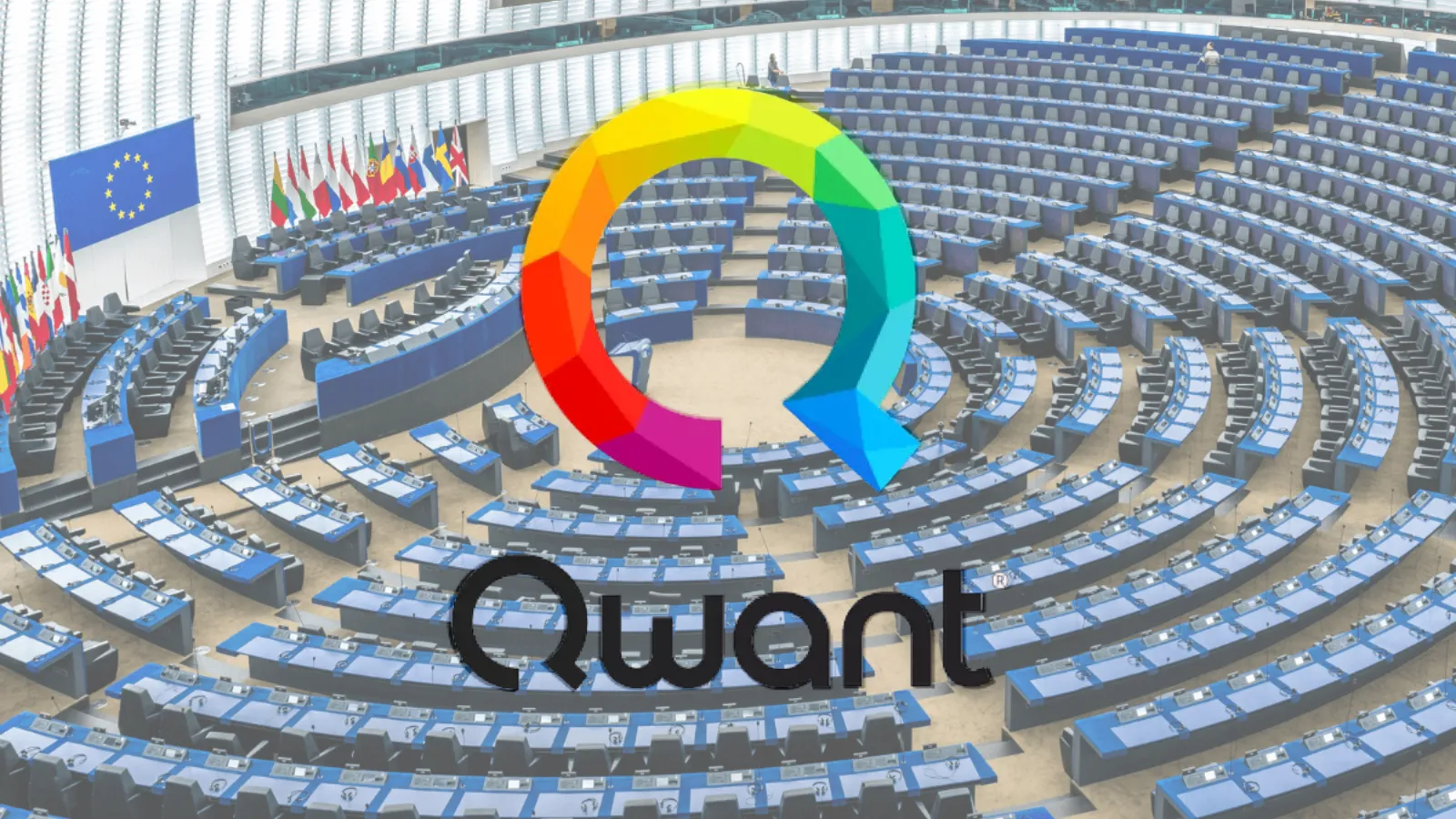
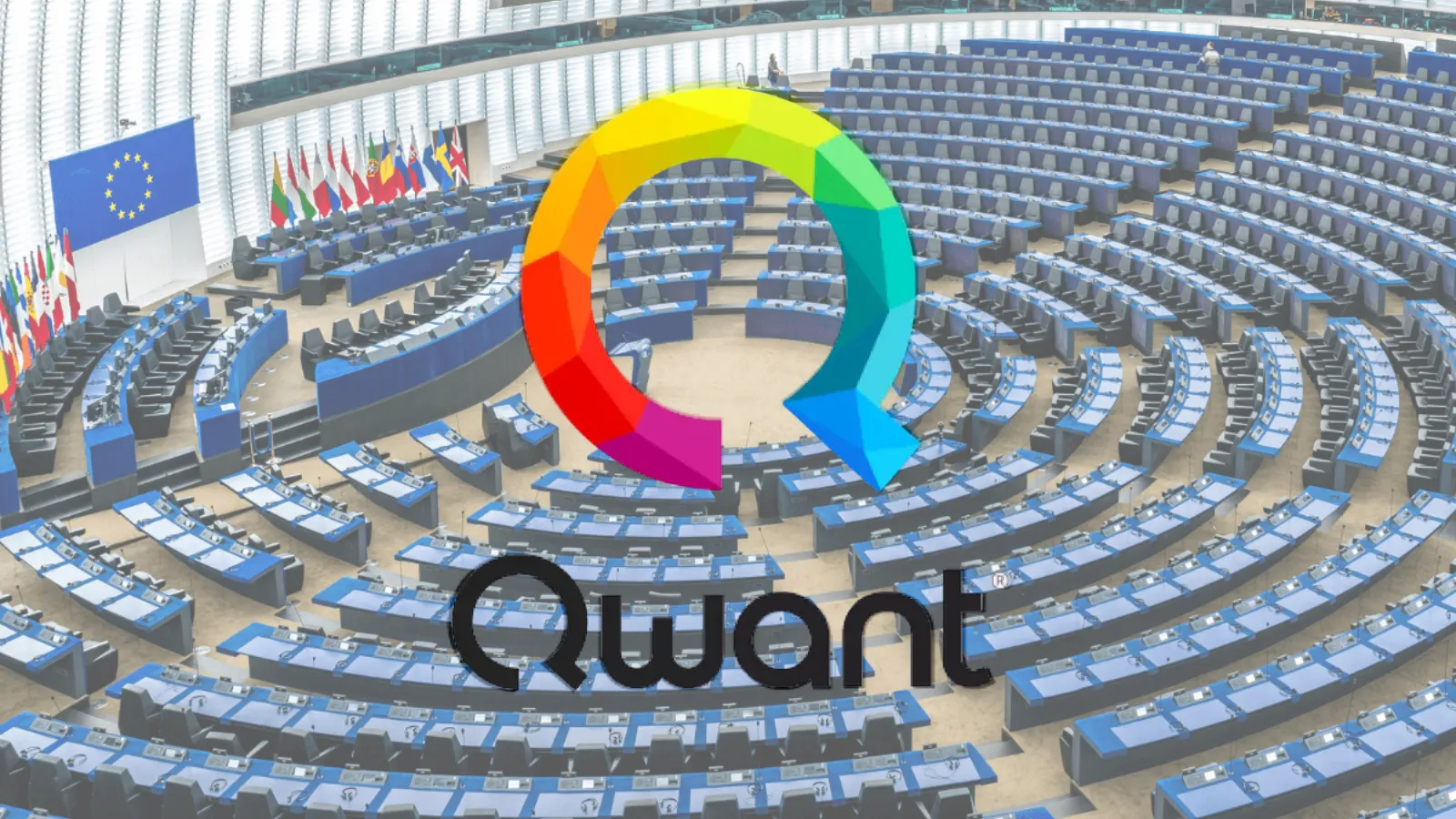
The European Parliament has officially transitioned its default search engine from Google to Qwant, a move that signifies a significant step in the bloc’s endeavor to reduce its reliance on American technology giants. This change, implemented this week, means that any searches initiated through the address bar in browsers like Firefox and Edge used by Members of the European Parliament (MEPs) and their staff will now be routed through Qwant. The decision underscores a growing strategic imperative within the EU to foster its own digital infrastructure and bolster its digital sovereignty.
A Strategic Shift Towards European Digital Independence
This decision by the European Parliament is more than a simple change in a default setting; it represents a symbolic and practical assertion of the EU’s commitment to developing and utilizing its own technological solutions. For years, the digital landscape in Europe has been heavily dominated by U.S.-based technology companies, from search engines and cloud services to operating systems and productivity software. Google’s search engine, in particular, holds a commanding market share across the continent, making this shift by a major European institution particularly noteworthy.
The rationale behind this transition is multifaceted, with privacy concerns and the desire for greater digital autonomy taking center stage. Qwant, a search engine originating from France, has positioned itself as a privacy-centric alternative to established players like Google. Unlike many of its competitors, Qwant asserts that it does not track user activity, collect personal data for targeted advertising, or engage in the profiling of its users. This commitment to user privacy aligns directly with the EU’s robust data protection regulations, most notably the General Data Protection Regulation (GDPR), which came into effect in May 2018. By adopting Qwant, the Parliament is not only choosing a European provider but also endorsing a model of internet service that is more respectful of individual privacy, a core value championed by the European Union.
The Chronology of a European Digital Awakening
The move towards greater digital sovereignty within the EU has been a gradual process, building momentum over several years. While this specific decision to switch to Qwant for the European Parliament is recent, the underlying sentiment and policy discussions have been ongoing.
The GDPR, enacted in 2018, was a landmark piece of legislation that fundamentally reshaped how data is handled by companies operating within the EU. It signaled a clear intent from European lawmakers to put citizens’ data rights at the forefront and to hold technology companies accountable for their data practices. This regulatory push created an environment more conducive to European tech companies that prioritize privacy.
Simultaneously, various initiatives have been launched to foster European innovation and reduce dependence on foreign tech. These include efforts to develop common European cloud infrastructure, promote open-source technologies, and invest in research and development for artificial intelligence and other emerging fields. The European Commission has consistently highlighted the need for the EU to become a leader in the digital age, not just a consumer of technology developed elsewhere.
The specific selection of Qwant as the default search engine for the European Parliament likely involved a formal procurement process or a policy directive from the Parliament’s internal administration. While the exact timeline of deliberations and testing is not publicly detailed, the implementation this week indicates that the decision-making process has concluded and the transition has been executed.
Qwant’s Position and Technological Underpinnings
Qwant was founded in 2013 by Pierre Baudoin and Éric Léandri with the stated mission of offering a search engine that respects user privacy and provides unbiased results. Headquartered in Paris, it is one of the few major European search engines aiming to compete on a global scale.
Crucially, Qwant’s operational model, while independent, has historically leveraged other search indexing technologies. Initially, and still to a significant extent, Qwant utilizes Microsoft’s Bing search index to provide its search results. This is a common practice for new search engines as building a comprehensive web index from scratch is an immensely resource-intensive undertaking. However, Qwant has been actively working to develop its own proprietary search index.
A significant development in this regard is Qwant’s collaboration with Ecosia, another European search engine known for its environmental mission, on a project named "Staan." This joint effort aims to build a more robust and independent European search index. The European Parliament’s adoption of Qwant can be seen as a vote of confidence not only in Qwant’s current privacy-focused offering but also in its future potential and its role in building a more self-sufficient European digital ecosystem. Supporting Qwant, and by extension projects like Staan, is a tangible way for the EU to invest in its own digital infrastructure.
Supporting Data and Market Context
The digital landscape in Europe is characterized by a strong presence of U.S. tech giants. According to various market analysis reports, Google’s search engine consistently holds over 90% of the market share in most European countries. Similarly, U.S. companies dominate in areas like cloud computing, operating systems (Microsoft Windows), and mobile operating systems (Google’s Android and Apple’s iOS).
This dominance raises several concerns for European policymakers:
- Economic Dependence: A significant portion of digital economy revenue flows out of Europe to U.S. headquarters.
- Data Security and Sovereignty: Sensitive data of European citizens and institutions are stored and processed on servers often located outside the EU, raising concerns about access by foreign governments and the potential for data breaches.
- Algorithmic Bias and Influence: Reliance on a few dominant platforms can lead to concerns about the influence of their algorithms on public discourse and information access.
- Innovation Ecosystem: A lack of strong domestic competitors can stifle the growth of European startups and the development of a vibrant European tech ecosystem.
The European Parliament’s decision, while affecting a relatively small user base within the grand scheme of global internet usage, sends a powerful signal. It highlights the growing awareness and political will within the EU to address these imbalances. This move is consistent with broader EU policies aimed at fostering a "digital single market" that is competitive, innovative, and protective of its citizens’ rights.
Reactions and Potential Implications
While specific official statements from Google or Microsoft regarding the European Parliament’s decision have not been widely reported, the move is unlikely to go unnoticed. Such actions often spark discussions within the tech industry about market competition, data privacy, and the role of regional technology providers.
From a broader perspective, this decision carries several potential implications:
- Inspiration for Other Institutions: The European Parliament’s adoption of Qwant could inspire other EU institutions, national governments, and public sector organizations to review their own default technology choices and consider prioritizing European or privacy-focused alternatives.
- Boost for Qwant: This endorsement from a major European political body provides significant visibility and credibility for Qwant. It could lead to increased adoption by other organizations and individuals seeking a more private search experience.
- Catalyst for European Digital Development: By demonstrating a commitment to European digital solutions, the Parliament’s move could encourage further investment and innovation in the European tech sector. The success of Qwant could pave the way for other European digital service providers to gain traction.
- User Choice Remains Paramount: It is important to note that the decision by the European Parliament allows for individual choice. Members and staff can still revert to using Google or other search engines if they wish. This approach balances the institutional goal of promoting European technology with the practical needs and preferences of individual users.
Future Outlook and Challenges
Qwant, while gaining ground, still faces significant challenges. Its current service offering is primarily limited to its search engine and a browser. In contrast, Google offers a vast ecosystem of interconnected services, including email (Gmail), cloud storage (Google Drive), mapping (Google Maps), video streaming (YouTube), and an operating system (Android), among many others.
For Qwant to truly compete and expand its influence, it will need to continue developing its technological capabilities, potentially broadening its service offerings, and securing sustained investment. The partnership with Ecosia on the Staan project is a critical step in this direction, aiming to build a more independent search infrastructure.
The European Union’s commitment to digital sovereignty is a long-term strategic objective. The European Parliament’s decision to switch to Qwant is a concrete manifestation of this commitment. It signals a deliberate effort to nurture its own digital champions and create a more balanced and resilient digital economy, one that is less dependent on the technological giants of Silicon Valley and more aligned with European values of privacy and autonomy. The journey ahead for Qwant and other European tech firms will be challenging, but this move by the European Parliament marks a significant milestone in that ongoing endeavor.