Nasution Nanang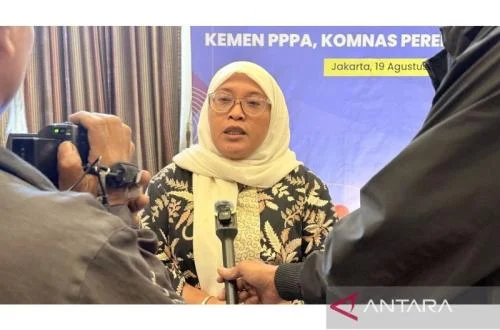
JAKARTA – The National Commission on Violence Against Women (Komnas Perempuan) has reported an alarming surge in sexual violence cases, projecting a staggering 22,848 incidents by 2025. This significant increase comes despite the enactment of the Sexual Violence Crime Law (UU TPKS) four years ago, raising serious concerns about the effectiveness of its implementation and the persistent challenges in combating such crimes across Indonesia. The figures underscore a critical juncture for the nation in its commitment to protecting its citizens from sexual violence and ensuring justice for survivors.
The Context of UU TPKS and Komnas Perempuan’s Role
The Undang-Undang Tindak Pidana Kekerasan Seksual (UU TPKS), or Law on Sexual Violence Crimes, was officially ratified in April 2022, marking a monumental legislative achievement after more than a decade of advocacy from civil society organizations and women’s rights activists. Its passage was celebrated as a landmark step towards a more comprehensive legal framework to address the myriad forms of sexual violence previously not adequately covered by existing laws. Before UU TPKS, Indonesia’s legal system often struggled to categorize and prosecute various forms of sexual violence beyond rape, leaving many victims without adequate legal recourse or protection. The law explicitly recognizes 12 forms of sexual violence, including non-physical sexual harassment, sexual exploitation, forced marriage, forced abortion, and sexual slavery, among others. It also provides for specific victim rights, including protection, restitution, and recovery services.
Komnas Perempuan, established in 1998 as a national human rights institution mandated to prevent and address violence against women, has been at the forefront of monitoring the implementation of UU TPKS. Its annual reports, known as "Catatan Tahunan" (Annual Notes), serve as crucial barometers for understanding the landscape of gender-based violence in Indonesia. The institution plays a vital role in advocating for policy changes, conducting research, and providing recommendations to the government to improve the protection and rights of women. The recent report from Komnas Perempuan, therefore, carries significant weight, offering a stark assessment of the current situation.
Alarming Data: A 360 Percent Surge
According to Dahlia Madanih, Vice Chair of Komnas Perempuan, the Catatan Tahunan indicates a dramatic escalation in reported cases. In 2022, the year UU TPKS was enacted, Komnas Perempuan recorded 6,315 cases of sexual violence. This number is projected to skyrocket to 22,848 cases by 2025, representing an increase of over 360 percent. While such a dramatic rise might initially suggest an increase in the actual incidence of sexual violence, experts from Komnas Perempuan and other advocacy groups also interpret this surge, in part, as a reflection of increased public awareness and enhanced confidence among survivors to report incidents, facilitated by the new law. The UU TPKS, by providing a clearer legal pathway and recognizing more forms of violence, has empowered victims who previously might have felt voiceless or believed their experiences would not be legally recognized.
However, Madanih emphasized that this increase also serves as a "serious warning" that the nine mandated areas of prevention outlined in UU TPKS are still frequently overlooked by stakeholders. These areas encompass a broad spectrum, from education and public awareness to creating safer public spaces and workplaces. The persistence of cases, many of which gain public attention through viral reports, highlights persistent systemic failures. "The continued recurrence of sexual violence cases, often going viral in the public sphere, indicates that prevention efforts in the fields of education and public facilities are still very minimal," Madanih stated, underscoring a critical gap between legal frameworks and practical implementation.
Challenges in Implementation: A Multifaceted Problem
The significant gap between the intent of the UU TPKS and its impact on the ground can be attributed to several systemic and practical challenges. Four years post-enactment, a comprehensive and harmonized regulatory ecosystem to support the law’s implementation is still under development. Subsidiary regulations, which are crucial for operationalizing the law’s provisions, often face delays or inconsistencies across different governmental bodies. This lack of clear guidelines can lead to confusion among law enforcement, judicial bodies, and service providers, hindering effective action.
Another critical challenge lies in the capacity of law enforcement officials and legal professionals. While the UU TPKS introduces new definitions and procedures, many police officers, prosecutors, and judges may lack adequate training in handling sexual violence cases with a victim-centric approach. This includes understanding trauma-informed practices, ensuring non-discriminatory treatment, and effectively gathering evidence in sensitive cases. Without specialized training, there is a risk of re-victimization during the legal process, further deterring survivors from coming forward.
Furthermore, the allocation of sufficient budget and the establishment of robust infrastructure for victim services remain significant hurdles. The UU TPKS mandates comprehensive support for survivors, including psychological counseling, medical assistance, legal aid, and safe housing. However, many regions, particularly those outside major urban centers, lack the necessary funding and facilities to provide these essential services effectively. This disparity means that while the law promises support, access to it can be highly uneven across the archipelago.
Komnas Perempuan also highlighted the critical role of the Integrated Service Centers for the Empowerment of Women and Children (UPTD PPA) as the frontline service providers for victims in the regions. These centers are intended to be the primary point of contact for survivors seeking help. However, many UPTD PPA facilities face challenges such as understaffing, limited resources, and insufficient capacity building for their personnel. Strengthening these centers is crucial to ensure that victims, especially in remote areas, have immediate and effective access to assistance.
Expanding State Recognition and Victim Rights
Rr Sri Agustini, another member of Komnas Perempuan, emphasized that the four-year mark of UU TPKS implementation should serve as a crucial moment for reflection on the state’s responsibility. She highlighted the law’s pivotal role in expanding state recognition of various forms of sexual violence, a significant shift from previous legal interpretations. "The presence of UU TPKS also expands the state’s recognition of various forms of sexual violence and strengthens victims’ rights to protection, handling, restitution, and recovery," Agustini stated. This expanded recognition is vital, as it validates the experiences of countless survivors whose suffering was previously minimized or unrecognized by the legal system.
The law’s provisions for restitution are particularly noteworthy. For the first time, victims have a clear legal avenue to seek compensation from perpetrators for material and non-material damages incurred as a result of sexual violence. This includes medical costs, psychological therapy, lost income, and even moral damages. While crucial, the process of obtaining restitution can be complex, requiring robust legal support and effective enforcement mechanisms to ensure perpetrators fulfill their obligations.
Inferred Statements from Related Parties and Broader Implications
While the original article focuses on Komnas Perempuan’s statements, it’s possible to infer reactions and positions from other key stakeholders in the broader context of Indonesian governance and civil society.
- Government Officials (e.g., Ministry of Women’s Empowerment and Child Protection): A likely response would acknowledge the reported surge, reiterate the government’s commitment to implementing UU TPKS, and emphasize ongoing efforts to harmonize regulations and strengthen institutional capacities. They might highlight awareness campaigns and inter-ministerial coordination efforts. However, they would also face pressure to demonstrate concrete results in reducing violence and improving victim support.
- Law Enforcement (e.g., National Police): The police force would likely affirm its dedication to prosecuting sexual violence cases and protecting victims. They might point to specialized units, training programs, and improved reporting mechanisms as evidence of their efforts. Yet, they would also implicitly face criticism regarding slow response times, lack of sensitivity, and inadequate investigative procedures in some cases.
- Civil Society Organizations (other NGOs): Other women’s rights and human rights organizations would likely echo Komnas Perempuan’s concerns, perhaps even presenting more critical assessments of the implementation pace. They would continue to advocate for greater transparency, accountability, and increased funding for grassroots victim support initiatives. They would also likely emphasize the need for cultural shifts and comprehensive sexuality education to address root causes of violence.
- Legal Experts and Academics: Legal scholars would likely commend the progressive nature of UU TPKS but point to the practical difficulties in its application. They might discuss the complexities of evidence collection, the challenges of prosecuting cases involving digital violence, and the need for continuous legal reform to adapt to evolving forms of sexual violence. They might also stress the importance of judicial independence and integrity in ensuring fair trials.
The implications of Komnas Perempuan’s report are far-reaching. The projected surge in cases, even if partly attributable to increased reporting, signifies that sexual violence remains a pervasive and deeply entrenched issue in Indonesian society. It highlights the urgent need for a holistic approach that combines legal enforcement with robust prevention strategies, educational reforms, and cultural shifts. The report underscores that a law, no matter how progressive, is only as effective as its implementation.
Recommendations and the Path Forward
Komnas Perempuan has put forth a series of critical recommendations to accelerate the effective implementation of UU TPKS and address the escalating crisis. These include:
- Accelerating Harmonization of Derivative Regulations: Expediting the drafting and enactment of all necessary subsidiary regulations (Peraturan Pemerintah/Government Regulations, Peraturan Presiden/Presidential Regulations, Ministerial Regulations) to provide clear operational guidelines for the law. This involves seamless coordination among various ministries and government agencies to ensure consistency and avoid regulatory gaps.
- Enhancing Capacity of Law Enforcement Officials (APH): Providing specialized, continuous training for police officers, prosecutors, judges, and other legal professionals on handling sexual violence cases. This training should emphasize victim-centric approaches, trauma-informed care, evidence collection, and understanding the nuances of the 12 forms of sexual violence recognized by the law.
- Strengthening Budgetary Support and Service Infrastructure: Allocating adequate and sustainable funding for victim support services, including shelters, psychological counseling, medical assistance, legal aid, and rehabilitation programs. This also entails investing in the physical infrastructure required to deliver these services across all regions, ensuring accessibility for all survivors, regardless of their location.
- Reinforcing the Function of UPTD PPA: Significantly strengthening the Integrated Service Centers for the Empowerment of Women and Children (UPTD PPA) as the primary local service providers. This involves increasing their staffing, providing comprehensive training for their personnel, and equipping them with the necessary resources to deliver high-quality, immediate, and culturally sensitive support to victims.
Beyond these specific recommendations, a broader societal commitment is required. This includes investing in comprehensive sexuality education from an early age, promoting gender equality in all spheres, challenging patriarchal norms, and fostering a culture of respect and consent. The media also has a crucial role to play in responsibly reporting on sexual violence, avoiding sensationalism, and contributing to public education.
In conclusion, Komnas Perempuan’s report serves as a powerful reminder that while the enactment of UU TPKS was a momentous victory, the battle against sexual violence is far from over. The projected surge in cases, even as a sign of increased reporting, indicates that deeply rooted societal issues persist. The next phase demands unwavering political will, dedicated resources, continuous capacity building, and a collective effort from all sectors of society to translate the promise of the law into tangible protection, justice, and recovery for every survivor in Indonesia. The four-year milestone is not a point of complacency but a renewed call to action to ensure that the vision of a society free from sexual violence becomes a reality.