Tata Titiana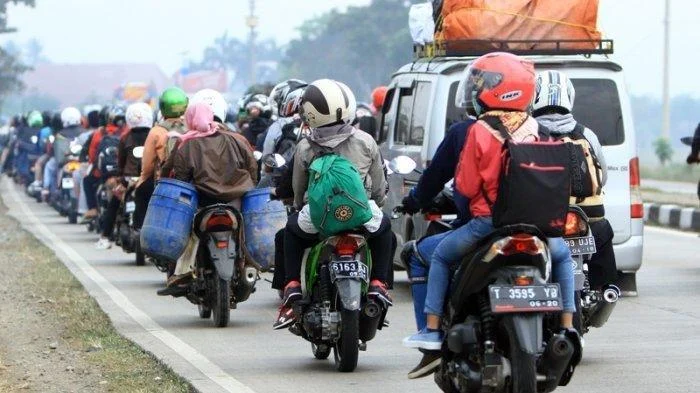
The Indonesian government has announced that the tradition of mudik, or returning to one’s hometown for Eid al-Fitr, will be permitted in 2021, a significant departure from the strict prohibitions imposed in the previous year due to the COVID-19 pandemic. This decision, confirmed by Minister of Transportation Budi Karya Sumadi during a working meeting with Commission V of the House of Representatives on March 16, 2021, marks a nuanced approach to balancing public health with cultural and economic considerations. However, officials emphasized that this is not an encouragement to travel but rather a framework for managing movement should citizens choose to undertake the journey.
The Ministry of Transportation (Kemenhub) intends to collaborate closely with the COVID-19 Task Force to establish comprehensive protocols designed to prevent the resurgence of the virus, particularly in rural areas which may have less robust healthcare infrastructure. This collaborative effort aims to ensure that the homecoming period, a deeply ingrained cultural practice in Indonesia, does not become a catalyst for widespread infection. As indicated by a statement from Minister Sumadi’s Instagram account, the government is engaging in consultations with various stakeholders to devise a safe and conducive homecoming season. Key among these measures will be the stringent enforcement of travel requirements and enhanced contact tracing mechanisms.
Historical Context of Mudik and Pandemic Impact
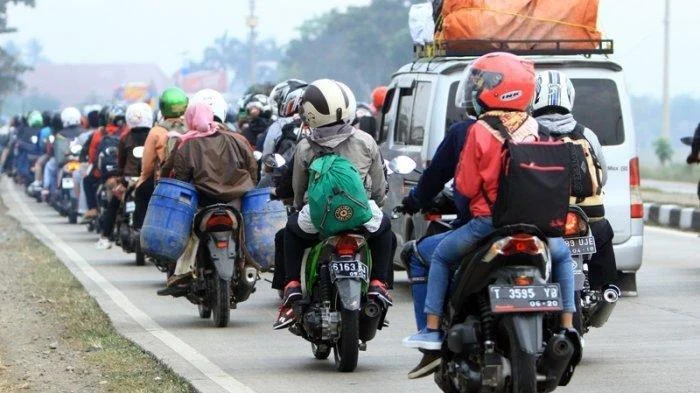
The annual mudik tradition, a mass exodus of millions of Indonesians from urban centers to their ancestral villages for Eid al-Fitr celebrations, is a significant socio-economic and cultural phenomenon. In 2020, the sheer scale of this movement, coupled with the escalating COVID-19 pandemic, posed an existential threat to public health. The government’s decision to ban mudik in 2020 was a drastic but necessary measure to curb the spread of the virus, which had already begun to overwhelm healthcare systems. This ban, while effective in limiting inter-provincial transmission during that specific period, also had a profound impact on the livelihoods of many, particularly those in the transportation sector and small businesses reliant on the increased economic activity generated by returning migrants.
The history of government intervention in mudik is not entirely unprecedented. While not directly related to a pandemic, historical records indicate that mudik was also prohibited in 1946, a period of significant national upheaval following Indonesia’s declaration of independence. This historical precedent underscores the government’s understanding of the potential challenges associated with large-scale population movements during critical times.
The decision to permit mudik in 2021, after a year of strict restrictions, reflects a recalibration of the government’s strategy. It acknowledges the immense pressure on the public to reunite with families and the economic impetus to allow some level of mobility. However, this policy shift is being approached with considerable caution, recognizing that the pandemic, though potentially managed through vaccination efforts, remains a significant public health threat.
New Regulations and Travel Requirements for Mudik 2021
Minister of Transportation Budi Karya Sumadi outlined several key conditions and stipulations for those intending to participate in the 2021 mudik. These measures are designed to create multiple layers of protection against the transmission of the virus.
First, and paramount, is the stringent enforcement of health protocols throughout the entire journey. This includes adherence to strict guidelines at departure points, during travel, and upon arrival at the destination. These protocols encompass mandatory mask-wearing, maintaining physical distancing, regular disinfection of public transportation facilities and vehicles, limiting passenger capacity, and carefully managing service schedules to avoid overcrowding. The Ministry emphasized the importance of public awareness and compliance with these measures for the collective well-being.
Second, the government plans to implement rigorous tracing measures to anticipate and manage potential surges in passenger numbers. This proactive approach aims to quickly identify and isolate any individuals who may have contracted the virus, thereby preventing further spread.
Third, the validity period for health screening tools, such as rapid antigen tests, will be shortened. This is a strategic adjustment to ensure that travelers present the most up-to-date health status, minimizing the risk of asymptomatic individuals unknowingly carrying and spreading the virus.
The specific mechanisms for managing the 2021 mudik are still under development by the Ministry of Transportation in collaboration with other relevant agencies. This ongoing refinement of protocols indicates a commitment to adapting to evolving public health data and operational challenges.
Expert Concerns and Public Health Analysis
Despite the government’s efforts to facilitate a controlled homecoming, the decision has been met with cautious skepticism from public health experts. Epidemiologists, in particular, have raised concerns about the potential for increased transmission, even with the implemented measures.
Dr. Riris Andono Ahmad, an epidemiologist from Universitas Gadjah Mada (UGM), suggested that the government’s decision might be influenced by an assumption that the vaccination coverage would be sufficiently advanced to manage the situation. However, he cautioned that vaccination alone is not a panacea. The critical factor, according to Dr. Ahmad, lies in the consistent adherence to health protocols by travelers. If individuals disregard these guidelines, the risk of COVID-19 transmission remains high, irrespective of vaccination status.
The choice of transportation mode is also identified as a crucial element in risk mitigation. The government’s plan to equip major transportation hubs such as terminals, train stations, and airports with COVID-19 screening tools, including the GeNose breathalyzer, is seen as a positive step. Public transportation, under more controlled conditions, is generally considered safer than private vehicles in terms of monitoring and intervention capabilities.
A significant area of concern highlighted by Dr. Ahmad is travel via private vehicles. Without the same level of oversight as public transport, private car journeys could become a primary vector for virus transmission, potentially seeding outbreaks in previously less affected rural areas. Therefore, a strong recommendation has been made for individuals to utilize public transportation for their mudik journeys, as it allows for easier governmental monitoring and intervention in case of unforeseen circumstances.
The prevailing scientific consensus emphasizes that even individuals who have been vaccinated are not entirely immune to transmission in public spaces. Therefore, the continued and disciplined adherence to health protocols remains imperative, regardless of vaccination status. Dr. Ahmad expressed a personal hope that, at a macro level, a postponement of the large-scale mudik would have been preferable. He anticipates that the pandemic will likely persist through Eid al-Fitr 2021, and with vaccination coverage still not reaching optimal levels, the risk of COVID-19 transmission remains a tangible threat.
Broader Implications and Future Considerations
The government’s decision to allow mudik in 2021 carries significant implications beyond immediate public health concerns. Economically, it offers a much-needed stimulus to regional economies that often rely on the influx of cash from returning migrants. The transportation sector, which suffered immensely in 2020, will see a partial recovery. Culturally, it allows families to reconnect and maintain traditions that are vital to the fabric of Indonesian society.
However, the success of this policy hinges on a delicate balance. The government must effectively communicate the risks and enforce the regulations without stifling the intended spirit of the homecoming. This requires a robust public awareness campaign, clear and accessible information regarding travel requirements, and a visible presence of enforcement agencies at key transit points.
The experience of 2021 mudik will undoubtedly inform future government policies regarding large-scale movements during public health crises. Lessons learned from the implementation of protocols, the effectiveness of screening methods, and the public’s response will be invaluable.
Furthermore, the decision underscores the ongoing challenge of managing a pandemic in a vast and diverse archipelago like Indonesia. The disparity in healthcare resources and infrastructure across different regions necessitates tailored approaches. The focus on preventing outbreaks in rural areas highlights the vulnerability of these communities and the need for targeted interventions.
The long-term impact of the pandemic on the mudik tradition itself remains to be seen. It is possible that the experiences of the past two years will lead to a permanent shift in how Indonesians approach homecoming, with a greater emphasis on virtual connections or more cautious travel plans even after the pandemic subsides.
As the nation approaches Eid al-Fitr 1442 H, the 2021 mudik represents a critical juncture. It is a test of the government’s ability to manage public health risks while respecting cultural imperatives, and a testament to the resilience and adaptability of the Indonesian people in navigating unprecedented challenges. The coming weeks will be a crucial period for monitoring the impact of this decision on the trajectory of the pandemic in Indonesia.