Nila Kartika Wati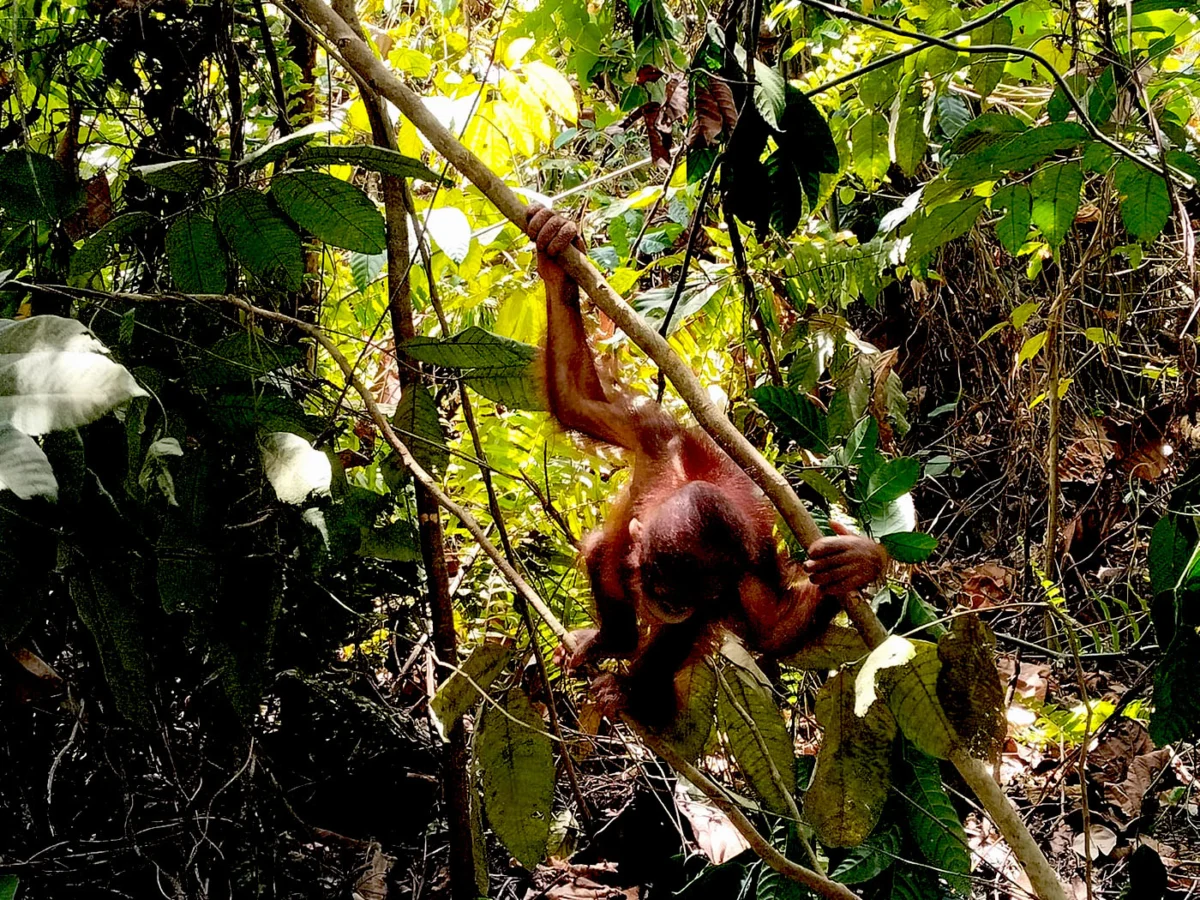
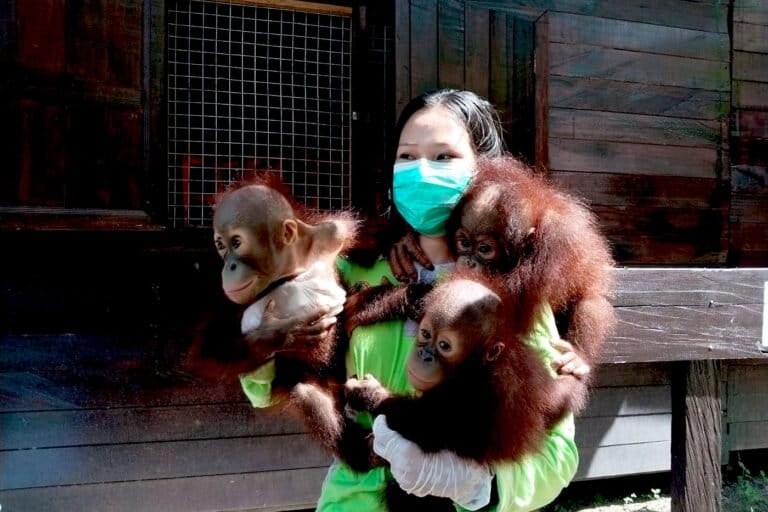
Deep within the verdant landscape of Desa Merasa, located in the Berau Regency of East Kalimantan, a 20-year-old woman named Dela Mawar stands as a final line of defense for a species teetering on the edge of extinction. As a dedicated animal keeper at the Long Sam Animal Rescue Center (PPS), Mawar’s daily life is defined by a profound commitment to the rehabilitation of Bornean orangutans (Pongo pygmaeus), specifically those who have been orphaned or displaced by the relentless march of industrial expansion. Her role transcends the typical duties of a caregiver; she is a surrogate mother, a teacher, and a guardian of hope for primates that have lost everything to human-wildlife conflict and habitat destruction.
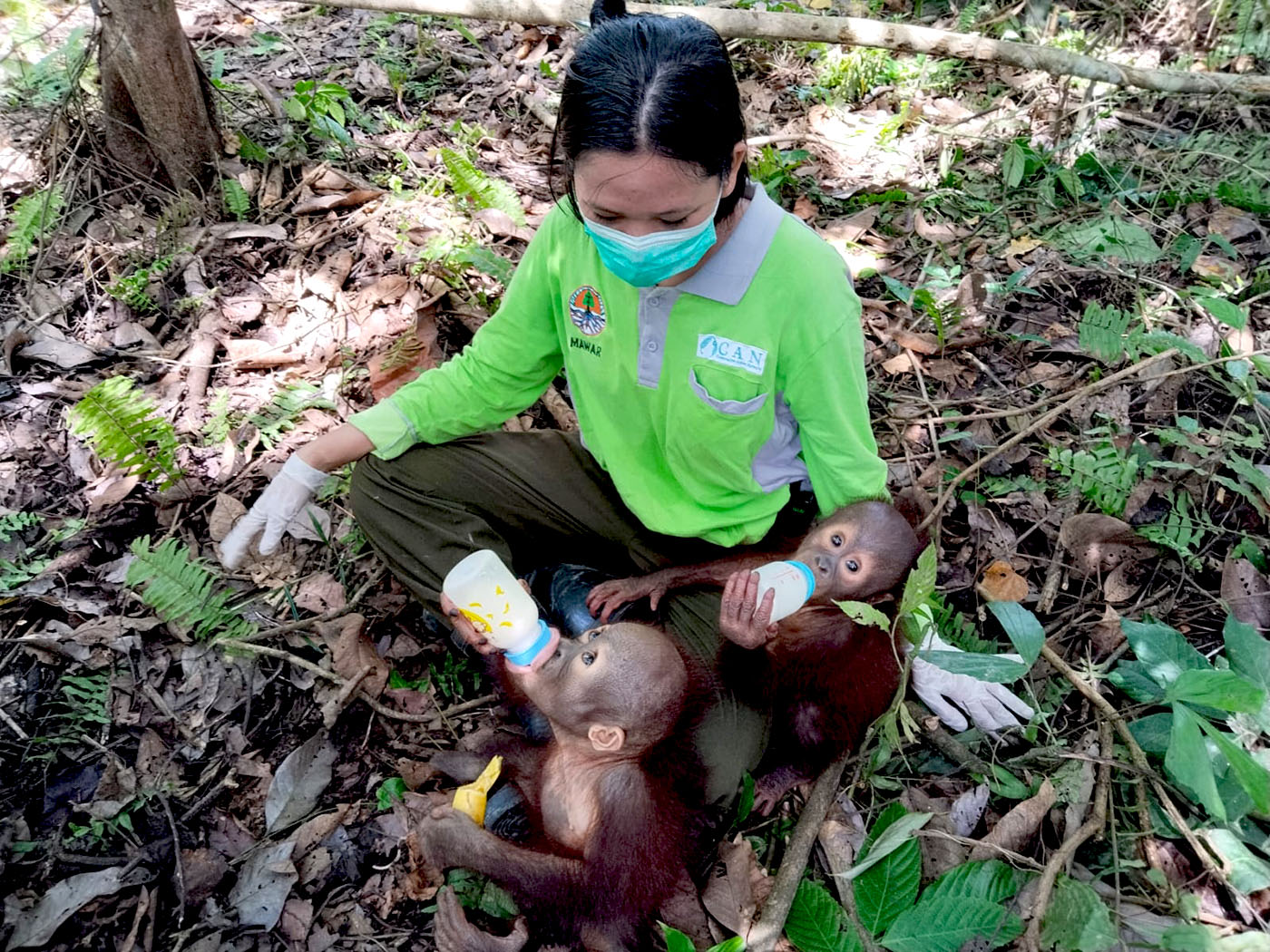
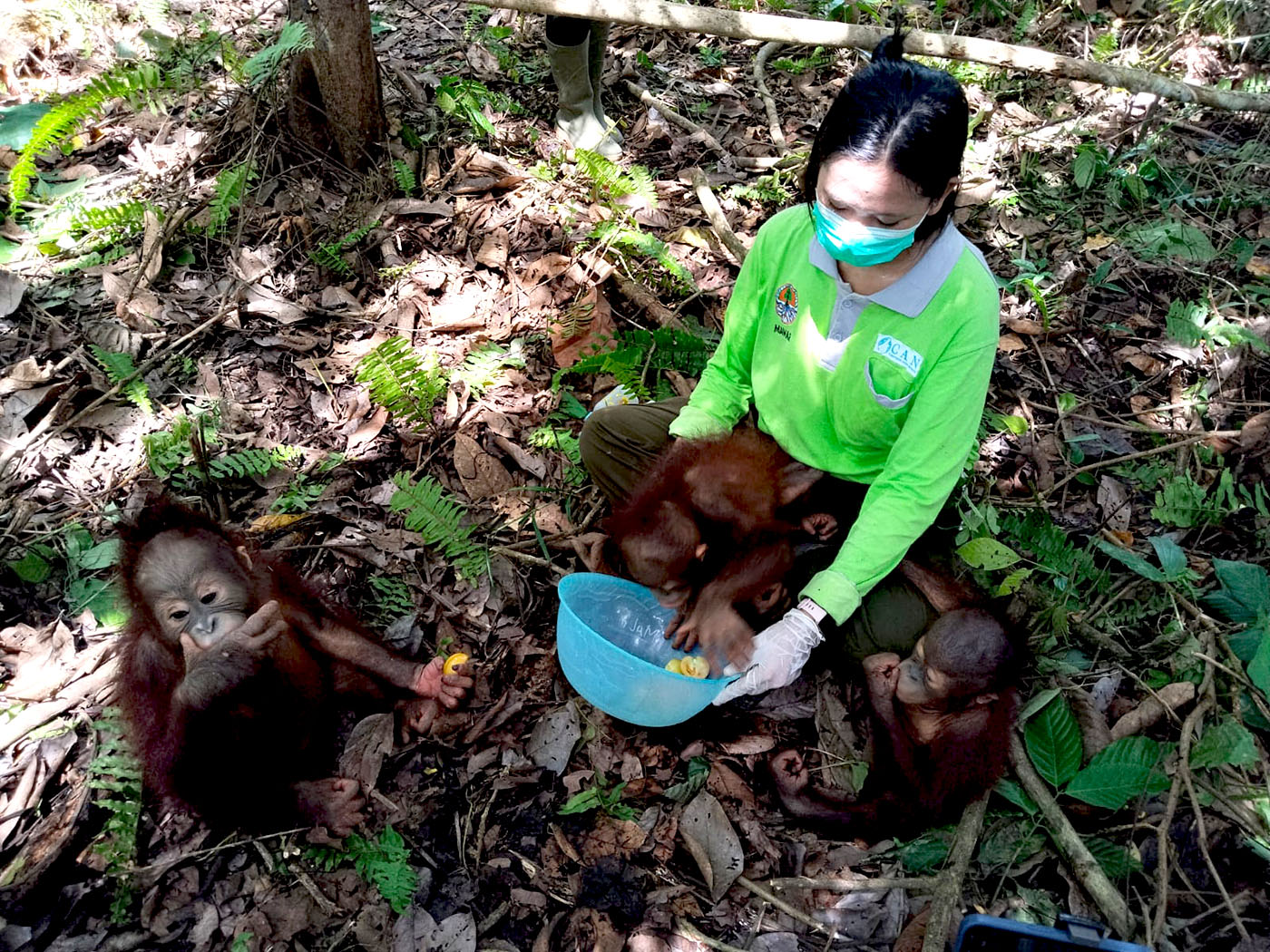
The facility at Long Sam currently serves as a sanctuary for several young orangutans, including Lukas, Hannes, Jack, and the most recent arrival, Panji. These infants represent the tragic collateral damage of Borneo’s changing landscape. For Mawar, the work begins long before the sun reaches its zenith. Her routine is a meticulous blend of husbandry and education. After tending to the facility’s gibbons, she shifts her focus to the orangutan nursery. Here, she prepares nutritious meals and begins the essential task of transporting the infants to "forest school"—a controlled environment within the surrounding jungle where these captive-born or rescued primates are taught the survival skills their biological mothers would have provided over a period of seven to eight years.
The Cultural Foundations of Conservation
Mawar’s dedication is rooted in her heritage as a member of the indigenous Dayak community. For the Dayak people, the rainforest is not merely a collection of resources but a sacred ancestral home. "I am originally Dayak," Mawar explains, emphasizing that her career in conservation was a natural extension of her cultural identity. "If you ask about the forest, it is our home. Choosing the path of conservation as a profession is, for me, the right choice. Together with the forest and everything in it, we do not know weariness."
This indigenous perspective is critical in a region where traditional ecological knowledge is increasingly being recognized as a vital component of modern conservation strategies. Mawar grew up observing the delicate balance of the ecosystem, but she also witnessed the accelerating degradation of the environment. The sight of orangutans losing their habitats to large-scale deforestation and illegal hunting served as a catalyst for her involvement.
She recalls her first encounter with Lukas, one of her charges, with vivid clarity. The infant arrived with pale skin, listless eyes, and a fragile frame. The emotional weight of the encounter was immediate. "My tears fell when I saw him," Mawar says. "Lukas thought I was his mother. As if complaining, he would nurse while making faint sounds and fall asleep in my arms." This bond, while emotionally taxing, is the foundation upon which the rehabilitation process is built.
The Rehabilitation Chronology and Forest School
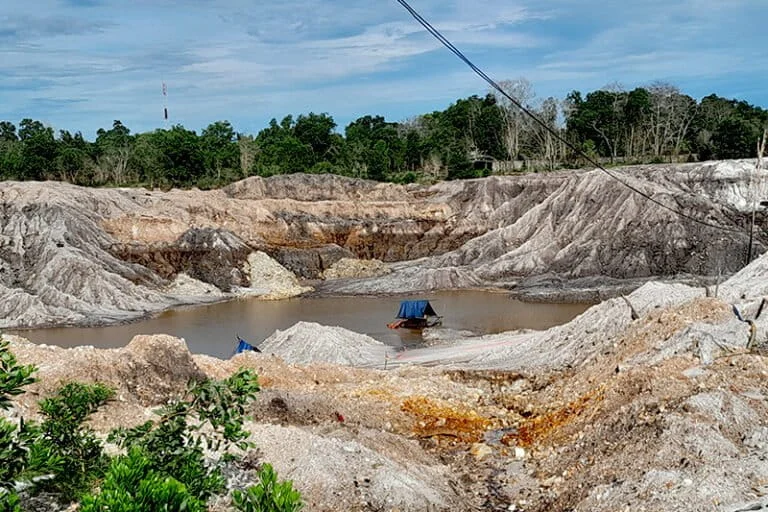
The process of returning an orangutan to the wild is a multi-year journey fraught with challenges. Most of the individuals brought to PPS Long Sam arrive as victims of trauma. They are often found in oil palm plantations, near mining sites, or in the hands of illegal pet traders. Having lost their mothers at a crucial developmental stage, they lack the instinctive knowledge required to survive in the canopy.
The "Forest School" curriculum is designed to bridge this gap. Mawar acts as an instructor, demonstrating how to identify edible fruits, how to navigate the complex architecture of the branches, and how to build nests for sleeping. The goal is to gradually reduce the orangutans’ dependence on humans while fostering their natural wild instincts.
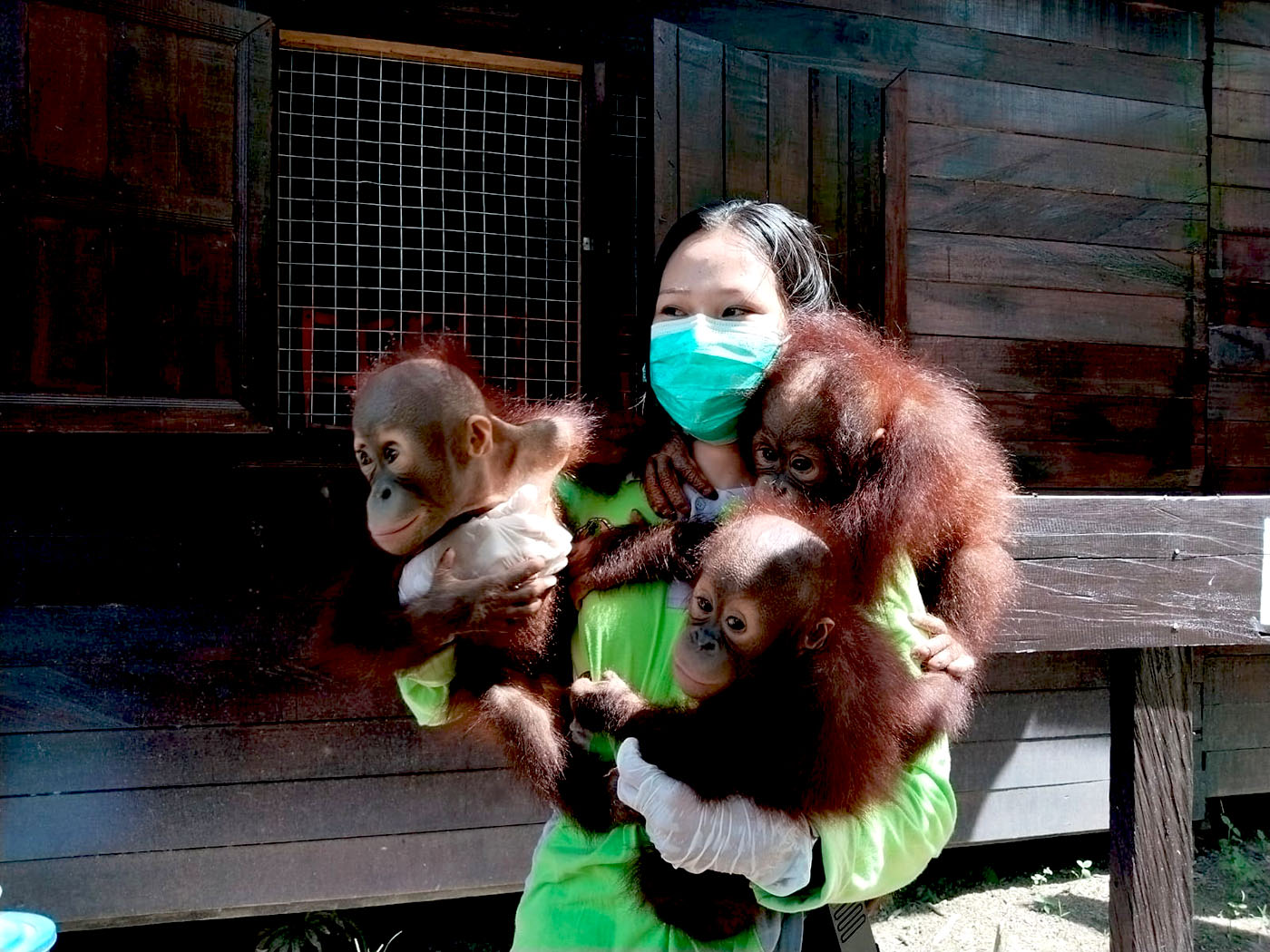
"Like human babies, they are also afraid to see people other than their caregivers," Mawar notes. "They often cry and fight over food. Every day, there are always funny antics, and that makes us, the nurses, never bored of taking care of them." However, the playfulness masks a serious objective: ensuring that Lukas, Hannes, Jack, and Panji develop the physical strength and mental acuity to fend for themselves in a competitive and often dangerous primary forest environment.
The Environmental Context: A Species Under Siege
The work performed at PPS Long Sam is a localized response to a global crisis. The Bornean orangutan is classified as Critically Endangered by the International Union for Conservation of Nature (IUCN). Data from various environmental monitoring agencies indicates that Borneo has lost more than 30% of its rainforest cover over the last few decades, primarily due to the expansion of industrial plantations, logging, and infrastructure projects.
In East Kalimantan, the situation is particularly acute. As the province prepares for massive demographic shifts associated with the development of Indonesia’s new capital, Nusantara, the pressure on remaining wildlife corridors is expected to intensify. According to conservationists, the fragmentation of habitat leads to increased human-wildlife conflict. Orangutans, forced out of their shrinking territories, often wander into agricultural areas in search of food, where they are frequently viewed as pests or targets for the illegal wildlife trade.
Supporting data suggests that for every orphaned orangutan rescued, several adults may have been killed. Because female orangutans are fiercely protective of their young, poachers often kill the mother to capture the infant. This loss of breeding-age females has a devastating impact on the population’s ability to recover, making the survival of every individual at PPS Long Sam vital for the genetic diversity of the species.
Official Responses and Institutional Challenges
The efforts of grassroots workers like Mawar are supported by the Natural Resources Conservation Agency (BKSDA) of East Kalimantan. M. Ari Wibawanto, the Head of BKSDA East Kalimantan, has publicly lauded the role of conservation workers who operate on the front lines. These teams often work in remote areas with limited communication, navigating high-risk evacuations and managing the complex psychological needs of traumatized animals.
"Their dedication is extraordinary," Wibawanto stated during a recent assessment of conservation efforts in the Berau region. "It takes patience, persistence, and a long-term commitment to be able to return an orangutan to the wild." He emphasized that rehabilitation is not a quick fix but a rigorous scientific process. Veterinarians, field technicians, and keepers must ensure that each animal meets strict health and behavioral criteria before release is even considered.
The BKSDA acknowledges that the success of these programs depends on a collective effort. It involves not only the physical care of the animals but also the legal enforcement of protection laws and the engagement of local communities. Without the cooperation of villagers in places like Desa Merasa, the long-term safety of released orangutans cannot be guaranteed.
Broader Implications and the Role of the "Forest Gardener"
The significance of Mawar’s work extends beyond the survival of four individual orangutans. In ecological terms, orangutans are known as "gardeners of the forest." They play a pivotal role in seed dispersal, consuming a wide variety of fruits and depositing the seeds across vast distances. This process is essential for the regeneration of the rainforest and the maintenance of its biodiversity.
By rehabilitating and releasing these primates, PPS Long Sam is effectively helping to restore the natural mechanisms that keep the Bornean rainforest healthy. A healthy forest, in turn, provides essential ecosystem services, including carbon sequestration—a critical factor in the global fight against climate change—and the regulation of water cycles that support local agriculture.
Mawar is acutely aware of this interconnectedness. "Local wisdom is the key to maintaining the forest amidst the pressure of development," she asserts. "If the forest is lost, we will also lose many things. Not just animals, but also life itself." Her perspective reflects a growing consensus among environmentalists that indigenous-led conservation is often more effective and sustainable than top-down approaches.
A Vision for a Wild Future
As the sun sets over the Berau Regency, the challenges facing Dela Mawar and her colleagues remain immense. The lack of reliable communication signals, the physical toll of trekking through dense jungle, and the emotional weight of caring for vulnerable creatures are part of her daily reality. Yet, the motivation remains unchanged: the eventual "graduation" of her charges.
Mawar’s ultimate goal is the day she no longer has to carry Lukas or Panji to school. She envisions a future where they are no longer dependent on human intervention but are instead thriving in the deep interior of the Kalimantan wilderness. "I will only be at peace after ensuring these baby orangutans grow up and return to the wild," she says.
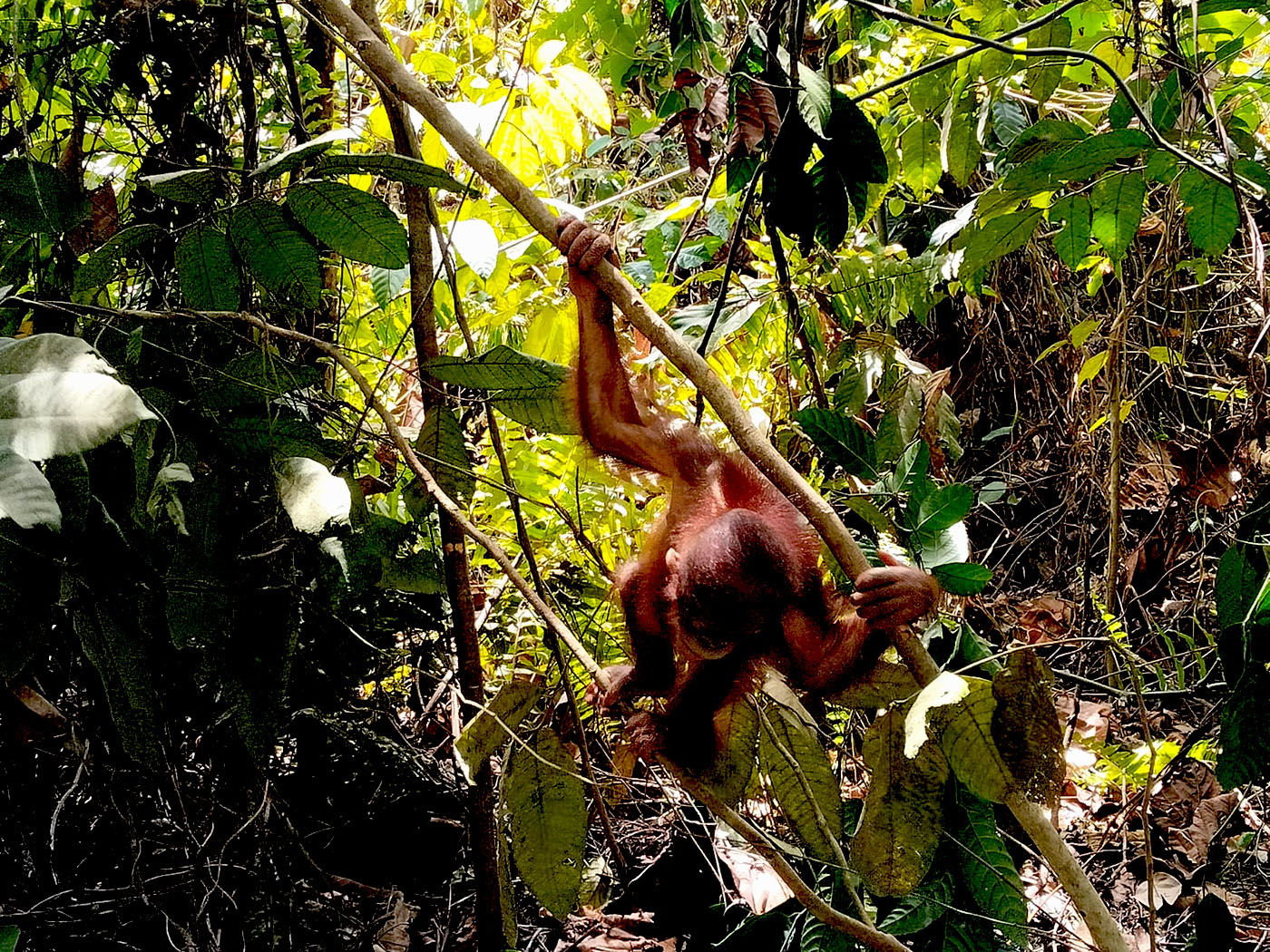
The story of PPS Long Sam is a microcosm of the broader struggle for Borneo’s soul. It is a narrative defined by the tension between economic development and ecological preservation. However, through the eyes of Dela Mawar, it is also a story of resilience. By blending her Dayak heritage with modern conservation practices, she is proving that while the threats to the orangutan are man-made, the solutions are also within human reach. The path forward requires more than just funding and policy; it requires the kind of unwavering dedication found in the quiet, daily routines of a young woman in Berau, ensuring that the "people of the forest" have a home to return to.