Bambang Pamungkas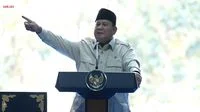
Jakarta, CNBC Indonesia – President Prabowo Subianto has expressed profound confidence in Indonesia’s imminent rise as a powerful nation, asserting that clear signs of this resurgence are already manifest. Speaking in East Java on Monday, May 18, 2026, President Subianto underscored the nation’s vast natural wealth and the imperative to secure it for the maximum prosperity of its citizens. "Our country is rich, and we must safeguard this wealth for the greatest prosperity of the people. I am determined, I believe, and I am convinced that in the not-too-distant future, we will rise," Prabowo declared, articulating a vision of a self-reliant and influential Indonesia on the global stage.
The President’s optimistic outlook is rooted in tangible progress, particularly in the realm of food security. He highlighted Indonesia’s growing capability to maintain a robust food supply chain, from the production of crucial fertilizers to the availability of final agricultural products. This domestic strength, he noted, has taken on heightened significance amidst escalating geopolitical tensions that have severely disrupted global supply networks.
Geopolitical Shocks and Indonesia’s Strategic Position
The timing of President Prabowo’s statement is particularly salient, coming as the international community grapples with the fallout from the ongoing conflict between Iran, the United States, and Israel. This regional instability has had far-reaching consequences, notably impacting the Strait of Hormuz, a critical choke point for global energy and commodity shipments. The Strait, through which approximately 20% of the world’s petroleum supply passes, is also a vital conduit for the raw materials and finished products essential for fertilizer production, much of which relies on oil and gas derivatives.
"Now it has been proven that many countries are facing difficulties, panicking because of the war in the Middle East, with the Strait of Hormuz being disrupted. Twenty percent of the world’s fuel passes through the Strait of Hormuz, which means fertilizers are affected because many fertilizers originate from oil and gas," Prabowo elaborated. This disruption, he pointed out, has exposed the vulnerabilities inherent in complex global supply chains, prompting numerous nations to seek alternative sources for critical agricultural inputs.
Indonesia, with its burgeoning domestic production capacity, has emerged as a crucial alternative. President Prabowo revealed that his administration has received reports from the Minister of Agriculture indicating a significant increase in requests for fertilizer from various countries. "Fertilizer from urea, now I have received reports from the Minister of Agriculture that many countries are asking for fertilizer from Indonesia. We are not euphoric, we are not arrogant, but we are in a position to provide assistance," he affirmed, emphasizing a posture of responsible global citizenship rather than triumphalism.
Indonesia’s Agricultural Resilience and Export Capacity
The ability of Indonesia to pivot from a net importer to a potential supplier of essential agricultural commodities marks a significant milestone in its national development strategy. For decades, Indonesia, like many developing nations, faced chronic challenges in achieving food self-sufficiency, particularly for staples like rice and critical inputs such as fertilizer. However, sustained government investments, policy reforms, and agricultural modernization efforts have begun to bear fruit.
Indonesia is a major producer of urea fertilizer, with state-owned enterprises such as PT Pupuk Indonesia playing a pivotal role. The country’s production capacity for urea has been steadily increasing, driven by domestic demand from its vast agricultural sector and the strategic foresight to mitigate reliance on volatile international markets. This capacity has been further bolstered by investments in natural gas infrastructure, as gas is a primary feedstock for urea production. The current global market disruptions have underscored the wisdom of these long-term investments.
President Prabowo specifically cited Australia as one of the nations requesting assistance, with Indonesia agreeing to export 500,000 tons of urea to the continent. This significant export deal highlights the severity of the supply chain issues faced by even developed agricultural economies and Indonesia’s growing role in addressing them. Beyond Australia, other countries seeking Indonesian fertilizer include the Philippines, India, Bangladesh, and Brazil, underscoring the broad geographical impact of the current global agricultural market turmoil.
The President’s directive to "help all" these nations reflects Indonesia’s commitment to regional stability and humanitarian assistance, even as it leverages its newfound strength. This approach is consistent with Indonesia’s long-standing foreign policy principle of being an active contributor to global peace and prosperity.
The Rice Revolution: From Scarcity to Surplus
Beyond fertilizers, Indonesia’s progress in achieving rice self-sufficiency has also been a cornerstone of its food security strategy. Historically, Indonesia, as the world’s third-largest rice consumer, frequently faced challenges in meeting domestic demand, leading to imports and price volatility. However, through initiatives like intensified farming, expansion of agricultural land, improved irrigation systems, and the development of high-yielding rice varieties, the country has made significant strides.
"Also, many countries want to buy rice from us. Imagine if we were not self-sufficient, if we did not quickly resolve agricultural problems," Prabowo stressed, highlighting the critical importance of these efforts. The ability to export rice, rather than rely on imports, transforms Indonesia’s economic resilience and provides a crucial buffer against global food crises. This transformation is not merely economic but also deeply symbolic, representing a nation taking greater control of its destiny.
Broader Implications for Indonesia’s "Golden Era"
President Prabowo’s declaration of Indonesia’s imminent rise resonates deeply with the nation’s "Golden Indonesia 2045" vision, which aims for the country to become a fully developed, high-income nation by its centenary of independence. This vision hinges on robust economic growth, human resource development, and strategic resource management. Food security and energy independence are foundational pillars of this ambitious goal.
The current global landscape, marked by geopolitical fragmentation and supply chain vulnerabilities, inadvertently provides an opportunity for nations like Indonesia that have invested in self-reliance. By demonstrating its capacity to not only feed its own population but also to assist others, Indonesia enhances its diplomatic leverage and strengthens its position in regional and international forums. This shift from a recipient of aid to a provider of essential resources marks a maturation of Indonesia’s global role.
Economic analysts suggest that this newfound agricultural strength could have several positive implications. Domestically, stable food prices contribute to economic stability, reduce inflation, and improve the welfare of vulnerable populations. For farmers, increased demand for Indonesian agricultural products, both domestically and internationally, could translate into better incomes and stimulate further investment in the sector. On the international front, agricultural exports contribute to Indonesia’s foreign exchange reserves, bolstering its economic stability and reducing external vulnerabilities.
Moreover, Indonesia’s ability to supply critical commodities during times of crisis could foster deeper bilateral relationships with requesting nations. For instance, the urea export to Australia could strengthen agricultural cooperation and trade ties between the two countries. Similarly, assistance to ASEAN neighbors like the Philippines could reinforce regional solidarity and Indonesia’s leadership within the bloc.
Challenges and the Road Ahead
While the current outlook is optimistic, the path to sustained national resurgence is not without its challenges. Indonesia’s agricultural sector faces long-term issues such as climate change impacts, land conversion pressures, water management complexities, and the need for continuous technological innovation. Ensuring the sustainability of increased fertilizer and food production, particularly in terms of environmental impact and resource depletion, will be crucial.
Furthermore, maintaining efficient distribution networks and preventing price speculation within the domestic market remains a constant challenge. The government will need to continue investing in infrastructure, research and development, and farmer education to ensure that agricultural productivity gains are sustained and equitable.
The volatility of global commodity markets and geopolitical dynamics also presents ongoing risks. While Indonesia is currently benefiting from its self-sufficiency, global market shifts could alter demand and pricing dynamics. Therefore, a flexible and adaptive agricultural policy framework will be essential to navigate future uncertainties.
A New Chapter in National Development
President Prabowo Subianto’s confident assertion signals a new chapter for Indonesia. His emphasis on securing national wealth for the people, coupled with the tangible progress in food security, paints a picture of a nation steadily building its foundational strengths. The ongoing global crises, while challenging, have paradoxically highlighted Indonesia’s strategic foresight and burgeoning capacity to not only protect its own interests but also to contribute meaningfully to global stability. As Indonesia moves closer to its "Golden 2045" aspirations, its journey from a developing nation grappling with internal challenges to a confident global player providing essential resources will undoubtedly be closely watched by the international community. The coming years will reveal the full extent of this declared resurgence and Indonesia’s lasting impact on the global stage.