Nila Kartika Wati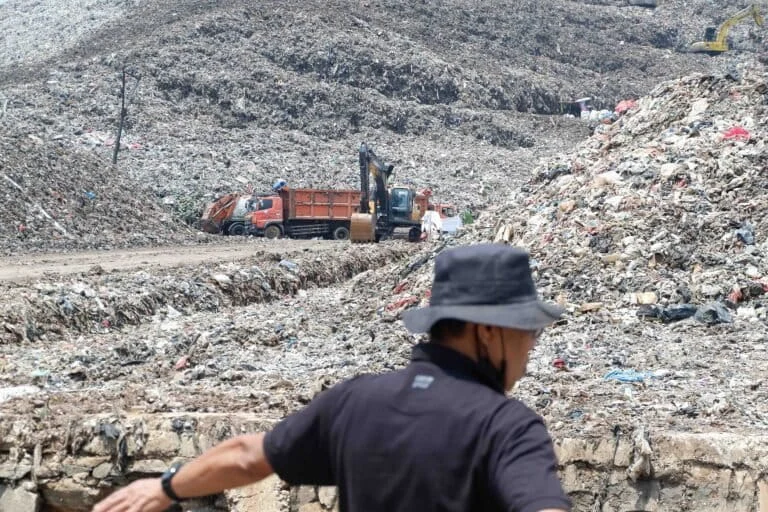
The precarious state of Indonesia’s waste management infrastructure has reached a critical tipping point, as evidenced by a series of escalating public health concerns in North Jakarta and structural failures at the nation’s largest landfill in Bekasi. The current crisis, characterized by reports of respiratory illnesses among residents near waste processing facilities and the literal collapse of garbage mounds at the Bantargebang Integrated Waste Treatment Site (TPST), highlights a systemic failure in the country’s "collect-transport-dispose" model. For decades, urban centers like Jakarta have relied on moving waste from one location to another without implementing aggressive reduction strategies at the source, a strategy that experts now warn is no longer sustainable or safe for the surrounding populations.
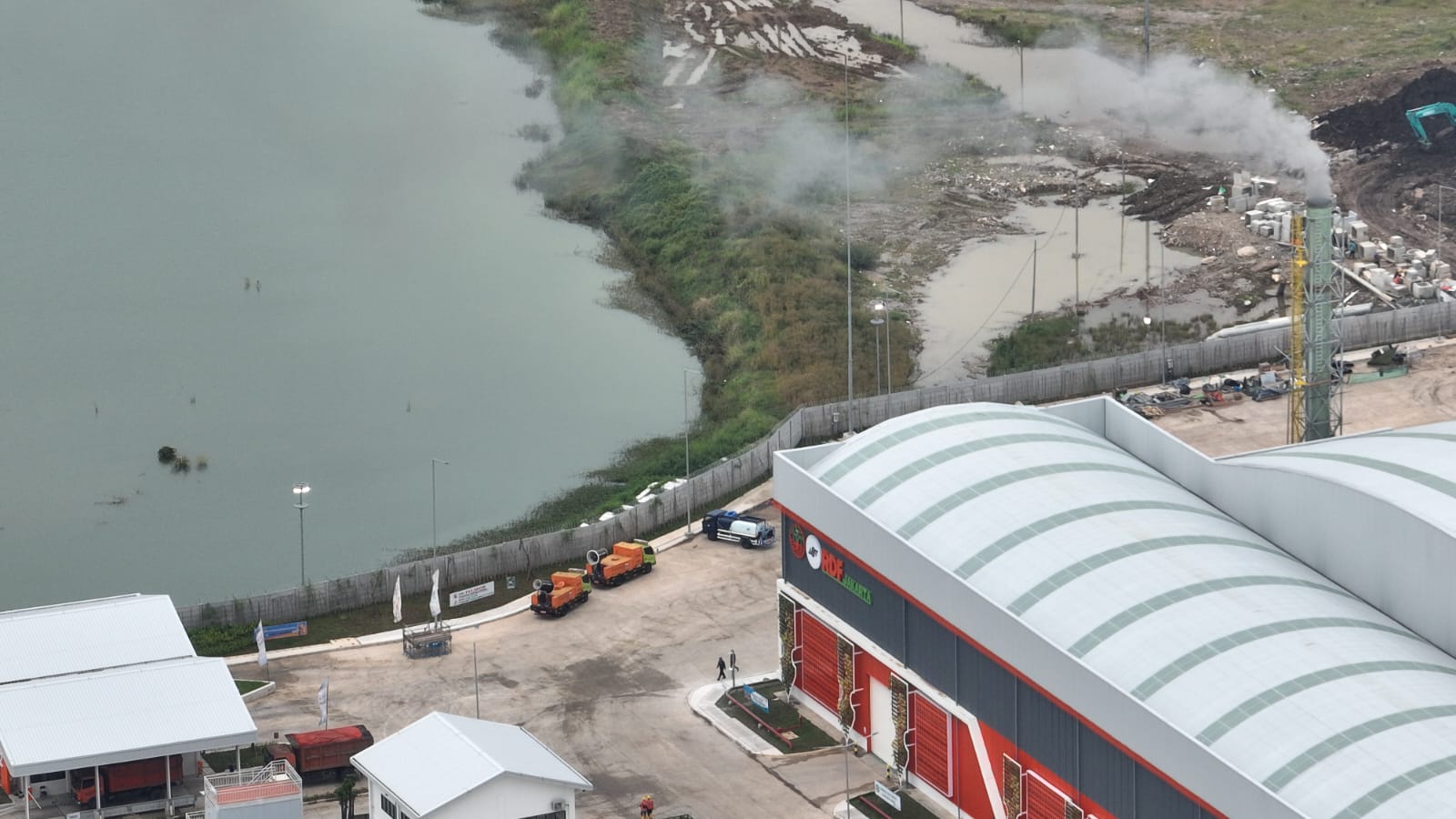
In the Rorotan area of North Jakarta, the local community has become the epicenter of a growing debate over the safety of Refuse Derived Fuel (RDF) technology. RDF, which involves processing municipal solid waste into a combustible fuel source for industrial use, was initially pitched as a modern solution to divert waste from landfills. However, an investigation presented during the AJI Jakarta 2026 Media Festival at Taman Ismail Marzuki reveals a darker reality for those living in the shadow of these facilities. Annisa Putri, an investigative journalist with Deduktif, reported that the operation of the Rorotan RDF plant has coincided with a surge in health complaints. Residents first reported a persistent, pungent odor that eventually escalated into clinical symptoms, including Acute Respiratory Infections (ISPA) and severe eye irritation.
The investigation identified at least 30 residents who have sought medical attention for these conditions, though Putri emphasized that this number likely represents only a fraction of the actual affected population. The difficulty in obtaining official health data from local authorities has hindered a full assessment of the impact, leading to calls for greater transparency in how waste-to-energy projects are monitored and regulated. The Rorotan case serves as a cautionary tale of how technological interventions, when implemented without rigorous environmental safeguards or community consultation, can transform a waste problem into a public health emergency.
The Collapse of the Downstream Model: The Bantargebang Crisis
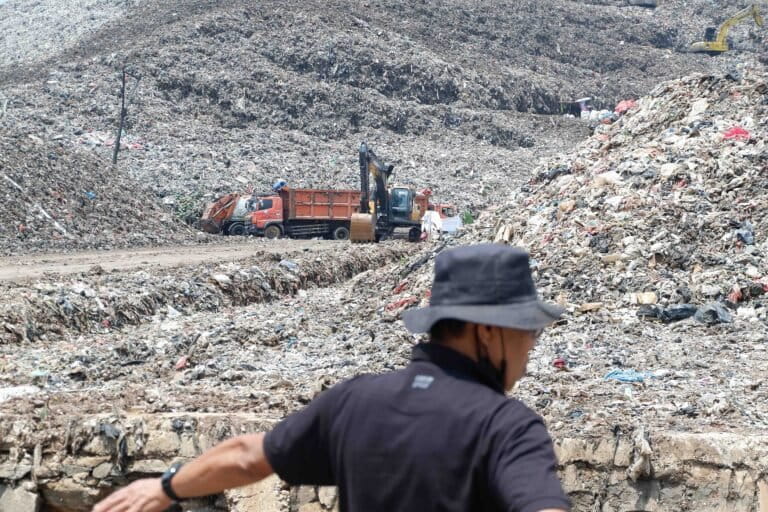
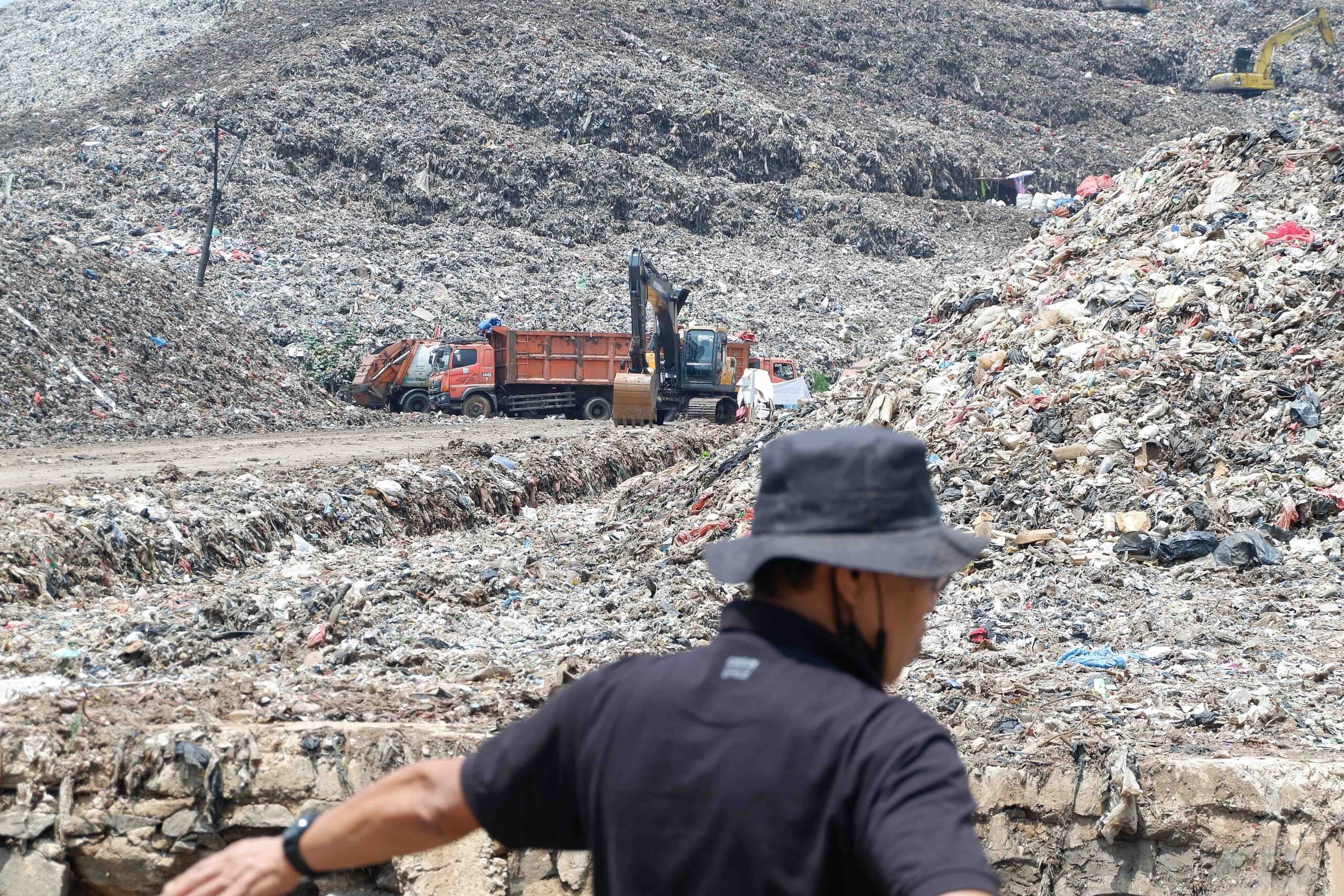
While Rorotan struggles with the byproduct of new technology, the Bantargebang TPST in Bekasi—the primary destination for Jakarta’s waste—is facing a structural and existential end. Recently, the facility made headlines not for its processing capacity, but for a massive landslide of waste that underscored the physical limits of the site. Jakarta produces between 7,500 and 8,000 tons of waste daily, the vast majority of which is trucked to Bantargebang. Yogi Ikhwan, Head of the Public Relations Section of the Jakarta Environmental Service (DLH), has been candid about the facility’s dire condition, describing the landfill as "overloaded" and "dying."
The government has set a hard deadline for the facility: as of August 1, 2026, Bantargebang will officially cease to accept any waste that has not been processed into residue. This policy shift is intended to force a transition toward upstream management, but the infrastructure to support such a transition remains underdeveloped. The reliance on Bantargebang has created a bottleneck where any disruption—be it a landslide or a strike—paralyzes the capital’s sanitation system. The "sekarat" (dying) status of the landfill is a physical manifestation of a policy that has prioritized disposal over reduction for over thirty years.
The Paradox of Waste-to-Energy and RDF Technology
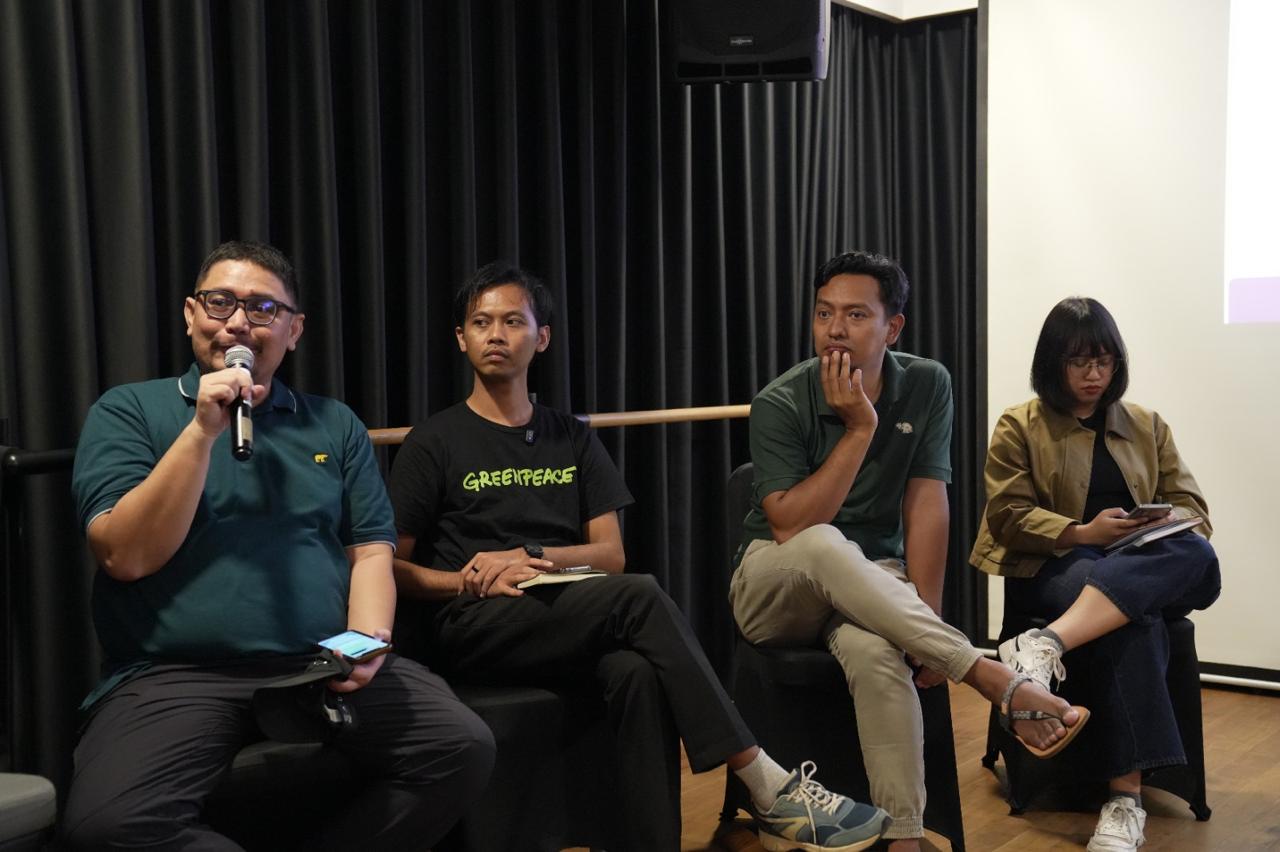
In response to the landfill crisis, the Indonesian government has increasingly turned to "downstream" technological solutions like RDF and Waste-to-Energy (WtE) incinerators. While these technologies are framed as "green" alternatives, environmental advocates argue they create a dangerous "lock-in" effect. Ibar Akbar, a campaigner for Zero Waste Greenpeace Indonesia, notes that these systems require a steady, high-volume supply of waste to remain economically and operationally viable. This creates a fundamental contradiction: while the city aims to reduce waste at the source, it is simultaneously building multi-billion rupiah facilities that need waste as fuel to function.
Furthermore, the financial allocation for waste management remains heavily skewed. Approximately 70% of municipal waste budgets are typically spent on the "downstream" side—collection, transportation, and tipping fees—leaving a meager 30% for "upstream" initiatives like community-based composting, recycling education, and the development of circular economies. Akbar warns that the focus on RDF and WtE risks diverting much-needed capital away from the only long-term solution: zero-waste systems that prevent waste from being generated in the first place. The emissions from such plants, including potential dioxins and heavy metals, also pose a long-term environmental risk that Indonesia is currently ill-equipped to monitor.
Legislative Frameworks and the Struggle for Implementation
Indonesia is not lacking in regulatory intent. The government has introduced several landmark policies designed to overhaul the system. Provincial Regulation (Pergub) No. 77 of 2020 in Jakarta, for instance, provides a legal foundation for waste management at the Rukun Warga (RW) level, encouraging residents to sort waste at the source. This regulation aims to optimize "bank sampah" (waste banks) and organic waste processing units, which, if successful, could handle up to 50% of the city’s waste load.
On a national level, Government Regulation (PP) No. 75 of 2019 provides a "Roadmap for Waste Reduction by Producers." This policy mandates that manufacturers take responsibility for the entire lifecycle of their products, a concept known as Extended Producer Responsibility (EPR). Under this law, producers are required to redesign packaging to be recyclable or reusable and to phase out single-use plastics. However, as Zulfikar, a founding member of the Indonesia Reuse Association, points out, the gap between regulation and enforcement remains vast. Without stringent oversight and penalties for non-compliance, many corporations continue to favor cheap, single-use plastic packaging that inevitably ends up in landfills or the ocean.
The Case for a Circular Economy and Reuse Systems
To move beyond the current impasse, experts are calling for a return to the waste hierarchy: reduce, reuse, and then—only as a last resort—recycle. Zulfikar argues that Indonesia has a cultural history of reuse, citing the widespread use of refillable water gallons and gas canisters. The challenge lies in scaling this model to include consumer goods like detergents, shampoos, and dry foods.
A successful transition to a circular economy would require standardized packaging that allows different brands to share the same cleaning and refilling infrastructure. This would not only reduce the volume of plastic waste but also lower production costs for companies in the long run. However, this shift requires a departure from the "disposable" mindset that has dominated the Indonesian consumer market for the last two decades. The government’s role must evolve from being a mere "garbage collector" to a "circular economy facilitator," providing the tax incentives and infrastructure necessary for reuse systems to thrive.
Analysis of Implications and Future Outlook
The convergence of health crises in Rorotan and the collapse of Bantargebang suggests that the era of "invisible waste" is over for Jakarta. Waste can no longer be simply moved to the periphery; it is now impacting the health of urban residents and the stability of the environment. If the current trajectory continues, the social and economic costs of treating ISPA, managing landfill disasters, and cleaning up plastic-clogged waterways will far exceed the investment needed for a zero-waste transition.
The year 2026 stands as a pivotal deadline. If the city cannot successfully implement source-sorting and reduce its reliance on landfills by the time Bantargebang stops accepting raw waste, Jakarta faces the prospect of a "waste emergency" where trash accumulates in the streets. The transition requires more than just technology; it requires a radical transparency in data, where the public can track how much waste is produced, where it goes, and what the environmental costs of its processing are.
Ultimately, the solution to Indonesia’s waste crisis lies not in bigger landfills or hotter furnaces, but in the systematic dismantling of the "take-make-dispose" economy. By empowering local communities through Pergub 77/2020 and holding global producers accountable through PP 75/2019, Indonesia has the legal tools to lead a regional shift toward sustainability. Whether it has the political will to enforce these laws before the next landfill collapse remains the defining question for the nation’s environmental future.