Nila Kartika Wati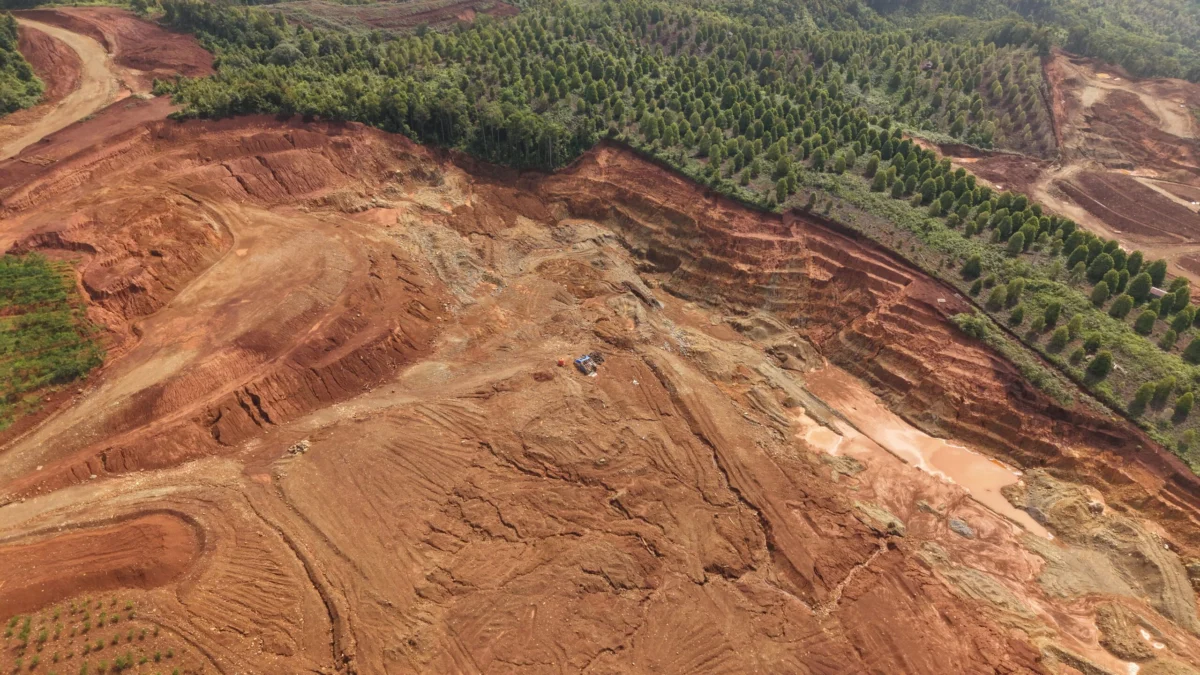
The recently signed Agreement of Reciprocal Trade (ART) between Indonesia and the United States has sparked intense scrutiny from academics, policy analysts, and civil rights advocates, many of whom describe the pact as a "strategic trap." While the Indonesian government initially framed the agreement as a necessary response to the aggressive tariff policies of the United States, critics argue that the document’s provisions extend far beyond simple trade reciprocity. Instead, they warn of a structural shift that could compromise Indonesia’s economic sovereignty, environmental standards, and the long-term viability of its national industries.
The controversy centers on the lopsided nature of the agreement, which was signed on February 19, 2025. Observers note that the deal appears to have been struck under duress, following threats of a 30% across-the-board tariff on Indonesian exports to the U.S. market. However, the cost of avoiding these tariffs may be a permanent alteration of Indonesia’s legal and economic landscape, effectively turning the nation from an emerging industrial power back into a primary supplier of raw materials for the West.
A Geopolitical Backdrop of Economic Pressure
To understand the weight of the ART, one must look at the timeline leading up to its inception. Following the 2024 U.S. presidential election, the returning administration of Donald Trump immediately moved to implement a "Protectionist First" agenda. By early 2025, the U.S. had identified approximately 40 countries, including Indonesia, as targets for significant tariff hikes, citing trade deficits and perceived "unfair" trade practices.
Under the threat of a 30% tariff that would have devastated Indonesia’s textile, footwear, and electronics sectors, Jakarta entered negotiations for the ART. However, the resulting document is being viewed as a "surrender" rather than a mutual agreement. Rahmat Maulana Sidik, Executive Director of Indonesia for Global Justice (IGJ), points out that the text of the agreement contains 214 instances of the phrase "Indonesia shall," indicating binding obligations for Jakarta. In contrast, the United States is bound by only nine such phrases. This disparity, Sidik argues, reflects a "new form of imperialism" where trade agreements are used as tools of political and economic subjugation.
The Structural Traps: National Treatment and MFN Status
Yani Taufik, a Professor of Anthropology at Haluoleo University, highlights three strategic pillars within the agreement that threaten domestic growth: National Treatment, Most Favored Nation (MFN) status, and Investor Protection.
Under the "National Treatment" clause, Indonesia is pressured to treat American corporations with the same preferences it gives to its own national companies. This is particularly damaging to Indonesia’s current "hilirisasi" or downstreaming policy, which seeks to build domestic processing industries for natural resources like nickel and copper. If the government cannot provide special incentives to local players without extending them to U.S. giants, the nascent domestic industry may be crushed by the superior capital and technology of foreign multinationals.
The "Most Favored Nation" (MFN) provision further complicates Indonesia’s diplomatic flexibility. If Indonesia grants a trade concession to a neighboring ASEAN partner or a Global South ally, the ART mandates that the same concession be automatically extended to the United States. This effectively limits Jakarta’s ability to engage in nuanced economic diplomacy or to build regional blocs that exclude Western influence.
The ISDS Mechanism and the "Regulatory Chill"
Perhaps the most contentious aspect of the ART is the inclusion of the Investor-State Dispute Settlement (ISDS) mechanism. ISDS allows foreign corporations to sue sovereign states in international arbitration tribunals if a government’s policy—such as a new environmental law or a labor regulation—is perceived to diminish the value of their investment.
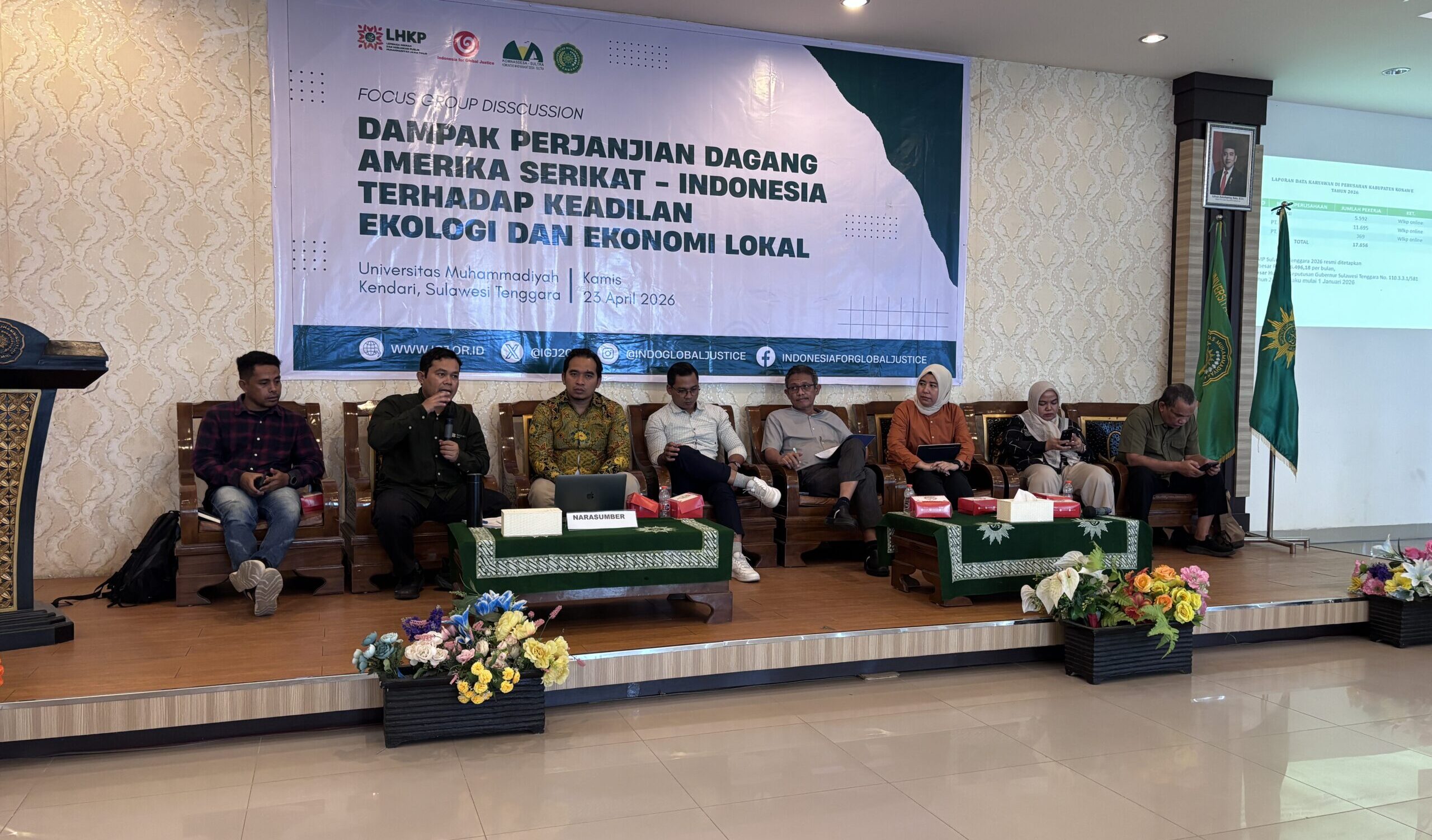
Taufik warns of a "regulatory chill," a phenomenon where the state becomes paralyzed and hesitant to enact progressive laws for fear of multi-billion dollar lawsuits. "In the last decade, Indonesia has pushed for downstreaming to ensure that value-added profits stay within the country," Taufik explained during a recent discussion in Kendari. "However, these policies could now be viewed as ‘investor interference.’ The paradox is that the government, fearing litigation, will likely roll back or refrain from tightening environmental standards."
This mechanism essentially elevates corporate interests above national law, potentially forcing the Indonesian government to pay damages for protecting its own forests, water sources, or indigenous lands.
Critical Minerals and the Sacrifice of Ecological Sovereignty
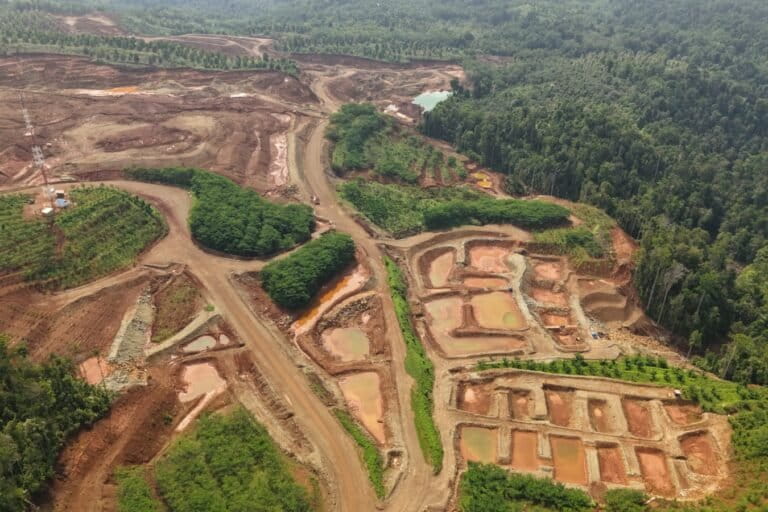
The ART places a specific and heavy emphasis on "critical minerals"—the raw materials essential for the global transition to green energy, such as nickel, cobalt, and lithium. Article 6.1 of the agreement states that Indonesia "shall allow and facilitate U.S. investment in its territory to explore, mine, extract, refine, process, transport, distribute, and export critical minerals and energy resources."
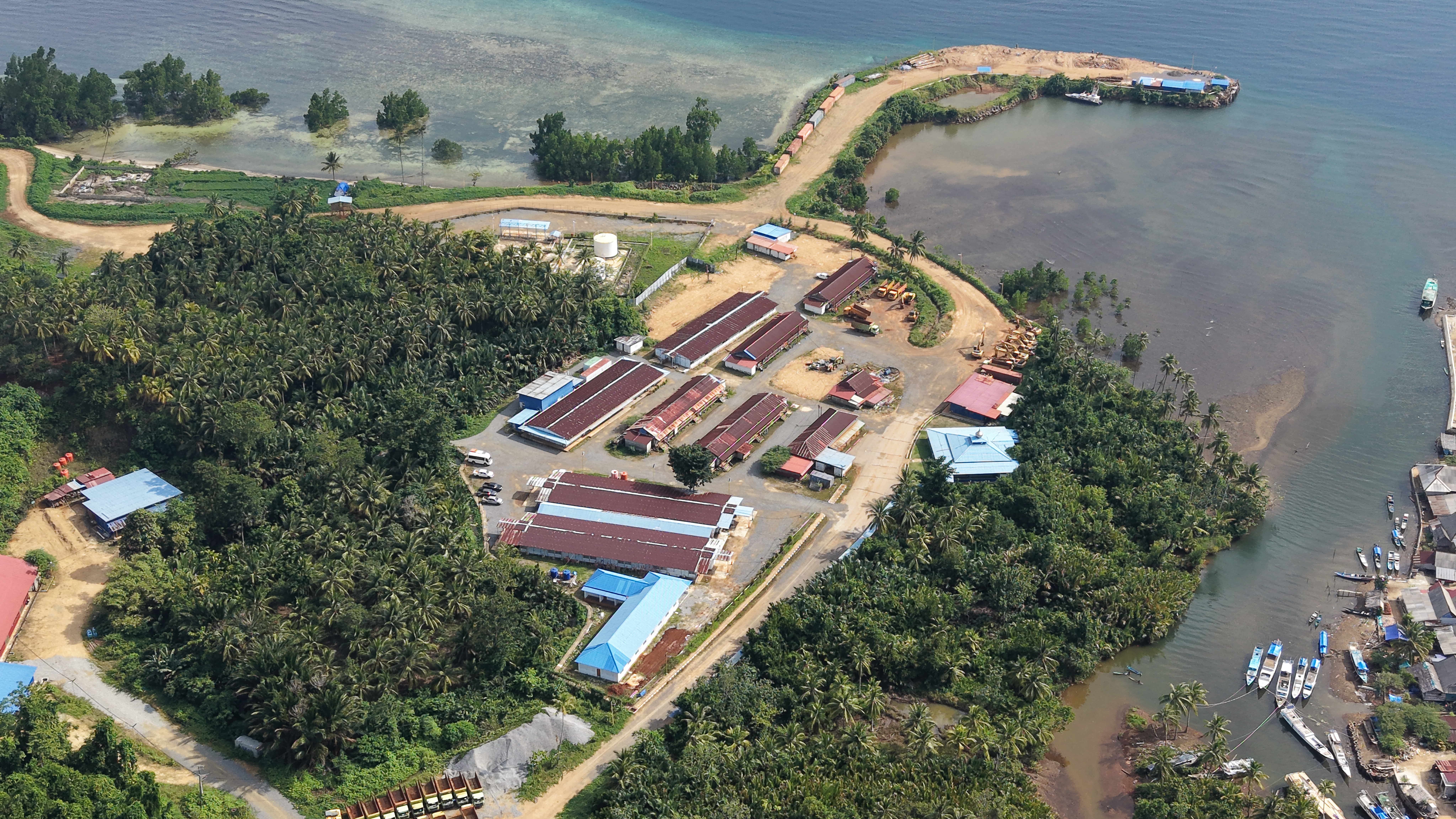
This clause effectively hands the keys to Indonesia’s mineral wealth to U.S. interests. While the global demand for electric vehicles (EVs) is skyrocketing, the ART ensures that the U.S. has a secure and diversified supply chain, often at the expense of local communities. The phrase "secure supply chains" in the agreement is particularly alarming to human rights advocates. They fear it could lead to the increased militarization of mining sites, where state security forces are used to protect foreign extraction projects from local opposition or land rights claims.
Furthermore, Article 2.36 mandates that Indonesia "shall take measures to promote the recovery of critical minerals from waste streams." This provision has been interpreted by analysts as a way for the U.S. to outsource the dirtiest parts of the mineral lifecycle to Indonesia. While the U.S. receives the refined products, Indonesia is left with the burden of managing toxic tailings and industrial waste, bearing the full ecological and financial cost of environmental restoration.
Supporting the U.S. Energy Sector: The West Coast Corridor
In one of the more unusual and lopsided provisions of the agreement, Article 6.5 requires Indonesia to provide investment to help develop a "U.S. West Coast export corridor." This includes the development of export terminals in states like Oregon and Washington to increase the competitiveness of U.S. coal in the international market.
Muhammad Karim, a lecturer at the University of Trilogi in Jakarta, views this as the pinnacle of "new imperialism." "Indonesia is not just a trade partner here; it is being forced to act as a financier for the expansion of U.S. energy commodities," Karim stated. This provision forces a developing nation to subsidize the infrastructure of a global superpower, a move that critics say defies economic logic and serves only to solidify U.S. market dominance.
Regional Impact: Southeast Sulawesi as a "Sacrifice Zone"
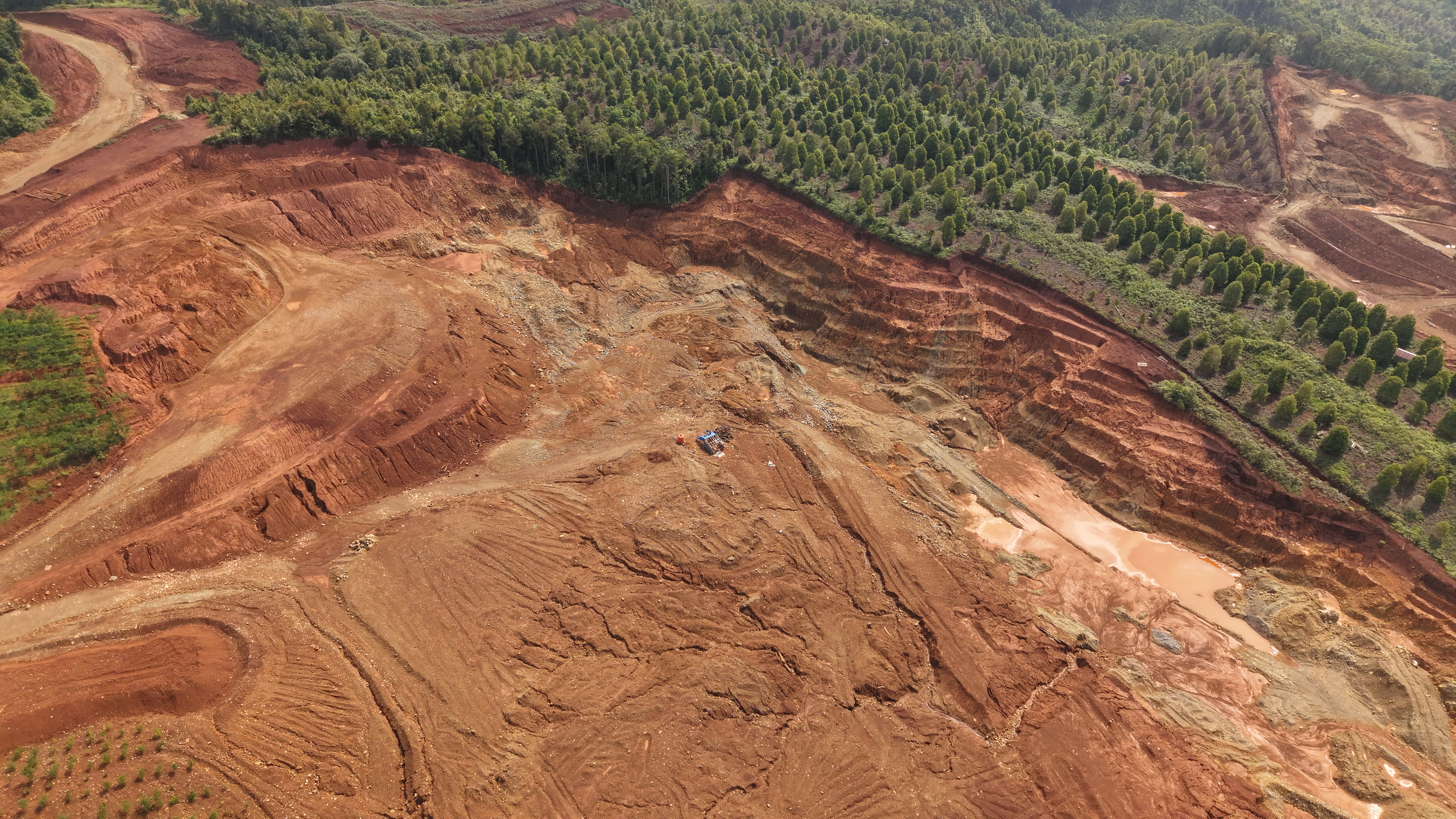
The human and environmental cost of such agreements is already being felt in regions like Southeast Sulawesi (Sultra). David Efendi, Secretary of the Institute for Wisdom and Public Policy (LHKP) of Muhammadiyah, points to Wawonii Island as a tragic example of what happens when international trade interests supersede local sovereignty.
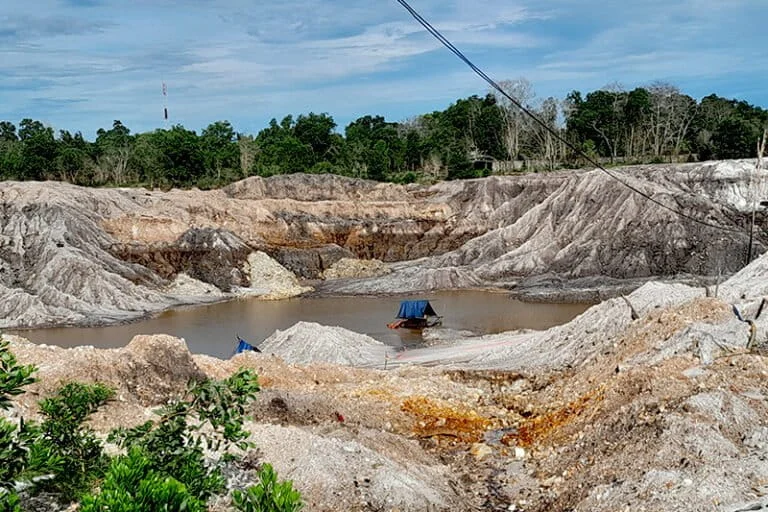
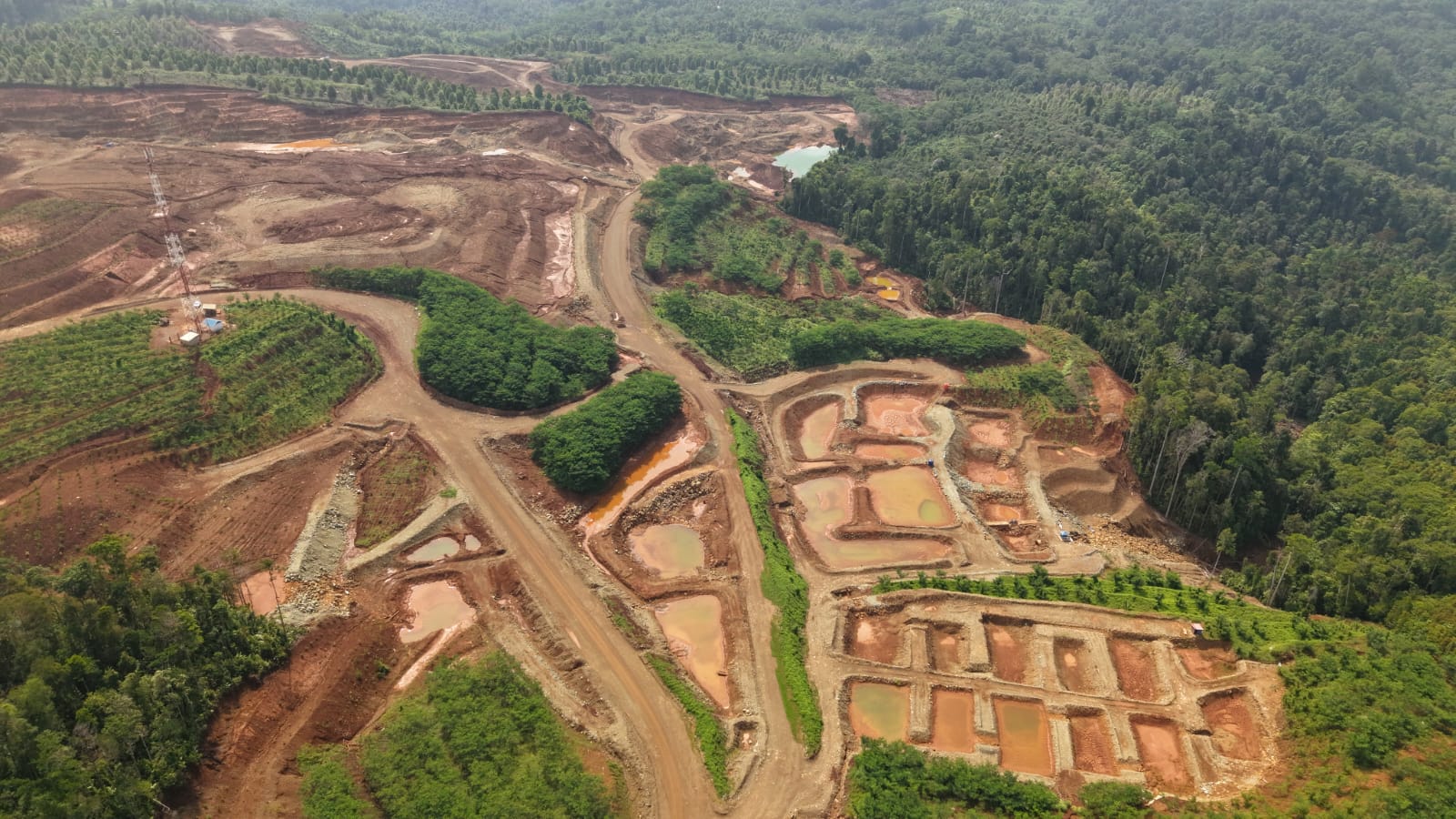
Sultra, along with Central Sulawesi, North Maluku, and Papua, are increasingly being viewed as "sacrifice zones"—regions where the environment and local welfare are traded for national GDP figures and foreign investment quotas. In Wawonii, nickel mining has already led to massive deforestation, water pollution, and the displacement of traditional farming communities. Efendi notes that there are currently over 400 active agrarian conflicts across Indonesia, many of which are linked to the expansion of extractive industries and palm oil plantations driven by international trade mandates.
"Any international cooperation that weakens sovereignty over natural resources is unconstitutional," Efendi argued. He called for a total evaluation of the ART, urging the government to be transparent and to include public participation in the decision-making process.
Proposed Mitigations and the Path Forward
Faced with the potential long-term damage of the ART, experts have proposed several mitigation strategies to protect Indonesia’s interests:
- Policy Space Clauses: Indonesia must negotiate the inclusion of clauses that explicitly protect the government’s right to regulate in the public interest, particularly regarding health, safety, and the environment.
- Environmental Safeguards: Establishing non-negotiable minimum environmental standards that cannot be challenged by investors under ISDS.
- ISDS Reform: Moving toward a more transparent and balanced arbitration system, or limiting the types of disputes that can be brought before international tribunals.
- Global South Solidarity: Strengthening diplomatic ties with other developing nations to build a collective bargaining front against protectionist policies from the Global North.
Muhammad Karim emphasizes that Indonesia must abandon the "illusion of free trade." He argues that global trade has never been truly free; it is a system of rules designed by powerful nations to facilitate capital accumulation. For Indonesia to thrive, it must shift toward a paradigm of "fair trade" that prioritizes ecological sovereignty and local economic resilience over exploitative market access.
The Agreement of Reciprocal Trade serves as a cautionary tale for developing nations in an era of renewed protectionism. While the lure of market access is strong, the hidden costs—the loss of regulatory power, the degradation of the environment, and the subsidization of foreign infrastructure—may prove to be a price too high for Indonesia’s future generations to pay. As civil society groups prepare for legal challenges, the debate over the ART is likely to remain a central flashpoint in the struggle for Indonesia’s economic soul.