Nasution Nanang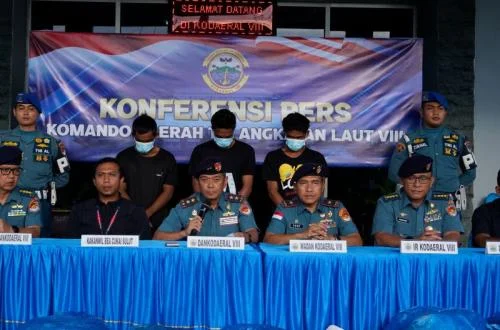
MANADO, North Sulawesi – The Indonesian Naval Area Command (Kodaeral) VIII has successfully thwarted a significant attempt to smuggle illegal goods by foreign nationals from the Philippines within the waters of North Sulawesi. The decisive action, carried out on Friday, June 12, 2026, prevented an estimated potential state loss exceeding Rp1 billion, highlighting Indonesia’s unwavering commitment to maritime security and the enforcement of its sovereignty against transnational crime.
Rear Admiral TNI Dery Triesananto Suhendi, Commander of Kodaeral VIII, revealed that the interception was executed by the command’s elite QR-8 Team. This operation was the direct result of meticulous intelligence gathering and strategic planning, underscoring the increasing sophistication of Indonesia’s maritime surveillance capabilities. The commander elaborated on the details during a press conference held at Joglo Makodaeral VIII on Saturday, emphasizing the critical role of intelligence in pre-empting such illicit activities. "The interception of these illegal goods was successfully carried out on Friday, June 12, 2026, by the QR-8 Team of Kodaeral VIII," stated Laksda TNI Dery, affirming the precision and effectiveness of the naval operation.
Operation Details and Chronology
The success of this operation was built upon a foundation of proactive intelligence work and rapid response. The waters off North Sulawesi, particularly those bordering the southern Philippines, are known conduits for various forms of illegal cross-border trade due to their geographical proximity and the intricate archipelagic nature of the region. This makes constant vigilance and robust intelligence networks paramount for Indonesia’s maritime security apparatus.
-
Intelligence Gathering and Initial Alert: Weeks prior to the interception, intelligence units within Kodaeral VIII, often working in conjunction with other national intelligence bodies like the Regional Intelligence Agency (BINDA) of North Sulawesi, began monitoring suspicious patterns of movement and communication consistent with smuggling activities originating from the southern Philippines. Information specifically pointed to a network involved in transporting hazardous chemicals and untaxed consumer goods. The intelligence indicated the use of traditional, yet fast, pumpboats to navigate the complex maritime terrain, often under the cover of darkness or by blending in with legitimate fishing traffic.
-
Deployment and Surveillance: Based on the actionable intelligence, the QR-8 Team, a specialized quick-response unit of Kodaeral VIII, was activated. Their mission involved deploying assets, likely including fast patrol boats and potentially aerial surveillance, to designated high-risk areas within the North Sulawesi maritime zone. The team maintained covert surveillance, patiently awaiting the confirmation of the suspect vessel’s identity and its trajectory. The intelligence identified a specific type of vessel – a pumpboat – known for its agility and ability to operate in shallow waters, making it a preferred choice for smugglers attempting to evade larger naval assets.
-
The Interception: On the morning of Friday, June 12, 2026, the QR-8 Team successfully identified the target vessel. It was a pumpboat named ARRIL, distinguishable by its white and blue hull, as previously indicated by intelligence. Crucially, the vessel was observed flying an Indonesian flag, a common deceptive tactic employed by smugglers to masquerade as local fishermen or traders and avoid immediate suspicion from patrolling forces. This tactic highlights the challenges faced by maritime security forces in distinguishing legitimate vessels from illicit ones in busy maritime corridors. The QR-8 Team initiated a coordinated interdiction, deploying their high-speed interceptors to approach and halt the ARRIL. The operation was executed swiftly and professionally, minimizing any potential for escape or confrontation.
-
Boarding and Discovery of Contraband: Upon boarding the ARRIL, the naval personnel conducted a thorough inspection. Their suspicions were immediately confirmed as they uncovered a meticulously concealed cargo of illegal goods. The sheer volume and hazardous nature of the primary contraband – cyanide – signaled the gravity of the smuggling attempt. Alongside the dangerous chemical, a significant quantity of untaxed alcoholic beverages and valuable outboard motors were also discovered, further cementing the multi-faceted nature of the smuggling operation. The foreign nationals on board, identified as Philippine citizens, were immediately secured.
-
Post-Interception and Investigation: Following the successful interdiction, the ARRIL and its illegal cargo, along with the apprehended individuals, were escorted back to the Kodaeral VIII base in Manado. Upon arrival, a detailed inventory and forensic analysis of the seized items commenced. The investigation phase involves collaboration with various agencies, including customs, environmental protection bodies, and potentially foreign affairs, given the international nature of the perpetrators. This comprehensive approach ensures that not only are the goods seized, but the broader network behind the smuggling operation is also dismantled.
The Illicit Cargo: A Closer Look
The diverse nature of the seized goods underscores the opportunistic and profit-driven motives behind such smuggling operations. From highly toxic industrial chemicals to popular alcoholic beverages and valuable marine engines, the cargo represents significant threats across multiple sectors.
-
Cyanide: A Deadly Commodity: The most alarming discovery was 20 sacks of cyanide (CN), each weighing 50 kilograms, totaling an astonishing 1,000 kilograms. Cyanide is a highly toxic chemical with legitimate industrial applications, primarily in gold mining for extracting gold from ore. However, its uncontrolled and illegal use poses immense dangers. In Southeast Asia, cyanide is infamously used in illegal "bomb fishing" or "cyanide fishing," where it is deployed to stun or kill fish for easy collection. This destructive fishing method devastates coral reefs and marine ecosystems, poisoning the food chain and leading to long-term environmental degradation. A kilogram of cyanide can contaminate vast quantities of water, rendering it lethal to marine life and potentially hazardous to humans who consume affected seafood. The black market value of industrial-grade cyanide can fluctuate significantly but represents a substantial illicit profit margin for smugglers, especially given the strict regulations surrounding its legitimate trade. Its presence on a smuggling vessel raises serious concerns about its intended use, whether for illegal mining operations in remote parts of Indonesia or for destructive fishing practices that decimate biodiversity.
-
Alcohol and Outboard Motors: Fueling the Black Market: Beyond the cyanide, the Kodaeral VIII team also confiscated several types of alcoholic beverages. These included two bottles of Tanduay, a popular Philippine rum, two one-liter bottles of Fundador, a Spanish brandy widely consumed in the region, and four one-liter bottles of Mojito. The smuggling of untaxed alcohol into Indonesia represents a direct loss of state revenue from excise duties and import taxes. It also poses potential public health risks, as the origins and quality of smuggled spirits can be unregulated, sometimes leading to the sale of counterfeit or adulterated products. The market for such smuggled goods is often driven by lower prices compared to legally imported, taxed alternatives, creating an unfair competitive environment for legitimate businesses.
Additionally, three Yamaha 18 PK outboard motors were seized. These powerful engines are highly sought after in the black market, particularly for small, fast boats used in various illicit activities, including illegal fishing, drug trafficking, and further smuggling operations. Their value lies in providing speed and maneuverability, crucial for evading maritime patrols. The smuggling of these engines not only represents tax evasion but also contributes to the proliferation of tools that facilitate other forms of maritime crime.
Economic and Environmental Ramifications
The financial impact of this single smuggling attempt is substantial, reflecting not just the value of the goods themselves, but the broader economic and ecological costs associated with such illegal activities.
-
Calculating the State’s Loss: Laksda TNI Dery Triesananto Suhendi precisely quantified the total potential state loss at Rp1,008,420,000. This figure is derived from a meticulous calculation by collaborating agencies, primarily Customs and Excise. It encompasses several components:
- Unpaid Import Duties and Taxes: The primary component of the loss comes from the evaded import duties, value-added tax (VAT), and excise taxes that would have been levied on the cyanide, alcoholic beverages, and outboard motors if they were legally imported. Indonesia has stringent tariffs on these categories, especially on hazardous chemicals and luxury goods like alcohol, designed to regulate their entry and generate revenue.
- Environmental Remediation Costs (Potential): While not a direct tax, the potential environmental damage from 1,000 kg of cyanide, if used for illegal fishing or mining, would necessitate massive and costly remediation efforts. The long-term economic impact on fisheries, tourism, and coastal communities could be incalculable, far exceeding the initial Rp1 billion.
- Market Distortion: The influx of untaxed goods undermines legitimate businesses that comply with import regulations and pay their dues. This creates an unfair competitive landscape, discouraging legal trade and investment.
- Cost of Enforcement: The operation itself, while successful, incurs significant costs for the navy, including fuel, personnel deployment, and intelligence resources. These costs are a necessary expenditure to combat smuggling, but they represent a drain on state resources that could otherwise be allocated to development if such crimes were not prevalent.
-
Broader Societal and Ecological Threats: The implications extend far beyond fiscal losses. The potential misuse of a ton of cyanide in Indonesian waters poses an existential threat to its globally significant marine biodiversity, particularly the coral triangle region which is a hotspot for marine life. The destruction of coral reefs impacts the livelihoods of millions of fishermen and coastal communities, affecting food security and economic stability. Furthermore, the unregulated alcoholic beverages could pose health risks to consumers. The use of untaxed outboard motors facilitates other illegal activities, creating a cascading effect of criminality in the maritime domain.
Inter-Agency Collaboration and Strategic Importance
The success of the Kodaeral VIII operation is a testament to the power of inter-agency cooperation, a cornerstone of Indonesia’s national security strategy. The press conference itself highlighted this synergy, with the attendance of key officials from various institutions.
-
A Unified Front Against Transnational Crime: The presence of the Deputy Commander of Kodaeral VIII, Inspector of Kodaeral VIII, Head of Intelligence Kodaeral VIII, Head of Operations Kodaeral VIII, Head of Information Kodaeral VIII, Head of Legal Affairs Kodaeral VIII, Head of Intelligence Team Kodaeral VIII, representatives from the Regional Intelligence Agency (BINDA) of North Sulawesi, and the North Sulawesi Regional Customs and Excise Office, underscores a whole-of-government approach. BINDA provides critical intelligence insights into potential threats and illicit networks, while Customs and Excise are crucial for assessing the financial implications of smuggling and enforcing trade regulations. This collaborative framework ensures that intelligence is shared, resources are pooled, and legal processes are meticulously followed, from interception to prosecution. Such cooperation is vital in combating complex transnational crimes that often involve multiple jurisdictions and specialized knowledge.
-
Securing Indonesia’s Maritime Borders: Indonesia, as the world’s largest archipelagic state, possesses an immense maritime territory spanning over 5.8 million square kilometers. Protecting these waters from illegal activities, including smuggling, illegal fishing, and piracy, is a monumental task and a top national security priority. Naval commands like Kodaeral VIII play a crucial role as the frontline defenders of Indonesia’s maritime sovereignty and economic interests. Operations like this send a strong message to potential perpetrators that Indonesia’s waters are not a free-for-all for illicit trade. They also reinforce regional stability by contributing to the overall security of maritime trade routes and discouraging criminal elements from exploiting porous borders. The consistent enforcement of maritime law deters future attempts and upholds the rule of law in a critical geopolitical region.
Forward Outlook and Persistent Challenges
While this operation marks a significant victory, the challenges of maritime security in the region remain persistent. The vastness of the Indonesian archipelago, coupled with its long, often unguarded coastlines and proximity to other nations, creates an environment ripe for smuggling and other illicit activities.
-
Ongoing Vigilance: The Indonesian Navy and its partner agencies must maintain a high level of vigilance. Smugglers constantly adapt their methods, routes, and vessel types to evade detection. This necessitates continuous investment in advanced surveillance technology, intelligence gathering capabilities, and rapid response assets. Furthermore, training and capacity building for naval personnel and other law enforcement agencies are essential to keep pace with evolving threats. The success of the QR-8 Team highlights the effectiveness of specialized units dedicated to these challenging tasks.
-
International Cooperation: Given that the perpetrators were foreign nationals from the Philippines, the incident also underscores the need for robust international cooperation. Collaborative efforts with neighboring countries, particularly through intelligence sharing, coordinated patrols, and joint training exercises, are crucial to address cross-border crimes effectively. Dialogue and agreements on maritime security between Indonesia and the Philippines can help dismantle international smuggling networks and ensure that individuals involved in such crimes face justice, regardless of their nationality. Such bilateral and multilateral engagements contribute to regional stability and a shared commitment to upholding maritime law.
This successful interception by Kodaeral VIII serves as a powerful reminder of the ongoing battle against illegal activities that threaten Indonesia’s economy, environment, and national security. It exemplifies the dedication of the Indonesian Navy and its partners in safeguarding the nation’s maritime heritage and enforcing the rule of law across its vast and vital waters. The potential state loss of over Rp1 billion prevented by this operation underscores not only the economic impact but also the profound environmental and societal dangers averted.