Azin Asro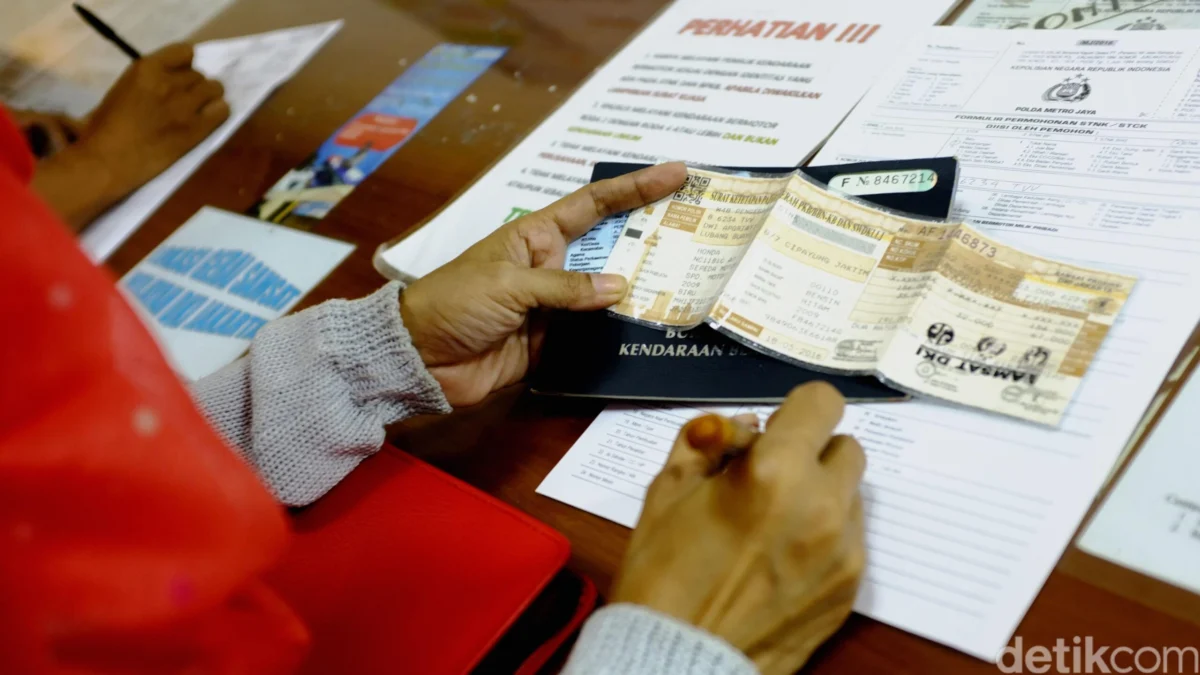
The Jakarta Provincial Government, through the Regional Revenue Agency (Bapenda), has officially implemented a significant policy shift aimed at simplifying the administrative process for used vehicle owners within the capital city. Under this new directive, individuals who have purchased second-hand cars or motorcycles are no longer required to present the original owner’s Identity Card (KTP) when conducting annual renewals of their Vehicle Registration Certificates (STNK) or paying their annual Motor Vehicle Tax (PKB). This move addresses a long-standing hurdle in the secondary automotive market, where buyers often struggle to track down previous owners to borrow their identification documents—a practice that was previously mandatory for tax validation if the title had not yet been formally transferred.
The policy, which has been disseminated through the official Bapenda DKI Jakarta communication channels, represents a strategic effort to accommodate taxpayers who find themselves in administrative limbo. Many residents continue to operate vehicles that remain legally registered under a previous owner’s name due to the costs and procedural complexities associated with the Title Transfer Fee (BBNKB). By removing the KTP requirement for annual renewals, the provincial government aims to ensure that these active road users remain compliant with their tax obligations, thereby safeguarding regional revenue streams while providing a grace period for formal administrative updates.
Administrative Simplification and the 2027 Commitment
While the removal of the KTP requirement offers immediate relief, it is not an unconditional or permanent waiver of ownership documentation. To maintain the integrity of the legal system and ensure long-term administrative order, the Jakarta Provincial Government has introduced a specific condition for those utilizing this facility. Every taxpayer who opts to renew their STNK without the original owner’s KTP is required to sign a formal statement of commitment. This document binds the current owner to complete the formal title transfer (Balik Nama) process by the year 2027.
This transitional policy is designed to bridge the gap between the current reality of widespread informal vehicle ownership and the government’s ultimate goal of a perfectly synchronized vehicle database. By setting a 2027 deadline, the authorities are providing a multi-year window for citizens to arrange their finances and documentation for a full legal transfer. This commitment serves as a mutual agreement: the government facilitates easier tax payments today, and the citizen pledges to rectify their vehicle’s legal status in the near future.
Coordination with National Law Enforcement
The implementation of this policy is the result of intensive coordination between the Jakarta Provincial Government and the National Police Traffic Corps (Korlantas Polri). The Director of Registration and Identification (Dirregident) of Korlantas Polri has emphasized that this measure is a form of "adaptive public service." It recognizes that rigid administrative requirements can sometimes act as a deterrent to tax compliance. When taxpayers cannot access the original owner’s KTP, they often choose to stop paying taxes altogether, leading to a loss in regional revenue and a decrease in the accuracy of the vehicle registry.
Law enforcement officials view this policy as a temporary but necessary intervention. By allowing renewals through a statement of commitment, the police can maintain a more active record of who is currently operating a vehicle, even if the formal title transfer is pending. This is particularly crucial for the effective operation of Electronic Traffic Law Enforcement (ETLE) systems. When a vehicle is involved in a traffic violation, the system identifies the owner based on the STNK. If the data is outdated and the current operator is untraceable, the enforcement mechanism fails. This policy encourages current operators to come forward and identify themselves to the revenue system, even if the formal title hasn’t changed.
The Socio-Economic Context of Vehicle Ownership in Jakarta
Jakarta remains the epicenter of Indonesia’s automotive market, with over 20 million motorized vehicles registered in the metropolitan area. The secondary market for vehicles is exceptionally high, driven by a middle class that frequently upgrades or changes vehicles. However, the "administrative friction" of transferring a title—which includes fees and multiple visits to the One-Roof Integrated Administration System (Samsat) offices—has historically led to a high volume of vehicles being operated by people who are not the registered owners.
Data from Bapenda indicates that a significant percentage of vehicle tax arrears in Jakarta stems from owners of second-hand vehicles who cannot fulfill the KTP requirement. In many cases, the original owner has moved, passed away, or simply refused to lend their ID card out of privacy concerns. Furthermore, original owners often proactively "block" their vehicle registration after a sale to avoid progressive tax penalties on their next vehicle purchase. Once a registration is blocked, the new owner is forced to undergo a title transfer to renew the STNK. This new policy provides a middle ground, allowing the new owner to stay legal while the government tracks the transition.
Fiscal Implications and Regional Revenue (PAD)
Motor Vehicle Tax (PKB) is a primary pillar of Jakarta’s Regional Original Income (PAD). In the 2024 fiscal year, the Jakarta Provincial Government has set ambitious targets for tax collection to fund infrastructure projects, public transportation subsidies (such as TransJakarta and the MRT), and social welfare programs. Any barrier to tax payment directly impacts the city’s budget.
By removing the KTP hurdle, Bapenda expects a surge in tax participation. "This policy is expected to increase public compliance in paying vehicle taxes while simultaneously encouraging the resolution of delayed ownership administration," stated a representative from Bapenda. The agency believes that accurate ownership data is not just a legal necessity but a fiscal one. When the government knows exactly who owns which vehicle, it can more accurately project revenue and plan urban development, such as road maintenance and emission control zones.
Implementation at Samsat Offices
To ensure the success of this policy, Bapenda has overhauled the service mechanism across all Samsat offices in Jakarta. The agency has pledged a transparent, coordinated, and professional service environment. Field officers have been trained to guide taxpayers through the new process, specifically regarding the drafting and signing of the 2027 commitment letter.
The process is designed to be streamlined:
- The taxpayer arrives at the Samsat office or designated service point.
- They present the original STNK and the original Motor Vehicle Ownership Book (BPKB).
- Instead of the original owner’s KTP, they provide their own identification and sign the commitment letter for title transfer.
- The annual tax is paid, and the STNK is validated.
This transparency is also aimed at reducing the influence of "calo" (unauthorized intermediaries or brokers) who often exploit administrative difficulties to charge citizens exorbitant fees. By making the process easier and more direct, the government is effectively cutting out the need for third-party "assistance."
Impact on the Used Car Industry
The automotive industry, particularly used car dealers, has reacted positively to the news. For dealers, the KTP requirement was often a "deal-breaker" for potential buyers who were wary of the administrative headaches following a purchase. With this relaxation, the liquidity of the used car market in Jakarta is expected to improve.
Industry analysts suggest that this policy could lead to a stabilization of used vehicle prices, as the "administrative risk" factor is lowered. It also encourages a more formal second-hand market where sellers can honestly disclose that a title transfer will eventually be necessary, but without the immediate pressure of being unable to use the vehicle legally in the interim.
Analysis of the 2027 Deadline
The choice of 2027 as a deadline for title transfers is a calculated move. It aligns with broader national efforts to modernize vehicle data across Indonesia. The central government and various provincial authorities are currently working toward a unified database that integrates tax data, insurance data, and traffic enforcement data. By 2027, it is anticipated that digital systems will be robust enough to handle a massive influx of title transfers.
However, some experts warn that the 2027 deadline could create a "bottleneck" if a large volume of taxpayers wait until the final year to fulfill their commitment. There is also the question of enforcement: what happens if a vehicle owner fails to transfer the title by 2027 despite having signed the commitment? Bapenda and the police have hinted that vehicles failing to meet this deadline may face stricter sanctions, including the potential for data deletion from the registry, which would render the vehicle permanently illegal to operate on public roads under the Law Number 22 of 2009 regarding Traffic and Road Transportation.
Future Outlook and Digital Transformation
This policy is part of a larger trend toward the digitalization of public services in Jakarta. The provincial government has been promoting the use of digital platforms like the "SIGNAL" (National Digital Samsat) app and the "JakPenda" portal. The ultimate goal is to move away from physical documents entirely. In the future, the verification of ownership and tax status may rely on biometric data or digital identities integrated with the national population database (NIK).
In the meantime, the "No KTP" policy serves as a vital pragmatic tool. It acknowledges the friction of the current system while paving the way for a more organized future. For the citizens of Jakarta, it represents a rare moment of administrative flexibility, allowing them to focus on mobility and economic activity without being hindered by the logistical nightmare of tracking down a vehicle’s previous owner.
As the policy takes effect, the government continues to urge the public not to wait until the last minute. While the 2027 deadline seems distant, the benefits of full legal ownership—including easier insurance claims and higher resale value—remain the best incentive for completing the title transfer process as soon as financial circumstances allow. The Jakarta Provincial Government has opened the door to compliance; it is now up to the vehicle owners to walk through it and secure their vehicle’s legal standing for the years to come.