Chalifah Fatihah
As global dietary trends increasingly emphasize diverse and wholesome food options, corn rice is emerging as a compelling alternative to traditional white rice. This versatile grain, often overlooked in many culinary traditions, offers a unique texture and a rich, nutty flavor profile that can elevate everyday meals. However, preparing corn rice to achieve its optimal texture and taste requires a nuanced understanding of its properties, differing significantly from the familiar process of cooking white rice. This article delves into the intricacies of preparing delicious and satisfying corn rice, exploring its nutritional benefits, historical context, and practical cooking methods.
The Nutritional Landscape of Corn Rice
Corn, scientifically known as Zea mays, is a staple grain with a long history of cultivation, dating back thousands of years to ancient Mesoamerica. It is a significant source of carbohydrates, providing essential energy for bodily functions. Beyond carbohydrates, corn is also a valuable source of dietary fiber, which aids digestion, promotes satiety, and helps regulate blood sugar levels. Its nutritional profile includes essential vitamins such as thiamine (B1), niacin (B3), and folate (B9), along with minerals like magnesium, phosphorus, and zinc.
Compared to refined white rice, whole corn kernels, when processed into corn rice, retain more of their natural fiber and micronutrients. While white rice is primarily composed of carbohydrates and can lead to rapid blood sugar spikes, corn rice offers a more sustained release of energy due to its fiber content. This makes it a potentially beneficial choice for individuals managing diabetes or seeking to maintain stable energy levels throughout the day. Furthermore, corn contains beneficial antioxidants like lutein and zeaxanthin, which are important for eye health.
Historical Roots and Cultural Significance
The journey of corn from its domestication in Mexico to its global ubiquity is a testament to its adaptability and nutritional value. Archaeological evidence suggests that corn was first cultivated by indigenous peoples in the Tehuacan Valley of Mexico around 9,000 years ago. Over centuries, it spread across the Americas, becoming a foundational food for civilizations such as the Maya, Aztec, and Inca. These cultures developed sophisticated methods of processing and preparing corn, including the creation of masa, a dough made from nixtamalized corn, which forms the basis of tortillas, tamales, and other traditional dishes.
The introduction of corn to other continents, particularly Europe, Africa, and Asia, following the voyages of Christopher Columbus, marked a significant turning point in global agriculture and cuisine. In many regions, corn was adapted to local climates and culinary practices, leading to a wide array of corn-based foods. In Indonesia, for instance, corn has long been a vital food source, especially in areas where rice cultivation is challenging. Corn rice, often referred to as nasi jagung, has become a cherished part of the local diet, offering a flavorful and filling alternative to rice.
The Culinary Challenge: Texture and Consistency
The primary difference in cooking corn rice compared to white rice lies in the distinct physical properties of corn kernels. Corn kernels have a firmer, more crystalline structure than rice grains. This means they absorb water differently and require specific cooking techniques to achieve a desirable texture. Under-hydration can result in hard, unpalatable kernels, while over-hydration can lead to a mushy, porridge-like consistency, losing the characteristic grain structure of rice.
The key to successful corn rice lies in finding the right balance of water to corn and in the cooking duration. The ideal outcome is a dish that is simultaneously tender, slightly chewy, and flavorful – a comforting and satisfying meal that can be enjoyed on its own or as a base for various accompaniments.
Two Primary Methods for Preparing Corn Rice
There are several approaches to preparing corn rice, each offering a unique flavor and texture profile. Two widely adopted methods, particularly in Indonesian cuisine, highlight the adaptability of this grain.
Method 1: The Hybrid Approach – Corn Kernels Mixed with White Rice
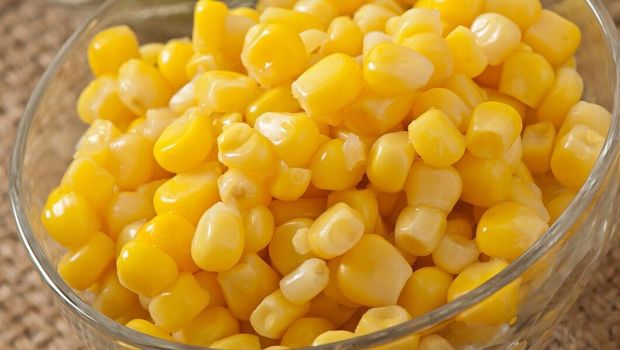
This method offers a practical and accessible way to incorporate the benefits of corn into a familiar rice-based meal. It involves combining fresh or dried corn kernels with standard white rice. This approach allows individuals to gradually adapt to the taste and texture of corn while still enjoying the comfort of white rice.
Background and Context: This hybrid method is particularly popular for its ease of preparation and its ability to bridge the gap for those unaccustomed to pure corn rice. It retains the essence of traditional rice cooking while introducing a nutritious and flavorful element. The historical context of this method likely stems from periods of rice scarcity, where resourceful cooks would blend available grains to create a more substantial and varied meal.
Ingredients:
- 1 cup white rice (e.g., long-grain or medium-grain)
- ½ cup fresh or frozen corn kernels (or ⅓ cup dried corn kernels, rehydrated)
- 1 ¾ to 2 cups water (adjust based on rice and corn type)
- ½ teaspoon salt (optional)
Preparation Steps:
- Rinsing: Thoroughly rinse the white rice under cold running water until the water runs clear. This removes excess starch and prevents the rice from becoming overly sticky. If using dried corn kernels, rinse them as well.
- Soaking (for dried corn): If using dried corn kernels, it is advisable to soak them in warm water for at least 30 minutes to an hour before cooking. This helps to soften them and reduce cooking time. Drain well before proceeding.
- Combining Ingredients: In a medium saucepan or a rice cooker, combine the rinsed white rice, corn kernels, and the measured water. Add salt if desired for enhanced flavor.
- Cooking:
- Stovetop Method: Bring the mixture to a boil over medium-high heat. Once boiling, reduce the heat to low, cover the pot tightly with a lid, and simmer for approximately 18-20 minutes, or until the water is absorbed and the rice and corn are tender. Avoid lifting the lid during this period to retain steam.
- Rice Cooker Method: Follow the manufacturer’s instructions for your rice cooker. Generally, you will add all ingredients to the cooker and select the appropriate setting (usually "white rice").
- Resting: Once the cooking cycle is complete, let the corn rice rest, covered, for 5-10 minutes. This allows the steam to evenly distribute, resulting in fluffier grains.
- Fluffing: Gently fluff the corn rice with a fork or rice paddle before serving.
Analysis of Implications: This method provides a balanced nutritional intake by combining the benefits of both rice and corn. It is an excellent option for families with diverse palates and offers a familiar yet enhanced carbohydrate base for meals. The ability to adjust the corn-to-rice ratio allows for customization based on individual preferences and dietary needs.
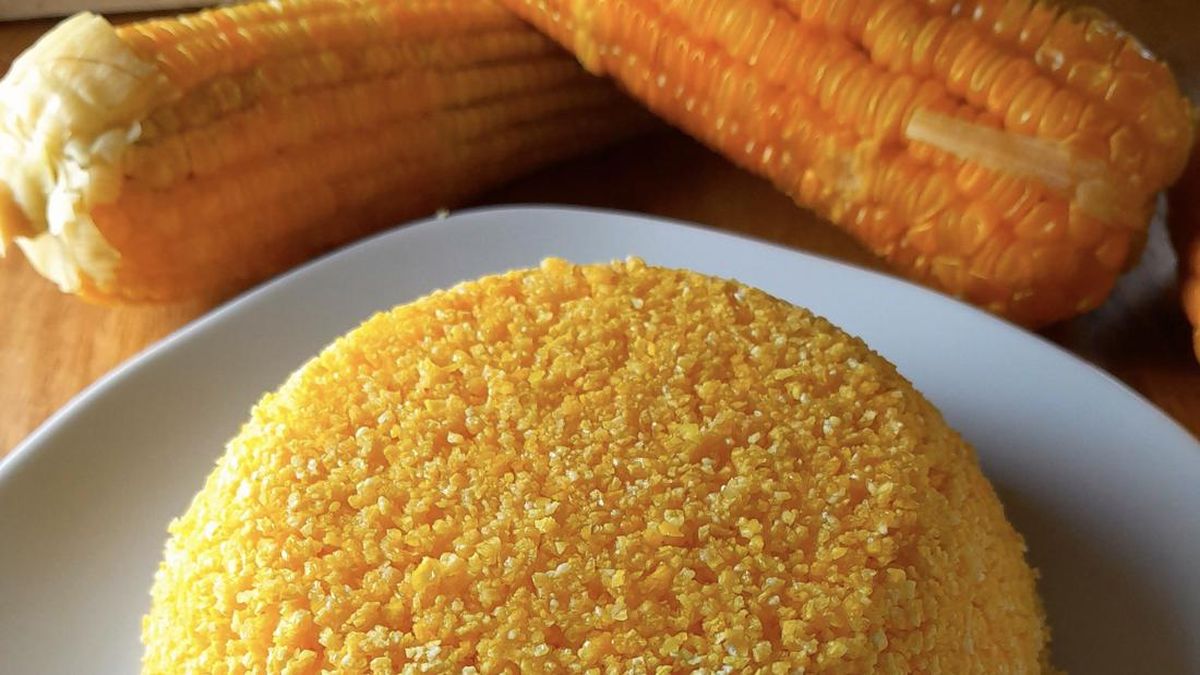
Method 2: Pure Corn Rice – Utilizing Dried Corn Kernels (Beras Jagung)
For those seeking a more intense corn flavor and a distinct texture, cooking pure corn rice using dried corn kernels (often referred to as beras jagung or corn grits) is the preferred method. This approach yields a heartier and more substantial dish, often served with traditional Indonesian side dishes and vegetables.
Background and Context: This method represents a more traditional and unadulterated form of corn consumption. It requires a longer cooking time, reflecting the more robust nature of dried corn kernels. Historically, this would have been a staple for communities relying heavily on corn, providing sustained energy for agricultural labor and daily life. The preparation involves cooking the corn kernels until they soften and expand, absorbing a significant amount of water.
Ingredients:
- 1 cup dried corn kernels (coarsely ground or whole, depending on desired texture)
- 3 to 4 cups water (adjust based on the type of corn and desired consistency)
- ½ teaspoon salt (optional)
Preparation Steps:
- Washing and Soaking: Thoroughly wash the dried corn kernels under cold running water. Soak the kernels in a generous amount of warm water for at least 2-3 hours, or preferably overnight. This crucial step softens the hard kernels and significantly reduces cooking time. Drain the soaked corn thoroughly.
- Cooking:
- Stovetop Method: In a heavy-bottomed pot, combine the drained corn kernels with fresh water and salt (if using). Bring to a rolling boil over medium-high heat. Once boiling, reduce the heat to the lowest possible setting, cover the pot tightly, and simmer. This process can take anywhere from 45 minutes to 1.5 hours, or even longer, depending on the type and grind of the corn. Stir occasionally to prevent sticking and ensure even cooking. Add more hot water if the mixture becomes too dry before the corn is tender. The corn should be soft and have absorbed most of the liquid, resulting in a texture similar to risotto or a very firm porridge.
- Pressure Cooker Method: For a faster cooking time, use a pressure cooker. Combine the soaked and drained corn kernels with water (follow pressure cooker guidelines for liquid ratios, typically less water is needed than stovetop). Cook under high pressure for approximately 20-30 minutes, then allow the pressure to release naturally.
- Resting: Once cooked, let the pure corn rice rest, covered, for about 10 minutes to allow the textures to meld.
- Serving: Serve the pure corn rice hot. Its dense and slightly chewy texture makes it an excellent accompaniment to rich and flavorful dishes.
Analysis of Implications: This method delivers a powerful nutritional punch of fiber and complex carbohydrates. The longer cooking time requires more planning but results in a deeply satisfying and energy-dense meal. It is particularly suitable for active individuals or those seeking to increase their fiber intake. The robust flavor of pure corn rice pairs exceptionally well with savory stews, spicy curries, and traditional Indonesian vegetable dishes like sayur lodeh or urap.
Tips for Achieving the Perfect Texture
Regardless of the chosen method, several key tips can help ensure your corn rice is perfectly cooked:
- Quality of Corn: Use high-quality corn kernels. For the hybrid method, fresh or frozen kernels offer the best flavor and texture. For pure corn rice, choose dried kernels that are not excessively old, as older kernels may take longer to soften.
- Water Ratio is Crucial: Pay close attention to the water-to-corn ratio. It’s often better to start with slightly less water and add more as needed during cooking, especially for the stovetop methods, rather than adding too much at once.
- Gentle Simmering: For both methods, a low, gentle simmer is essential. High heat can cause the corn to scorch or cook unevenly.
- Patience is Key: Corn rice, especially pure corn rice, requires patience. Do not rush the cooking process. Allow the kernels to absorb moisture and soften gradually.
- Resting Period: The resting period after cooking is vital. It allows the moisture to redistribute, ensuring a more uniform texture throughout the dish.
- Experimentation: Don’t be afraid to experiment with the ratios and cooking times to find what works best for your specific ingredients and desired outcome.
Broader Impact and Future Trends
The growing interest in corn rice reflects a broader shift towards dietary diversification and the rediscovery of traditional, nutrient-dense foods. As concerns about food security and the environmental impact of staple crops like rice continue to grow, grains like corn offer a sustainable and adaptable alternative.
The versatility of corn rice extends beyond its nutritional value. It can be a cornerstone of a gluten-free diet, as corn is naturally gluten-free. This opens up a world of culinary possibilities for individuals with celiac disease or gluten sensitivities. Furthermore, the increasing availability of various corn products, from whole kernels to finely ground grits, makes preparing corn rice more accessible than ever.
In conclusion, mastering the art of cooking corn rice unlocks a world of delicious and nutritious culinary possibilities. Whether enjoyed as a simple hybrid with white rice or as a hearty standalone dish of pure corn rice, this ancient grain offers a compelling alternative that is both historically rich and perfectly suited to modern dietary needs and preferences. By understanding the nuances of its preparation, home cooks can consistently achieve a flavorful, satisfying, and healthy meal that celebrates the enduring appeal of corn.