Nila Kartika Wati
Peperomia pellucida, a small herbaceous plant often found nestled between flower pots, along the edges of drainage ditches, or clinging to damp, shaded walls, has long been dismissed as a common nuisance. For generations, farmers and gardeners have systematically uprooted this "weed," discarding it without a second thought. However, a significant shift in the scientific and nutritional landscape is currently underway. What was once considered an agricultural pest is now being re-evaluated by the global scientific community as a formidable candidate for "superfood" status, possessing a chemical profile that rivals many commercially produced supplements. Known by various regional names such as Sirih Cina, Ketumpang Air, or Shiny Bush, this plant is rapidly transitioning from a neglected botanical inhabitant to a high-value commodity in the burgeoning herbal and wellness markets of 2025 and 2026.
Native to tropical regions of the Americas, Peperomia pellucida has successfully naturalized across most of Indonesia and other parts of Southeast Asia, thriving in high-humidity environments particularly during the monsoon seasons. Its physical characteristics are distinctive yet unassuming: it typically reaches a height of 15 to 45 centimeters, featuring succulent, heart-shaped leaves that resemble the betel leaf (Piper betle) but are smaller, thicker, and softer in texture. Its stems are notably translucent, often described as glass-like or watery, which reflects its high moisture content. Despite its fragile appearance, the plant is a biological powerhouse, containing a complex array of bioactive compounds that have caught the attention of pharmacologists and nutritionists alike.
The Chemical Architecture and Pharmacological Potential
The scientific interest in Peperomia pellucida is rooted in its sophisticated internal chemistry. According to Septiana Kurniasari, a lecturer in Pharmacy at the Islamic University of Madura, the plant is a rich source of essential oils, flavonoids, saponins, tannins, and triterpenoids. This combination of secondary metabolites provides the plant with a broad spectrum of therapeutic potentials, including antibacterial, antiseptic, and antimicrobial properties. Kurniasari notes that the specific concentration of these compounds allows Sirih Cina to effectively inhibit the growth of various bacterial strains, making it a viable natural alternative to synthetic topical treatments.
Beyond its antimicrobial capabilities, the plant is being scrutinized for its role in treating chronic metabolic conditions. One of its most well-documented traditional uses—now backed by emerging clinical research—is its efficacy in managing hyperuricemia, or high levels of uric acid. Research indicates that extracts from Peperomia pellucida can inhibit xanthine oxidase, the enzyme responsible for the production of uric acid in the human body. This pharmacological action is similar to that of Allopurinol, a common pharmaceutical drug used to treat gout, but with the added benefit of being a natural, plant-based source. Furthermore, studies have highlighted its potential as an anti-inflammatory agent, an analgesic for headaches and fevers, and even as a supportive treatment in oncology due to its antioxidant and potential anti-cancer properties.
Historical Context and the Evolution of Local Knowledge
The story of Peperomia pellucida is not just one of chemistry, but of cultural memory. For centuries, indigenous communities across the Indonesian archipelago and the Philippines have utilized the plant in traditional medicine (Jamu). It was the "pharmacy of the poor," used to treat boils, acne, skin inflammations, and kidney disorders. However, as the 20th century progressed and synthetic medicine became the gold standard, the specific knowledge regarding these "backyard remedies" began to fade.
Nissa Wargadipura, the founder of the Ath Thaariq Ecological Boarding School in Garut, West Java, observes that the classification of Peperomia pellucida as a "weed" is a symptom of a larger disconnect from local biodiversity. Wargadipura, who has long integrated the plant into the daily diet of her community, refers to it as both a "wildfood" and a "superfood." She suggests that the label of "pest" given by modern farmers is a result of a broken chain of local knowledge. When the utility of a plant is forgotten, its presence in a managed landscape is viewed as an intrusion rather than an asset. Wargadipura emphasizes that every part of the plant—from its roots and succulent stems to its leaves and tiny fruits—is edible and nutrient-dense.
Economic Value and the 2025-2026 Wellness Trend
The resurgence of Peperomia pellucida is closely aligned with global consumer trends projected for the 2025-2026 period. These trends indicate a massive shift toward "hyper-localism" and "functional foraging." As consumers become increasingly wary of ultra-processed supplements and the carbon footprint of imported superfoods like kale or quinoa, there is a growing movement toward rediscovering indigenous flora.
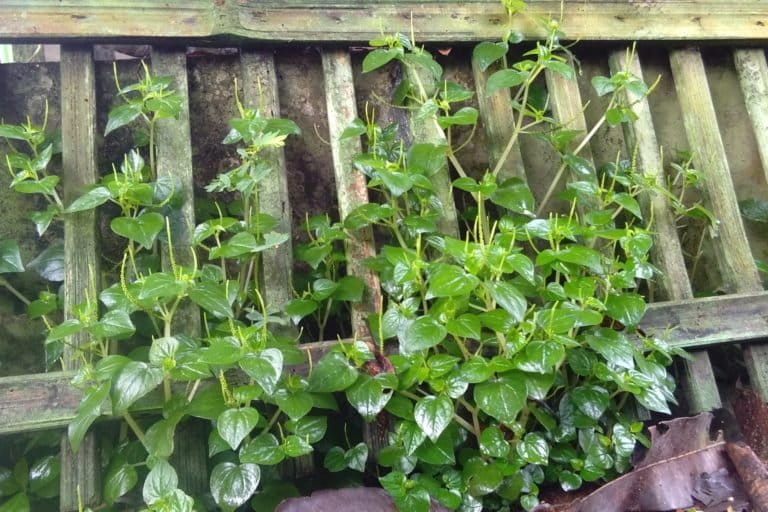
This shift is already reflecting in the marketplace. On various e-commerce platforms, Peperomia pellucida is no longer being sold as a mere garden plant but as a premium herbal product. Fresh cuttings or dried leaves can now fetch prices exceeding Rp75,000 per kilogram, a staggering figure for a plant that grows spontaneously in the wild. The commercialization extends to seeds and seedlings, as urban gardeners seek to cultivate their own "medicinal gardens" in limited spaces. This economic transition highlights a broader realization: sustainability and health do not always require expensive imports; sometimes, they require only a change in perspective regarding the plants already growing at our feet.
Culinary Integration and Modern Applications
To bridge the gap between traditional medicine and modern lifestyles, culinary experts and nutritionists are finding creative ways to incorporate Peperomia pellucida into daily meals. Its flavor profile is mild, often described as slightly mustard-like or peppery with a crisp, succulent texture. In rural Indonesia, it has traditionally been consumed as lalapan (raw vegetable salad), or mixed into pecel (vegetables with peanut sauce).
Modern adaptations have seen the plant used as a nutritional booster in contemporary dishes. It is being added to green smoothies, chopped into omelets, or used as a base for "herbal bakwan" (vegetable fritters). For those seeking its medicinal benefits without the culinary preparation, the leaves are often brewed into a tea. The versatility of the plant makes it an easy addition to the modern kitchen, providing a source of Vitamin P (bioflavonoids) and minerals that are often lacking in the standard modern diet.
Analysis of Implications: Biodiversity and Food Security
The elevation of Peperomia pellucida from weed to superfood has profound implications for food security and biodiversity conservation. As climate change disrupts traditional agriculture, the ability to utilize "wild" and resilient plants becomes a critical component of community resilience. Peperomia pellucida requires no pesticides, very little management, and thrives in marginal spaces. By recognizing its value, we move toward a model of "edible landscapes" where food and medicine are integrated into the living environment.
However, this newfound popularity also brings challenges. As demand rises, there is a risk of over-harvesting from the wild, which could disrupt local ecosystems. Furthermore, because the plant absorbs moisture and nutrients from its immediate environment, plants harvested from polluted urban areas or near contaminated drainage ditches may contain heavy metals or pathogens. Therefore, the future of Peperomia pellucida as a commercial superfood will require standardized cultivation practices to ensure safety and consistent potency.
The pharmaceutical industry is also watching closely. The "bioprospecting" of Peperomia pellucida could lead to the development of new, plant-derived drugs for hypertension and inflammation. For developing nations like Indonesia, this represents an opportunity to leverage indigenous biological resources for economic and scientific advancement, reducing dependence on imported pharmaceutical raw materials.
Conclusion: A Lesson in Botanical Humility
The story of Peperomia pellucida serves as a powerful reminder of the untapped potential within the natural world. It challenges the binary classification of plants as either "useful" or "useless," suggesting instead that our understanding of value is often limited by our current state of knowledge. As we move into an era defined by a return to nature and a focus on sustainable living, the "Glass Plant" stands as a symbol of the future of nutrition.
By reintegrating this humble herb into our diets and our scientific inquiries, we do more than just discover a new source of antioxidants; we begin to repair the "broken chain of knowledge" mentioned by Nissa Wargadipura. The transition of Peperomia pellucida from a backyard pest to a candidate for global superfood status is not just a trend—it is a necessary evolution in how humanity relates to the biodiversity of the planet. In the coming years, as the wellness industry continues to search for the next big breakthrough, the answer may not be found in a laboratory, but in the quiet, damp corners of a garden, waiting to be recognized.