Nila Kartika Wati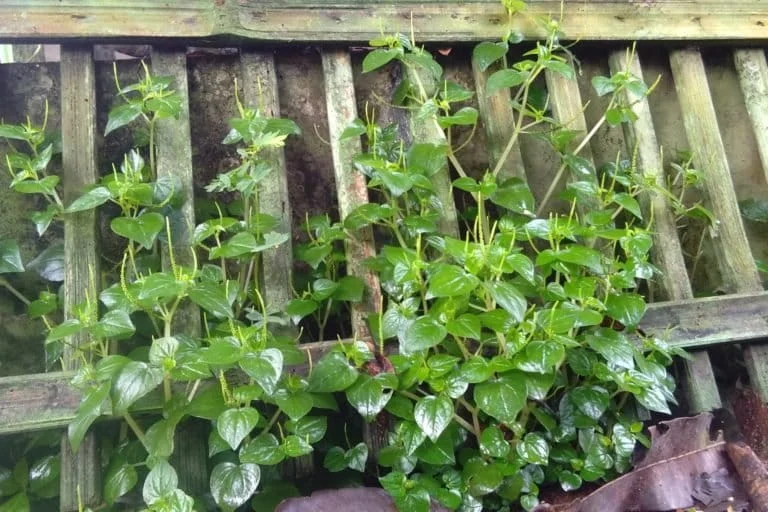
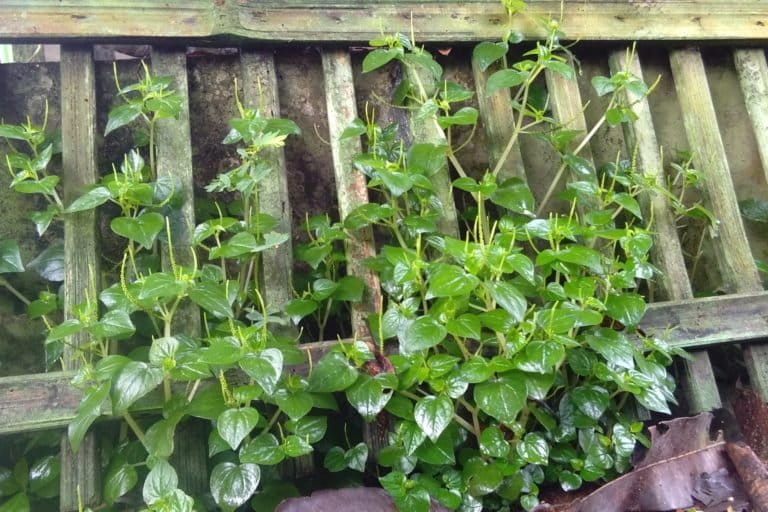
For decades, it has lived a quiet, unnoticed existence in the damp crevices of flower pots, along the edges of drainage ditches, and clinging to the moisture-laden walls of rural and urban homes alike. To the average gardener or commercial farmer, this small, succulent plant with its distinctive transparent stems and heart-shaped leaves is nothing more than a nuisance—a weed to be uprooted and discarded. However, as the global scientific community and the wellness industry pivot toward sustainable, local, and bio-diverse food sources, this humble plant is being rebranded. Known scientifically as Peperomia pellucida, and locally in Indonesia by names such as Sirih Cina, Sirih Bumi, or Ketumpang Air, it is rapidly ascending from the status of a common pest to a candidate for the next generation of global superfoods.
Native to the tropical regions of the Americas, Peperomia pellucida has successfully naturalized across the tropical belt of the world, finding a particularly hospitable environment in the Indonesian archipelago. Its proliferation is most notable during the monsoon seasons, where it thrives in high-humidity environments and shaded areas. Despite its diminutive stature—typically reaching heights of only 15 to 45 centimeters—the plant possesses a biological complexity that belies its simple appearance. Its leaves are fleshy and waxy, resembling a smaller, thicker version of the betel leaf (Sirih), while its stems are remarkably clear, appearing almost like glass or hydrated plastic.
The Phytochemical Foundation: Why Science is Taking Notice
The shift in perception regarding Peperomia pellucida is not merely a matter of culinary trend but is rooted in rigorous phytochemical analysis. According to Septiana Kurniasari, a prominent lecturer in the Department of Pharmacy at the University of Islam Madura, the plant is a reservoir of bioactive compounds. Extensive laboratory screenings have revealed that the plant contains a potent mix of essential oils, flavonoids, saponins, tannins, and triterpenoids. This chemical profile provides a broad spectrum of pharmacological potential, ranging from antibacterial and antiseptic properties to more complex antimicrobial actions.
Kurniasari notes that the specific combination of these compounds allows the plant to effectively inhibit the growth of various pathogens. The presence of flavonoids, for instance, provides significant antioxidant properties, which are essential in neutralizing free radicals and reducing oxidative stress within the human body. Saponins and tannins contribute to the plant’s ability to act as a natural antiseptic, making it a viable traditional remedy for skin infections and wound healing. As the global medical community faces the rising threat of antibiotic resistance, the study of such naturally occurring antimicrobial agents has taken on a new level of urgency.
Bridging Traditional Wisdom and Modern Clinical Research
The use of Peperomia pellucida is not entirely new; it has been a staple of ethnomedicine in various cultures for centuries. In traditional Indonesian medicine, or Jamu, the plant has long been utilized to treat a variety of ailments, including boils (bisul), acne, skin inflammation, headaches, and fevers. It has also been frequently cited as a remedy for kidney-related issues. However, the modern era is seeing these traditional applications validated through clinical observation and more advanced research.
Recent studies have highlighted the plant’s efficacy in managing hyperuricemia, more commonly known as gout. The bioactive compounds in the plant are believed to assist in lowering uric acid levels in the blood, providing a natural alternative to synthetic medications. Furthermore, research into its cardiovascular benefits suggests potential as an anti-hypertensive agent, helping to regulate blood pressure. Perhaps most intriguingly, preliminary studies have begun to explore the plant’s anti-cancer properties, investigating how its specific triterpenoid content might interfere with the proliferation of malignant cells. While these studies are still in developmental phases, the potential for Peperomia pellucida to serve as a base for new pharmaceutical products is significant.
The Economic Revaluation: From Weed to Commodity
The changing narrative surrounding Peperomia pellucida is perhaps most visible in the digital marketplace. What was once free for the taking in any backyard is now a sought-after commodity on major e-commerce platforms. In Indonesia, the market for "Sirih Cina" has seen a dramatic uptick, with dried or fresh plants being sold for prices exceeding Rp75,000 per kilogram. This economic shift is reflective of a broader global trend scheduled to peak between 2025 and 2026, where consumers are increasingly moving away from synthetic supplements in favor of whole-plant, locally sourced herbal remedies.
The commercialization of Peperomia pellucida also highlights a growing interest in "urban foraging" and the "back-to-nature" lifestyle. For many city dwellers, the ability to identify and utilize "wild food" growing in their immediate environment represents a form of food sovereignty and a rejection of hyper-processed industrial food systems. This economic transition is turning a botanical "hama" (pest) into a legitimate cash crop for small-scale foragers and herbalists.
The "Wildfood" Movement and the Loss of Local Knowledge
Nissa Wargadipura, the founder of the Ath Thaariq Ecological Pesantren in Garut, West Java, has been a vocal advocate for the reintegration of Peperomia pellucida into the daily diet. She categorizes the plant as both a "wildfood" and a "superfood," emphasizing its nutritional density and accessibility. Wargadipura argues that the classification of such plants as weeds is a symptom of a deeper cultural issue: the severing of the link between people and their local environment.
"In farming communities, it is often dismissed as a weed because the chain of local knowledge regarding its benefits has been broken," Wargadipura explains. She points out that the plant is entirely edible—from the roots and stems to the leaves and seeds. Its culinary applications are diverse; it can be consumed raw as lalapan (a traditional Indonesian side salad), incorporated into pecel (vegetables with peanut sauce), mixed into savory fritters like bakwan, or dried and steeped as a medicinal tea. By reintroducing these plants into the kitchen, advocates like Wargadipura hope to restore the lost knowledge of previous generations who understood the medicinal value of the "weeds" growing at their feet.
Global Implications and the Future of Functional Foods
The story of Peperomia pellucida is a microcosm of a larger movement within the global food and wellness industry. As the world faces challenges related to climate change and food security, there is an increasing focus on resilient, low-maintenance plants that can provide high nutritional value. Peperomia pellucida requires no pesticides, very little water beyond natural rainfall, and thrives in marginal spaces where traditional crops might fail. This makes it an ideal candidate for sustainable agriculture and a key player in the "functional food" market—foods that offer health benefits beyond basic nutrition.
As we move toward 2025, the integration of such "wild" plants into mainstream health regimens is expected to accelerate. The pharmaceutical industry is likely to continue its "bioprospecting" efforts, seeking to isolate and synthesize the active ingredients found in Peperomia pellucida for use in standardized supplements. However, for the purists and proponents of sustainable living, the true value of the plant lies in its raw, unprocessed form—a gift of nature that costs nothing to grow and offers a wealth of health benefits.
Conclusion: A Reminder in the Backyard
The transformation of Peperomia pellucida from a discarded weed to a celebrated superfood serves as a powerful reminder of the hidden potential within our natural environment. In a world where the search for the next "miracle cure" often leads to expensive, exotic ingredients from far-flung corners of the globe, the Shiny Bush (as it is known in some English-speaking regions) proves that some of the most potent remedies are those that grow right under our noses.
As scientific research continues to catch up with traditional wisdom, the status of Peperomia pellucida is likely to remain on an upward trajectory. Whether it is used as a culinary ingredient to add a fresh, slightly peppery crunch to a salad, or as a medicinal tea to manage chronic conditions like gout and hypertension, this plant is no longer something to be swept away. It is a biological treasure waiting to be harvested, a testament to the fact that in the world of botany, the line between a "weed" and a "wonder drug" is often nothing more than a lack of knowledge. By reclaiming this knowledge, we not only improve our health but also foster a deeper, more sustainable connection to the earth.