Lusiana Hamidun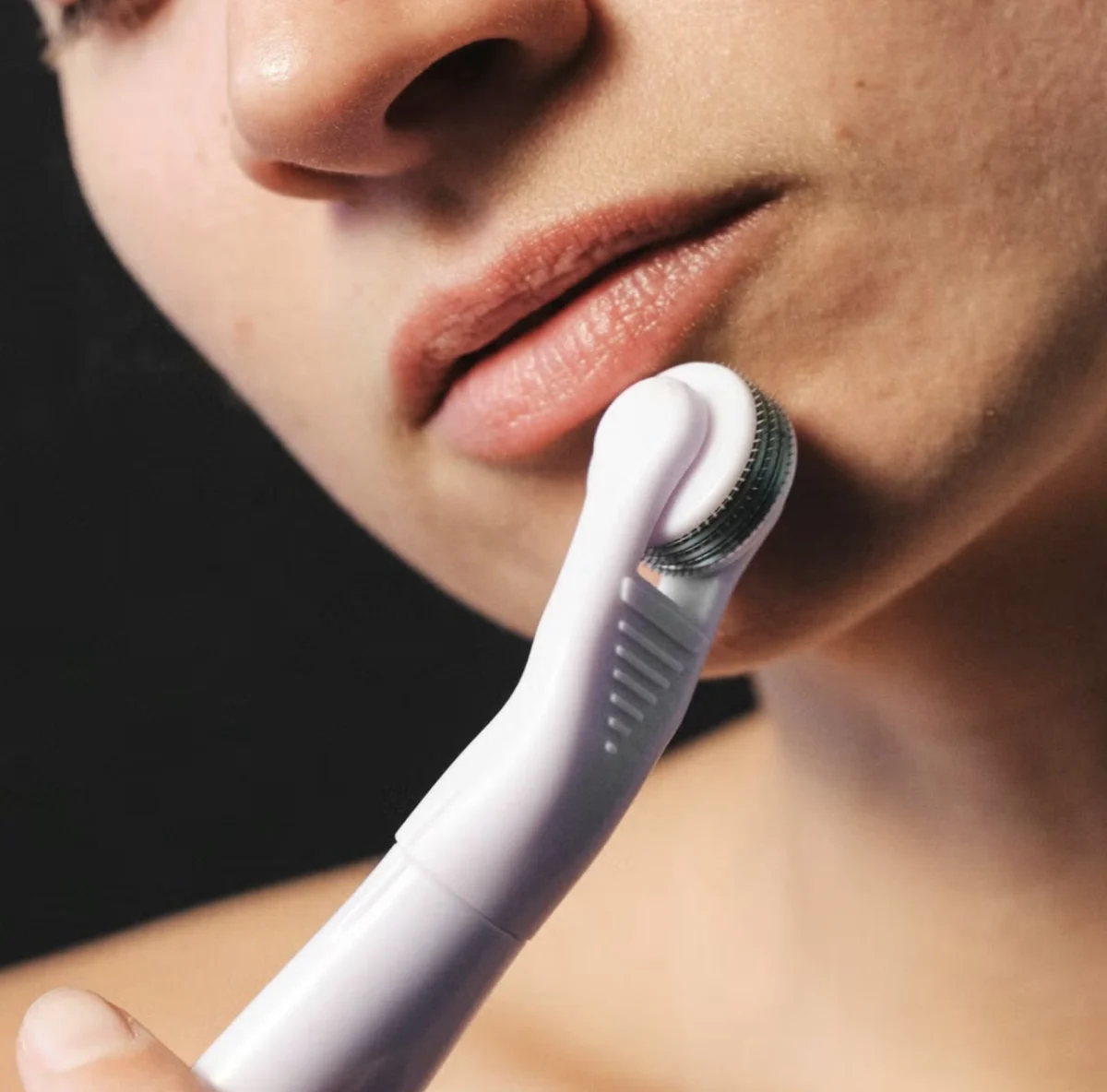
In the ever-evolving landscape of dermatological treatments, microneedling has emerged as a transformative procedure, offering a minimally invasive yet highly effective approach to skin rejuvenation. Unlike traditional methods that involve injecting substances into the skin to fill wrinkles or fine lines, microneedling harnesses the body’s intrinsic healing capabilities. This technique, often referred to as collagen induction therapy, utilizes a device fitted with fine, sterile needles to create controlled micro-injuries on the skin’s surface. These micro-channels, invisible to the naked eye, act as a catalyst, stimulating the skin’s natural repair mechanisms, most notably the production of collagen and elastin.
The growing popularity of microneedling can be attributed to its versatility and efficacy in addressing a wide spectrum of dermatological concerns. From smoothing out fine lines and wrinkles to improving the appearance of acne scars, stretch marks, and enlarged pores, the procedure offers a comprehensive solution for a more youthful and refined complexion. This article delves into the intricacies of microneedling, exploring its scientific underpinnings, diverse benefits, preparatory protocols, the treatment experience, recovery process, expected results, and crucial safety considerations.
Understanding the Mechanism of Microneedling
At its core, microneedling operates on a simple yet profound biological principle: the skin’s innate ability to heal itself. During a microneedling session, a specialized device equipped with an array of ultra-fine, medical-grade needles penetrates the uppermost layers of the skin, creating microscopic perforations. These tiny wounds, though superficial, are significant enough to trigger the body’s wound-healing cascade.
Dr. Sapna Palep, a board-certified dermatologist and co-founder of Journelle Skin, explains, "These needles create small, superficial wounds on the skin to trigger the body’s natural healing response. This healing response stimulates the production of collagen and elastin, which help to firm and smooth skin texture, as well as reduce the appearance of fine lines, wrinkles, and sagging skin." Collagen, a structural protein, is the primary building block of the skin, providing firmness and elasticity. Elastin, another vital protein, allows the skin to stretch and recoil. As we age, the natural production of these proteins declines, leading to the visible signs of aging. Microneedling effectively kickstarts this depleted production process.
The Evolution of Microneedling: From Basic to Advanced
The concept of using needles to stimulate skin healing is not entirely new, with ancient practices exploring similar principles. However, modern microneedling, as we know it today, has been refined and validated by scientific research. The introduction of specialized microneedling devices, such as automated microneedling pens, has further enhanced the precision and safety of the procedure.
A notable advancement in this field is Radiofrequency (RF) microneedling. This sophisticated treatment modality synergistically combines the mechanical stimulation of microneedling with the thermal energy of radiofrequency waves. "RF microneedling, offered by dermatology clinics and licensed practitioners, is highly effective for skin tightening, boosting collagen and elastin production, reducing acne scars and stretch marks, and improving overall skin texture," notes Dr. Palep. The RF energy is delivered deeper into the dermis through the micro-channels created by the needles, further intensifying collagen stimulation and promoting more significant skin tightening and textural improvements.
Key Benefits of Microneedling
The advantages of undergoing microneedling treatments are multifaceted, addressing a wide array of aesthetic concerns.
- Reduction of Fine Lines and Wrinkles: By stimulating collagen and elastin production, microneedling effectively plumps the skin from within, diminishing the visibility of fine lines and wrinkles, particularly those around the eyes and mouth.
- Improvement of Acne Scars: The controlled injury and subsequent healing process can help break down the fibrous bands that contribute to the appearance of depressed acne scars, leading to a smoother and more even skin surface.
- Minimization of Pore Size: While pores cannot technically shrink, microneedling can improve the overall texture and elasticity of the skin surrounding the pores, making them appear smaller and less noticeable.
- Treatment of Hyperpigmentation: Microneedling can help to break down areas of excess pigment, leading to a more uniform skin tone and reducing the appearance of dark spots and melasma. However, this application requires particular caution, especially for individuals with darker skin tones.
- Enhanced Skin Texture: The procedure promotes cellular turnover and rejuvenation, resulting in a smoother, brighter, and more refined skin texture overall.
- Addressing Stretch Marks: Similar to acne scars, microneedling can help remodel the collagen and elastin in areas affected by stretch marks, improving their appearance.
Dr. Tia Paul, a board-certified dermatologist and Chief Medical Officer of Aesthetics at Blusonil, elaborates on the benefits: "Microneedling helps improve the appearance of acne scars, fine lines, pores, and overall skin texture."
The Importance of Professional Execution
A critical aspect of microneedling is the imperative for it to be performed by trained and qualified professionals. The depth of needle penetration, the technique employed, and the understanding of individual skin types are paramount to achieving optimal results and avoiding adverse effects.
"Microneedling is best performed by a board-certified dermatologist who has years of experience and is skilled in performing the procedure," advises Dr. Palep. The regulatory landscape surrounding who can perform microneedling varies by region, making it essential to verify local guidelines. Dr. Paul emphasizes, "Regardless of the practitioner, it’s important to choose someone who understands your skin condition. Depth and technique are crucial, especially for patients with darker skin tones who are prone to hyperpigmentation." Improper technique or excessive needle depth can lead to complications such as infection, scarring, or post-inflammatory hyperpigmentation.
Preparing for Your Microneedling Session
Adequate preparation is key to ensuring a safe and effective microneedling treatment. Patients are typically advised to make minor adjustments to their skincare routines in the days and weeks leading up to their appointment.
"A week before the treatment, you should stop using topical retinoids or over-the-counter retinol. Also, discontinue the use of acid products and physical exfoliants," recommends Dr. Palep. Maintaining optimal skin hydration and robust sun protection in the period leading up to the treatment is also crucial. "Microneedling cannot be performed on sunburned skin, as it will be too harsh."
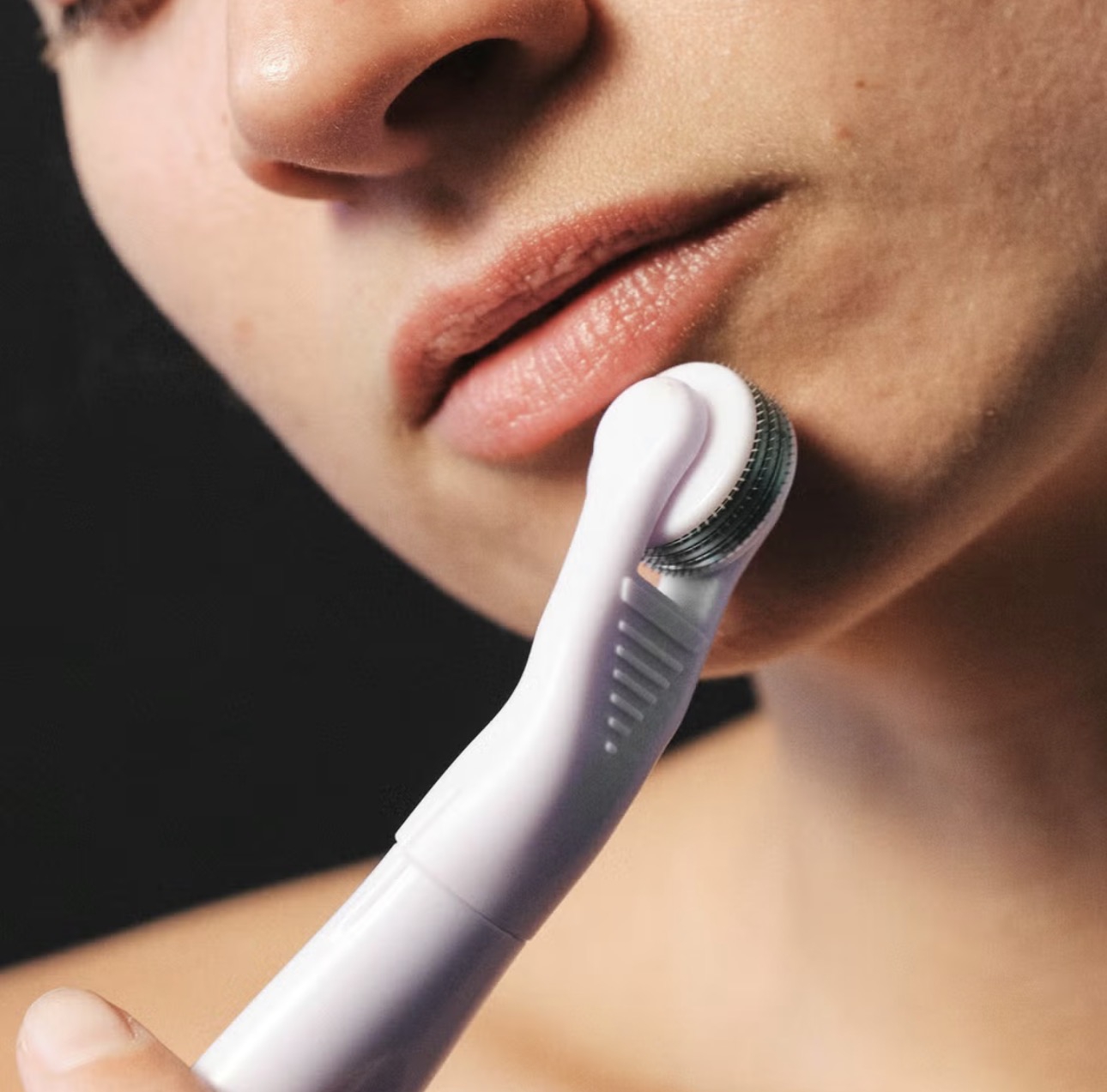
Furthermore, patients are generally advised to avoid hair removal methods like waxing or sugaring for a few days prior to their appointment. On the day of the procedure, it is standard practice to arrive with a clean face, free from any makeup, sunscreen, or other skincare products.
The Microneedling Procedure: What to Expect and Sensation
The microneedling procedure itself is designed to be as comfortable as possible, with practitioners employing various strategies to minimize any discomfort.
"At the beginning of the session, I will re-explain the procedure to the patient and ensure we are aligned on the desired goals," states Dr. Palep. "We will apply a topical anesthetic cream or ointment to reduce any discomfort from the needles." During the treatment, patients typically do not experience significant pain. "You will feel a vibration and light pressure, not pain," clarifies Dr. Paul. The entire session usually takes no more than 30 minutes, depending on the area being treated. The practitioner will meticulously glide the microneedling device over the skin, ensuring consistent coverage and appropriate needle depth.
Post-Treatment Recovery: A Gentle Process
The recovery period following microneedling is generally mild and short-lived. Immediately after the procedure, the skin may appear red and exhibit temporary pinprick marks.
"Immediately after microneedling, the skin may be red, and you might see needle marks," says Dr. Palep. However, these effects typically subside within a few days. "It takes two to five days to recover from redness and potential peeling," notes Dr. Paul. During this phase, patients are advised to use gentle skincare products and avoid active ingredients. Diligent application of sunscreen and sun protection is paramount, as the skin will be more sensitive to UV radiation.
Many patients opt to schedule their microneedling treatments when they can go directly home, as the skin may feel sensitive and tight post-procedure. "Although minimally invasive, most patients schedule treatments when they can go straight home because the skin might feel sensitive and tight," adds Dr. Palep.
Timeline for Visible Results
The results of microneedling are often noticeable relatively quickly, but a series of treatments is usually recommended for more significant and lasting improvements.
"Most patients see improvement after one to two sessions, but a series of three to four treatments spaced four to six weeks apart will provide more significant results," explains Dr. Paul. Dr. Palep suggests six to eight sessions for optimal outcomes, while emphasizing that "this is highly dependent on the individual patient’s skin condition and goals." The collagen-building process is a gradual one, and consistent treatments allow for progressive enhancement of skin quality. It is important to manage expectations, as dramatic changes may not be apparent after a single session.
Potential Risks and Side Effects
While microneedling is considered a safe procedure when performed by a qualified professional, like any dermatological intervention, there are potential risks and side effects.
"Temporary redness, swelling, and sensitivity are the most common," states Dr. Paul. The increased sensitivity of the skin to sunlight post-treatment underscores the critical importance of sun protection. "The skin must always be protected from the sun, especially after this treatment, as it becomes more susceptible to UV damage," explains Dr. Palep. In rare instances, bruising can occur.
The most significant risks are associated with improper execution. "An improper setting or poor technique can lead to infection, scarring, or hyperpigmentation, especially on colored skin," warns Dr. Paul. This reinforces the admonition against attempting microneedling at home. "There is a risk of using too much pressure, which can lead to larger wounds and scarring," says Dr. Palep. "If at-home microneedling devices are not properly sterilized, you risk introducing bacteria into the skin, which can cause acne or infection." Therefore, entrusting this procedure to experienced professionals is not merely a recommendation but a crucial safety imperative.
The Broader Impact and Future of Microneedling
The widespread adoption of microneedling signifies a shift towards treatments that leverage the body’s natural regenerative capabilities. This minimally invasive approach appeals to a growing demographic seeking effective anti-aging and skin improvement solutions without the downtime or risks associated with more aggressive procedures. The integration of technologies like radiofrequency further expands its therapeutic potential, offering a robust toolkit for dermatologists to address complex skin concerns.
As research continues and technology advances, we can anticipate further refinements in microneedling techniques and devices. The focus on personalized treatment plans, tailored to individual skin types and concerns, will remain paramount. The long-term implications of widespread microneedling use include not only enhanced aesthetic outcomes but also a greater public understanding of the skin’s remarkable capacity for self-renewal and the importance of professional dermatological care. The affordability and accessibility of microneedling compared to some surgical interventions also make it a compelling option for a broader segment of the population seeking to improve their skin health and appearance. The future of microneedling appears bright, promising continued innovation and remarkable results for those looking to achieve a healthier, more radiant complexion.