Lusiana Hamidun
In an era saturated with constant digital noise and fleeting distractions, finding a narrative that truly captures and holds our complete focus can feel like an increasingly elusive quest. The relentless influx of emails, the incessant ping of smartphone notifications, and the ever-present hum of daily life often create a formidable barrier against deep immersion in any single story. Yet, amidst this cacophony, a select few literary works possess the power to command absolute attention from the very first page. These are the psychological thrillers that not only deliver rapid-fire plots and shocking twists but also delve profoundly into the labyrinthine corridors of the human mind, unearthing the primal drives behind our darkest desires while meticulously building a crescendo of suspense towards an inevitable climax.
Harper’s Bazaar, in its commitment to curating exceptional literary experiences, has meticulously selected a collection of nine novels that promise to linger long after the final chapter is closed. These are books that demand a sacrifice of sleep, as their gripping narratives make them virtually impossible to put down. This curated list offers a deep dive into the unsettling, the complex, and the utterly captivating, providing readers with an opportunity to confront the darker facets of human nature from the safety of their armchair.
Exploring the Darker Corners of the Mind: A Curated Selection of Psychological Thrillers
1. My Husband by Maud Ventura
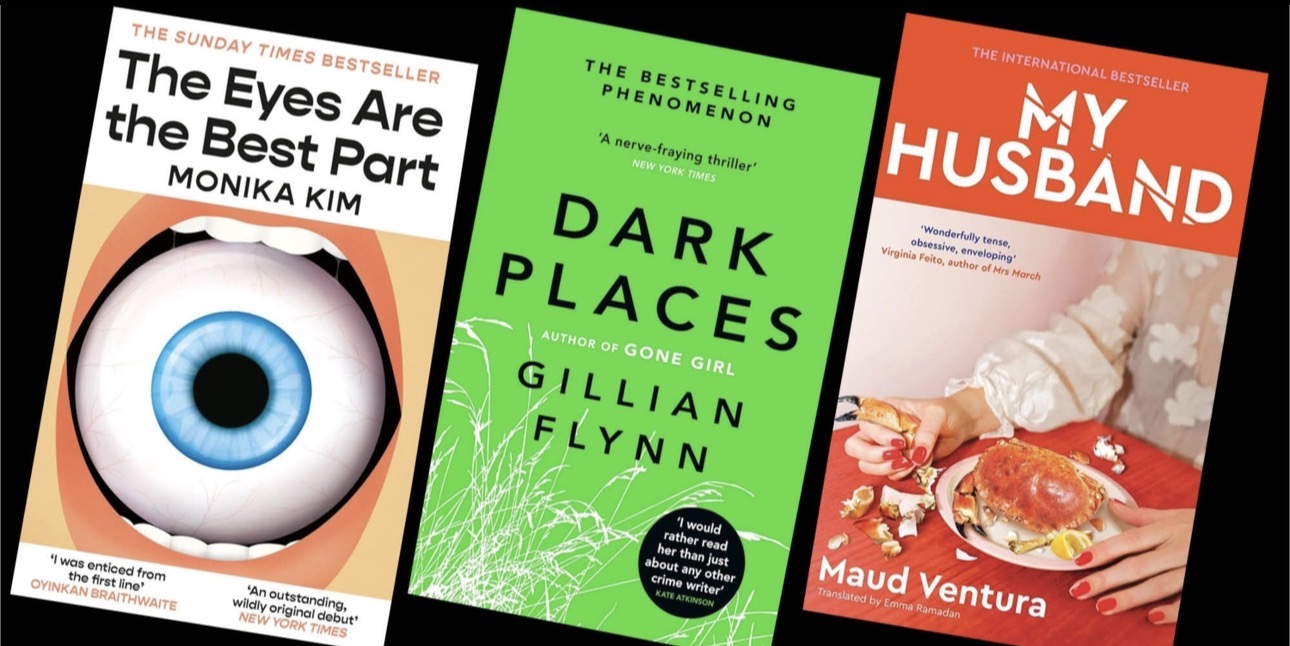
Maud Ventura’s debut novel, My Husband, is a darkly humorous and incisive exploration of obsession and marital disarray. The narrative centers on an unnamed French woman whose devotion to her husband borders on the pathological. While their life initially appears idyllic—marked by financial stability, two children, and a coveted home—the story meticulously chronicles the disintegration of their seemingly perfect existence over the course of a single week. The protagonist’s love morphs into something increasingly possessive and volatile, fueled by her perception of her husband’s minor transgressions.
The catalyst for this descent appears to be a perceived slight at a dinner party. Following this incident, the protagonist begins a meticulous, almost clinical, cataloging of her husband’s perceived faults, meting out punishments that escalate in extremity. Simultaneously, her grip on reality begins to fray as she becomes convinced of her husband’s insufficient love. As each day unfolds, the novel escalates into an almost unbearable emotional conflagration, compressing the reader’s experience within the increasingly claustrophobic confines of the protagonist’s unraveling psyche.
Translated into English by Emma Ramadan, My Husband garnered critical acclaim, including the prestigious Prix du Premier Roman, for its sharp observations on insecurity, possessiveness, and the consuming nature of obsession. Ventura’s subsequent work, Make Me Famous, continues to tread similar thematic ground, examining the mental landscape of a musician consumed by a fervent desire for self-recognition. The success of My Husband underscores a growing reader appetite for narratives that scrutinize the foundations of relationships and the psychological toll of unchecked emotions.
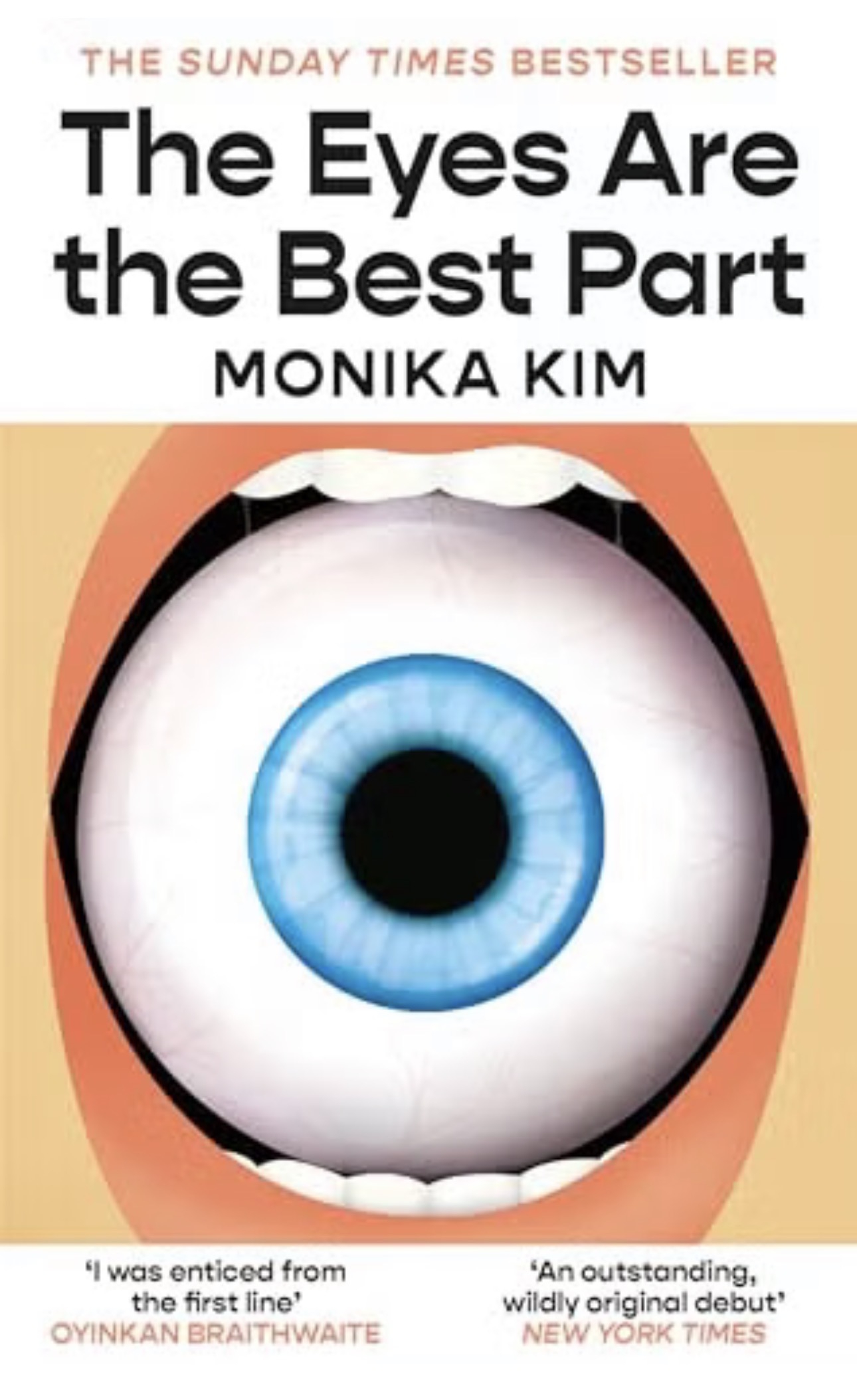
2. The Eyes Are The Best Part by Monika Kim

Monika Kim’s The Eyes Are The Best Part ventures into the unsettling territory of psychological horror, delving into themes of fetishization and feminism through the lens of Ji-won, a Korean-American university student. Her life is irrevocably shattered when her father abandons the family for another woman. As her mother succumbs to a debilitating depression and her younger sister retreats into herself, Ji-won grapples with deteriorating academic performance and a gnawing loneliness that festers into repressed anger.
The situation deteriorates further with her mother’s relationship with George, an older white man whose condescending demeanor, particularly towards Asian women, becomes a source of profound unease. George exhibits an unhealthy fascination with both Ji-won and her sister. As Ji-won’s mental state deteriorates, she begins to harbor violent fantasies directed at George, becoming particularly fixated on his striking blue eyes. These intrusive thoughts gradually morph into increasingly brutal impulses, as Ji-won desperately attempts to reclaim agency over a life that has left her feeling utterly powerless. The novel’s exploration of internalized trauma and the violent manifestation of suppressed rage offers a potent, albeit disturbing, commentary on patriarchal structures and the objectification of women.
3. The Birthday Party by Laurent Mauvignier
Set in a remote French village, Laurent Mauvignier’s The Birthday Party chronicles the preparations for Patrice Bergogne’s wife Marion’s 40th birthday celebration. However, as the day progresses, the tranquil facade of village life begins to crumble. The arrival of threatening letters and unfamiliar vehicles signals an impending disruption. As night falls, uninvited guests converge on the small community, precipitating a cascade of deeply disturbing events.
Mauvignier’s writing style, characterized by its expansive, poetic prose reminiscent of Proust, masterfully constructs an almost unbearable tension. Past memories resurface to haunt the present, and long-simmering conflicts erupt with devastating force. This slow-burn thriller, described as profoundly unsettling, was a notable inclusion on the International Booker Prize 2023 longlist, highlighting its literary merit and its capacity to create a pervasive sense of dread. The novel’s deliberate pacing and atmospheric construction draw readers into a world where unspoken histories and present anxieties collide.
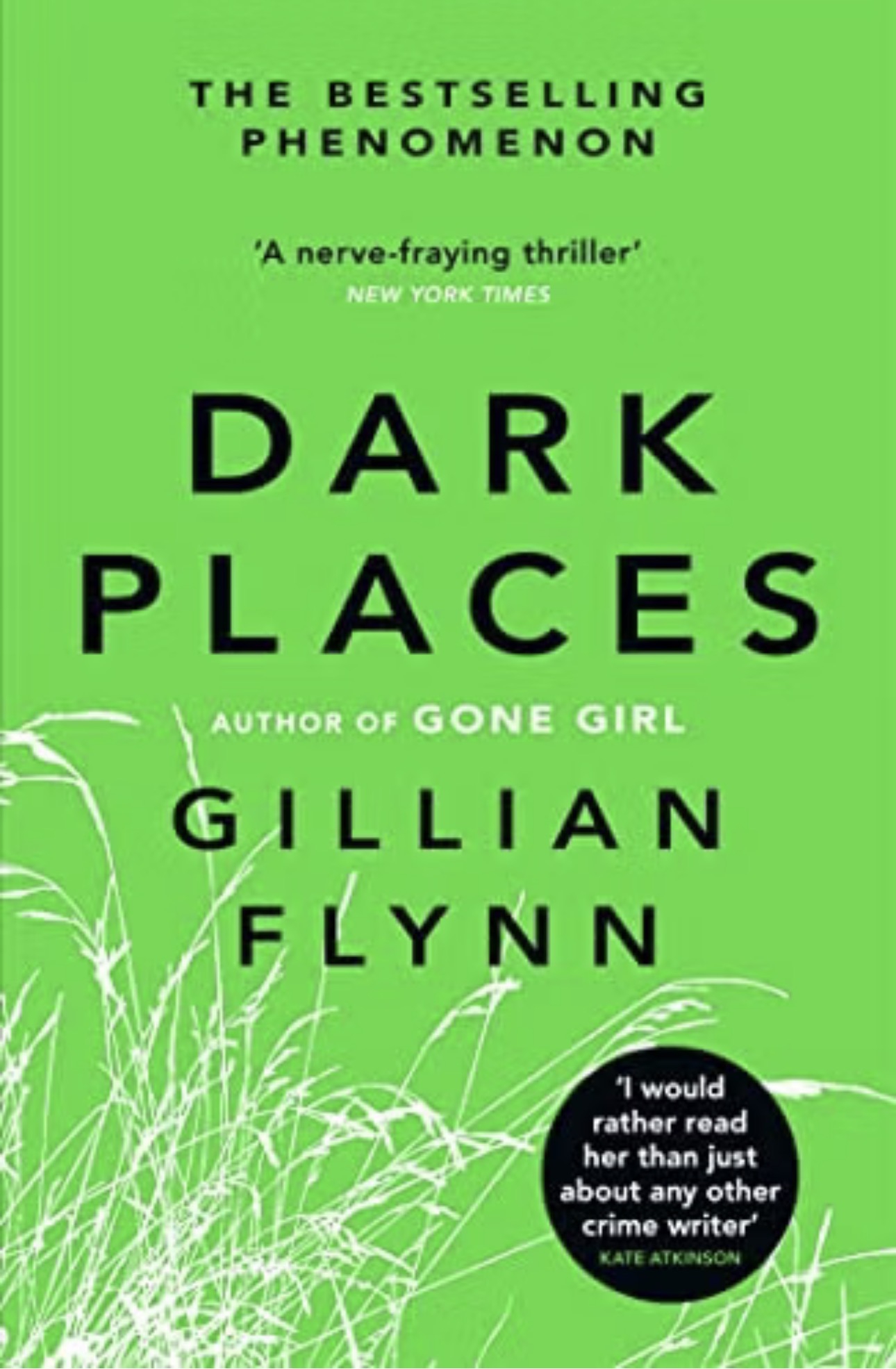
4. Dark Places by Gillian Flynn
While Gillian Flynn is widely celebrated for Gone Girl, her earlier novel, Dark Places, offers a compelling and often underestimated exploration of the cultural impact of true crime narratives. The story follows Libby Day, the sole survivor of a brutal massacre that occurred when she was just seven years old. Her mother and two sisters were murdered in their small Kansas town, and Libby’s testimony ultimately convicted her older brother, Ben, as the perpetrator.
The case became a national obsession, fueling the “Satanic Panic” of the era, and Libby continued to receive donations for 25 years. However, a true-crime enthusiast group known as the “Kill Club” begins to question Ben’s guilt. They offer to pay Libby to reinvestigate the events of that fateful night. Dark Places expertly navigates between Libby’s present-day investigation, Ben’s past experiences, and their mother’s perspective, weaving a complex tapestry of tragedy, poverty, and the extreme measures individuals will take to survive. This novel is arguably even darker than Gone Girl, yet equally engrossing in its dissection of fractured families and the persistent shadows of trauma.

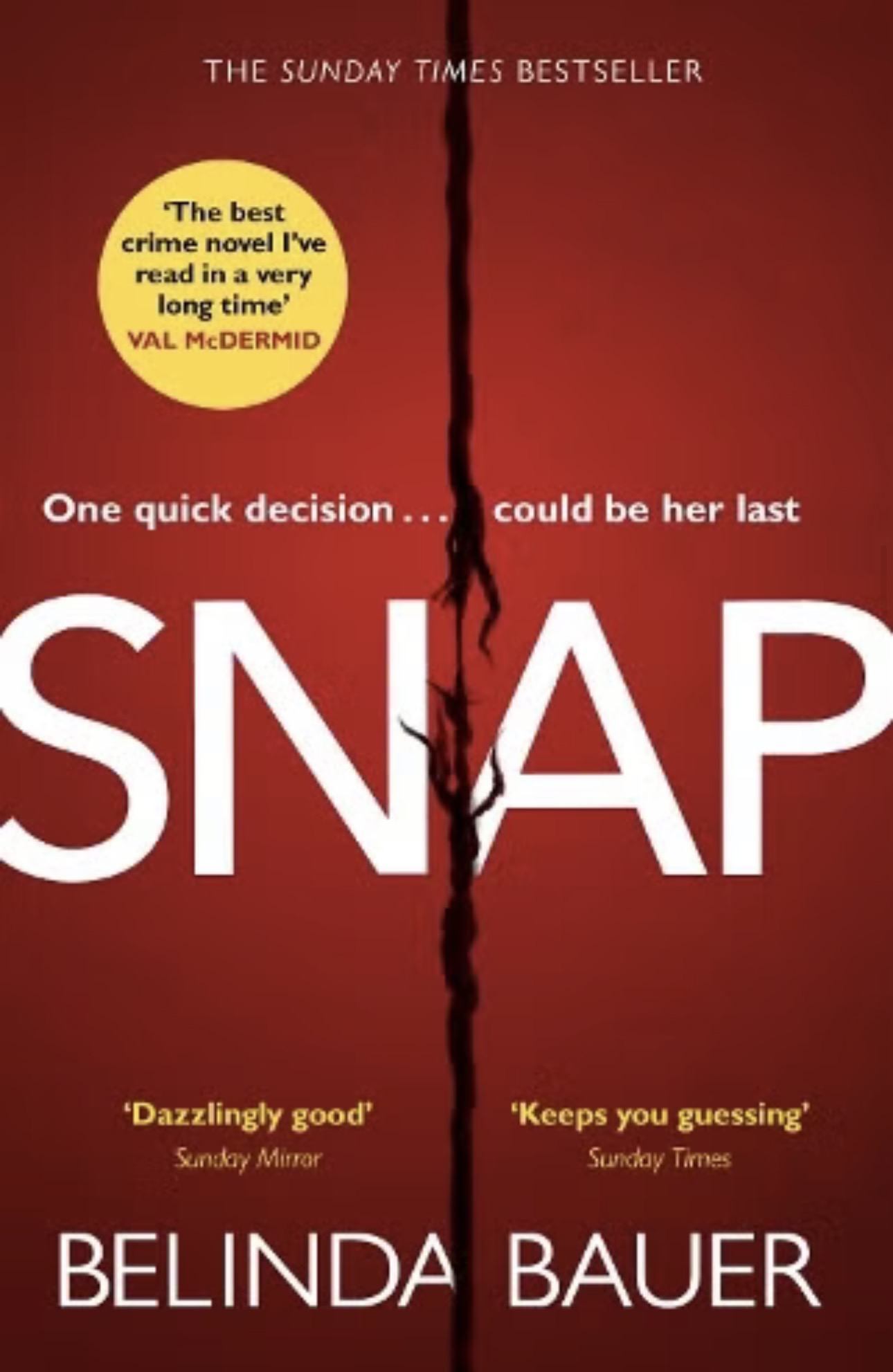
5. Snap by Belinda Bauer
Belinda Bauer’s Snap delivers a brutally impactful opening, inspired by true events. Eleven-year-old Jack is left by his mother to guard his two younger sisters in their broken-down car on the side of a highway on a sweltering day. His mother promises a quick return, but she never comes back. Days later, her brutally murdered body is discovered. For the next three years, the family is consumed by the tragedy. Their father, unable to cope with his grief, leaves Jack and his sisters to fend for themselves. In a desperate bid for survival, Jack begins breaking into empty houses, only to discover a knife that appears to be linked to his mother’s death.
Meanwhile, another woman finds herself terrorized after discovering a knife and a threatening note beside her bed. As Detective John Marvel begins to investigate a series of peculiar occurrences, these two narrative threads converge in unexpected and chilling ways. Despite its harrowing subject matter, Bauer imbues Snap with remarkable sensitivity and lyrical beauty, exploring grief, the struggle for survival, and the resilience of children facing despair. The novel earned a place on the Booker Prize 2018 longlist and was awarded Crime & Thriller Book of the Year in the same year, a testament to its compelling narrative and thematic depth.
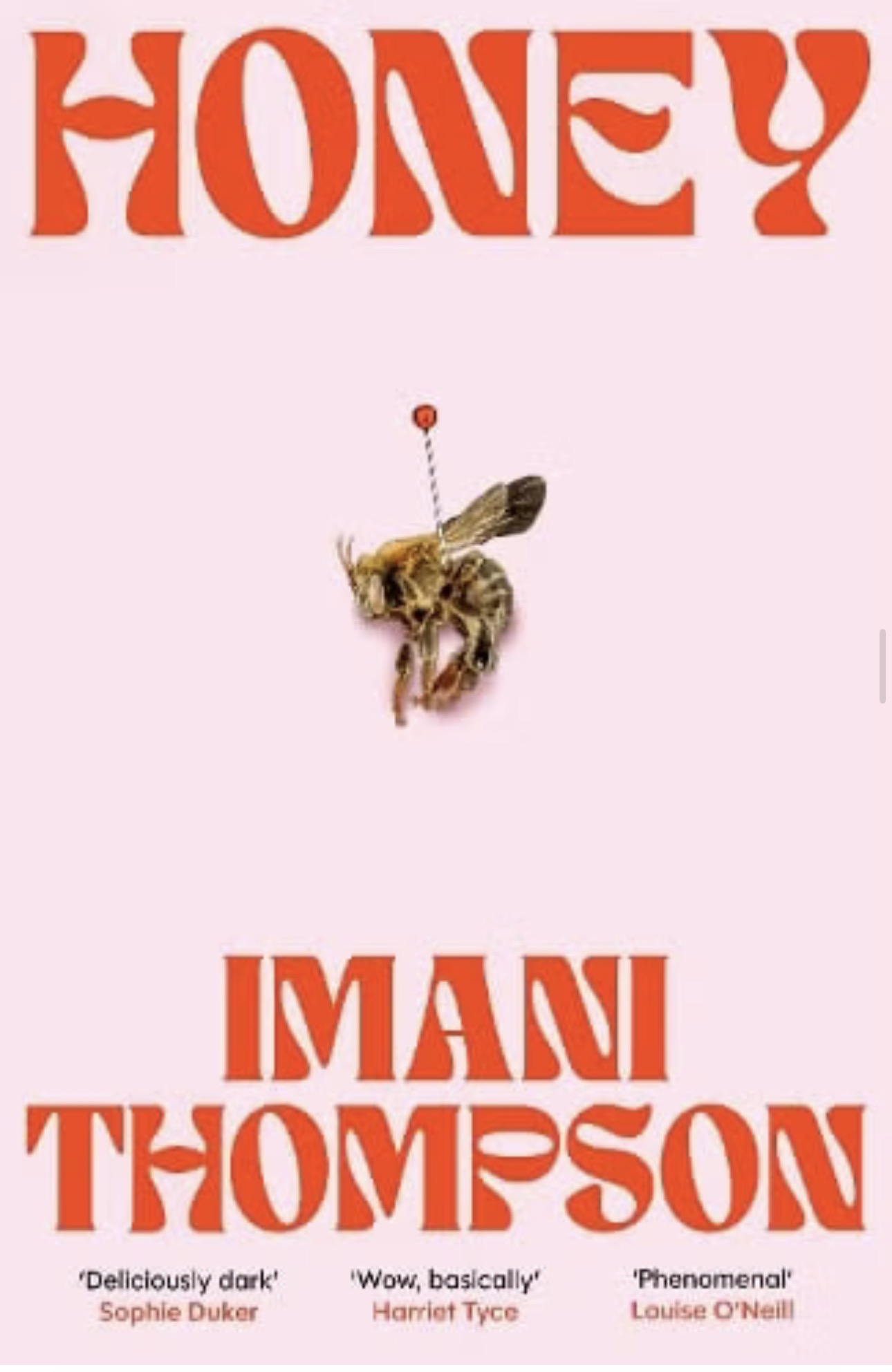
6. Honey by Imani Thompson
Imani Thompson’s explosive and brilliant debut, a graduate of Cambridge University, introduces Yrsa, a PhD student increasingly frustrated by the pervasive microaggressions and casual sexism she endures from her predominantly male academic peers. She also feels her work is constantly being appropriated. The situation escalates dramatically when Yrsa’s best friend is manipulated into a predatory relationship by their own professor. A series of events then leads Yrsa to indirectly cause the academic’s death. However, instead of experiencing remorse, Yrsa rationalizes her actions as a matter of morality and embarks on a campaign of retribution against other misogynistic men.
Thompson masterfully captures the raw, unbridled fury of feminist rage, while also exploring themes of race and vengeance through sharp, dark humor. Honey is a provocative and deeply disturbing read, with Yrsa consistently challenging the reader to comprehend her morally ambiguous logic. The novel’s exploration of power dynamics within academic institutions and the extreme consequences of systemic misogyny has resonated with a significant audience seeking challenging and thought-provoking fiction.
7. The Secret History by Donna Tartt
Widely credited with establishing the “dark academia” genre, Donna Tartt’s The Secret History follows a group of elite classics students at Hampden College in New England. Under the charismatic tutelage of Professor Julian Morrow, the clique—consisting of Henry, Bunny, Francis, Charles, Camilla, and Richard—becomes deeply engrossed in esoteric philosophical discussions, forging an intense, almost cult-like bond. They begin to believe they can transcend ordinary life in pursuit of pure hedonism.
What sets The Secret History apart is its unconventional narrative structure. Unlike typical thrillers, readers are informed from the outset that Bunny is murdered by his peers. Tartt ingeniously transforms the traditional “whodunnit” into a “why-dunnit,” with the suspense deriving from the reasons behind the group’s descent into such a horrific act. Ultimately, the novel serves as a profound reflection on the perils of allowing aesthetics to eclipse morality, a theme that continues to resonate in contemporary discussions about influence and consequence. The novel’s enduring popularity speaks to its timeless exploration of intellectualism, elitism, and the dark side of human nature.
8. We Need to Talk About Kevin by Lionel Shriver
Lionel Shriver’s We Need to Talk About Kevin delves into the life of Eva Khatchadourian as she attempts to comprehend her existence before and after her son, Kevin, commits a horrific school shooting using a crossbow. The narrative unfolds through a series of letters addressed to her estranged husband, Franklin. Eva recounts Kevin’s complex childhood, recalling her own emotional detachment and her perceived lack of maternal connection. Kevin’s behavior gradually erodes their marriage, as Franklin dismisses his son’s actions as merely difficult rather than dangerous.
As Kevin matures, Eva witnesses his behavior become increasingly cruel and disturbing. Following the tragic shooting, Eva is consumed by the question of her own culpability, her enduring maternal obligations, and the intense societal condemnation she faces. While the 2011 film adaptation featured a remarkable portrayal of Eva by Tilda Swinton, Shriver’s novel offers a far more nuanced and intricate exploration of motherhood, the enduring “nature versus nurture” debate, and the devastating weight of shame and guilt. The novel’s deep dive into the psychological ramifications of a child’s violent acts and the societal implications of such tragedies continues to spark considerable debate and analysis.
9. Boy Parts by Eliza Clark
Eliza Clark’s bold debut, Boy Parts, has firmly established her as a significant voice in psychological thrillers. Often compared to Bret Easton Ellis’s American Psycho, such comparisons, while highlighting a shared thematic territory, arguably overlook Clark’s distinct originality and her uniquely unsettling narrative style.
Boy Parts centers on Irina, a photographer who preys on young men, using them as subjects for her art. She manipulates, exploits, and ultimately abuses them to create her work. As her obsessions intensify and her mental state deteriorates, Irina’s dark desires begin to blur the lines between reality and fantasy. Beyond exploring the ethics of art, Boy Parts delves into issues of social class, wealth, misogyny, and voyeurism. The novel achieved cult status upon its release in 2020. Clark’s follow-up novel, Penance, continues to offer a similarly disturbing and compelling reading experience. The novel’s visceral depiction of psychological disintegration and its unflinching gaze at the darker aspects of human behavior have cemented its place as a modern cult classic.
These nine novels represent a compelling cross-section of the psychological thriller genre, each offering a unique lens through which to examine the complexities of the human psyche. They challenge readers, provoke thought, and, most importantly, deliver the kind of immersive storytelling that cuts through the noise of modern life, leaving a lasting imprint on the reader’s consciousness.