Nila Kartika Wati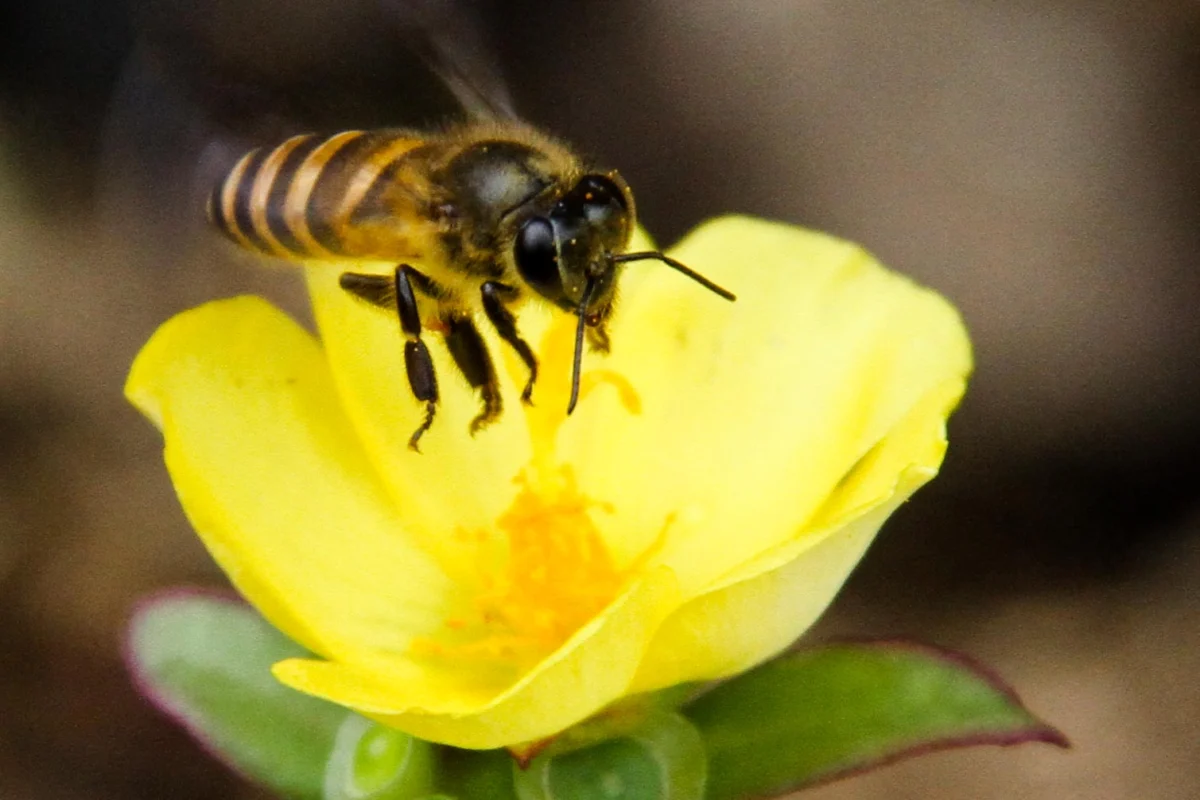
The intersection of ancient traditional medicine and cutting-edge molecular biology has recently unveiled a potential revolution in oncology, specifically regarding the treatment of aggressive breast cancer. While the sting of a honeybee (Apis mellifera) is typically regarded as a painful nuisance or a localized irritant, scientific inquiry has pivoted toward the therapeutic potential of its primary component: melittin. For decades, bee venom therapy, or apipunktur, has been utilized in traditional circles to manage inflammatory conditions such as rheumatoid arthritis and chronic joint pain. However, recent peer-reviewed research, bolstered by advancements in nanotechnology, suggests that this natural toxin may hold the key to neutralizing some of the most treatment-resistant forms of breast cancer, including triple-negative and HER2-enriched subtypes.
The trajectory of this modern scientific journey gained significant momentum in 2020, following a landmark study conducted by researchers at the Harry Perkins Institute of Medical Research and the University of Western Australia. Led by Dr. Ciara Duffy, the research team demonstrated that a specific concentration of honeybee venom could induce 100 percent cancer cell death within just 60 minutes, while leaving healthy cells largely unaffected. This discovery has since sparked a global effort to refine the delivery of this potent toxin, moving it from the realm of laboratory observation toward viable clinical application through the use of nanostructures.
The Molecular Mechanism: How Melittin Neutralizes Cancer
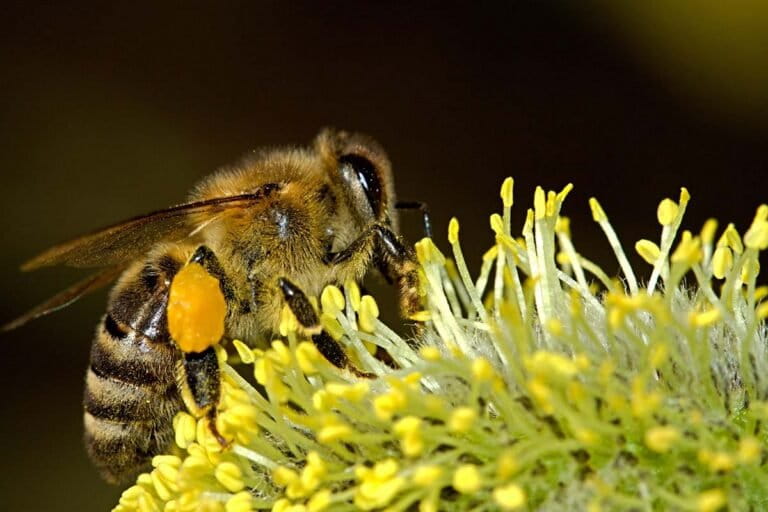
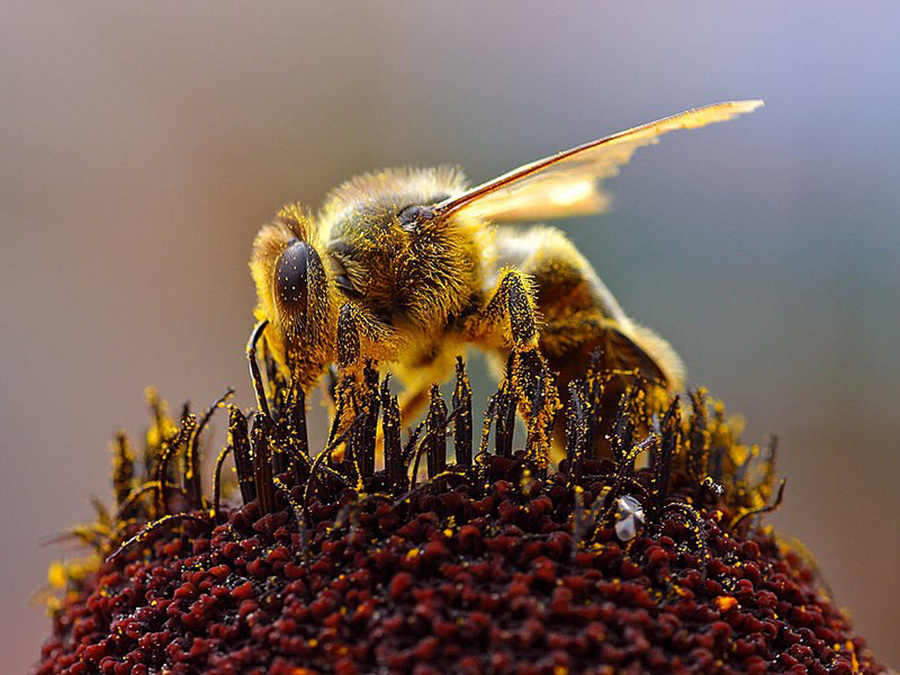
To understand the magnitude of this breakthrough, one must examine the molecular behavior of melittin, a small peptide that constitutes approximately 50 percent of honeybee venom by dry weight. Melittin is a positively charged, amphipathic peptide, meaning it possesses both water-attracting and water-repelling properties. This unique structure allows it to integrate itself into the phospholipid bilayers of cell membranes.
According to the findings published in Nature Precision Oncology, the primary action of melittin is the rapid physical disruption of the cancer cell membrane. Within 60 minutes of exposure, the peptide creates "pores" or holes in the protective outer layer of the cell, leading to the leakage of vital cellular contents and the eventual collapse of the cell. Beyond this physical destruction, melittin exhibits a more sophisticated secondary function: the interruption of chemical signaling.
Dr. Ciara Duffy’s research highlighted that within 20 minutes of application, melittin significantly curtails the production of chemical messages that cancer cells rely on to grow and replicate. Specifically, it suppresses the activation of growth factor receptors, such as the Human Epidermal Growth Factor Receptor 2 (HER2) and the Epidermal Growth Factor Receptor (EGFR). In aggressive cancers like triple-negative breast cancer (TNBC), which lacks the three most common receptors targeted by standard hormone therapies, this ability to "shut down" growth signals is a critical development. By blocking these pathways, the venom essentially strips the cancer cell of its instructions to divide, forcing it into a state of stagnation before total cell death occurs.
The Challenge of Systemic Toxicity and Half-Life
Despite the remarkable efficacy of honeybee venom in a controlled laboratory setting (in vitro), the transition to human treatment (in vivo) presents formidable obstacles. The very potency that makes melittin effective against cancer cells also poses a threat to the patient’s overall health. If injected directly into the bloodstream in high concentrations, melittin can cause hemolysis—the destruction of red blood cells—and trigger severe systemic allergic reactions, including anaphylaxis.
Furthermore, melittin possesses a very short half-life when introduced to the human circulatory system. Proteases and other enzymes in the blood quickly degrade the peptide before it can reach the site of a solid tumor. Consequently, the challenge for modern medicine is not simply proving that bee venom kills cancer, but rather developing a "delivery vehicle" that can transport the toxin safely through the body to its intended target without harming the host.
Nanotechnology as the "Trojan Horse" for Cancer Therapy
In response to these physiological hurdles, researchers are increasingly turning to nanotechnology. A significant review published in the journal Nano TransMed, titled "Harnessing honey bee venom for breast cancer treatment: From molecular insights to nano formulations," outlines how engineered nanoparticles can act as protective shields for melittin.
By encapsulating the venom in materials such as liposomes, micelles, or polymer nanoparticles, scientists can create a "targeted missile" system. These nano-formulations offer several distinct advantages:
- Biocompatibility and Protection: Liposomes, which are essentially microscopic spheres made of fat, can house the melittin peptide, protecting it from being degraded by enzymes in the blood. This extends the window of time the drug remains active in the body.
- Targeted Delivery: The surface of these nanoparticles can be engineered with ligands—molecules that specifically bind to receptors found only on the surface of cancer cells. This ensures that the melittin is released only when the nanoparticle attaches to a tumor, sparing healthy tissue and red blood cells from damage.
- Controlled Release: Polymer-based nanogels allow for a slow, sustained release of the toxin. This prevents the "spike" in toxicity that would occur with a direct injection, keeping the concentration of the drug within the therapeutic window—high enough to kill the tumor, but low enough to be tolerated by the patient.
Hemapriya Thirugnanam, a leading researcher in the field of nano-formulations, emphasizes that these strategies are essential for overcoming the limitations of traditional bee venom therapy. By utilizing material science, the medical community can transform a volatile natural poison into a precise pharmacological tool.
A Two-Decade Global Research Perspective
The surge in interest regarding bee venom therapy (BVT) is reflected in the global research output over the last twenty years. A bibliometric analysis conducted by researchers in China, published in the journal Medicine, tracked the evolution of this field from 2004 to 2024. The data revealed a total of 493 significant studies related to the therapeutic use of bee venom, with a notable shift in focus during the last decade.
Historically, the majority of research into bee venom focused on its anti-inflammatory properties for the management of arthritis and chronic pain. However, since 2013, there has been a steady increase in publications exploring its applications in oncology and neurology, particularly for Parkinson’s disease. South Korea currently leads the world in the volume of research produced on this topic, followed closely by China and the United States. This geographical distribution suggests a strong synergy between nations with a history of traditional medicine and those with advanced biotechnological infrastructure.
Interestingly, while the number of articles per year rose from an average of five in the early 2000s to thirty by the mid-2010s, there was a slight decline in publication volume between 2021 and 2024. Analysts suggest this may indicate a transition phase where researchers are moving away from general observation and toward more complex, rigorous clinical trial preparations, which require longer durations and more substantial funding.
Broader Implications and the Path to Clinical Adoption
The potential impact of honeybee venom-based therapy is immense, particularly for the global burden of breast cancer. According to the World Health Organization (WHO), breast cancer is the most common cancer among women worldwide, claiming hundreds of thousands of lives annually. Triple-negative breast cancer, which accounts for 10-15% of all cases, is notoriously difficult to treat because it does not respond to hormonal therapies. If melittin-based nano-drugs can be standardized, they would offer a lifeline to patients who currently have limited options beyond aggressive chemotherapy.
However, the scientific community remains cautious. Before bee venom can become a standardized clinical treatment, it must undergo large-scale, multi-phase human clinical trials. These trials are necessary to determine the exact dosage required for different stages of cancer and to monitor for long-term side effects that may not be apparent in laboratory models.
Furthermore, the environmental aspect cannot be ignored. The reliance on honeybee venom underscores the importance of bee conservation. As global bee populations face threats from pesticides, habitat loss, and climate change, the loss of these insects would not only jeopardize global food security through reduced pollination but also eliminate a biological goldmine for future medical discoveries.
Conclusion: A New Era of Precision Oncology
The transformation of honeybee venom from a folk remedy to a candidate for precision oncology represents the best of modern scientific inquiry. By combining the natural potency of melittin with the precision of nanotechnology, researchers are carving out a new path in the fight against aggressive breast cancer.
The goal for the next decade is clear: to bridge the gap between the petri dish and the patient. Through rigorous clinical testing and the continued development of nano-delivery systems, the medical world hopes to harness the sting of the honeybee to save lives, proving that even the smallest creatures in nature can provide the most powerful solutions to humanity’s greatest challenges. Future research must prioritize the explanation of precise molecular mechanisms and promote bee venom therapy as a complementary, standardized treatment that contributes to innovative strategies in global cancer care.