Nila Kartika Wati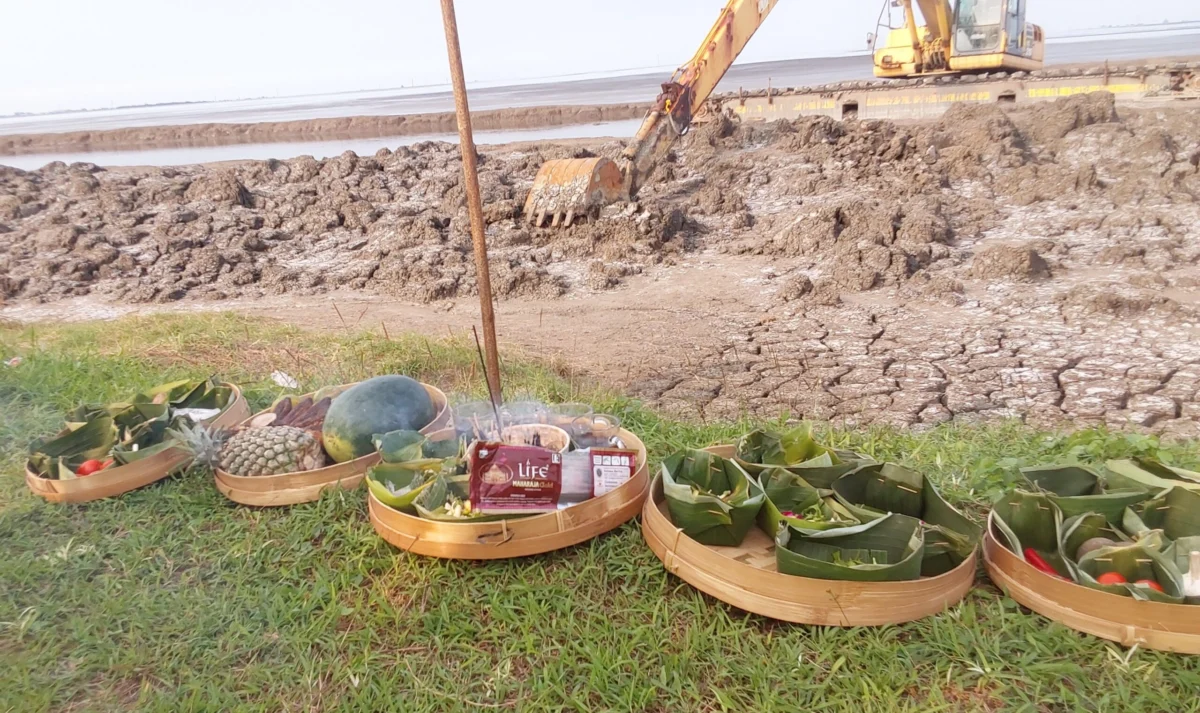
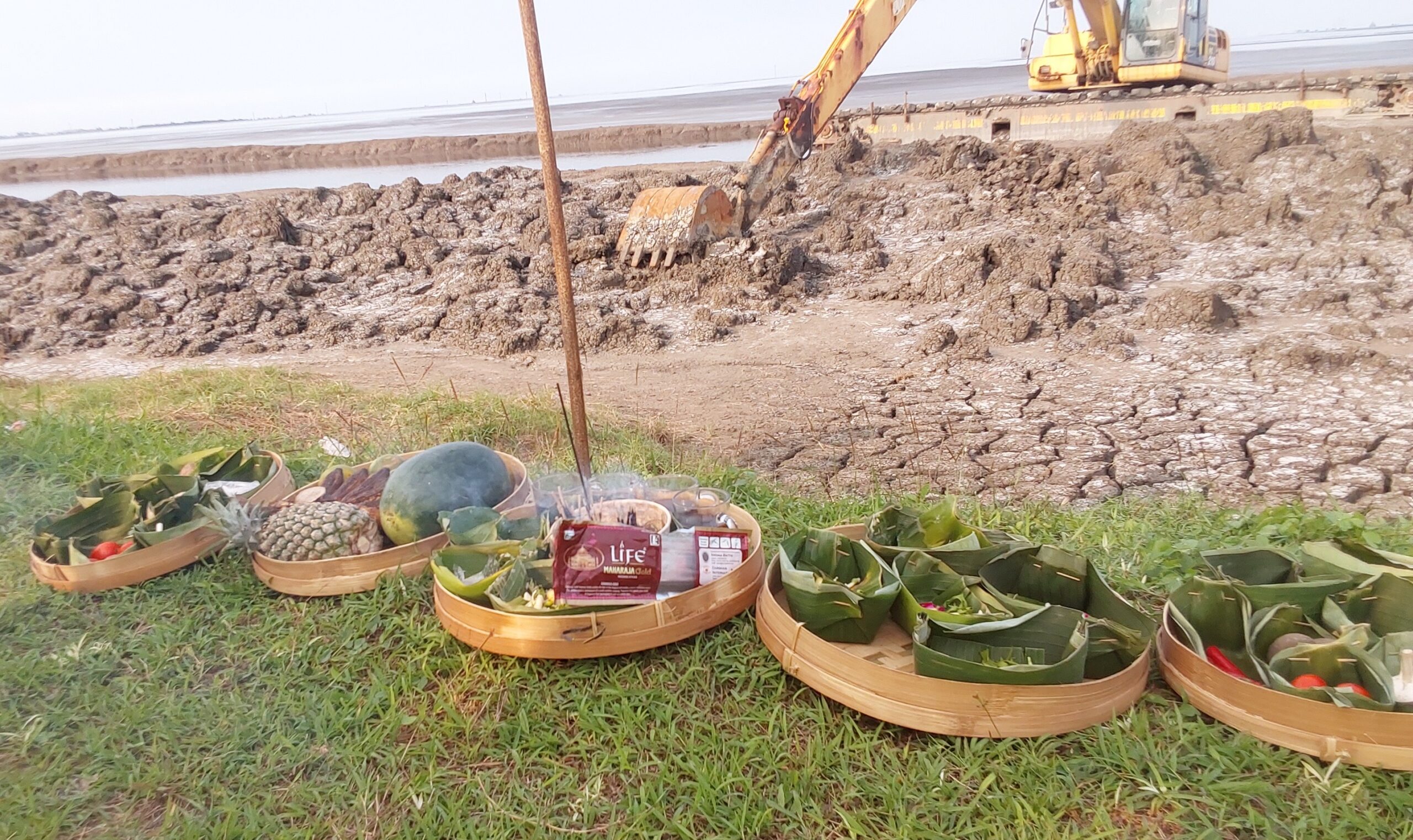
SIDOARJO — On the morning of May 29, 2026, a somber procession of dozens of residents made its way from Dwarakerta Park toward the towering earthen levees of Porong, Sidoarjo. For these individuals, the 300-meter trek was not merely a walk, but a pilgrimage of grief and remembrance. Each participant carried a tampah—a traditional bamboo winnowing tray—heaped with agricultural produce, traditional snacks, and ritual offerings known as sesaji. This was the Sambang Buyut ritual, a ceremony to visit and honor the ancestors whose graves, along with thousands of homes, now lie buried under millions of cubic meters of toxic mud.
As they ascended the embankment, the air was filled with the rhythmic chanting of Javanese kidung (songs) and solemn prayers. Upon reaching the summit, they planted the Indonesian national flag, the Red and White, into the hardened mud. A heavy silence followed, broken only by the wind and the faint murmur of prayers directed toward the "sunken villages" of Porong. This ritual marked the 20th anniversary of the Lapindo mudflow—a catastrophe that began on May 29, 2006, and has since become one of the world’s most protracted environmental disasters.
For Harwati, a former resident of Siring Village who was displaced by the disaster, the two-decade milestone is not just a commemoration of the past, but a stark reminder of the ongoing failure of justice. "This ritual is first and foremost a way to maintain our spiritual connection with our ancestors and the founders of our villages," she explained. "But it is also a cry for help. We are reminding the world of the catastrophic impact of unchecked extractivism."
Two Decades of Displacement and Administrative Limbo
The tragedy began two decades ago when a blowout occurred at the Banjar Panji-1 well, operated by Lapindo Brantas Inc., a company linked to the Bakrie Group. Since that fateful day, the eruption has never truly stopped. It has swallowed 16 villages across three sub-districts, displaced over 40,000 people, and submerged more than 600 hectares of productive land, factories, schools, and places of worship.
Harwati noted that for many victims, life in relocation has been a downward spiral rather than a fresh start. One of the most persistent issues is the "digital invisibility" of the displaced. As residents scattered to various regions to find housing, many lost their administrative ties to their original villages. Under Indonesia’s modern digital population system, this has created a bureaucratic nightmare.
"The digital system makes it incredibly difficult for us to access our basic rights," Harwati said. "Because our original villages no longer exist geographically, many of us struggle with population data, health insurance access, social assistance, and even the right to vote in elections. We are demanding restoration—not just of the environment, but of our status as citizens."
The issue of compensation also remains a bleeding wound. Despite the passage of 20 years, many residents claim they have yet to receive 100% of the promised land and building settlements. The government, according to victims, has been insufficiently proactive in facilitating the rights of those whose current domiciles are unclear. "We no longer place much hope in the state," Harwati lamented. "We have held audiences with various agencies and published our plight in every possible media outlet, yet the state remains indifferent."
The Sociological Scar: A Generation Without a Map
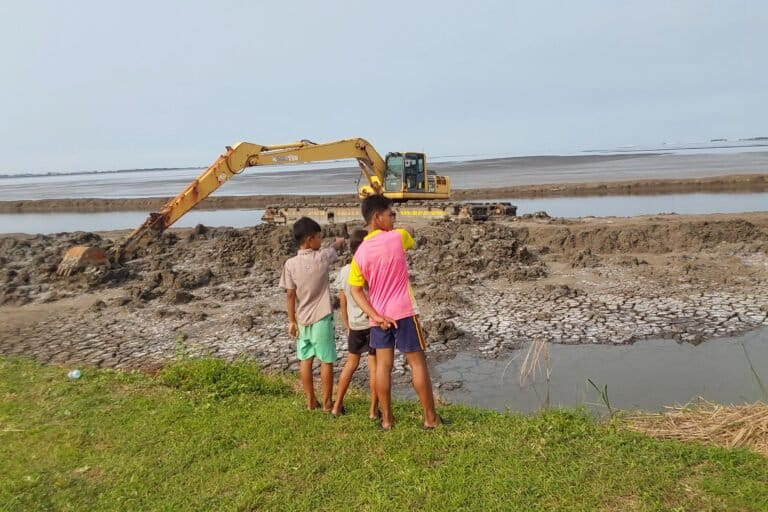
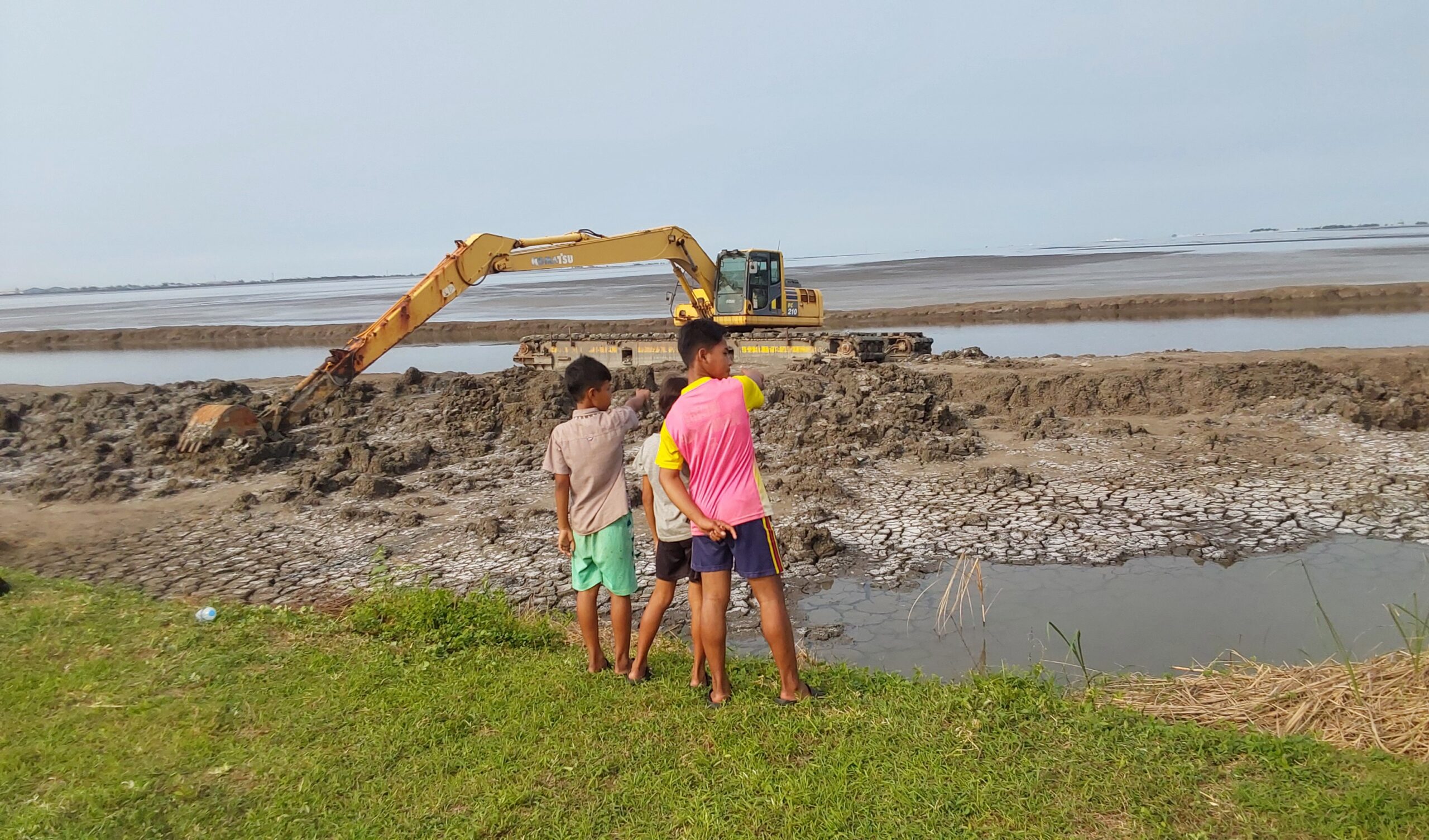
The impact of the mudflow extends far beyond material loss; it has fundamentally altered the social fabric of the Porong community. During the Sambang Buyut ritual, several children were seen standing atop the levee, squinting at the vast expanse of grey mud, trying to visualize a home they only know through the stories of their parents.
"Where exactly was my village?" one child was heard asking, his voice trailing off in the wind.
For the youth, the disaster has resulted in a loss of identity. Ghulam Nashrullah, a 20-year-old from Besuki Village who now lives in Pasuruan, reflected on the fragmentation of his community. "I have lost that sense of togetherness. It’s not like it was when we were all together in Besuki," he said. The displacement forced friends and extended families to scatter, breaking the communal bonds that are central to Javanese village life.
Mochammad Irsyad, a former neighborhood head (RT) from Besuki, recalled the early years of the tragedy as a time of immense social friction. "Villages used to fight each other. There were conflicts almost every day over where the mud should be diverted. It was a chaotic time," he said. Irsyad criticized the government’s narrow view of the disaster as a purely economic problem. "The government sees this as a simple buy-and-sell transaction. They pay a certain amount, we hand over our assets, and we leave. But there is no accountability for our lives afterward. Starting over in a new place is not as easy as moving house."
Scientific Evidence of Ecological Collapse
While the human stories highlight the social toll, scientific data underscores the environmental devastation that continues to radiate from the eruption site. Dr. Dewi Hidayati, an expert in ecotoxicology from the Sepuluh Nopember Institute of Technology (ITS), has spent years monitoring the Porong River, where the mud is channeled before reaching the sea.
According to Dr. Hidayati, the continuous discharge of untreated mud has fundamentally altered the river’s ecosystem. The massive sedimentation has turned a riverbed once characterized by sand and gravel into a barren wasteland of fine silt. This has led to an extreme spike in Total Suspended Solids (TSS), making the water virtually uninhabitable for many native species.
"Our microscopic analysis shows that fine particles—less than 10 microns in size—clog the gill filaments of fish, leading to respiratory failure," Dr. Hidayati explained. Using Scanning Electron Microscopy (SEM), her team also discovered severe deformities in the scales of surviving fish, making them highly susceptible to infections.
Furthermore, the chemical composition of the mud has introduced dangerous levels of heavy metals, specifically aluminum and iron, into the water system. "The level of aluminum toxicity is particularly alarming if the pH of the water turns acidic," she warned. Beyond the water, the air in the vicinity of the eruption remains contaminated with methane and sulfur gases, posing long-term health risks to the thousands of people still living near the levees.
Chronology of a Disaster: 2006–2026
To understand the gravity of the 20-year milestone, one must look at the timeline of the event:
- May 29, 2006: The first eruption occurs near the Banjar Panji-1 well. Within weeks, several villages are submerged.
- 2007: The government establishes the Sidoarjo Mudflow Management Agency (BPLS). The debate over whether the disaster was a "natural phenomenon" or "human error" begins.
- 2008-2013: A series of legal battles culminate in a controversial Supreme Court ruling that categorizes the event as a natural disaster, largely shielding the operator from full criminal liability.
- 2015: The Indonesian government provides a 9.2 trillion IDR "bailout" loan to Lapindo Brantas Inc. to settle compensation for residents in the "Affected Map Area," with the company’s land assets serving as collateral.
- 2019-2024: The deadline for Lapindo to repay the state loan passes with multiple extensions. Reports surface of "Rare Earth Elements" (REE) found in the mud, sparking debate over whether the state or the company should profit from them.
- May 29, 2026: Residents mark two decades of the flow, noting that the eruption center still produces hot mud and noxious smoke.
The Global Context: A Warning Against Impunity
The 20th-anniversary commemoration, themed "From Lapindo to the Whole Archipelago: Opposing Extractivism, Affirming the People’s Veto," sought to link the Porong tragedy to broader environmental struggles across Indonesia.
Melky Nahar, National Coordinator of the Mining Advocacy Network (JATAM), argued that Lapindo is a prime example of "legal impunity." He emphasized that the damage caused by mining and extraction often outlasts the lifespan of the project itself, affecting multiple generations.
"Porong is a mirror for the rest of Indonesia," Nahar stated. "What happened here is currently happening or will happen in the nickel mines of Sulawesi, the gold mines of Sangihe, and the geothermal projects in Flores. The state has become a dominant actor in creating this cycle of destruction."
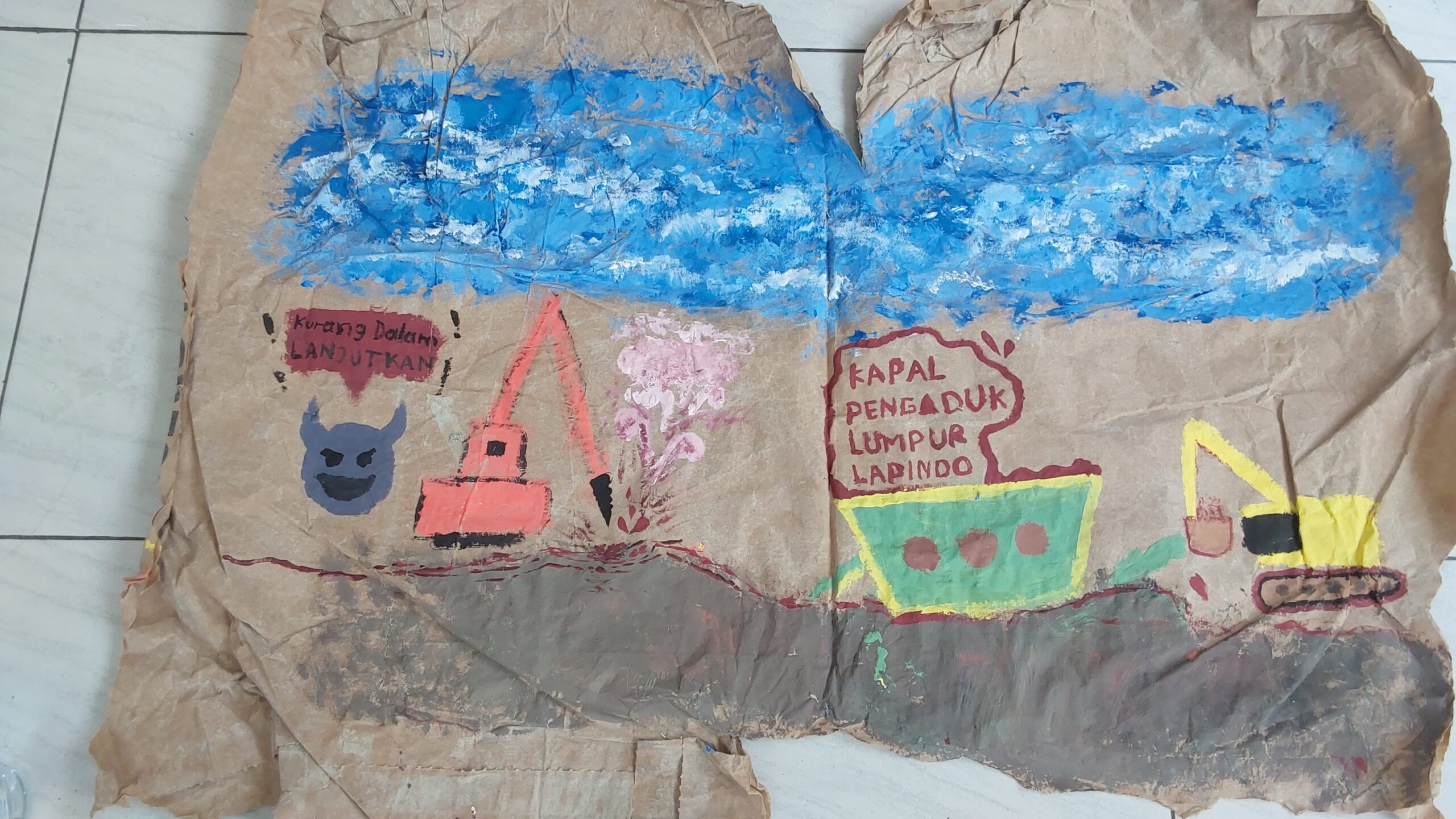
Nahar called for the "People’s Veto"—the right of communities to categorically reject extractive projects that threaten their livelihoods and environments. He argued that the 20-year history of the Lapindo mudflow proves that residents cannot rely on the government or corporations to protect them. "The only hope lies in the reactivation of grassroots movements," he said.
Conclusion: A Disaster Without an End
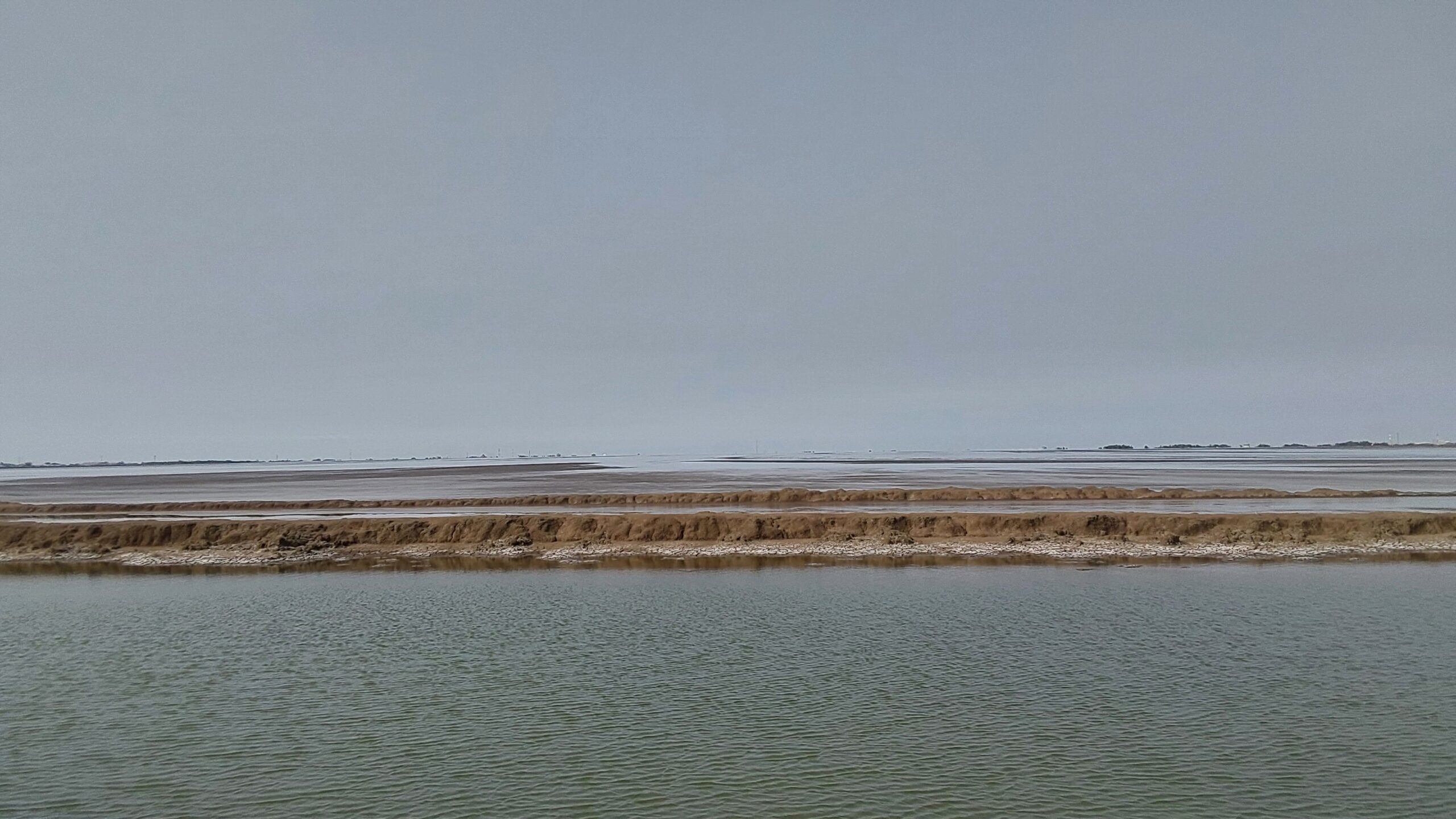
As the sun began to set over the grey horizon of the Sidoarjo mud ponds, the residents descended from the levees, leaving behind their offerings and their flags. The 20th anniversary of the Lapindo mudflow serves as a grim testament to the enduring nature of industrial disasters. While the news cycle may have moved on, for the people of Porong, the disaster is a daily reality.
The call for environmental restoration, administrative recognition, and full financial compensation remains as urgent today as it was two decades ago. As scientific evidence continues to mount regarding the toxicity of the region, the "Sidoarjo Mud" stands not just as a geological anomaly, but as a monument to the high cost of industrial negligence and the resilience of a community that refuses to be forgotten. For Harwati and thousands like her, the fight for justice will continue until the "sunken villages" are finally given the peace—and the closure—they deserve.