
 Nila Kartika Wati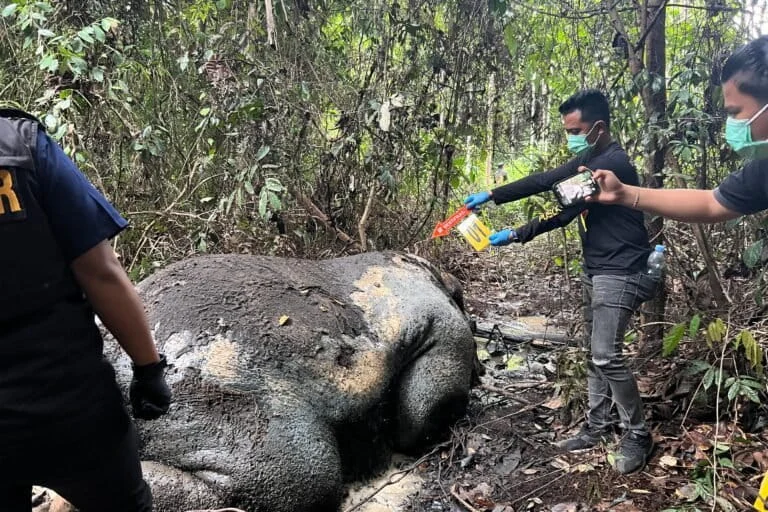
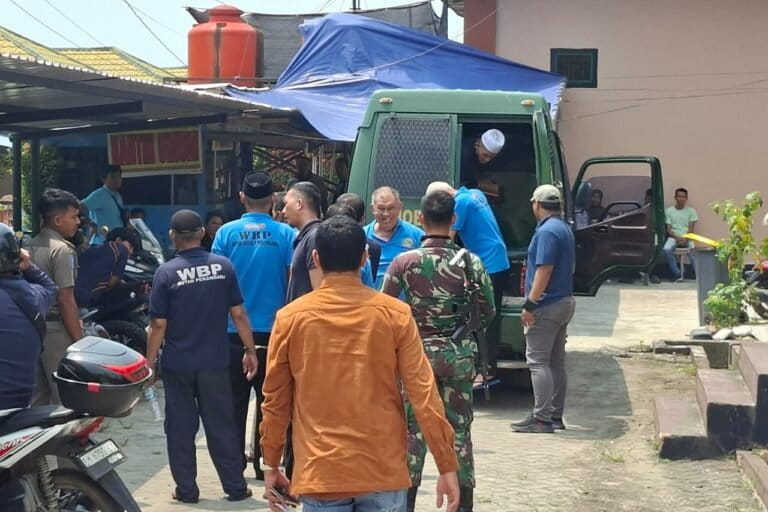
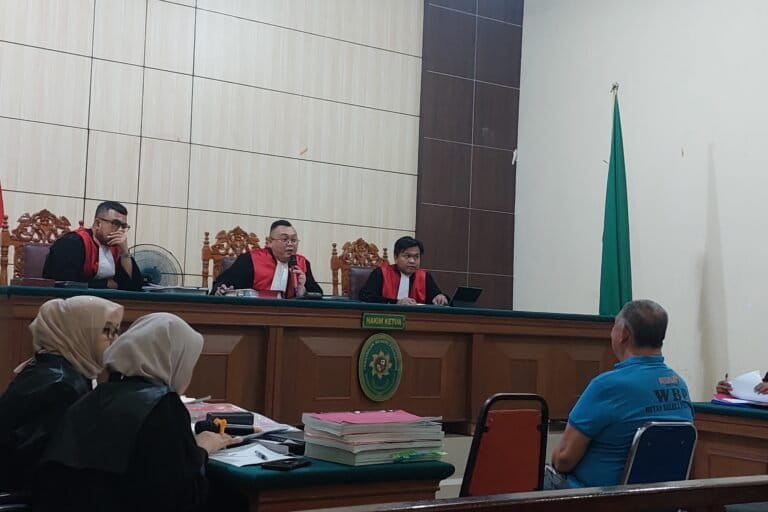
The illicit trade in Sumatran elephant ivory has long been shrouded in mystery, but a sprawling criminal network has finally been brought into the light following a series of high-profile arrests in Riau, Indonesia. Since early August, the District Court of Pelalawan has been the stage for the prosecution of 15 individuals implicated in a sophisticated poaching and trafficking syndicate. This legal proceeding marks a watershed moment in wildlife crime enforcement, exposing not just the hunters who pull the trigger, but the entire logistical chain that moves ivory from the depths of protected forest concessions to the hands of high-end illicit collectors.
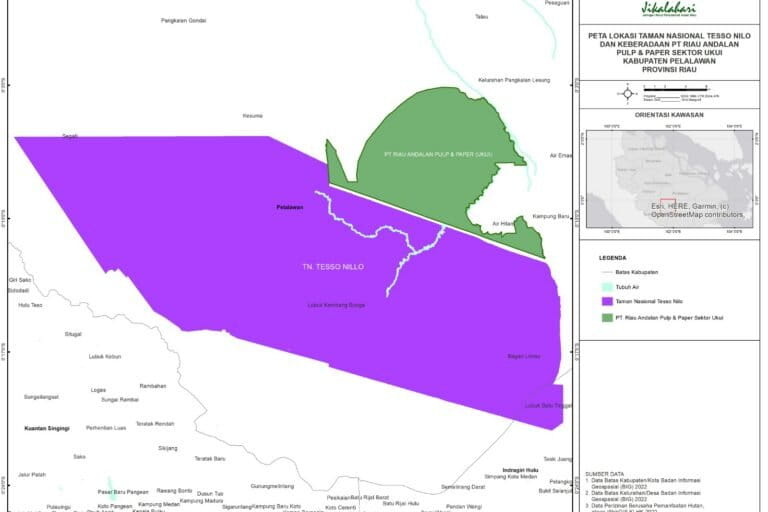
The investigation began in the wake of a tragic discovery: the carcass of a 40-year-old bull elephant found in Block C99 within the PT Riau Andalan Pulp and Paper (RAPP) concession in Pelalawan. The site, which serves as a vital wildlife corridor, became a crime scene that eventually led authorities to dismantle a network operating with military-grade precision and commercial intent.
The Anatomy of an Illegal Operation
The logistical complexity of this syndicate is detailed in extensive indictment documents obtained from the Pelalawan District Court. The operation was not a series of isolated incidents but a coordinated business model. The cycle typically began with the acquisition of high-caliber weaponry, specifically 308-caliber rifles, often sourced through clandestine deals involving multiple middlemen.
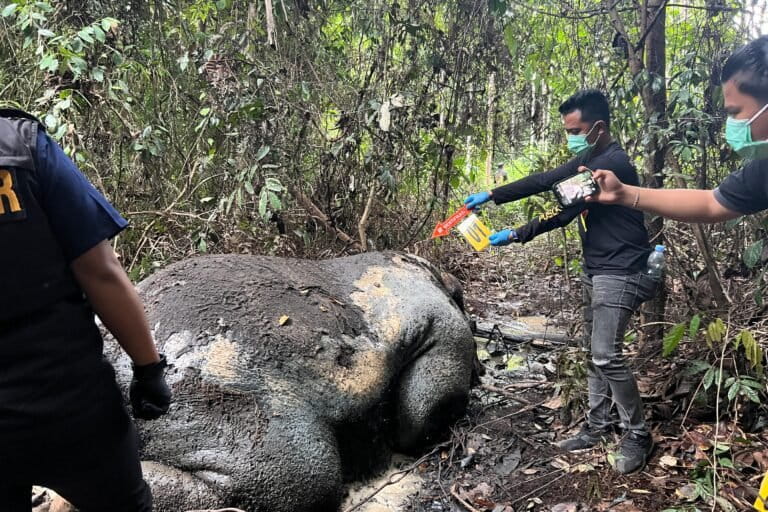
On January 25, 2026, the specific incident involving the bull elephant began with a phone call. Rito Armanda, a key local operative, contacted an accomplice known as Anir. Equipped with a long-barrel 308 rifle, 20 rounds of ammunition, and rudimentary tools like axes and machetes, the pair infiltrated the RAPP concession. After tracking a herd of approximately 20 elephants for an hour, they identified a target. Anir, acting as the primary shooter, fired twice into the animal’s head. Within hours, the pair had butchered the carcass to extract the ivory, later selling the 7.6-kilogram haul for a fraction of its eventual black-market value.
A Multi-Province Distribution Network
The movement of the ivory followed a sophisticated supply chain that spanned from Riau to West Sumatra, Jakarta, Surabaya, and eventually Central Java. Once Rito and Anir secured the ivory, they engaged a series of facilitators. Fadly, a central figure in the trade, purchased the tusks for 35 million IDR. Fadly’s role was pivotal; he acted as the "fixer," connecting the field hunters to urban middlemen like Hermansyah Yunus in Padang.
Hermansyah, who had a track record of at least seven previous purchases from Fadly, facilitated the cross-provincial transport. He employed Ali Butir Chan to manage the logistics of shipping the ivory—which was frequently cut into smaller, easier-to-conceal pieces—via cargo services at Minangkabau International Airport. By utilizing false names and bribing logistics personnel, the group bypassed airport security, ensuring the contraband reached Jakarta.
In the capital, the ivory was handled by intermediaries like Arif Rachman Hakim and later Feri Suprianto, who operated under pseudonyms to evade detection. The final destination for much of this ivory was the workshop of artisans like Robi in Surakarta, who converted the tusks into high-value items, such as ivory cigarette holders, which were then sold through a network of specialized dealers.
Data-Driven Reality: The Human and Environmental Cost
The economic data surrounding these transactions highlights the lucrative nature of the trade. While the poachers on the ground received roughly 10–20 million IDR per kill, the market price increased exponentially at every stage of the supply chain. By the time the ivory reached the final buyer in Central Java, the value had soared to over 125 million IDR.
This, however, represents only a fraction of the true cost. The Sumatran elephant (Elephas maximus sumatranus) is a critically endangered species. With habitat fragmentation—compounded by the proximity of industrial concessions like those of PT RAPP—the survival of the remaining population is precarious. The loss of a single 40-year-old bull represents a catastrophic blow to the genetic diversity of the local herd.
The Role of Illegal Arms and Organized Crime
A disturbing element of this case is the clear nexus between wildlife poaching and the illicit arms trade. Investigations revealed that the weapons used were not improvised tools but professional-grade firearms. The trail of these weapons often led back to individuals like Lukas and Sulaiman, who acted as procurement officers for the poaching teams.
Annisa Rahmawati, a Senior Wildlife Campaigner with Geopix, noted that the existence of this weapon supply chain is a broader societal threat. "This proves that the ownership of illegal firearms is not only used to slaughter protected wildlife but poses a significant danger to human security," she stated. The discovery of band saws, grinding machines, and specialized tools at the home of one of the traders, Hendro Ari Wibowo, further confirms that this was not a casual side-hustle, but a semi-industrial processing operation.
Official Responses and Legal Implications
The apprehension of these individuals was the result of a coordinated effort by the Riau Regional Police (Polda Riau) and the Pelalawan Resort Police. The arrests occurred in rapid succession throughout February 2026, starting with Rito Armanda on February 18 and followed by the capture of his associates in the days that followed.
Yuliantony, Executive Director of the Tesso Nilo National Park Foundation, has been vocal about the need for stringent sentencing. "The success of the police in uncovering this network must be followed by maximum penalties. These are repeat offenders; there is no room for leniency," he argued. He further emphasized that the prosecution should not stop at the "foot soldiers."
The legal challenge now facing the court is to look beyond the immediate offenders and identify the "intellectual actors"—the financiers and the ultimate buyers who create the demand. Activists argue that unless the demand-side market is dismantled, the killing of elephants will continue, as new poachers will inevitably fill the vacuum left by those currently in custody.
Broader Implications for Wildlife Conservation
The case in Pelalawan serves as a microcosm of the global illegal wildlife trade. It highlights the vulnerability of concessions—areas of land granted for industrial use—which often become "no-man’s-lands" where law enforcement presence is thin and wildlife is exposed.
Environmental analysts suggest three critical areas for reform:
- Enhanced Surveillance in Concessions: Companies operating in wildlife-rich areas must be held to higher standards of environmental stewardship, including the implementation of robust patrol units to prevent poaching within their boundaries.
- Arms Control: The linkage between wildlife crime and illegal firearms necessitates a more rigorous tracking system for long-barrel rifles in rural areas of Indonesia.
- Financial Intelligence: The use of bank transfers and digital payments in these transactions leaves a digital footprint that authorities must utilize more effectively to track the money trail to the top of the syndicate.
As the trial continues in the Pelalawan District Court, the eyes of the conservation community remain fixed on the proceedings. The sentencing will serve as a bellwether for Indonesia’s commitment to protecting its iconic megafauna. For now, the dismantling of this 15-person syndicate provides a brief respite for the surviving elephants of Riau, but experts warn that the survival of the species depends on whether this legal victory is a singular event or the beginning of a systematic purge of the networks that facilitate the destruction of nature for profit.









